Healthiest Deli Meats: 6 Dietitian-Approved Picks
Discover the healthiest deli meats backed by dietitians, low in sodium and preservatives for smarter sandwich choices.
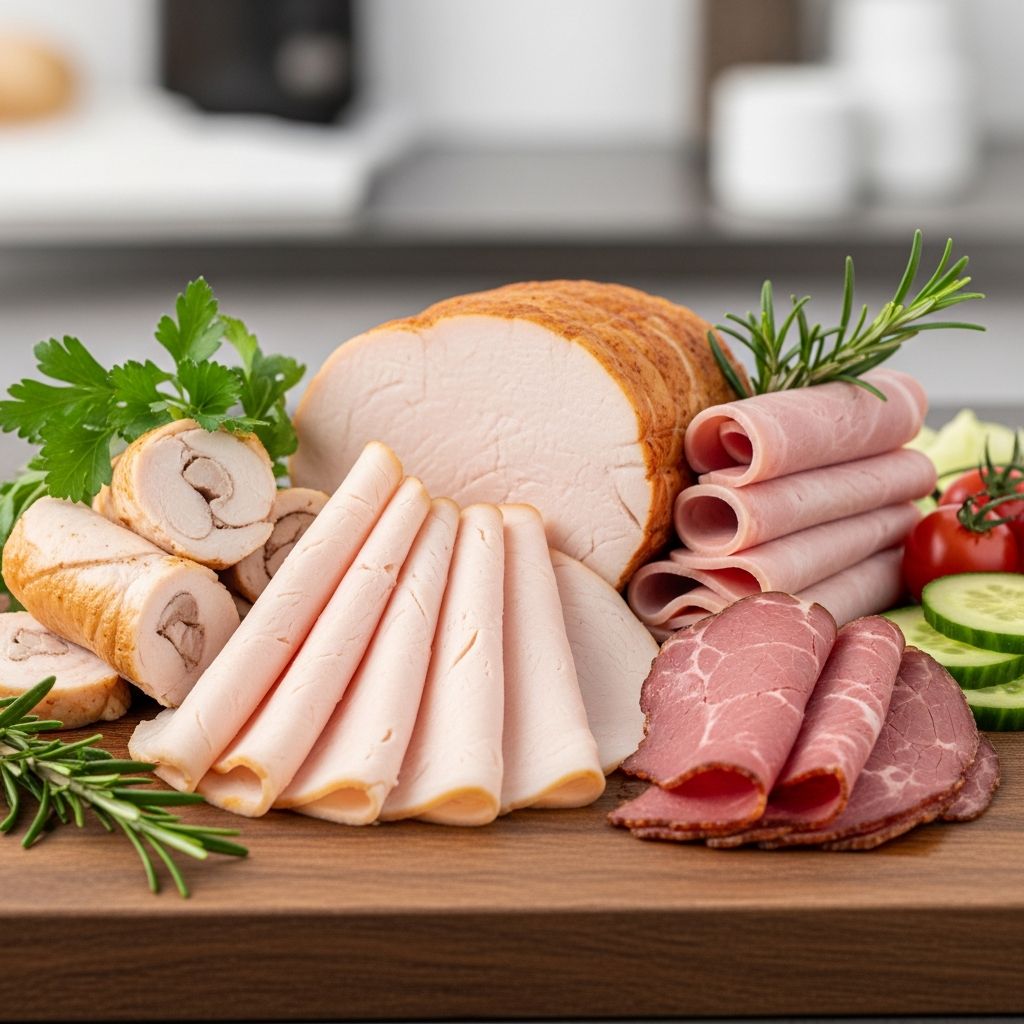
Deli meats offer convenient protein for sandwiches, salads, and snacks, but many are loaded with sodium, nitrates, and preservatives linked to health risks like high blood pressure and cancer. Registered dietitians recommend choosing fresh, lean, minimally processed options to maximize nutrition while minimizing harm. This guide covers expert tips for selection, top brands, unhealthiest varieties to avoid, healthier alternatives, and FAQs to help you make informed choices.
How to Choose the Healthiest Deli Meat
Selecting healthier deli meat starts at the grocery store. Focus on freshness, leanness, and quality sourcing to reduce additives and boost nutrient density.
- Opt for fresh deli counter meat: Freshly sliced meat from the deli counter has fewer preservatives than pre-packaged versions, which rely on chemicals for shelf stability. Choose options cooked on-site, like turkey seasoned with olive oil and herbs.
- Select lean cuts: Prioritize low-fat varieties such as turkey breast, roast beef, or lean ham over fatty ones like salami or bologna, which raise LDL cholesterol and heart disease risk.
- Choose organic or grass-fed: Meat from pasture-raised, grass-fed animals is richer in vitamins, minerals, and omega-3s due to the animals’ nutrient-dense diets.
- Check labels for no nitrates/nitrites: Avoid added nitrates, which can form carcinogenic compounds; look for ‘uncured’ or natural options.
- Watch sodium levels: Aim for under 400mg per serving to protect heart health.
Top Healthiest Deli Meat Brands and Products
These dietitian-recommended brands prioritize clean ingredients, humane practices, and minimal processing. They’re widely available and versatile for meals.
| Brand/Product | Key Features | Best For | Sodium (per 2oz) |
|---|---|---|---|
| Boar’s Head Simplicity (e.g., Oven-Roasted Beef, Applewood-Smoked Uncured Ham) | One ingredient often; no antibiotics, hormones, nitrates, preservatives; humanely raised | Sandwiches, salads | ~360mg |
| Applegate Organic (Uncured Black Forest Ham, Oven-Roasted Turkey) | Organic, antibiotic/hormone-free, no nitrates/GMOs; grass-fed options | Quick lunches | ~290mg |
| Trader Joe’s Organic Oven Roasted Turkey Breast | 3 ingredients: turkey, water, sea salt; free-range, no hormones/antibiotics | Budget-friendly | ~350mg |
| True Story Organic Thick Cut Oven Roasted Chicken Breast | Clean ingredients, supports ethical farming; versatile thick slices | Salads, bowls | ~320mg |
| Whole Foods 365 Organic Cracked Black Pepper Turkey Breast | Affordable organic line; simple seasonings, decent nutrition profile | Everyday use | ~400mg |
| Wellshire Organic Turkey Breast or Uncured Ham | Nitrate-free, low salt; lean protein for kids and adults | School lunches | ~300mg |
These products deliver 15-25g protein per serving with fewer additives, making them superior for daily consumption.
What Makes Deli Meat Unhealthy?
Processed deli meats contribute to chronic issues due to high sodium (up to 1,000mg per serving), saturated fats, and nitrates that form nitrosamines, potential carcinogens. The World Health Organization classifies them as Group 1 carcinogens, similar to smoking. Highly processed types like bologna, salami, pepperoni, and pastrami from brands like Oscar Mayer or Great Value have extended shelf lives from preservatives, amplifying risks.
Health Risks of Regular Deli Meat Consumption
Regular intake links to hypertension, heart disease, and colorectal cancer. Sodium overload strains kidneys; saturated fats elevate cholesterol. Children face developmental risks from excess nitrates affecting blood oxygen. Opt for moderation: limit to 2-3 times weekly, pairing with veggies for balance.
Healthier Alternatives to Deli Meat
Reduce reliance on deli meats with these nutrient-packed swaps:
- Fresh roasted poultry: Roast turkey or chicken breast at home; slice for sandwiches (no preservatives).
- Canned fish: Tuna, salmon in water; omega-3 rich, low sodium.
- Plant-based options: Hummus, bean spreads, or tempeh slices for protein.
- Eggs or cheese: Hard-boiled eggs or low-fat cheese for portable protein.
- Homemade versions: Slow-cook lean meats with herbs.
Nutrition Comparison: Deli Meats vs. Healthier Picks
| Food (2oz serving) | Protein (g) | Sodium (mg) | Fat (g) | Additives |
|---|---|---|---|---|
| Standard Bologna | 10 | 900 | 15 | Nitrates, sugars |
| Boar’s Head Simplicity Turkey | 20 | 360 | 2 | None |
| Fresh Roasted Turkey | 22 | 60 | 1 | None |
| Canned Tuna | 25 | 250 | 1 | Minimal |
Related Stories



Tips for Incorporating Healthier Deli Meats into Meals
Build balanced meals: pair 2oz lean deli with whole grains, veggies, and healthy fats. Examples:
- Turkey wrap with spinach, avocado on whole wheat.
- Chicken salad with greens, nuts, olive oil dressing.
- Kids’ skewers: meat, cheese, fruit.
For kids, protein needs are higher (0.39-0.43g/lb body weight daily); these meats support growth without nitrates.
Frequently Asked Questions (FAQs)
What’s the healthiest deli meat to buy?
Boar’s Head Simplicity lines, like oven-roasted turkey or beef, with minimal ingredients and no nitrates.
Are nitrate-free deli meats truly healthier?
Yes, they avoid carcinogenic compounds; choose ‘uncured’ verified by USDA.
Is deli meat okay for kids’ lunches?
In moderation, yes—pick low-sodium, nitrate-free like Wellshire or Applegate for balanced nutrition.
How much deli meat is safe per week?
Limit to 4-6oz, 2-3 times weekly; prioritize fresh alternatives.
Can I eat deli meat if I have high blood pressure?
Choose very low-sodium (<300mg/serving) options sparingly; consult a doctor.
Key Takeaways for Smarter Deli Choices
– Prioritize fresh, lean, organic deli meats from trusted brands.
– Avoid processed, high-sodium varieties linked to disease.
– Balance with whole foods for optimal health.
Make these swaps for better nutrition without sacrificing convenience.
References
- High-protein foods: The best protein sources to include in a healthy diet — Harvard Health Publishing. 2023-10-01. https://www.health.harvard.edu/nutrition/high-protein-foods-the-best-protein-sources-to-include-in-a-healthy-diet
- Dietary Protein Requirements in Children: Methods for Consideration — National Library of Medicine (PMC). 2021-05-12. https://pmc.ncbi.nlm.nih.gov/articles/PMC8147948/
- The Healthiest Deli Meat, According to a Registered Dietitian — Hone Health. 2024-08-15. https://honehealth.com/edge/healthiest-deli-meat/
- IARC Monographs evaluate consumption of red meat and processed meat — World Health Organization. 2015-10-26. https://www.who.int/news-room/questions-and-answers/item/cancer-carcinogenicity-of-the-consumption-of-red-meat-and-processed-meat
- Sodium in Your Diet — FDA (U.S. Food and Drug Administration). 2024-01-28. https://www.fda.gov/food/nutrition-education-resources-materials/sodium-your-diet
Similar Articles








Read full bio of medha deb