The Healthiest Fish to Eat for Optimal Nutrition
Discover the most nutritious fish species and expert-backed cooking methods for optimal health benefits.
The Healthiest Fish to Eat: A Complete Nutritional Guide
Fish is one of the most nutrient-dense foods available, offering a remarkable combination of high-quality protein, essential omega-3 and omega-6 fatty acids, and an impressive array of vitamins and minerals. Whether you’re looking to improve heart health, support brain function, or simply maintain a balanced diet, incorporating fish into your meals is one of the most effective nutritional choices you can make. This comprehensive guide explores the healthiest fish options, their specific nutritional benefits, and expert-recommended cooking methods to maximize their health-promoting properties.
Why Is Fish So Healthy?
Fish stands out as a nutritional powerhouse for several compelling reasons. First, it serves as an excellent natural source of high-quality protein, essential for building and maintaining muscle tissue, supporting immune function, and promoting satiety. Beyond protein, fish contains a unique combination of omega-3 and omega-6 polyunsaturated fatty acids, which possess potent anti-inflammatory properties that benefit nearly every system in the body.
The micronutrient profile of fish is equally impressive. Different fish species provide varying amounts of vitamin B12, which supports neurological function and red blood cell formation; calcium, crucial for bone health; magnesium, essential for muscle and nerve function; and iodine, vital for thyroid regulation. Many fish varieties also contain selenium, a powerful antioxidant mineral, along with vitamins D and B6.
Perhaps most importantly, the omega-3 fatty acids found in fish—specifically eicosapentaenoic acid (EPA) and docosahexaenoic acid (DHA)—have been extensively researched and linked to profound cardiovascular and neurological benefits. An analysis of 20 studies published in the JAMA Network demonstrated that consuming one to two servings of 85 grams of oily fish weekly, such as salmon, herring, mackerel, anchovies, or sardines, is associated with a 36% reduced risk of mortality from heart disease.
The 7 Healthiest Fish to Eat
1. Sardines: The Nutrient Density Champion
Sardines consistently rank at the top of nutritional experts’ recommendations for the healthiest fish available. What makes sardines exceptional is that they are typically consumed whole—including their soft, edible bones—providing substantial amounts of bioavailable calcium alongside omega-3 and vitamin D. This feature makes sardines particularly valuable for women at all life stages, especially during pregnancy (in moderation) and post-menopause when bone health becomes increasingly critical.
A comprehensive review published in Frontiers in Nutrition highlighted the cardio-protective benefits of sardines and identified their rich content of calcium, potassium, magnesium, zinc, iron, taurine, and arginine—an amino acid essential for protein synthesis within the body. Because sardines are small fish, they accumulate fewer heavy metals and contaminants such as mercury compared to larger predatory fish species. This makes them an exceptionally safe and nutrient-dense choice for regular consumption.
2. Mackerel: The Omega-3 Powerhouse with Exercise Recovery Benefits
Mackerel is recognized as one of the most beneficial oily fish varieties, owing to its small size, which minimizes mercury content, and its concentrated levels of omega-3 fatty acids and B vitamins. The dense omega-3 profile of mackerel makes it particularly effective for supporting cardiovascular and cognitive health.
Recent research has expanded our understanding of mackerel’s health benefits beyond traditional nutritional measures. A study published in the Journal of Pharmacological Sciences discovered that peptides derived from mackerel helped mice recover more effectively from exercise-related fatigue. This suggests that regular mackerel consumption may support athletic performance and physical recovery in humans, though further human studies are warranted.
Related Stories



3. Salmon: The Vitamin D and Omega-3 Source
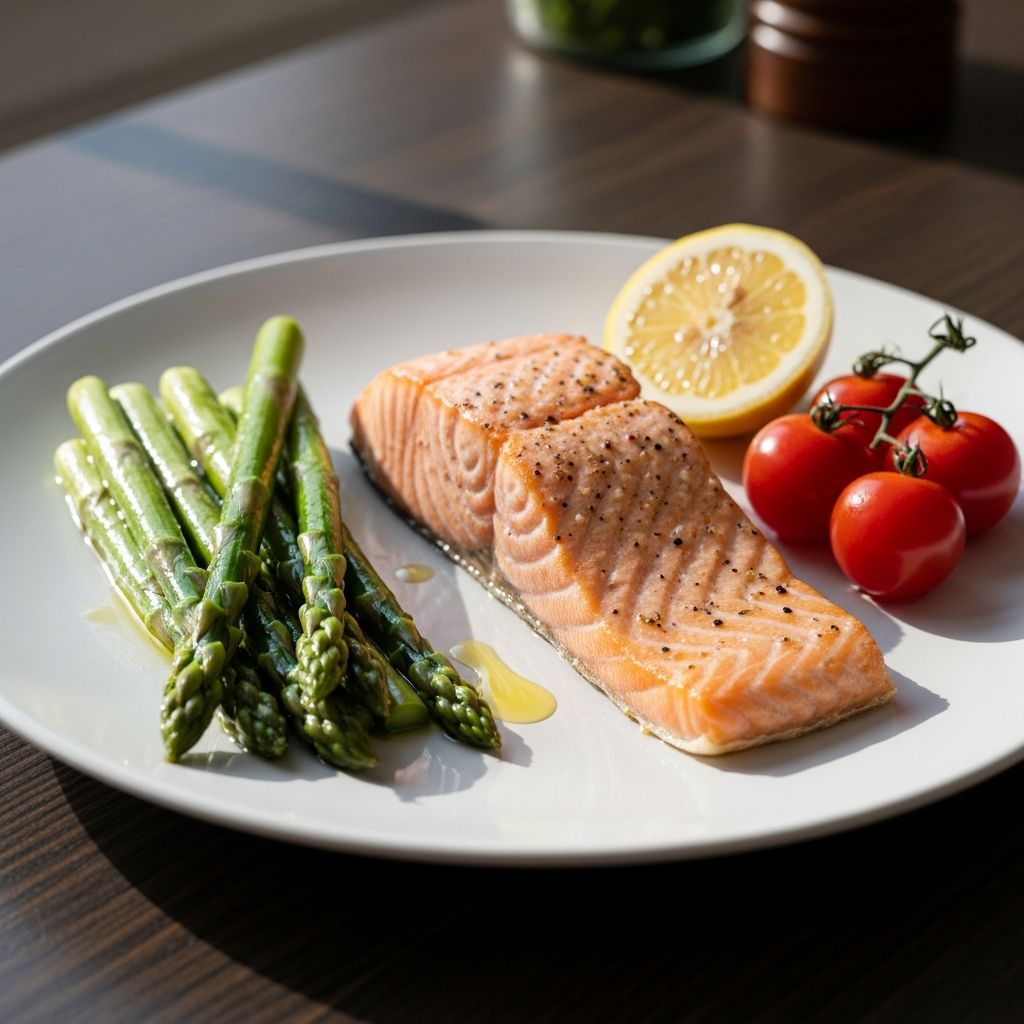
Salmon is widely recognized as a premium source of omega-3 fatty acids, alongside containing significant amounts of vitamin D, vitamin B12, and selenium. Wild-caught Alaskan salmon represents one of the richest natural sources of omega-3 fatty acids available, making it an excellent choice for those prioritizing cardiovascular and brain health.
The versatility of salmon in the kitchen, combined with its impressive nutritional profile, makes it an accessible option for most people looking to improve their diet. Whether grilled, baked, or prepared in other healthful ways, salmon can be integrated into weekly meal plans without difficulty.
4. Anchovies: The Small Fish with Big Nutritional Impact
Like sardines, anchovies offer the significant advantage of being consumable whole, including their soft bones, thereby providing excellent calcium content. Per 100 grams of canned anchovies (drained of oil), they deliver approximately 25 grams of protein, making them an extremely efficient protein source. Additionally, anchovies contain substantial levels of iron, zinc, and niacin—a B vitamin that plays a crucial role in converting food into usable energy.
A groundbreaking study published in the British Medical Journal found that substituting red meat with anchovies, sardines, and herring could prevent approximately 750,000 deaths annually while simultaneously helping address climate concerns. This research underscores that healthier fish choices benefit not only individual health outcomes but also environmental sustainability.
5. Rainbow Trout: The Sustainably Farmed Option
When sustainably farmed in the UK and other regulated regions, rainbow trout serves as an excellent source of lean protein and vitamin D. According to nutritional data, 100 grams of baked rainbow trout provides approximately 23.8 grams of protein while remaining relatively low in calories. Rainbow trout is also notably high in selenium, a mineral with powerful antioxidant properties.
For consumers concerned about sustainability and environmental impact, responsibly farmed rainbow trout represents a conscientious choice that doesn’t compromise nutritional value.
6. Tuna: The Iron-Rich Staple
Tuna is a kitchen staple found in pantries worldwide and offers distinct nutritional advantages, particularly for those concerned about iron intake. Tuna contains approximately 1.5 milligrams of iron per 100 grams—higher than many other fish species—and delivers around 25 grams of protein per 100 grams, making it a substantial protein source.
It’s important to note that tuna is classified as a lean fish rather than an oily fish, meaning it contains lower levels of omega-3 fatty acids compared to salmon, mackerel, and sardines. For this reason, nutritional guidelines typically recommend limiting tuna to one portion weekly rather than the two portions recommended for oily fish varieties.
7. Cod: The Light, Lean Protein Option
Cod serves as an excellent choice for individuals whose nutritional goals include sustainable weight loss or maintaining a lighter dietary pattern. Remarkably low in calories while delivering substantial protein content, cod provides approximately 20+ grams of protein per 100 grams without excessive caloric density.
Despite its low caloric profile, cod is packed with valuable micronutrients, including B vitamins and selenium. These compounds support energy metabolism, thyroid function, and antioxidant defense, making cod a nutritionally complete option that supports weight management without sacrificing nutritional density.
Oily Fish vs. Lean Fish: Understanding the Difference
The distinction between oily and lean fish is fundamental to understanding their respective health benefits. Oily fish—including salmon, sardines, mackerel, herring, and anchovies—are the most densely packed with omega-3 fatty acids (EPA and DHA), which provide support for heart, brain, and hormone health.
Lean fish varieties, such as cod and tuna (though tuna contains moderate omega-3 levels), are lower in fat overall but still provide excellent protein and micronutrient profiles. Nutritional experts typically recommend consuming oily fish two to three times weekly to achieve optimal omega-3 intake, while lean fish can be incorporated more frequently if desired.
Mercury Content and Fish Safety
A critical consideration when selecting fish is mercury content. Larger predatory fish species, such as shark, swordfish, and king mackerel, accumulate mercury over their longer lifespans, presenting potential health risks with frequent consumption. Conversely, smaller fish species, particularly oily varieties like sardines, anchovies, and mackerel, contain minimal mercury while offering maximum nutritional benefit.
Choosing smaller oily fish provides the greatest nutritional advantages with the least risk of heavy metal contamination. This is particularly important for pregnant women, nursing mothers, and young children, who should prioritize the safest, most nutrient-dense options.
Best Cooking Methods for Maximum Health Benefits
How you prepare fish significantly impacts the preservation of its nutritional content. Cooking methods that maintain nutritional integrity include:
- Baking: Cooking fish at moderate temperatures (350-400°F) preserves omega-3 fatty acids and heat-sensitive vitamins while allowing moisture retention.
- Steaming: This gentle cooking method minimizes nutrient loss and requires no added fat, making it ideal for health-conscious preparation.
- Grilling: Grilling imparts appealing flavors without requiring excess oil, though high heat may reduce some heat-sensitive compounds.
- Pan-searing with minimal oil: Quick cooking at moderate temperatures preserves delicate nutrients while developing appealing flavors.
Methods to minimize include deep-frying and breading, which add excess calories and may introduce unhealthy trans fats. When preparing canned fish like sardines and anchovies, selecting varieties packed in water or oil (then draining excess oil) preserves nutritional benefits while reducing unnecessary caloric intake.
Fish Consumption Recommendations
To maximize health benefits from fish consumption, nutrition experts recommend the following guidelines:
- Consume oily fish two to three times weekly, with each serving consisting of approximately 100-150 grams.
- Vary fish selections throughout the week to obtain diverse micronutrient profiles.
- Prioritize smaller fish species to minimize mercury and heavy metal exposure.
- Choose wild-caught when possible, particularly for salmon, though responsibly farmed options are also nutritious.
- Limit lean fish consumption to once or twice weekly, particularly tuna, due to lower omega-3 content.
Incorporating Fish Into Your Diet
Making fish a regular component of your diet doesn’t require elaborate cooking skills. Simple preparations—such as baking salmon with lemon, adding canned sardines to salads, or preparing grilled mackerel with herbs—deliver maximum nutritional benefit with minimal effort. Fish’s versatility allows integration into breakfast (smoked salmon on whole-grain toast), lunch (tuna or sardine salads), and dinner (baked white fish with vegetables) meals.
Frequently Asked Questions
Q: Is farm-raised fish as healthy as wild-caught?
A: Both farm-raised and wild-caught fish can be nutritious. Farm-raised fish typically contains slightly lower omega-3 levels, but responsibly farmed varieties like rainbow trout remain excellent nutritional sources. Choose fish farmed according to strict environmental and safety standards.
Q: How often should pregnant women eat fish?
A: Pregnant women should consume two to three servings of low-mercury fish weekly, prioritizing small oily fish like sardines and anchovies while limiting high-mercury varieties. Consult healthcare providers for personalized recommendations.
Q: Can you get enough omega-3 from plant-based sources?
A: While plant sources like flaxseeds and walnuts contain alpha-linolenic acid (ALA), fish provides EPA and DHA in their active forms, which are more efficiently utilized by the body. Fish remains the most reliable source for these critical omega-3 types.
Q: Is canned fish as nutritious as fresh fish?
A: Canned fish can be equally nutritious, particularly varieties like sardines and anchovies where the bones (rich in calcium) are included. Choose varieties packed in water or minimal oil for optimal nutrition.
Q: Which fish should be avoided or limited?
A: Limit consumption of large predatory fish including shark, swordfish, king mackerel, and tilefish due to elevated mercury content. Smaller species like sardines, anchovies, and mackerel are safer for frequent consumption.
References
- The 7 healthiest fish to eat – and the best ways to cook them — Women’s Health Magazine UK. 2024-2025. https://www.womenshealthmag.com/uk/food/healthy-eating/a65921785/healthiest-fish/
Similar Articles








Read full bio of medha deb