Healthiest Fish To Eat: 8 Low-Mercury, Omega-3 Picks
Discover the top healthiest fish packed with omega-3s, protein, vitamins, and minerals for heart, brain, and bone health.
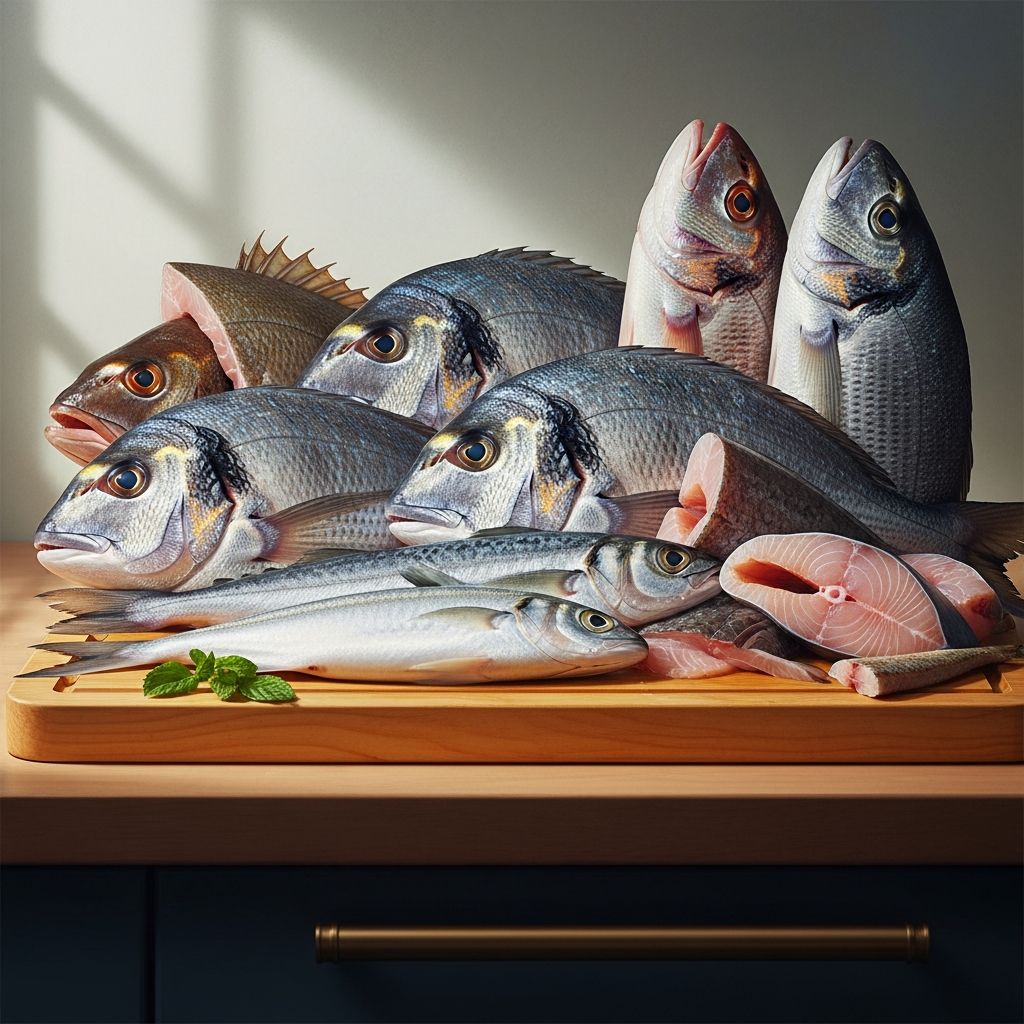
Fish is a powerhouse of nutrition, delivering high-quality protein, essential omega-3 fatty acids, vitamins like D and B12, and minerals such as selenium and calcium. Health authorities like the NHS recommend at least two portions of fish weekly, including one oily fish, to support heart health, brain function, immune system, and bone strength. Oily fish such as salmon, mackerel, sardines, and herring are richest in long-chain omega-3s, which reduce inflammation, lower heart disease risk, and aid prenatal development. White fish like cod offer lean protein with fewer calories, while shellfish provide additional benefits like zinc and iodine. However, choose low-mercury options and sustainable sources to maximize benefits while minimizing risks.
Why Eating Fish Is Good for You
Incorporating fish into your diet promotes numerous health advantages. Omega-3 fatty acids in oily fish help prevent heart disease by reducing triglycerides and inflammation, support brain health for mood regulation and cognitive function, and even aid weight management due to their satiating protein content. Vitamin D from fatty fish like salmon and trout combats deficiencies linked to osteoporosis, bolstering bone health, immunity, and muscle function. A 3-ounce serving of many fish provides 15-20 grams of protein with low saturated fat, making them superior to red or processed meats. Shellfish add selenium for thyroid health and antioxidants for immune support. The FDA emphasizes fish’s role in child brain development and overall wellness. Aim for variety to balance nutrients and limit high-mercury fish like king mackerel.
1. Salmon
Salmon tops the list as one of the best sources of omega-3 fatty acids, which the body cannot produce and must obtain from food. A 200g serving delivers about 47g of protein alongside heart-protective EPA and DHA. It’s also rich in vitamin D, selenium, and B vitamins for energy and immune function. Wild Alaskan salmon is low in contaminants and sustainable. Grill, bake, or poach salmon for meals like salmon piccata or salads. Consume 2-3 servings weekly, but opt for low-sodium smoked varieties to avoid excess nitrates. Studies link regular salmon intake to reduced inflammation and better cardiovascular outcomes.
2. Mackerel
Mackerel is an affordable oily fish loaded with healthy fats, protein, and selenium, crucial for thyroid and immune health. It’s versatile—fresh, canned, or smoked—and provides substantial omega-3s for brain and heart benefits. A serving offers high vitamin B12 for nervous system support and energy. Limit smoked mackerel due to potential nitrate risks, which may elevate cancer concerns. Sustainable options include Atlantic mackerel. Try it in patties, grilled, or with grains for nutrient-dense meals.
3. Cod
Cod, a classic lean white fish, is high in protein (15-20g per 3oz serving) and low in fat and calories (under 120 per serving), ideal for weight management. It’s packed with vitamin B12 for red blood cell formation, energy, and mood regulation, plus phosphorus and niacin. Widely available fresh or frozen, Icelandic longline-caught cod is the most sustainable choice. Enjoy in fish and chips, tacos, or baked with herbs. White fish like cod are low-fat alternatives to red meat.
4. Trout
Trout, available wild or farmed, excels as an oily fish with omega-3s, vitamin D (over 100% RDA in 150g cooked), and B12. Vitamin D supports immunity, bones, and anti-inflammatory effects. Rainbow trout from freshwater ponds is sustainable in the UK. Its mild flavor suits beginners—try grilling or in pasta. Like salmon, it aids heart and brain health.
5. Sardines
Sardines are nutrient-dense oily fish, especially canned with bones and skin for extra calcium, vitamin B12, B3, iron, zinc, and selenium. They provide omega-3s for heart health and are low-mercury. Canned in oil or brine, they’re convenient and slightly more nutritious than fresh. Eat on toast, in salads, or straight from the can. The NHS highlights edible bones for bone strength via calcium and phosphorus.
Related Stories



6. Crab
Crab, a low-fat shellfish, boasts high protein, over 100% daily B12, and 50% copper for blood cell production. Available year-round, peak from April-November, MSC-certified Shetland brown crab is best for sustainability. It’s rich in selenium and zinc. Steam or boil for salads, cakes, or dips. Shellfish like crab offer omega-3s at lower levels than oily fish.
7. Tuna
Tuna, popular canned or fresh, supplies complete essential amino acids for muscle repair and growth, plus high protein. It’s lean with B vitamins, though choose skipjack or light tuna for lower mercury. Supports heart health via omega-3s in moderation. Versatile for salads, casseroles, or melts. Limit albacore to avoid excess mercury.
8. Mussels
Mussels are budget-friendly shellfish rich in omega-3s, protein, B12, and manganese for bone health. Farmed varieties are low-impact and sustainable. Low in fat, high in selenium, iodine, and copper. Steam in wine or add to pasta. They’re a good long-chain omega-3 source among shellfish.
How Much Fish Should You Eat?
The NHS advises two 140g portions weekly, one oily, for balanced nutrition without excess mercury. FDA echoes benefits for all ages, prioritizing low-mercury fish like salmon and sardines. Pregnant women benefit from omega-3s for fetal development but limit high-mercury types. Diversify: mix oily, white, and shellfish. Check Marine Conservation Society labels for sustainability.
Healthiest Fish Comparison Table
| Fish | Key Nutrients | Calories (3oz) | Omega-3s | Mercury Level |
|---|---|---|---|---|
| Salmon | Omega-3, Vit D, Protein | 175 | High | Low |
| Mackerel | Omega-3, Selenium, Protein | 220 | High | Low |
| Cod | Protein, B12, Low-fat | 70-100 | Low | Low |
| Sardines | Omega-3, Calcium, B12 | 190 | High | Low |
| Mussels | Omega-3, Protein, Manganese | 140 | Medium | Low |
Frequently Asked Questions (FAQs)
Which fish is the healthiest to eat?
Salmon is often considered the healthiest due to its high omega-3s, protein, and vitamin D, with low mercury.
How often should you eat fish?
At least two portions per week, including one oily fish, per NHS guidelines.
Are canned sardines healthy?
Yes, they’re nutrient-dense with edible bones for calcium and high omega-3s.
Is tilapia a healthy fish?
Tilapia is lean and protein-rich but lower in omega-3s than oily fish; choose responsibly farmed.
What fish should pregnant women avoid?
High-mercury fish like king mackerel, swordfish; stick to salmon, sardines.
References
- 10 healthy fish to eat – BBC Good Food — BBC Good Food. 2023-10-01. https://www.bbcgoodfood.com/health/nutrition/healthy-fish-to-eat
- Hooked on Health: Benefits of Including Fatty Fish in Your Diet — Cox College. 2023-05-15. https://coxcollege.edu/hooked-on-health-benefits-of-including-fatty-fish-in-your-diet/
- Best and Worst Fish for Your Health — WebMD. 2024-02-20. https://www.webmd.com/diet/ss/slideshow-best-worst-fish
- 12 Best Types of Fish to Eat — Healthline. 2024-01-10. https://www.healthline.com/health/food-nutrition/11-best-fish-to-eat
- Fish and shellfish – NHS — NHS. 2025-03-15. https://www.nhs.uk/live-well/eat-well/food-types/fish-and-shellfish-nutrition/
- Advice about Eating Fish — FDA. 2024-11-05. https://www.fda.gov/food/consumers/advice-about-eating-fish
Similar Articles








Read full bio of medha deb