Healthiest Flours: 5 Nutrient-Packed Options For Baking
Discover the top healthiest flours ranked by nutritionists for better baking, gluten-free diets, and overall wellness.
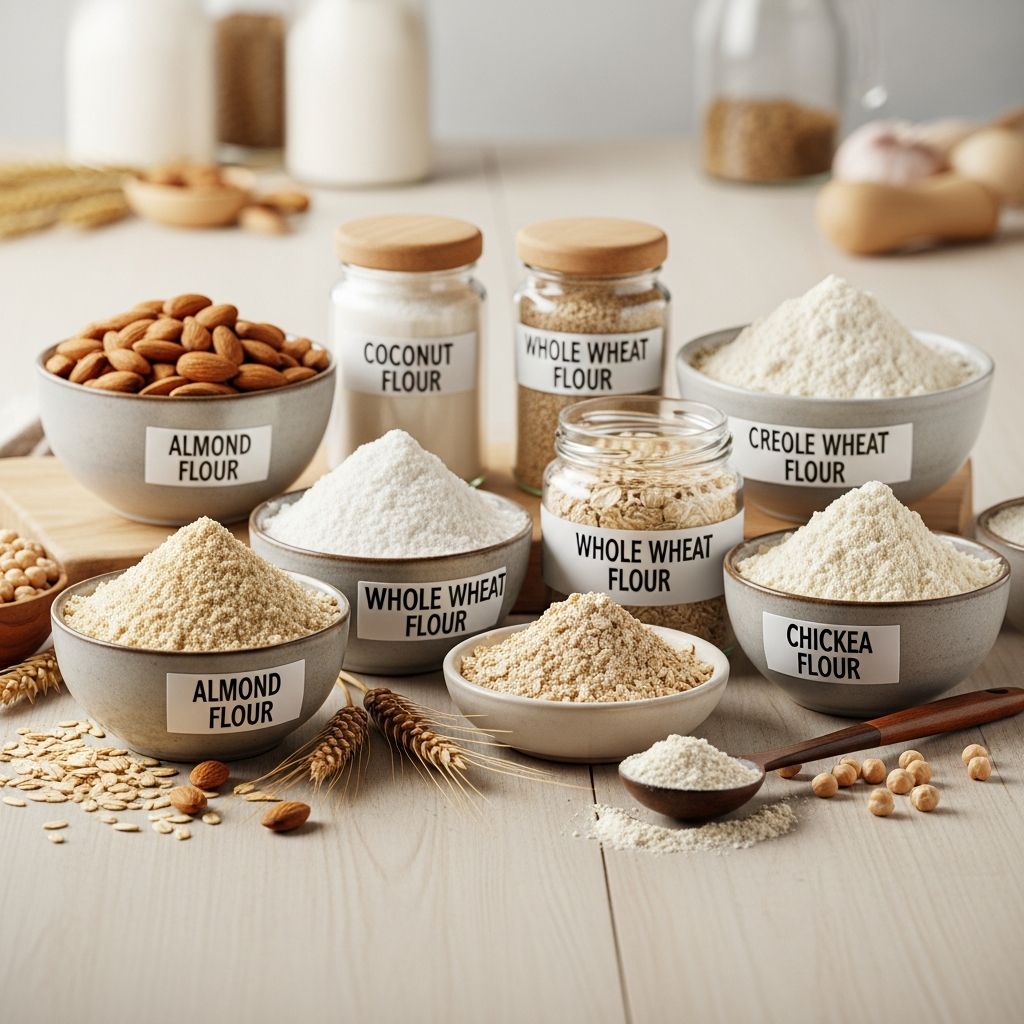
Choosing the right flour can transform your baking and cooking into nutrient-packed meals. While refined white flour dominates store shelves, healthier alternatives like nut-based, grain-free, and whole grain options offer superior nutrition, including higher protein, fiber, healthy fats, and essential minerals. Nutrition experts recommend these flours for their ability to support blood sugar control, gut health, and overall wellness, especially for gluten-free, keto, or low-carb diets.
What Makes a Flour Healthy?
Healthy flours retain their natural bran, germ, and endosperm—or derive from nutrient-dense sources like nuts or seeds—unlike refined white flour, which strips away fiber, vitamins, and minerals during processing. Whole grain flours keep all parts of the grain kernel, providing B vitamins, iron, magnesium, and antioxidants. Grain-free options like almond or coconut flour excel in protein and healthy fats, reducing glycemic impact and promoting satiety.
Key markers of healthy flours include high fiber content for digestion, protein for muscle repair, unsaturated fats for heart health, and low net carbs for stable energy. They also often provide micronutrients like iron, potassium, and vitamin E. According to registered dietitians, swapping refined flour for these boosts nutrient density without sacrificing flavor or texture in recipes.
1. Almond Flour
Almond flour, made by grinding blanched almonds into a fine powder, stands out as one of the healthiest flours due to its gluten-free nature and rich nutrient profile. Unlike coarser almond meal, which includes skins, almond flour offers a smooth texture ideal for baking. It’s packed with magnesium, omega-3 fats, plant-based protein, and vitamin E, a potent antioxidant that protects cells from damage.
A 1/2-cup (about 56g) serving delivers impressive nutrition: 340 calories, 12g protein, 30g fat (mostly healthy monounsaturated), 12g carbs, and 4g fiber. It covers 65% of daily magnesium needs, 100% vitamin E, plus calcium, iron, and potassium. These nutrients support heart health, reduce inflammation, and help regulate blood sugar, making it perfect for low-carb, paleo, and keto diets.
Its nutty flavor enhances pancakes, cookies, scones, biscuits, pasta, and meatballs. Substitute it one-to-one for wheat flour in most recipes, though it may yield denser results—add eggs or baking powder for lift. Those with nut allergies should avoid it.
2. Coconut Flour
Coconut flour is a grain- and gluten-free powerhouse ground from dried coconut meat. Highly absorbent, it requires more liquid and eggs in recipes but rewards with exceptional fiber and healthy fats. Primarily saturated fats from medium-chain triglycerides (MCTs), it may aid metabolism and reduce inflammation differently than processed saturated fats.
Per 1/2-cup (64g) serving: 210 calories, 8.5g protein, 13g fat, 34g carbs (net carbs low due to 25g fiber), 22% DV iron, and 18% DV potassium. Antioxidants and antimicrobial properties add anti-inflammatory benefits. Ideal for grain-free, paleo, and keto baking, it’s a nut-free alternative to almond flour.
Use it in muffins, breads, and pancakes—typically 1/4 cup coconut flour replaces 1 cup wheat flour. Its mild sweetness pairs well with chocolate or tropical flavors.
3. Quinoa Flour
Quinoa flour, ground from this gluten-free pseudocereal (not a true grain), retains whole-grain nutrients like protein, fiber, iron, and unsaturated fats. Its antioxidants and anti-inflammatory compounds may support digestion, inhibit tumor growth, and lower disease risk.
Related Stories



A 1/2-cup serving provides high protein (around 14g), fiber, iron, and fats for fluffy textures in baked goods. Substitute half the all-purpose flour in recipes for pancakes, muffins, pizza crusts, pie crusts, or as a soup thickener. It yields tender, moist results.
4. Buckwheat Flour
Buckwheat flour comes from grinding buckwheat seeds, a gluten-free plant unrelated to wheat. Its earthy, nutty taste shines in soba noodles, pancakes, and crepes. Rich in fiber, protein, and minerals like manganese, magnesium, copper, iron, and phosphorus, it supports energy production and bone health.
High in resistant starch for gut health and B vitamins, it’s versatile for both sweet and savory dishes. Blend with other flours for lighter bakes.
5. Whole Wheat Flour
Whole wheat flour grinds the entire wheat kernel—bran, germ, and endosperm—making it far superior to refined white flour, which discards nutrient-rich parts. It offers protein, fiber, vitamins, and minerals for better digestion and sustained energy.
Per 1/2-cup (60g): substantial B vitamins, iron, magnesium, and fiber. Contains gluten, so avoid if sensitive. Use in breads, cookies, and pizza dough for hearty texture.
Other Healthy Flours to Try
- Oat Flour: Ground oats provide beta-glucan fiber for cholesterol control and heart health. High in protein; use up to 20-30% in recipes. Gluten-free if certified.
- Gluten-Free All-Purpose Blends: Mixes of rice, sorghum, etc., mimic wheat flour for celiac-safe baking.
Flour Substitution Guide
| Flour | Substitution Ratio | Best For |
|---|---|---|
| Almond | 1:1 | Baked goods, low-carb |
| Coconut | 1:4 (add liquids/eggs) | Muffins, breads |
| Quinoa | 1:2 | Pancakes, crusts |
| Buckwheat | 1:1 (blend for lightness) | Noodles, pancakes |
| Whole Wheat | 1:1 | Breads, hearty bakes |
| Oat | 20-30% replacement | Cookies, muffins |
This table simplifies swaps for denser, nutrient-rich results. Always adjust for moisture.
Health Benefits of Switching Flours
These flours lower glycemic index for blood sugar stability, boost fiber for gut health, and provide antioxidants against chronic disease. Nut and seed flours promote fullness; whole grains aid weight management.
FAQs
What is the absolute healthiest flour?
Almond and coconut flours top lists for their protein, fats, and low net carbs, but the best depends on dietary needs like gluten-free or keto.
Can I use these flours in any recipe?
Most work with adjustments; nut flours are dense, so experiment with binders like eggs.
Are these flours gluten-free?
Almond, coconut, quinoa, buckwheat, and certified oat are; whole wheat contains gluten.
How do I store healthy flours?
Refrigerate or freeze nut flours to prevent rancidity; whole grains last longer at room temp.
Where to buy healthy flours?
Health food stores, online, or make at home with a blender.
(Word count: 1678)
References
- 5 of the Healthiest Flours for Every Purpose — Healthline. 2023-10-15. https://www.healthline.com/nutrition/healthiest-flour
- Are Some Flours Healthier Than Others? Here Are 8 Worth Trying — Cleveland Clinic. 2024-05-20. https://health.clevelandclinic.org/how-to-use-healthy-flour-substitutes
- A Helpful Guide for Buying Natural and Healthy Flour — Miller’s Bio Farm. 2023-08-10. https://millersbiofarm.com/blog/a-helpful-guide-for-buying-natural-and-healthy-flour
Similar Articles








Read full bio of Sneha Tete