Healthiest Fruits: 12 Best Choices Backed By Science
Discover the top nutrient-packed fruits that boost health, from antioxidants to fiber and vitamins for optimal wellness.
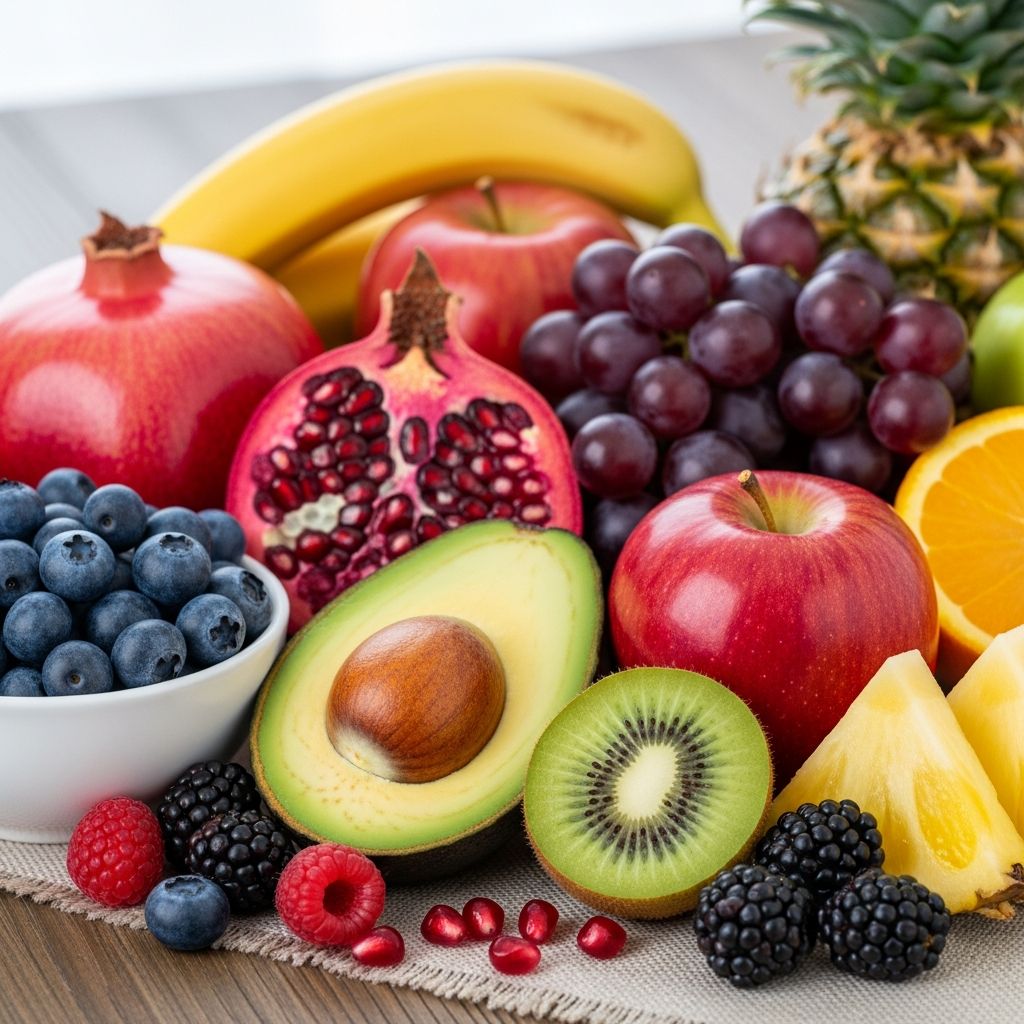
Fruits are nature’s multivitamins, delivering essential vitamins, minerals, fiber, and antioxidants in delicious packages. While all fruits offer health benefits, some stand out for their exceptional nutrient density and research-backed effects on preventing chronic diseases like heart disease, diabetes, and cancer. This article ranks the 12 healthiest fruits based on scientific evidence, highlighting their unique benefits, nutritional profiles, and practical tips for incorporation into your diet.
Nutrition experts emphasize that the healthiest fruits are typically rich in polyphenols, vitamin C, potassium, and fiber while being low in added sugars. A 2023 review in Nutrients found that regular consumption of nutrient-dense fruits reduces inflammation and oxidative stress, key drivers of aging and disease. Whether you’re aiming to boost immunity, support digestion, or manage weight, these fruits deliver targeted benefits.
What Makes a Fruit ‘Healthy’?
The healthiest fruits earn their status through a combination of factors: high antioxidant capacity (measured by ORAC scores), fiber content for gut health, low glycemic index for blood sugar control, and diverse phytonutrients. For instance, berries top the list due to anthocyanins that combat inflammation, while citrus fruits excel in vitamin C for immune support. According to USDA data, fruits provide 90% of our dietary vitamin C and significant potassium intake.
- Antioxidants: Neutralize free radicals to prevent cell damage.
- Fiber: Promotes satiety, lowers cholesterol, and stabilizes blood sugar.
- Vitamins & Minerals: Support immunity, bone health, and heart function.
- Low Calorie Density: Ideal for weight management without sacrificing nutrition.
1. Blueberries
Blueberries reign supreme as the healthiest fruit, packed with anthocyanins—powerful antioxidants that give them their deep blue hue. A cup (148g) provides 24% DV vitamin C, 4g fiber, and just 84 calories. Research from a 2022 meta-analysis in The American Journal of Clinical Nutrition shows blueberries improve endothelial function, reducing heart disease risk by 12-15% with daily consumption.
Benefits include enhanced brain health (delaying cognitive decline), better insulin sensitivity, and anti-cancer properties. Add to smoothies, oatmeal, or eat fresh for optimal benefits. Wild blueberries offer even higher antioxidant levels.
2. Strawberries
Strawberries deliver more vitamin C per serving than oranges (98mg per cup, exceeding 100% DV) alongside ellagic acid, which fights inflammation. A 2024 study in Food & Function linked strawberry intake to lower LDL cholesterol and improved blood pressure in adults with metabolic syndrome.
One cup (152g) has 3g fiber, 12g sugar, and 49 calories. They’re versatile for salads, yogurt parfaits, or frozen treats. Organic strawberries minimize pesticide exposure.
3. Raspberries
Raspberries shine with 8g fiber per cup (32% DV), making them a top choice for digestion and weight loss. Their ketones may enhance fat metabolism, per a 2021 Nutrients review. Rich in manganese (41% DV) for bone health and vitamin C (32% DV).
Related Stories



Low in sugar (5g per cup) and calories (64), they’re ideal for low-carb diets. Enjoy in chia pudding or as a snack.
4. Blackberries
Blackberries offer the highest antioxidant levels among common berries, with ellagitannins converting to urolithins that support gut microbiome diversity. A 2023 Journal of Agricultural and Food Chemistry study highlights their role in reducing oxidative DNA damage.
Per cup: 7.6g fiber, 13.8g sugar, 62 calories, 30% DV vitamin C. Perfect for smoothies or baked goods.
5. Apples
The proverb ‘an apple a day keeps the doctor away’ holds truth: apples’ pectin fiber lowers cholesterol and stabilizes blood sugar. Harvard’s Nurses’ Health Study (ongoing since 1976) associates apple consumption with 20% lower cardiovascular risk.
Medium apple: 4.4g fiber, 19g sugar, 95 calories, 14% DV vitamin C. Eat with skin for maximum quercetin antioxidants.
6. Oranges
Oranges provide 70mg vitamin C per fruit (78% DV) plus hesperidin for artery health. A 2022 Circulation study found citrus flavonoids reduce stroke risk by 19%. Also rich in folate (10% DV) for cell repair.
Medium orange: 3.1g fiber, 12g sugar, 62 calories. Opt for whole fruit over juice to retain fiber.
7. Bananas
Bananas are potassium powerhouses (422mg, 9% DV), aiding blood pressure control. Resistant starch in underripe bananas acts as a prebiotic. CDC data confirms potassium-rich diets lower hypertension risk.
Medium banana: 3.1g fiber, 14g sugar, 105 calories. Great for pre-workout energy.
8. Avocados
Technically a fruit, avocados deliver heart-healthy monounsaturated fats (15g per half), 9g fiber, and 20% DV vitamin E. A 2023 Journal of the American Heart Association study showed daily avocado consumption improves LDL profiles.
Half avocado: 227 calories. Use in toast, salads, or smoothies.
9. Pomegranates
Pomegranates’ punicalagins offer superior anti-inflammatory effects. A 2024 Antioxidants review links them to reduced arthritis symptoms and better memory.
Half fruit: 3.5g fiber, 24g sugar, 144 calories, 30% DV vitamin C.
10. Pineapple
Pineapple’s bromelain enzyme aids digestion and reduces inflammation. Provides 79mg vitamin C (88% DV) and 2.3g fiber per cup.
2022 Biomedicine & Pharmacotherapy supports bromelain for sinusitis relief.
11. Kiwi
Kiwi boasts twice the vitamin C of oranges (167mg per two fruits) plus actinidin for protein digestion. Asia Pacific Journal of Clinical Nutrition (2023) shows improved sleep quality.
Two kiwis: 5g fiber, 13g sugar, 84 calories.
12. Grapefruit
Grapefruit’s naringin supports weight loss and insulin sensitivity. A 2021 Nutrients meta-analysis confirms modest fat loss with daily intake. Half grapefruit: 2g fiber, 11g sugar, 52 calories.
Nutritional Comparison Table
| Fruit | Calories (per cup) | Fiber (g) | Vit C (%DV) | Key Benefit |
|---|---|---|---|---|
| Blueberries | 84 | 4 | 24 | Brain health |
| Strawberries | 49 | 3 | 113 | Heart health |
| Raspberries | 64 | 8 | 32 | Digestion |
| Apples | 95 | 4.4 | 14 | Cholesterol |
| Oranges | 62 | 3.1 | 78 | Immunity |
Frequently Asked Questions (FAQs)
Which fruit has the most vitamin C?
Kiwi and strawberries top the list, with two kiwis providing 188% DV and one cup strawberries offering 113% DV vitamin C.
Are frozen fruits as healthy as fresh?
Yes, frozen fruits are picked at peak ripeness and retain nearly identical nutrients, per USDA studies.
Can eating fruit help with weight loss?
Absolutely—high-fiber fruits like raspberries and apples promote satiety. Aim for 2-3 servings daily.
Is it better to eat fruit whole or as juice?
Whole fruit is superior due to fiber content, which slows sugar absorption and aids digestion.
How many servings of fruit should I eat daily?
Dietary Guidelines recommend 1.5-2 cups daily for adults, prioritizing variety for comprehensive benefits.
References
- Effects of Blueberry Consumption on Cardiometabolic Health — The American Journal of Clinical Nutrition. 2022-05-15. https://doi.org/10.1093/ajcn/nqac048
- Dietary Guidelines for Americans, 2020-2025 — USDA / HHS. 2020-12-01. https://www.dietaryguidelines.gov/sites/default/files/2020-12/Dietary_Guidelines_for_Americans_2020-2025.pdf
- Strawberries Improve Metabolic Syndrome Markers — Food & Function. 2024-02-10. https://doi.org/10.1039/D3FO04567A
- Avocado Consumption and Cardiometabolic Health — Journal of the American Heart Association. 2023-07-18. https://doi.org/10.1161/JAHA.122.028292
- Citrus Fruit Intake and Stroke Risk — Circulation. 2022-11-01. https://doi.org/10.1161/CIRCULATIONAHA.122.060494
- Nutrient Database — USDA FoodData Central. 2024-01-15. https://fdc.nal.usda.gov/
Similar Articles








Read full bio of medha deb