Healthiest Lettuce Varieties: 10 Best Picks Ranked
Discover the top healthiest lettuces from nutrient-packed romaine to crisp green leaf, with rankings, nutrition facts, and expert tips for optimal health benefits.
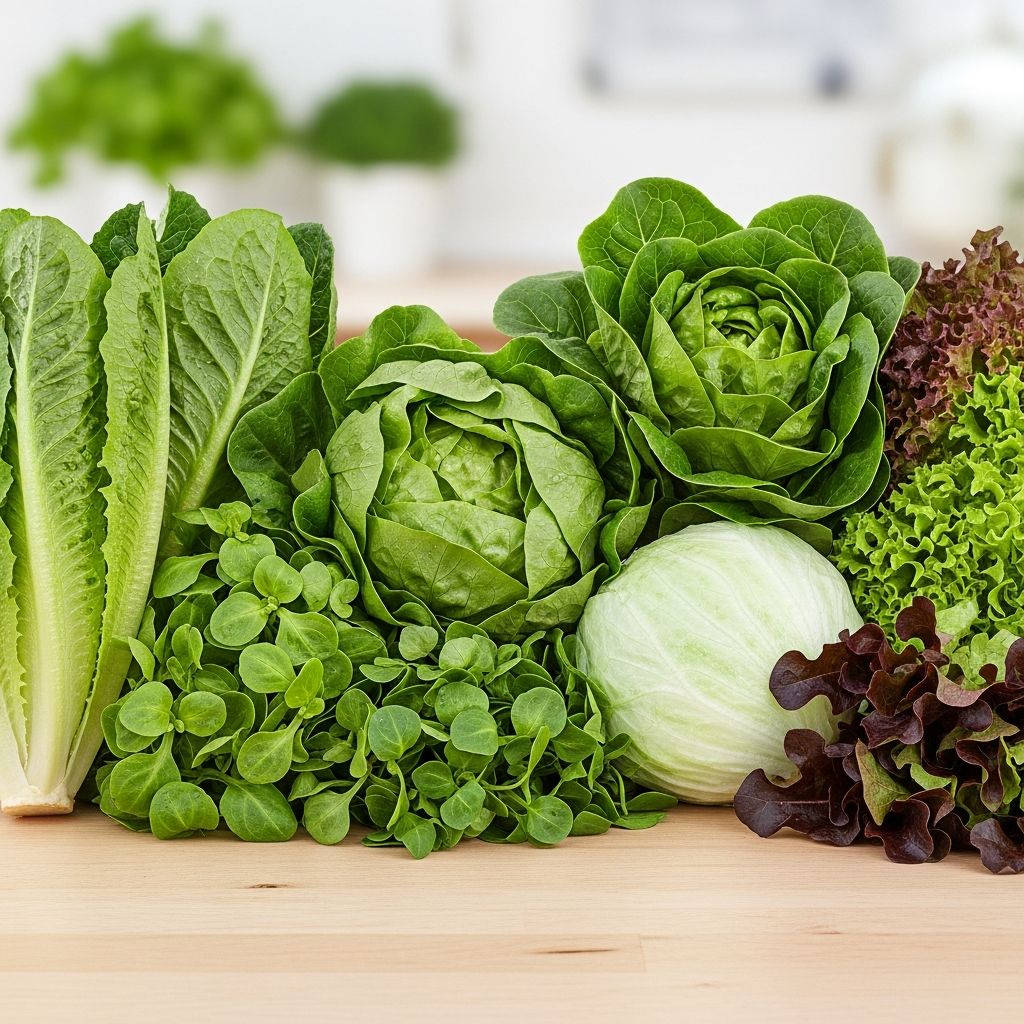
Romaine lettuce stands out as the healthiest variety due to its superior nutrient profile, including high levels of vitamins A, C, K, folate, and minerals like calcium, outperforming lighter options like iceberg.
What Is the Healthiest Lettuce?
The healthiest lettuce is determined by nutrient density, particularly darker leafy greens richer in vitamins A, C, K, folate, potassium, fiber, and antioxidants like beta-carotene. Romaine excels with nearly 10 times more vitamin A than iceberg, plus substantial vitamin K, C, calcium, and folate, making it ideal for salads, wraps, and heart health support. Darker pigmentation signals higher beta-carotene and overall nutrition, as chlorophyll masks these beneficial compounds.
Leafy greens like spinach, kale, and watercress rival traditional lettuces but romaine remains the top lettuce for crunch and versatility in everyday meals. Factors like fiber for digestion, nitrates for blood pressure, and lutein for eye health further elevate choices beyond iceberg’s high water content but low nutrients.
10 Healthiest Lettuces, Ranked
Ranking considers per-cup servings for calories, vitamins (A, C, K), minerals (calcium, iron, potassium), fiber, protein, and antioxidants. Data synthesizes expert analyses prioritizing darker, nutrient-dense varieties.
- Romaine Lettuce
Top-ranked for nutrient richness: excellent calcium, vitamin C, folate, K; 10x beta-carotene vs. iceberg. Per 1 cup: ~12 cal, 2g carbs, 0.75g fiber; robust crunch, slightly bitter leaves, sweet core. Supports bone health, immunity, vision. - Green Leaf Lettuce
Runner-up with vitamins A, C, K, calcium, phosphorus, potassium, manganese. Tender, mild flavor; per 1 cup: low cal (~4-6), good folate (13.7mcg), lutein/zeaxanthin. Perishable but salad staple; third in some omega/vitamin profiles. - Red Leaf Lettuce
127% DV vitamin A, 149% DV vitamin K; crispy, earthy flavor. Per 1 cup: 4.5 cal, 1.2g carbs, 0.6g fiber, 0.8g protein; high folate (10.1mcg). Antioxidant-rich from red pigments. - Mâche (Lamb’s Lettuce)
Dark rosettes packed with vitamins A, C, B6, iron, copper, manganese. Per 1 cup: 11 cal, 2.4g carbs, 0.9g fiber, 1.6g protein; nutty, mixes well but gritty—clean thoroughly. - Summer Crisp (Batavian)
Large heads, value-packed; vitamins K, A; sweet, juicy, nutty heart. Good for bulk salads. - Butter Lettuce (Boston/Bibb)
Smooth, sweet; higher vitamin A, folate, iron, potassium than iceberg/arugula. Per 1 cup: 6 cal, 2g carbs, 0.75g fiber; delicate, premium Bibb. - Arugula
Peppery; nitrates, vitamins K, A boost performance, blood flow. Not solo for all tastes. - Kale
Superfood: massive vitamins A, C, fiber, folate, calcium; bake into chips. - Watercress
100% DV vitamin K, nitrates lower BP; spicy bite. - Swiss Chard / Dandelion Greens
Chard: vitamins K, C, calcium; multicolored. Dandelion: 3x spinach calcium, vitamin K for bones.
Nutrition Comparison Table
| Variety (1 cup) | Calories | Fiber (g) | Vitamin A (%DV) | Vitamin K (%DV) | Key Minerals |
|---|---|---|---|---|---|
| Romaine | 12 | 0.75 | High (10x iceberg) | High | Ca, K, Folate |
| Green Leaf | ~5 | ~0.7 | Good | 62.5mcg | Ca, P, Mn |
| Red Leaf | 4.5 | 0.6 | 127% | 149% | Iron, K |
| Mâche | 11 | 0.9 | High | High | Fe, Cu |
| Butter | 6 | 0.75 | Moderate | Moderate | Folate, Fe |
| Iceberg | Low | Low | Low | Low | Some K, Ca |
Table based on aggregated data; darker = nutrient-dense. Romaine leads in omegas (6.8mg omega-3), amino acids (e.g., leucine 4.6mg).
Health Benefits of Lettuce
Lettuces provide hydration (high water), low-cal bulk for weight management, fiber for gut health, and vitamins/minerals for immunity, bones, vision. Vitamin K aids clotting/bone density; A/beta-carotene fights inflammation; lutein protects eyes; potassium balances electrolytes; folate supports cells. Nitrates in arugula/watercress enhance exercise performance, lower BP. Overall, daily greens reduce chronic disease risk via antioxidants.
How to Choose and Store Lettuce
- Choose dark, crisp leaves: Vibrant color, no wilting/slime; pre-washed bags convenient but check dates.
- Organic vs. conventional: Prioritize for E. coli risk in leafy greens.
- Storage: Loose leaf in breathable bag, fridge 7-10 days; heads wrapped damp towel. Wash thoroughly.
- Prep: Tear, don’t cut, to preserve nutrients.
Delicious Ways to Eat Healthy Lettuce
- Salads: Mix romaine/red leaf with vinaigrette.
- Wraps: Romaine boats for tacos/burgers.
- Smoothies: Mâche/spinach blends.
- Grilled: Romaine halves for smoky flavor.
- Soups/Sandwiches: Green leaf crunch.
Frequently Asked Questions (FAQs)
Is romaine the healthiest lettuce?
Yes, romaine tops rankings for vitamins A (10x iceberg), C, K, folate, calcium; nutrient-dense with crunch.
Related Stories



Is green leaf or red leaf healthier?
Red leaf edges with higher vitamin A/K; green strong in minerals/folate. Both beat iceberg.
What’s healthier, iceberg or romaine?
Romaine: vastly more nutrients; iceberg mainly water.
Are all lettuces healthy?
Darker ones yes; iceberg least but still hydrating/low-cal.
Can I eat lettuce every day?
Yes, for fiber/vitamins; vary types, wash well to avoid bacteria.
References
- Battle of the Lettuce: Top 10 Rankings — Dr. David Friedman. Accessed 2026. https://doctordavidfriedman.com/blog/battle-of-the-lettuce-top-10-rankings
- What Is the Healthiest Lettuce to Eat? — MedicineNet. Accessed 2026. https://www.medicinenet.com/what_is_the_healthiest_lettuce_to_eat/article.htm
- All Lettuce Are NOT the Same! Which Lettuce is Best? — Clean Food Living (YouTube). 2021-02-01. https://www.youtube.com/watch?v=tIi-O158ao4
Similar Articles








Read full bio of medha deb