Healthiest Meats: 10 Best Lean And Omega-3 Rich Options
Discover the healthiest meats ranked by nutritionists, with tips on lean cuts, cooking methods, and strategies for heart-healthy eating.
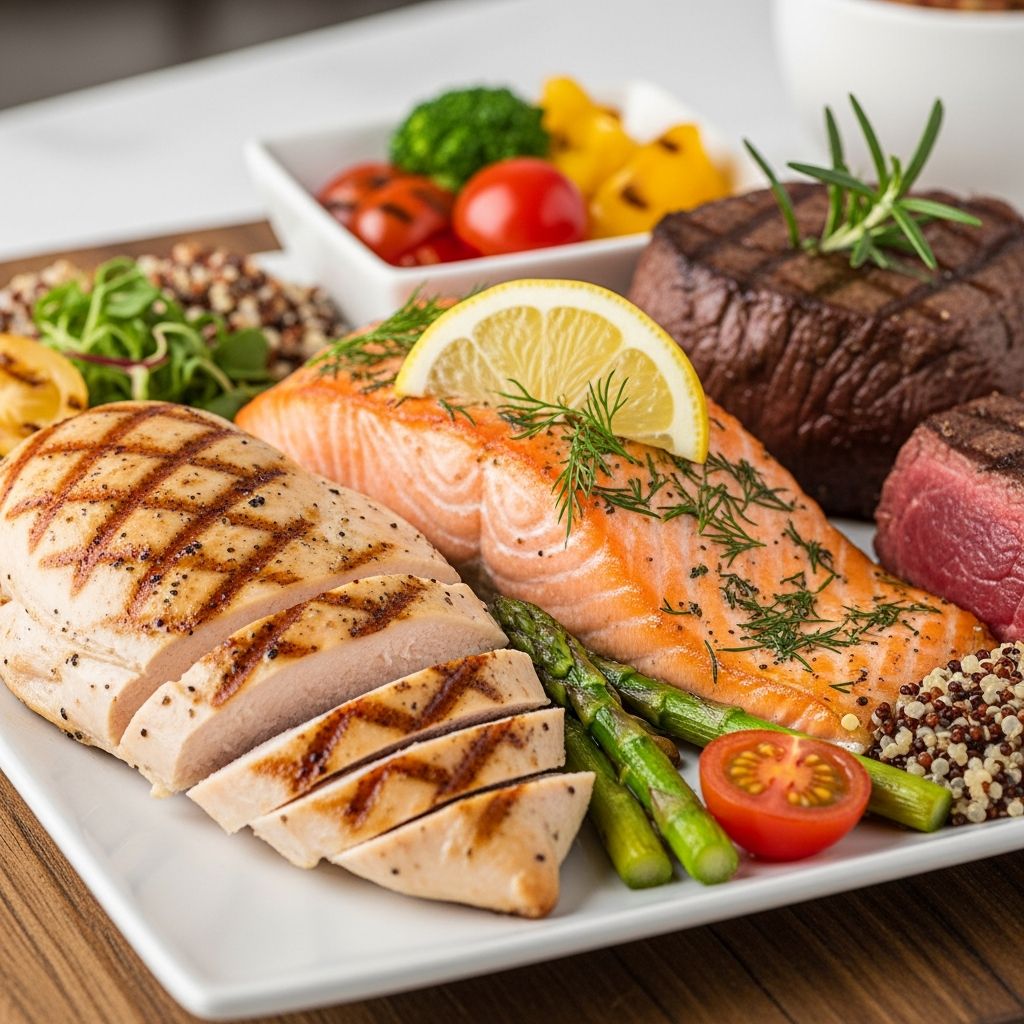
Meats can be a nutrient powerhouse when chosen wisely, providing high-quality protein, essential vitamins, minerals, and healthy fats that support muscle health, immune function, and heart health. While excessive consumption of processed or red meats is linked to chronic diseases, lean, unprocessed options offer significant benefits. Nutritionists prioritize meats low in saturated fats, high in omega-3 fatty acids, and rich in bioactives like zinc, iron, and B vitamins. This guide ranks the healthiest meats based on nutritional profiles, drawing from scientific strategies to enhance meat quality through diet and processing.
Why Meat Can Be Healthy
Meat is not inherently unhealthy; it’s a source of complete protein containing all essential amino acids crucial for tissue repair and growth. It delivers bioavailable iron (heme iron), which is better absorbed than plant sources, preventing anemia, along with zinc for immunity and B vitamins for energy metabolism. Studies show meat’s unsaturated fatty acids contribute to human health, countering myths of meat as purely detrimental. The key is moderation—aim for 3-4 ounces per serving—and selecting cuts modified for better lipid profiles, such as those from animals fed omega-3 enriched diets like canola oil or fish oil, which boost ω-3 content and lower cholesterol.
Healthier meat strategies include animal feeding with antioxidants like vitamin E and selenium, which improve oxidative stability and reduce saturated fats. For instance, vitamin E supplementation protects cell membranes from peroxidation, while organic selenium increases mineral content in muscles like the latissimus dorsi, lowering thiobarbituric acid reactive substances (TBARS) by up to 15.51%. These modifications make standard meats healthier without altering consumption habits.
1. Chicken Breast
**Chicken breast** tops the list as the leanest poultry option, with a 3-ounce serving providing 26 grams of protein, just 3 grams of fat, and only 140 calories. It’s rich in niacin (vitamin B3) for energy production and selenium, an antioxidant that supports thyroid function. Skinless breasts minimize saturated fat intake, making it ideal for heart health.
Nutritional Highlights (per 3 oz cooked skinless):
- Protein: 26g
- Fat: 3g (1g saturated)
- Calories: 140
- Selenium: 40% DV
- Niacin: 50% DV
Cooking tip: Grill or bake at 375°F to retain moisture—marinate with herbs like rosemary to enhance flavor without sodium. Studies on poultry fed herbal extracts show improved proximate composition and sensory qualities, making chicken even juicier and nutrient-dense. Pair with vegetables for a balanced meal reducing overall chronic disease risk.
2. Turkey Breast
Similar to chicken,
turkey breast
is ultra-lean, offering 25g protein per 3 ounces with minimal fat (1-2g). It’s exceptional for B vitamins, particularly B6 and B12, aiding red blood cell formation and nerve health. Ground turkey (93% lean) is versatile for burgers or stir-fries.Why Nutritionists Love It: Low calorie density supports weight management; high protein promotes satiety.
To optimize: Choose organic or pasture-raised for potentially higher omega-3s from natural foraging. Lycopene supplementation in finishing animals improves meat color and juiciness, applicable to turkey for better post-slaughter quality. Avoid processed deli versions laden with nitrates.
3. Bison (Buffalo)
**Bison** is leaner than beef (2g fat per 3 oz vs. 6g in beef sirloin), with 24g protein and higher iron (3mg, 15% DV). Its grass-fed nature yields more omega-3s and conjugated linoleic acid (CLA), linked to fat loss and anti-inflammation.
Game meats like bison benefit from natural diets mimicking wild feeding, improving lipid profiles similar to canola oil-supplemented cattle. Grill rare to medium for tenderness; its lower cholesterol suits cardiovascular diets.
Related Stories



4. Pork Tenderloin
Often overlooked,
pork tenderloin
is as lean as chicken (3g fat, 26g protein per 3 oz), with thiamine (B1) at 54% DV for carbohydrate metabolism. Select loin cuts to avoid fattier chops.Reformulation strategies like adding antioxidants enhance pork’s stability; herbal diets improve technological properties. Sear and roast for optimal texture.
5. Salmon (Wild-Caught)
**Wild salmon** shines with 22g protein, 13g healthy fats (mostly omega-3s like EPA/DHA), and vitamin D (over 100% DV). Omega-3s reduce inflammation and heart disease risk; one serving meets weekly needs.
Farmed salmon has higher contaminants, so prioritize wild Alaskan. Fish oil feeding in pigs yields high ω-3 meat, paralleling salmon’s profile. Bake at 400°F with lemon to preserve fats.
6. Cod
**Cod** is low-fat (1g per 3 oz), high-protein (20g), and loaded with B12 (over 100% DV) and phosphorus for bones. Its mild flavor suits various cuisines.
White fish like cod offer lean protein without red meat’s heme iron overload risks. Poach or steam to keep moist.
7. Tuna (Fresh or Canned in Water)
**Tuna** packs 25g protein and 300mg omega-3s per 3 oz, plus selenium. Limit to 2-3 servings weekly due to mercury.
Opt for skipjack; grill steaks or use water-packed canned. Marine algae additions could enhance future tuna products with antioxidants.
8. Sardines
Small oily fish like
sardines
provide 23g protein, 2g omega-3s, calcium (from bones), and vitamin B12. Sustainable and affordable.Eat canned in olive oil; fucoxanthin from seaweed reduces oxidation in processed fish meats.
9. Venison (Deer)
**Venison** is extremely lean (2g fat, 26g protein), high in iron and zinc. Wild game has superior nutrient density from natural diets.
Marinate to tenderize; akin to bison, grass-fed profiles boost health benefits.
10. Ostrich
**Ostrich** rivals poultry leanness (3g fat, 26g protein), with iron comparable to beef but less fat. Rare in stores but nutrient-rich.
Grill like steak; feeding strategies apply similarly for exotic meats.
How to Make Any Meat Healthier
Enhance meats via:
- Feeding Modifications: Canola oil or fish oil boosts ω-3, reduces saturated fats (e.g., Nelore bulls showed improved ω-6/ω-3 ratio).
- Antioxidants: Vitamin E and organic selenium lower cholesterol and TBARS.
- Reformulation: Algae or fucoxanthin cuts nitrites, adds antioxidants.
- Cooking: Trim fat, use dry heat, portion control.
| Strategy | Animal | Result |
|---|---|---|
| Fish oil (3%) | Male pigs | Highest ω-3 content |
| Canola oil + Vit E | Nelore bulls | Lower sat fats, better ratio |
| Organic Se | Nelore bovine | Higher Se, lower TBARS |
Frequently Asked Questions (FAQs)
Is red meat ever healthy?
Yes, lean wild game like bison or venison is healthier than processed beef due to lower fats and higher nutrients.
How much meat should I eat daily?
3-6 oz total, focusing on variety including fish twice weekly.
What’s healthier: chicken or fish?
Fish for omega-3s; chicken for leanness—rotate both.
Can plant-based diets replace meat?
They can, but meat provides superior bioavailable nutrients like heme iron.
Are processed meats safe occasionally?
Limit; reformulated versions with algae reduce risks.
References
- Strategies for Healthier Meat Foods: An Overview — PMC – NIH. 2024. https://pmc.ncbi.nlm.nih.gov/articles/PMC10987382/
Similar Articles








Read full bio of Sneha Tete