Healthiest Milks According to a Dietitian
Discover the top healthiest milk options ranked by a dietitian, from nutrient-packed plant-based alternatives to dairy choices.
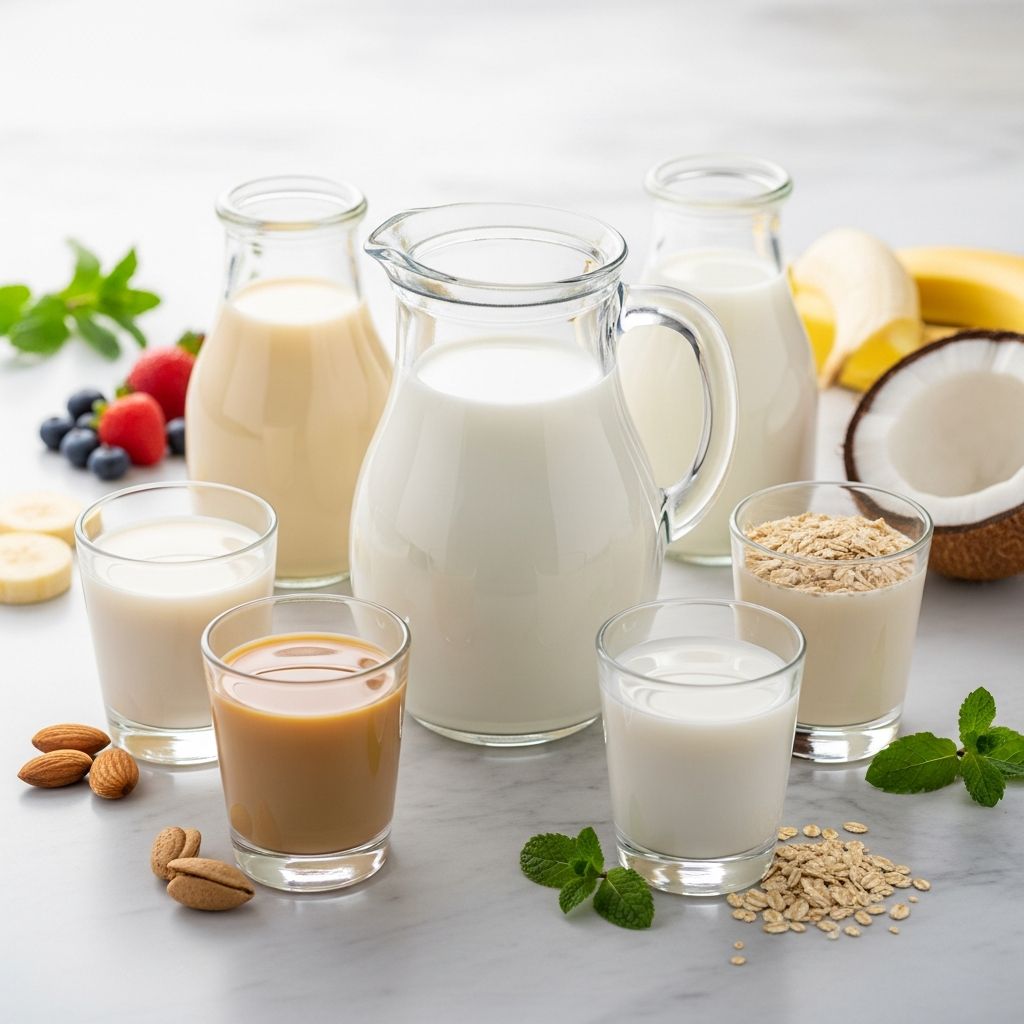
Choosing the right milk can significantly impact your nutrition intake, whether you’re seeking high protein, low calories, or dairy-free options. A registered dietitian evaluates the healthiest milks based on nutrient density, protein content, added sugars, and overall health benefits, drawing from evidence-based comparisons of popular dairy and plant-based varieties.
Why Milk Matters for Your Health
Milk alternatives have exploded in popularity, with oat milk sales surging 700% globally from 2018 to 2019, reflecting a shift toward plant-based options for lactose intolerance, vegan diets, or varied nutritional needs. Key factors for “healthiest” include protein quality, calcium fortification, vitamin content, fiber, healthy fats, and minimal additives. Cow’s milk remains a benchmark for complete protein and micronutrients, but plant milks like hemp and soy offer competitive profiles.
Dietitians prioritize unsweetened versions to avoid excess sugars, which can undermine benefits. For weight management, low-calorie options like almond milk shine, while high-protein choices like soy support satiety. Bone health relies on calcium and vitamin D, often fortified in non-dairy milks, though absorption varies.
1. Hemp Milk
Top Pick for Omega-3s and Heart Health. Hemp milk, made from ground soaked hemp seeds, stands out as one of the healthiest due to its balanced omega-3 and omega-6 fatty acids, protein, and lack of lactose. A 2018 review highlights its potential to lower cholesterol and thyroid hormones, making it ideal for heart health and dairy-free diets.
Per 8-ounce serving (unsweetened): Approximately 70-80 calories, 3g protein, 5g fat (including omegas), 0g sugar. It’s creamy without nuts, safe for tree nut allergies, and provides magnesium for muscle function. Dietitians recommend it for its anti-inflammatory properties from avenanthramides-like compounds in seeds.
- Pros: High healthy fats, protein-rich for plant milk, supports cholesterol reduction.
- Cons: Lower calcium unless fortified; slightly higher calories than almond.
- Best for: Keto, vegan, or anti-inflammatory diets.
2. Oat Milk
Creamy Favorite with Fiber Boost. Oat milk, blended from soaked oats, offers natural sweetness and soluble fiber beta-glucans, which slow digestion, stabilize blood sugar, and lower cholesterol. Its popularity stems from a creamy texture rivaling dairy, with sales booming 71% from 2017-2018.
Nutrition (8 oz unsweetened): 120 calories, 3g protein, 16g carbs (2g fiber), 5g fat, 50% DV B12, 45% DV riboflavin, 25% DV calcium. Avenanthramides (Avns) combat inflammation and oxidative stress. However, high carbs make it less ideal for low-carb diets.
- Pros: Fiber for gut health and fullness; fortified vitamins; allergy-friendly (gluten-free certified options).
- Cons: Higher carbs/sugars; potential glyphosate exposure if not organic.
- Best for: Coffee, smoothies, or those needing sustained energy.
3. Almond Milk
Lowest Calorie, Versatile Choice. Almond milk is water-based with ground almonds, delivering few calories and vitamin E for skin health. Unsweetened versions are dietitian-approved for weight loss, with under 40 calories per cup.
Related Stories



Per 8 oz: 30-40 calories, 1g protein, 1g fat, 15% DV calcium (fortified), often with A and D vitamins. It’s neutral-tasting and widely available, but low protein limits its use as a meal replacement.
- Pros: Ultra-low calories; heart-healthy vitamin E; nutty flavor.
- Cons: Low protein; environmental concerns from water-intensive almonds; not for nut allergies.
- Best for: Calorie-controlled diets, cereal, lattes.
4. Soy Milk
Protein Powerhouse Mimicking Dairy. Soy milk, from soybeans, is the closest plant match to cow’s milk nutritionally, with complete protein from all essential amino acids. It’s fortified similarly and may improve cholesterol and blood pressure.
Per 8 oz unsweetened: 80-100 calories, 7-8g protein, 4g fat, 25-30% DV calcium, B12, D. Despite GMO concerns, studies affirm safety and benefits. Dietitians rank it high for muscle maintenance.
- Pros: High complete protein; heart benefits; budget-friendly.
- Cons: Potential estrogen mimicry myths debunked; taste divisive.
- Best for: Vegans needing protein, cooking, baking.
5. Cow’s Milk
Nutrient-Dense Dairy Standard. Whole cow’s milk provides high-quality protein, natural calcium, B vitamins, and bioactive peptides for immunity. Reduced-fat versions (skim, 1%) cut calories while retaining nutrients.
| Type | Calories (8 oz) | Protein | Calcium %DV |
|---|---|---|---|
| Whole | 150 | 8g | 28% |
| Skim | 80-90 | 8g | 30% |
| 2% | 120 | 8g | 29% |
Superior for bone health in children/adults, but lactose issues affect 65% globally. A2 milk variant eases digestion for some.
- Pros: Complete nutrition; versatile; research-backed for growth.
- Cons: Lactose intolerance; saturated fat in whole.
- Best for: Families, athletes, non-allergic.
6. Coconut Milk (Canned or Carton)
Flavorful but Moderate Use. From coconut flesh, it’s rich in MCTs for quick energy but high in saturated fat. Carton versions are diluted and lower calorie.
Per 8 oz carton: 45 calories, 0g protein, 4.5g fat, fortified calcium. Beverage form suits nut-free needs; avoid sweetened canned for curries.
- Pros: MCTs for metabolism; tropical taste; nut-allergy safe.
- Cons: Low protein; high sat fat if full-strength.
- Best for: Occasional use in recipes, keto.
7. A2 Milk
Digestive-Friendly Dairy Alternative. From A2 beta-casein cows, it reduces bloating vs. standard A1 milk for sensitive stomachs. Nutrition mirrors regular cow’s milk.
- Pros: Easier digestion; same high protein/calcium.
- Cons: Still dairy; pricier.
- Best for: Lactose-sensitive dairy lovers.
How to Choose the Healthiest Milk for You
Match to goals: Weight loss? Almond or skim. Protein? Soy or cow’s. Sustainability? Oat or hemp. Always opt unsweetened, check fortification, and consider allergies. Blend into smoothies or oats for max nutrition.
Nutrition Comparison Table
| Milk Type | Calories (8oz Unsweet) | Protein (g) | Calcium %DV | Key Benefit |
|---|---|---|---|---|
| Hemp | 70-80 | 3 | 20-25 | Omegas |
| Oat | 120 | 3 | 25 | Fiber |
| Almond | 30-40 | 1 | 45 | Low-cal |
| Soy | 80 | 7 | 30 | Protein |
| Cow (Skim) | 90 | 8 | 30 | Complete nutrition |
| Coconut | 45 | 0 | 25 | MCTs |
| A2 | 120 (2%) | 8 | 29 | Digestion |
Frequently Asked Questions (FAQs)
What is the absolute healthiest milk?
Hemp or soy milk top lists for balanced nutrition without dairy drawbacks, but cow’s skim excels for protein and calcium if tolerated.
Is oat milk healthy?
Yes, for fiber and creaminess, but choose unsweetened to limit carbs.
Which milk is best for weight loss?
Unsweetened almond or skim milk for lowest calories; soy for satiety.
Is plant milk better than dairy?
Depends: Plant for allergies/ethics; dairy for superior protein.
Should I avoid cow’s milk?
Not unless intolerant; it’s nutrient-rich. Try A2 for mild issues.
References
- The 7 Healthiest Milk Options — Healthline (Medically reviewed by Jerlyn Jones, MS MPA RDN LD CLT). 2024-12-20. https://www.healthline.com/nutrition/healthiest-milk
- Your Guide to the Best and Worst Milks for Weight Loss — Nuvance Health. 2024 (approx., recent). https://www.nuvancehealth.org/health-tips-and-news/your-guide-to-the-best-and-worst-milks-for-weight-loss
- The Great Milk Debate of 2024: Which Milk Is Healthier? — CU Anschutz News. 2024. https://news.cuanschutz.edu/news-stories/the-great-milk-debate-of-2024-which-milk-is-healthier
Similar Articles








Read full bio of Sneha Tete