Healthiest Milks: 7 Top Picks For A Nutrient Boost
Discover the healthiest milks ranked by nutritionists, from dairy to plant-based options for every diet and health goal.
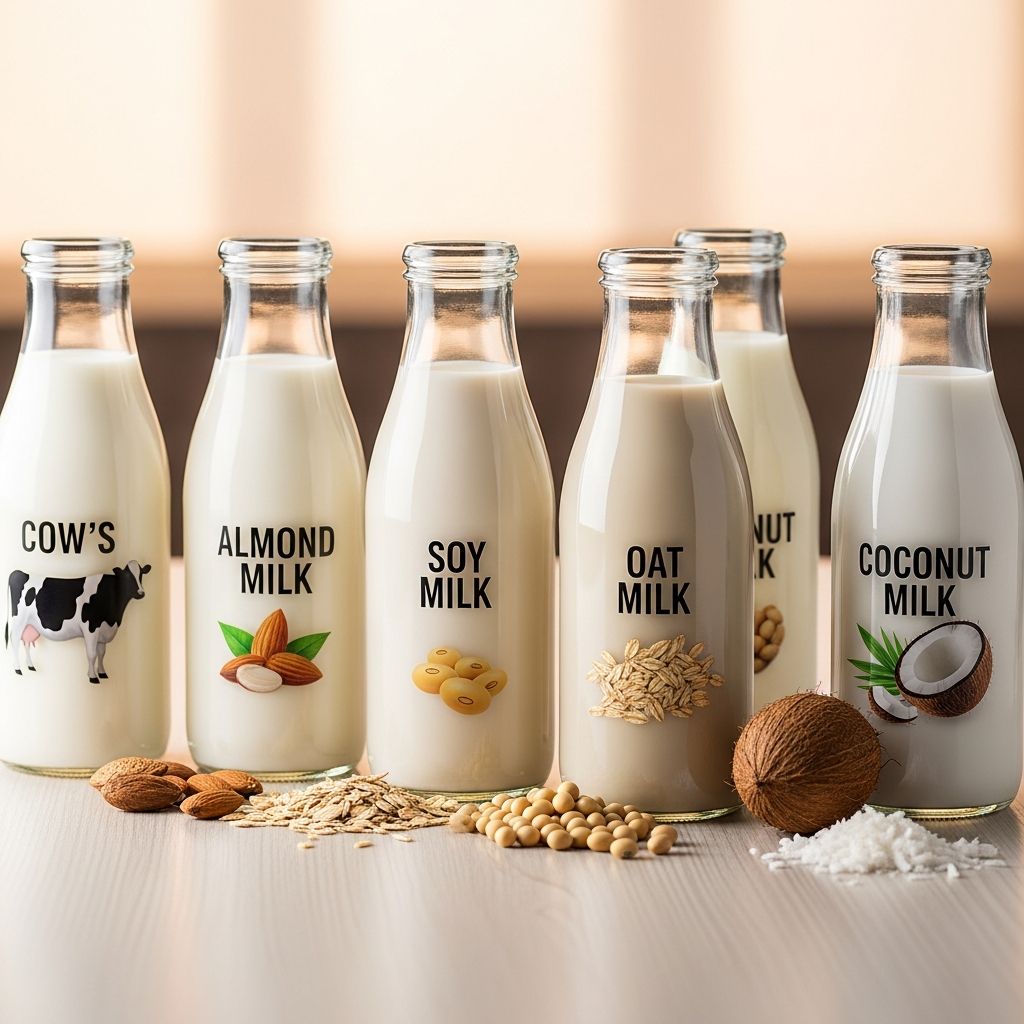
Choosing the right milk can significantly impact your nutrition. With options ranging from traditional cow’s milk to innovative plant-based alternatives, the best choice depends on your dietary needs, allergies, and health goals. Nutritionists rank milks based on protein content, vitamins, minerals, calories, and overall nutrient density. This guide covers the top healthiest milks, their nutritional profiles, benefits, and considerations to help you make informed decisions.
What Makes a Milk “Healthy”?
A healthy milk provides essential nutrients like protein for muscle repair, calcium for bone health, vitamins (such as B12, D, and A) for immunity and energy, and healthy fats without excess sugars or additives. Plant-based milks often excel in low calories and allergen-friendliness, while dairy offers complete proteins and natural fortification. Key factors include low added sugars, high nutrient bioavailability, and suitability for conditions like lactose intolerance or heart disease. Always opt for unsweetened varieties and check labels for fortifications.
1. Hemp Milk
Hemp milk, made from ground and soaked hemp seeds, stands out for its balanced omega-3 and omega-6 fatty acids, which support heart health and reduce inflammation. It’s naturally lactose-free and rich in protein compared to many plant milks. A 2018 review highlights its potential to lower cholesterol and thyroid hormones, making it ideal for cardiovascular wellness.
Nutrition per 8 oz (240 mL) unsweetened:
- Calories: 60-120
- Protein: 3-4 g
- Carbs: 1-16 g
- Fat: 5 g (unsaturated, including omegas)
- Fiber: 2 g
- Vitamin B12: 50% DV
- Riboflavin: 45% DV
Pros: Heart-healthy fats, good protein for plant milk, supports gut health via arginine.
Cons: Can be pricier; nutty flavor may not appeal to all.
Best for: Heart health, vegan diets, those seeking omega balance.
2. Oat Milk
Oat milk, derived from oats and water, is creamy and popular in coffee. It’s high in soluble fiber (beta-glucans), which lowers cholesterol, supports gut health, and promotes satiety for weight management. Fortified versions provide calcium and vitamins comparable to dairy.
Nutrition per 8 oz (240 mL) unsweetened:
- Calories: 120
- Protein: 3 g
- Carbs: 16 g
- Fat: 5 g
- Fiber: 2 g
- Calcium: Often 30-50% DV (fortified)
Pros: Creamy texture, heart-healthy fiber, sustainable ingredient.
Cons: Higher carbs may spike blood sugar; not ideal for low-carb diets.
Best for: Gut health, cholesterol control, eco-conscious consumers.
3. Almond Milk
Almond milk is low-calorie and low-carb, making it a top pick for weight loss. It’s rich in vitamin E (an antioxidant) and often fortified with calcium and D. Unsweetened versions minimize sugar intake.
Nutrition per 8 oz (240 mL) unsweetened:
- Calories: 30-40
- Protein: 1 g
- Carbs: 1-2 g
- Fat: 3 g (healthy unsaturated)
- Calcium: 45% DV (fortified)
- Vitamin E: High natural source
Pros: Low calorie, supports weight maintenance, nut allergy-safe if labeled.
Cons: Low protein; environmental concerns with almond farming water use.
Best for: Weight loss, low-carb/keto diets.
Related Stories



4. Coconut Milk (from carton, not can)
Carton coconut milk offers a tropical flavor with medium-chain triglycerides (MCTs) like lauric acid, which may boost immunity and metabolism. It’s low-carb and safe for tree nut allergies despite the name.
Nutrition per 8 oz (240 mL) unsweetened:
- Calories: 40-50
- Protein: <1 g
- Carbs: 1-2 g
- Fat: 4-5 g (MCTs)
- Potassium: High for blood pressure regulation
Pros: Antimicrobial benefits, quick energy from MCTs.
Cons: Low protein; saturated fat content.
Best for: Immune boost, low-carb diets, flavor variety.
5. Cow’s Milk
Cow’s milk remains a nutritional powerhouse with high-quality complete protein, natural calcium, and B vitamins. Whole milk provides healthy fats, while skim options suit calorie counters. Often fortified with A and D.
Nutrition per 8 oz (240 mL) whole:
- Calories: 150
- Protein: 8 g
- Carbs: 12 g
- Fat: 8 g
- Calcium: 28-30% DV
- Protein: 8 g (complete)
- Vitamin B12: 36-46% DV
- Phosphorus: 32% DV
Pros: Best protein and calcium source, muscle-building.
Cons: Lactose issues for 65% of adults; higher calories in full-fat.
Best for: Bone health, athletes, growing children.
6. A2 Milk
A2 milk comes from cows producing only A2 beta-casein protein, potentially easier to digest than standard A1 cow’s milk, reducing bloating for some. It mirrors cow’s milk nutrition.
Nutrition: Similar to cow’s milk (8g protein, high calcium).
Pros: Better tolerance for dairy-sensitive; same nutrients.
Cons: More expensive; benefits vary individually.
Best for: Lactose-intolerant or A1-sensitive dairy lovers.
7. Soy Milk
Soy milk is the closest plant-based match to cow’s milk, with complete protein from soybeans. Fortified options provide calcium, D, and B12; may support heart health.
Nutrition per 8 oz (240 mL) unsweetened:
- Calories: 80-100
- Protein: 7-8 g
- Carbs: 4 g
- Fat: 4 g
- Calcium: 30% DV (fortified)
Pros: High protein for satiety, heart benefits.
Cons: Potential hormone concerns (isoflavones); GMO issues.
Best for: Vegans needing protein, weight loss.
Nutrition Comparison Table
| Milk Type | Calories (8oz unsweet) | Protein (g) | Calcium (%DV) | Best For |
|---|---|---|---|---|
| Hemp | 60-120 | 3-4 | Fortified | Heart health |
| Oat | 120 | 3 | 30-50% | Gut health |
| Almond | 30-40 | 1 | 45% | Weight loss |
| Coconut | 40-50 | <1 | Fortified | Immunity |
| Cow’s (whole) | 150 | 8 | 28-30% | Bone health |
| A2 | 150 | 8 | 28-30% | Digestion |
| Soy | 80-100 | 7-8 | 30% | Protein boost |
Data averaged from sources; fortified values vary by brand.
How to Choose the Healthiest Milk for You
Consider lactose tolerance (opt plant-based), protein needs (cow’s/soy), calories (almond/oat low), or allergies. Prioritize unsweetened, fortified options. For weight loss, low-cal like almond; for bones, cow’s milk leads in absorbable calcium.
Frequently Asked Questions (FAQs)
What is the healthiest milk overall?
Cow’s milk for complete nutrition, but hemp or soy for plant-based due to protein and omegas.
Which milk is best for weight loss?
Almond milk: lowest calories at 30-40 per cup.
Is plant milk healthier than dairy?
Not always; dairy has superior protein, but plants suit intolerances and vegans.
Which milk has the most protein?
Cow’s and soy: 8g per cup.
Best milk for lactose intolerance?
Lactose-free cow’s, A2, or any plant-based like oat/almond.
Expert Tips from Dietitians
- Read labels: Avoid added sugars >5g/serving.
- Fortification matters: Look for calcium, D, B12.
- Pair with diet: Use high-protein for meals, low-cal for drinks.
- Sustainability: Oat/hemp often more eco-friendly than almond.
References
- The 7 Healthiest Milk Options — Healthline. 2024-12-20. https://www.healthline.com/nutrition/healthiest-milk
- The Healthiest Milk Alternatives to Consider for Your Nutrition Plan — Anytime Fitness. N/A. https://www.anytimefitness.com/blog/healthiest-milk-alternatives-to-consider-for-your-nutrition-plan
- Healthiest Milk: 9 Dairy and Plant-Based Options — ZOE. 2024-03-15. https://zoe.com/learn/healthiest-milk
- Your Guide to the Best and Worst Milks for Weight Loss — Nuvance Health. N/A. https://www.nuvancehealth.org/health-tips-and-news/your-guide-to-the-best-and-worst-milks-for-weight-loss
Similar Articles








Read full bio of Sneha Tete