Healthiest Nut Butter: 6 Best Options Backed By Experts
Dietitians rank the best nut butters for health benefits, from heart-healthy fats to protein-packed options.
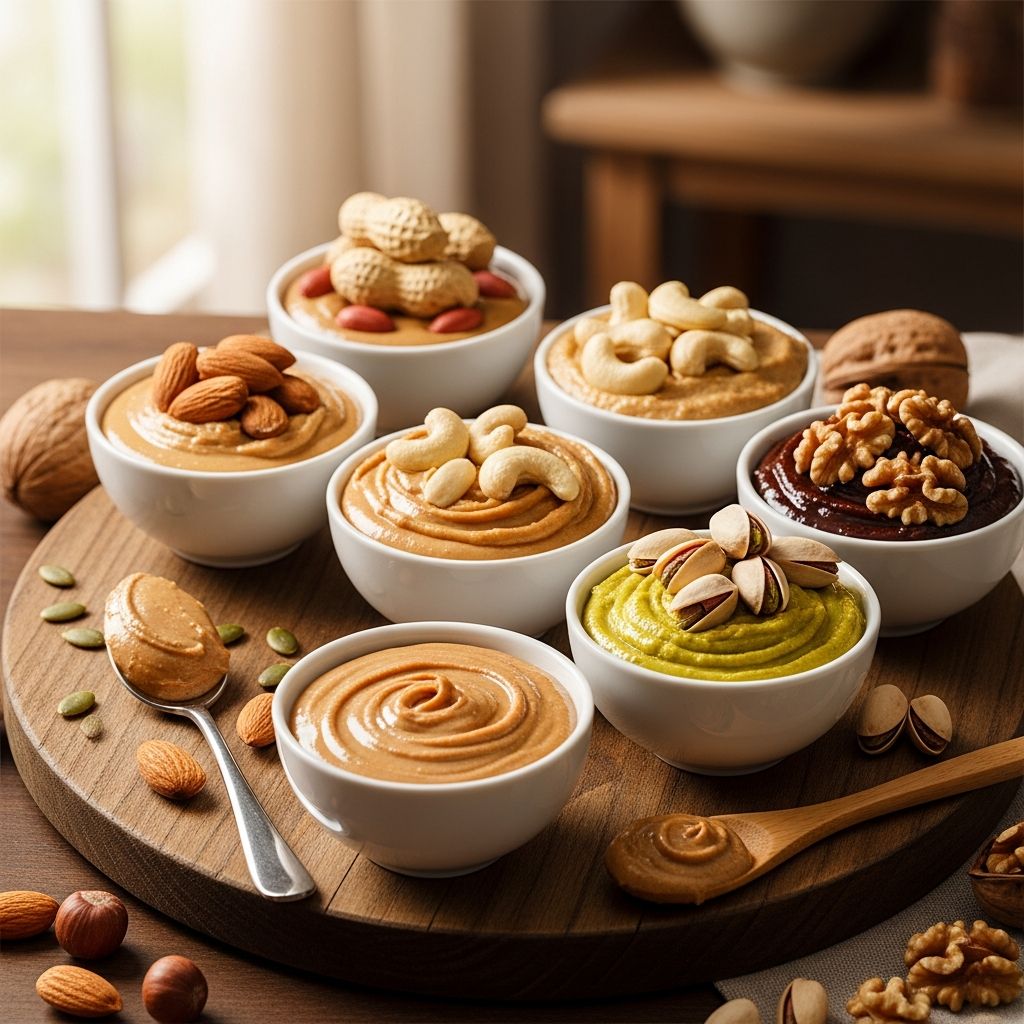
Nut butters are a versatile, nutrient-dense addition to any diet, offering healthy fats, protein, fiber, and essential vitamins and minerals. But not all nut butters are created equal. Factors like fat profile, protein content, added ingredients, and specific micronutrients determine which ones deliver the most health benefits. Dietitians and nutrition experts consistently highlight
almond butter
as the top choice due to its rich vitamin E, magnesium, fiber, and monounsaturated fats, with peanut butter a close second for its protein and affordability. This guide ranks the healthiest nut butters, breaks down their nutrition, and shares expert tips for selection and use.What Makes a Nut Butter Healthy?
The healthiest nut butters prioritize whole, minimally processed nuts without added sugars, hydrogenated oils, or excessive salt. Look for products listing only nuts (or nuts and salt) on the label. Key nutritional perks include monounsaturated and polyunsaturated fats for heart health, protein for satiety, fiber for digestion, and antioxidants like vitamin E and selenium.
- Heart-healthy fats: Monounsaturated fats (e.g., oleic acid) lower LDL cholesterol.
- Protein and fiber: Promote fullness and stable blood sugar.
- Micronutrients: Magnesium for muscle function, vitamin E for skin and immunity.
- Avoid: Added sugars (>2g per serving), palm oil, or hydrogenated fats.
Per 2-tablespoon serving (about 32g), most provide 180-200 calories, 16-20g fat, 3-8g protein, and 2-4g fiber. Seed butters like sunflower offer allergy-friendly alternatives.
Healthiest Nut Butters, Ranked by Experts
Based on input from registered dietitians, culinary scientists, and health organizations, here’s how popular nut butters stack up. Rankings consider overall nutrient density, fat quality, and versatility.
1. Almond Butter
**Top-ranked for its balanced nutrition.** Almond butter shines with heart-healthy monounsaturated fats, high vitamin E (antioxidant for skin and immunity), magnesium (supports energy and bones), calcium, and fiber. It has half the saturated fat of peanut butter and 7g protein per serving.
- Calories: 200 | Fat: 18g (mostly unsaturated) | Protein: 7g | Fiber: 4g
- Standout nutrient: 7x more calcium than peanut butter; 50% more magnesium.
- Health perks: Lowers LDL cholesterol, aids weight management.
Expert quote: “Rich in vitamin E, magnesium, and heart-healthy monounsaturated fats,” says nutritionist Jessica Cording. Use in smoothies, oatmeal, or on toast.
2. Peanut Butter
**Affordable protein powerhouse.** Despite slightly higher saturated fat, peanut butter offers the most protein (8g per serving), folate, niacin for metabolism, and fiber. It’s rich in antioxidants and regulates cholesterol via unsaturated fats.
- Calories: 190 | Fat: 16g | Protein: 8g | Fiber: 3g
- Standout nutrient: High folate and niacin for cell growth.
- Health perks: Supports heart health, muscle repair; great for athletes.
Pair with fruit for balanced snacks. Nutritionist Caoilfhionn Gilvarry notes its role in metabolism.
3. Walnut Butter
**Omega-3 leader.** Walnuts provide the highest plant-based omega-3s (ALA), reducing inflammation, LDL cholesterol, and boosting HDL. Though lower in protein (4-5g), it’s ideal for brain and heart health.
- Calories: 200 | Fat: 19g (high omega-3) | Protein: 4g | Fiber: 2g
- Health perks: Anti-inflammatory; thyroid support.
Cedars-Sinai expert Andrea recommends it for smoothies.
4. Pistachio Butter
**Low-fat, mineral-rich.** With only 13g fat per serving, it’s cholesterol-free and packed with potassium, fiber, copper for bones, and 6g protein. Supports heart and immune health.
Related Stories



- Calories: 180 | Fat: 13g | Protein: 6g
5. Cashew Butter
**Creamy and copper-packed.** High monounsaturated fats, 80% daily copper, magnesium, and biotin for hair/skin. Lower calcium but heart-friendly.
- Calories: 190 | Fat: 16g | Protein: 5g
6. Sunflower Seed Butter
**Allergy-friendly superstar.** More fiber, magnesium, vitamin E, zinc, copper, and selenium than many nut butters. Reduces cholesterol; nut-free option.
- Taste: Earthy, bold.
7. Other Notables: Pumpkin Seed, Soy, Hazelnut, Brazil Nut, Macadamia
- Pumpkin Seed Butter: High protein, zinc for immunity; nutty taste.
- Soy Nut Butter: 6.6g protein, complete amino acids; allergy alternative.
- Hazelnut: Heart and nervous system support.
- Brazil Nut: Selenium for thyroid.
- Macadamia: Lowest carbs, high healthy fats for blood sugar.
- Coconut Butter: Lauric acid for energy, but highest saturated fat—use sparingly.
Nut Butter Nutrition Comparison
| Nut/Seed Butter | Calories (2 tbsp) | Fat (g) | Protein (g) | Fiber (g) | Key Benefit |
|---|---|---|---|---|---|
| Almond | 200 | 18 | 7 | 4 | Vitamin E, Calcium |
| Peanut | 190 | 16 | 8 | 3 | Folate, Affordable |
| Walnut | 200 | 19 | 4 | 2 | Omega-3s |
| Pistachio | 180 | 13 | 6 | 3 | Low-fat, Potassium |
| Cashew | 190 | 16 | 5 | 1 | Copper, Biotin |
| Sunflower Seed | 200 | 18 | 6 | 3 | Vitamin E, Zinc |
Data approximated from expert sources. Values vary by brand.
How to Choose the Healthiest Nut Butter
Opt for jars with just nuts or nuts + salt. Stir natural separation—it’s a sign of no additives. Store brands like store-natural lines are budget-friendly; premium picks include MaraNatha or Once Again. Check labels: <2g sugar, no hydrogenated oils. Experts like Brianna Sommer advise DIY flavoring with honey.
Nut Butter Serving Sizes and Storage
Stick to 1-2 tbsp daily to manage calories. Refrigerate after opening for 2-3 months; natural oils separate but are healthy. Freeze for longer storage.
Healthy Nut Butter Recipes and Uses
- Spread on apple slices or celery.
- Stir into oatmeal or yogurt.
- Blend in smoothies or energy balls.
- Use in sauces, dressings, or baking.
Frequently Asked Questions (FAQs)
What is the healthiest nut butter?
Almond butter tops most lists for its vitamin E, magnesium, fiber, and monounsaturated fats.
Is peanut butter healthy?
Yes, it’s high in protein (8g/serving), folate, and affordable, though choose natural varieties.
Which nut butter is best for weight loss?
Almond or pistachio for fiber and satiety; portion control is key.
Are seed butters healthier than nut butters?
Not necessarily, but sunflower or pumpkin offer similar benefits and are allergy-safe.
How much nut butter per day?
1-2 tablespoons to gain benefits without excess calories.
References
- We Asked 5 Experts For The Healthiest Nut Butter & They All Agreed — Delish. 2024-10-01. https://www.delish.com/food/a69072075/healthiest-nut-butter-according-to-experts/
- Ultimate Guide to Every Healthy Nut Butter — Best Health Magazine Canada. 2023-05-15. https://www.besthealthmag.ca/list/guide-healthy-nut-butter/
- Nut Butters: Which One Is Healthiest? — Cedars-Sinai. 2024-01-10. https://www.cedars-sinai.org/stories-and-insights/expert-advice/nut-butters
- Nut Butter Guide: 10 Types of Nut Butter — Food to Live. 2023-11-20. https://foodtolive.com/healthy-blog/nut-butter-guide-10-types-of-nut-butter/
- Healthiest Nut Butters Ranked — House of Macadamias. 2024-03-05. https://www.houseofmacadamias.com/blogs/news/healthiest-nut-butters-ranked
Similar Articles








Read full bio of medha deb