Healthiest Oats: Types, Benefits & Nutrition Guide
Discover the healthiest oat varieties and their remarkable benefits for heart, gut, and metabolic health.
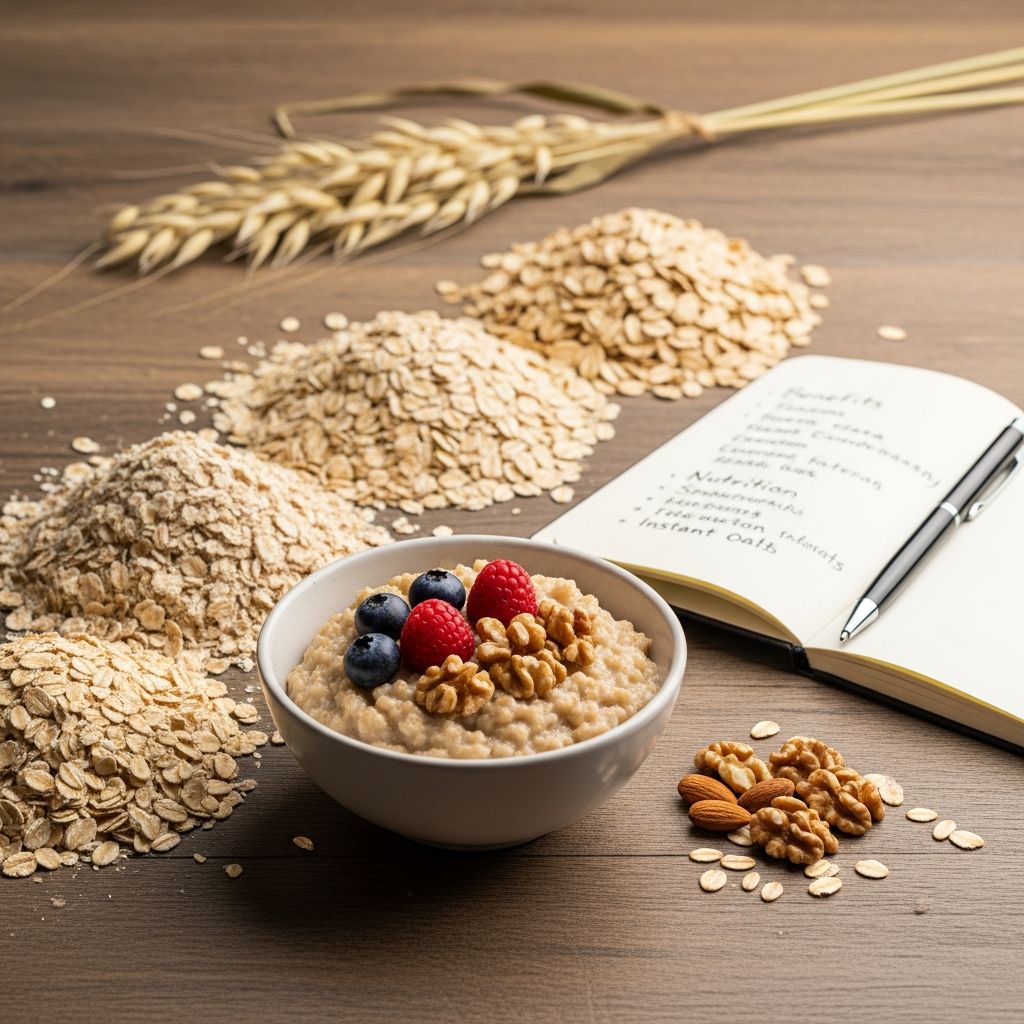
Oats have long been recognized as one of the most nutritious whole grains available, offering a remarkable combination of essential nutrients, fiber, and bioactive compounds that support multiple aspects of health. Whether you’re looking to improve heart health, stabilize blood sugar levels, or support gut wellness, understanding the different types of oats and their unique nutritional profiles can help you make the best choice for your dietary goals.
Why Oats Are So Healthy
The exceptional health benefits of oats stem from their unique nutritional composition and bioactive compounds. Oats are an excellent source of complex carbohydrates, soluble fiber, and balanced protein, making them one of the few grains that provide a comprehensive nutritional profile across all macronutrient categories.
One of the most significant components in oats is beta-glucan, a type of soluble fiber that forms a viscous gel in the digestive tract. This remarkable compound has been extensively studied and linked to numerous health benefits, including improved heart health, better blood sugar control, enhanced gut health, and immune support. Additionally, oats naturally contain avenanthramides, a unique class of antioxidant polyphenols found in few other cereal grains, which provide anti-inflammatory and cardiovascular benefits.
Oats are also naturally low in sugar and gluten-free, making them an accessible option for various dietary needs. However, those with celiac disease should select certified gluten-free varieties to avoid cross-contamination during processing.
Key Nutrients Found in Oats
A half-cup serving of dry rolled oats provides an impressive array of essential vitamins, minerals, and micronutrients. Here’s what makes oats so nutrient-dense:
- Manganese: Oats are among the highest dietary sources of this trace mineral, with one half-cup serving providing twice the recommended daily allowance, supporting metabolism, bone health, and inflammatory balance
- Magnesium: Supports muscle function, energy production, and bone strength
- Phosphorus: Works with magnesium to strengthen bones and support mineral balance
- Copper: Essential for collagen formation and immune function
- Zinc: Supports immune health and wound healing
- Selenium: A powerful antioxidant that protects cells from damage
- Vitamin B1 (Thiamin): Crucial for energy metabolism and nerve function
- Vitamin E: Oats contain both tocopherols and tocotrienols, forms of this protective antioxidant vitamin
- Essential Amino Acids: Oats offer all essential amino acids, making them a valuable protein source for vegetarians and vegans
Beyond basic vitamins and minerals, oats contain over 40 different types of avenanthramides and other phytonutrients not found in other cereal grains, offering specialized health-promoting properties.
Types of Oats: Understanding the Differences
Not all oats are created equal. The processing method significantly impacts nutrient retention and glycemic response. Here’s a breakdown of the main oat varieties:
Whole Oat Groats (Oat Kernels)
Whole oats, or oat groats, represent the most intact and unprocessed form of oats. These contain all three components of a grain kernel: the bran (fiber-rich outer layer), the germ (nutrient-dense core), and the endosperm (carbohydrate source). Because they retain the bran, whole oats deliver maximum fiber content, including beta-glucans, along with all associated vitamins and minerals. However, they require longer cooking times (30-40 minutes) compared to other varieties.
Related Stories



Steel-Cut Oats
Also called Irish oats, steel-cut oats are whole oat groats that have been chopped into smaller pieces using steel blades. This minimal processing preserves most of the fiber and nutritional content while reducing cooking time to approximately 20-30 minutes. Steel-cut oats have a lower glycemic index than quick oats, meaning they cause a more gradual rise in blood sugar.
Rolled Oats (Old-Fashioned Oats)
Rolled oats are steamed whole oat groats that have been flattened with large rollers. While this processing removes some fiber compared to steel-cut varieties, rolled oats still retain significant nutritional value and beta-glucan content. They cook quickly (5-10 minutes) and have a lower glycemic index than instant varieties. One half-cup serving provides approximately 165 calories, 4 grams of fiber, and 6 grams of protein.
Quick Oats (Instant Oats)
Quick oats are rolled oats that have been cut into smaller pieces to reduce cooking time further. While they offer similar nutritional profiles to rolled oats, instant varieties are often heavily processed and may contain added sugars and artificial ingredients. When selecting instant oats, choose unsweetened varieties to avoid excess sugar.
Ancient Oat Varieties
Less commonly available but increasingly recognized for their superior nutritional properties are ancient oat varieties such as Avena Strigosa and Avena Fatua. These heritage varieties offer distinct advantages including better overall nutritional profiles, relatively higher protein content, more balanced amino acid composition, and unique phytonutrients not found in modern strains. Ancient oats also contain high levels of resistant starch alongside low levels of digestible starch, making them a low glycemic index food ideal for blood sugar management.
Health Benefits of Oats
Heart Health and Cholesterol Management
One of the most well-documented benefits of oat consumption is their powerful effect on cardiovascular health. The beta-glucan soluble fiber in oats effectively lowers both LDL (bad) cholesterol and total cholesterol levels, which directly reduces the risk of heart disease. In one clinical study of 80 people with high cholesterol, consuming 70 grams of oats for just 28 days reduced total cholesterol by 8% and LDL cholesterol by 11%.
Additionally, avenanthramides in oats may enhance nitric oxide production, which improves blood pressure, vascular elasticity, and overall blood vessel function. Regular oat consumption has been associated with a significantly lower risk of cardiovascular disease.
Blood Sugar Balance and Diabetes Prevention
For individuals concerned about blood sugar management, oats offer remarkable benefits. The viscous nature of beta-glucan fiber slows carbohydrate digestion and glucose absorption, promoting steady blood sugar levels and reducing the risk of type 2 diabetes. Secondary mechanisms include beta-glucan’s potential ability to downregulate glucose transporter expression, further supporting healthy blood glucose control. Whole grain oats have been shown to improve post-prandial (after-meal) blood sugar balance and reduce overall diabetes risk.
Gut Health and Microbiota Support
Emerging research demonstrates that oats significantly benefit digestive and gut health. Beta-glucan fiber acts as a prebiotic, promoting the growth of beneficial bacteria such as L. reuteri and Akkermansia muciniphilia, which are associated with improved gut barrier function. Oat consumption increases short-chain fatty acid (SCFA) production, including acetate, propionate, and butyrate, which support intestinal health and reduce inflammation. These changes in gut microbiota help attenuate obesity and obesity-related metabolic disorders.
Weight Management and Satiety
The combination of fiber and protein in oats promotes feelings of fullness and satiety, helping to reduce overall calorie intake and support healthy weight management. The beta-glucan fiber slows digestion, providing sustained energy and preventing rapid blood sugar spikes that can trigger hunger. Additionally, fiber-rich foods reduce the likelihood of overeating and help lower the risk of obesity and chronic diseases.
Immune Support
Beta-glucans in oats have demonstrated anti-inflammatory, anti-cancer, and immune-modulating properties. These compounds are recognized directly by the innate immune system, with multiple immune cells including neutrophils, macrophages, and dendritic cells expressing beta-glucan-sensitive receptors. This interaction activates immune responses that support overall health and disease prevention.
How to Choose the Healthiest Oats
To maximize the nutritional benefits of oats, follow these evidence-based guidelines:
- Choose unrefined whole grain oats: Opt for whole oat groats, steel-cut oats, and rolled oats, which retain most of their fiber content and nutritional value
- Minimize processing: Less processed varieties preserve more beta-glucan and other beneficial compounds
- Avoid added sugars: Select plain, unsweetened oats and add your own sweeteners such as fresh fruit, honey, or cinnamon
- Check for certifications: If you have celiac disease, ensure your oats are certified gluten-free to prevent cross-contamination
- Read ingredient lists: Look for products with minimal ingredients—ideally just oats
- Pair with nutrient-dense foods: Combine oats with low-fat, low-sugar ingredients for a balanced breakfast
Nutritional Comparison Table
| Oat Type | Processing Level | Cooking Time | Glycemic Index | Fiber Retention |
|---|---|---|---|---|
| Whole Oat Groats | Minimal | 30-40 min | Low | Maximum |
| Steel-Cut Oats | Minimal | 20-30 min | Low | High |
| Rolled Oats | Moderate | 5-10 min | Low-Medium | High |
| Quick Oats | High | 1-3 min | Medium | Moderate |
| Instant Oats (Sweetened) | Very High | 1-2 min | High | Low |
| Ancient Oat Varieties | Minimal | Variable | Very Low | Maximum |
Frequently Asked Questions
Q: Are oats truly gluten-free?
A: Oats are naturally gluten-free. However, people with celiac disease should choose certified gluten-free varieties, as cross-contamination can occur during harvesting and processing.
Q: How much beta-glucan is needed for health benefits?
A: While specific recommendations vary, consuming oats regularly as part of a balanced diet provides meaningful amounts of beta-glucan. The research showing cholesterol reduction involved 70 grams of oats daily.
Q: Can oats help with weight loss?
A: Yes. The fiber and protein content in oats promote satiety and slow digestion, helping reduce overall calorie intake and supporting weight management goals.
Q: What’s the difference between rolled and steel-cut oats nutritionally?
A: While both retain high nutritional value, steel-cut oats undergo slightly less processing and have a marginally lower glycemic index. However, rolled oats remain an excellent choice with similar nutritional profiles.
Q: Are ancient oat varieties worth seeking out?
A: Ancient oat varieties offer additional nutritional advantages, including higher protein content, unique phytonutrients, and a lower glycemic index, making them particularly beneficial for blood sugar management.
References
- Nutrition and Potential Health Benefits of Oats — Wholistic Matters. Accessed January 2026. https://wholisticmatters.com/health-benefits-of-oats/
- Start Your Day with Healthy Oatmeal — Mayo Clinic Health System. Accessed January 2026. https://www.mayoclinichealthsystem.org/hometown-health/speaking-of-health/start-your-day-with-healthy-oatmeal
- Choosing Oat-Based Foods Wisely for Best Nutritional Benefits — Centre for Food Safety, Hong Kong. Accessed January 2026. https://www.cfs.gov.hk/english/multimedia/multimedia_pub/multimedia_pub_fsf_224_02.html
- Rolled vs Steel-Cut vs Quick Oats: What’s the Difference? — Healthline. Accessed January 2026. https://www.healthline.com/nutrition/rolled-vs-steel-cut-oats
- A Review of Health-Beneficial Properties of Oats — National Center for Biotechnology Information (NCBI), PubMed Central. Accessed January 2026. https://pmc.ncbi.nlm.nih.gov/articles/PMC8625765/
Similar Articles








Read full bio of medha deb