Healthiest Oils For Cooking And Frying: 6 Best Oils To Use
Discover the best cooking oils for high-heat frying, sautéing, and baking to boost heart health and minimize harmful compounds.
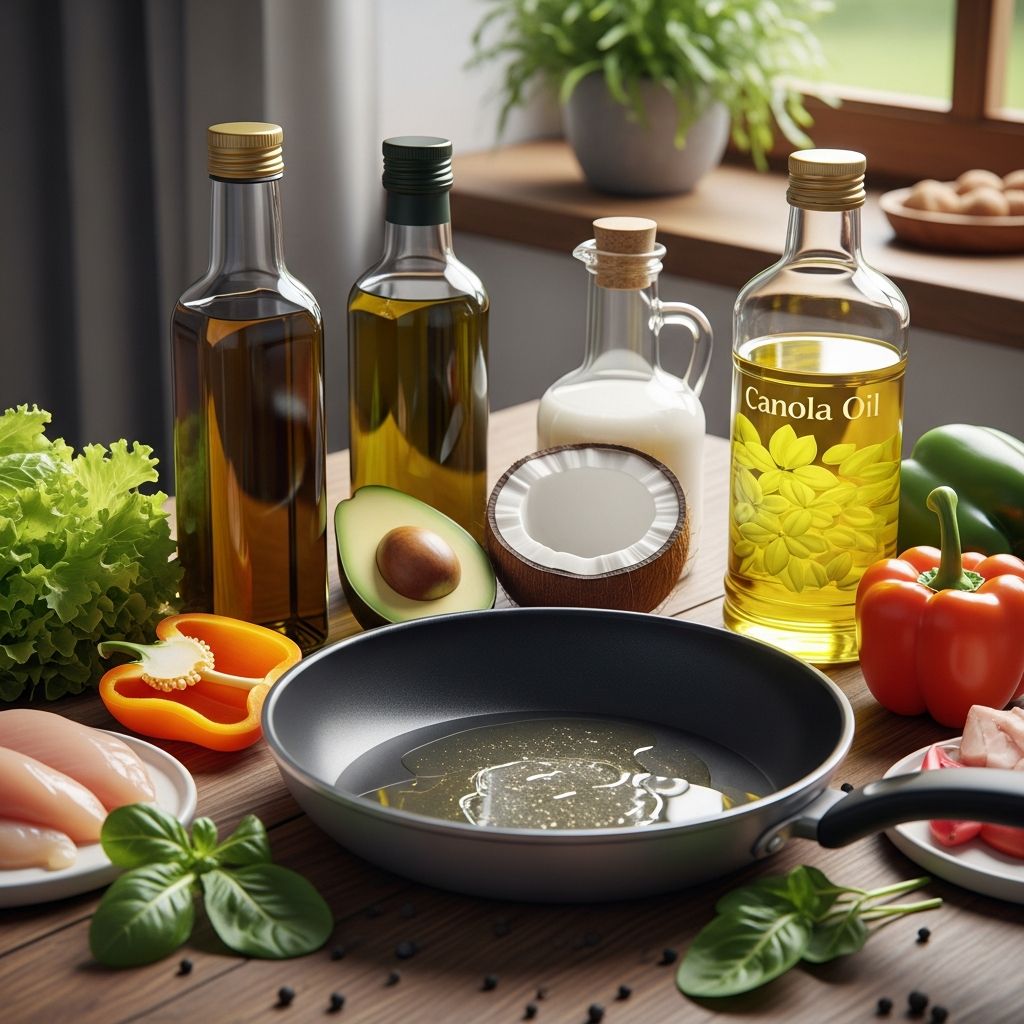
Not all cooking oils are created equal when it comes to high-heat methods like frying, sautéing, or roasting. Choosing the right oil depends on its
smoke point
—the temperature at which it starts to break down and produce harmful compounds like acrolein—and its fatty acid profile. Oils high in monounsaturated fats (MUFAs) like olive and avocado oil offer the best balance of heat stability and health benefits, reducing oxidation and inflammation risks.What Makes an Oil Healthy for Cooking?
The key to selecting a healthy cooking oil lies in its composition: saturated fats provide stability but should be limited due to heart health concerns; polyunsaturated fats (PUFAs) oxidize easily at high heat; and MUFAs strike the ideal balance. Refined oils generally have higher smoke points than unrefined versions, making them suitable for frying, while extra virgin options shine in low-heat or no-heat uses.
- Smoke point matters: Frying typically occurs at 320–356°F (160–180°C), so oils stable above this are preferable.
- Health profile: Prioritize oils low in saturated fats for daily use, per American Heart Association guidelines.
- Antioxidants: Oils like extra virgin olive oil (EVOO) retain polyphenols that protect against oxidation.
Top Healthiest Oils for High-Heat Cooking
Here are the standout oils backed by research for frying and cooking, ranked by stability and nutritional value.
1. Avocado Oil
Avocado oil tops the list for its exceptionally high smoke point and rich MUFA content, especially oleic acid, which enhances cardiovascular health. Refined versions reach 520°F (271°C), unrefined around 480°F (249°C)—perfect for deep frying.
- Health perks: Anti-inflammatory, supports heart health via studies on its fatty acids.
- Best for: Stir-frying, roasting, searing.
- Drawback: Higher cost, but a little goes a long way.
2. Olive Oil (Especially Extra Virgin)
Olive oil, particularly EVOO, has the lowest oxidation rate among common oils, making it surprisingly suitable for moderate frying up to 375–410°F (190–210°C). It’s packed with antioxidants and MUFAs that combat inflammation.
- Refined olive oil: Higher smoke point (465°F/240°C), milder flavor for everyday frying.
- Proven stability: Withstands 24+ hours of deep frying without excessive oxidation.
- Tip: Use EVOO for sautéing; refined for prolonged high heat.
3. Canola Oil (Rapeseed Oil)
Canola oil’s high MUFA content (including oleic acid) and favorable omega-6:3 ratio make it stable for frying at 400–450°F (204–232°C). It’s lower in saturated fat than olive oil and rich in polyphenols.
- Affordable and neutral taste, ideal for general cooking.
- Heart-healthy: American Heart Association-approved for reducing cholesterol.
4. Peanut (Groundnut) Oil
With a smoke point of 446–450°F (230°C), peanut oil excels in stir-fries and deep frying due to its neutral flavor and vitamin E content. However, its 32% PUFAs warrant shorter cooking times to avoid oxidation.
- Mild nutty taste enhances Asian dishes.
- Caveat: Not ideal for those with peanut allergies.
5. Coconut Oil
Related Stories



Over 90% saturated fat gives coconut oil unmatched stability (350–450°F/177–232°C), enduring 8 hours of deep frying. Use virgin for antioxidants, but limit due to saturated fat.
- Best sparingly for baking or sautéing.
6. Others Worth Mentioning
- Sesame oil: Refined smoke point 410°F (210°C); antioxidant-rich for stir-fries.
- Ghee: 485°F (250°C); fewer acrylamides than vegetable oils at high heat.
- High-oleic sunflower oil: MUFA-dominant, fry-stable like canola.
Smoke Point Comparison Table
| Oil | Refined Smoke Point | Unrefined Smoke Point | Best Use |
|---|---|---|---|
| Avocado | 520°F (271°C) | 480°F (249°C) | Deep frying, roasting |
| Olive (EVOO) | 465°F (240°C) | 375–410°F (190–210°C) | Sautéing, moderate frying |
| Canola | 400–450°F (204–232°C) | N/A | All-purpose frying |
| Peanut | 446–450°F (230°C) | 320°F (160°C) | Stir-frying |
| Coconut | 450°F (232°C) | 350°F (177°C) | Baking, light frying |
Oils to Avoid or Limit for Frying
Steer clear of oils high in PUFAs like soybean, corn, sunflower (standard), grapeseed, and walnut—they oxidize quickly, forming harmful aldehydes. Animal fats like lard or beef tallow are stable but high in saturated fats, unsuitable for regular use. Palm oil is stable but raises environmental concerns.
General Guidelines for Choosing and Using Cooking Oils
Match oil to method: High smoke point for frying; flavorful unrefined for dressings. Store in cool, dark places; discard if rancid. Use spray bottles to reduce quantity—all oils are calorie-dense (120 kcal/tbsp).
- Refined > Unrefined for heat.
- Minimize reuse to prevent compound buildup.
- Combine with veggies for antioxidant protection.
Health Benefits of Choosing the Right Oil
Swapping saturated fats for MUFAs lowers LDL cholesterol and inflammation. EVOO and avocado oil link to better heart outcomes via polyphenols and oleic acid. Long-term, stable oils reduce chronic disease risk without flavor sacrifice.
Frequently Asked Questions (FAQs)
What’s the absolute healthiest oil for deep frying?
Avocado or refined olive oil, due to high smoke points and MUFA stability.
Can I use extra virgin olive oil for frying?
Yes, for moderate heat; its antioxidants make it more stable than thought.
Is coconut oil healthy for cooking?
Stable yes, but high saturated fat means moderation.
How do I know if my oil has gone bad?
Smell for rancidity or check for darkening after use.
Are there eco-friendly frying oils?
Opt for sustainably sourced canola or olive over palm.
References
- How to choose the healthiest oil for frying — Medical News Today. 2019-02-27. https://www.medicalnewstoday.com/articles/325266
- What is the healthiest cooking oil? — BBC Good Food. Accessed 2026. https://www.bbcgoodfood.com/health/nutrition/what-is-the-healthiest-cooking-oil
- What Is the Healthiest Oil for Deep Frying? The Crispy Truth — Healthline. 2023-02-16. https://www.healthline.com/nutrition/healthiest-oil-for-deep-frying
- Healthy Cooking Oils — American Heart Association. Accessed 2026. https://www.heart.org/en/healthy-living/healthy-eating/eat-smart/fats/healthy-cooking-oils
- Choosing and Using Cooking Oils: What To Use and When — Cleveland Clinic. Accessed 2026. https://health.clevelandclinic.org/how-to-choose-and-use-healthy-cooking-oils
Similar Articles








Read full bio of medha deb