Protein Powders 2026: 12 Dietitian-Tested Healthiest Picks
Discover the top healthiest protein powders for 2026, vetted by dietitians for purity, nutrition, and effectiveness across all diets.
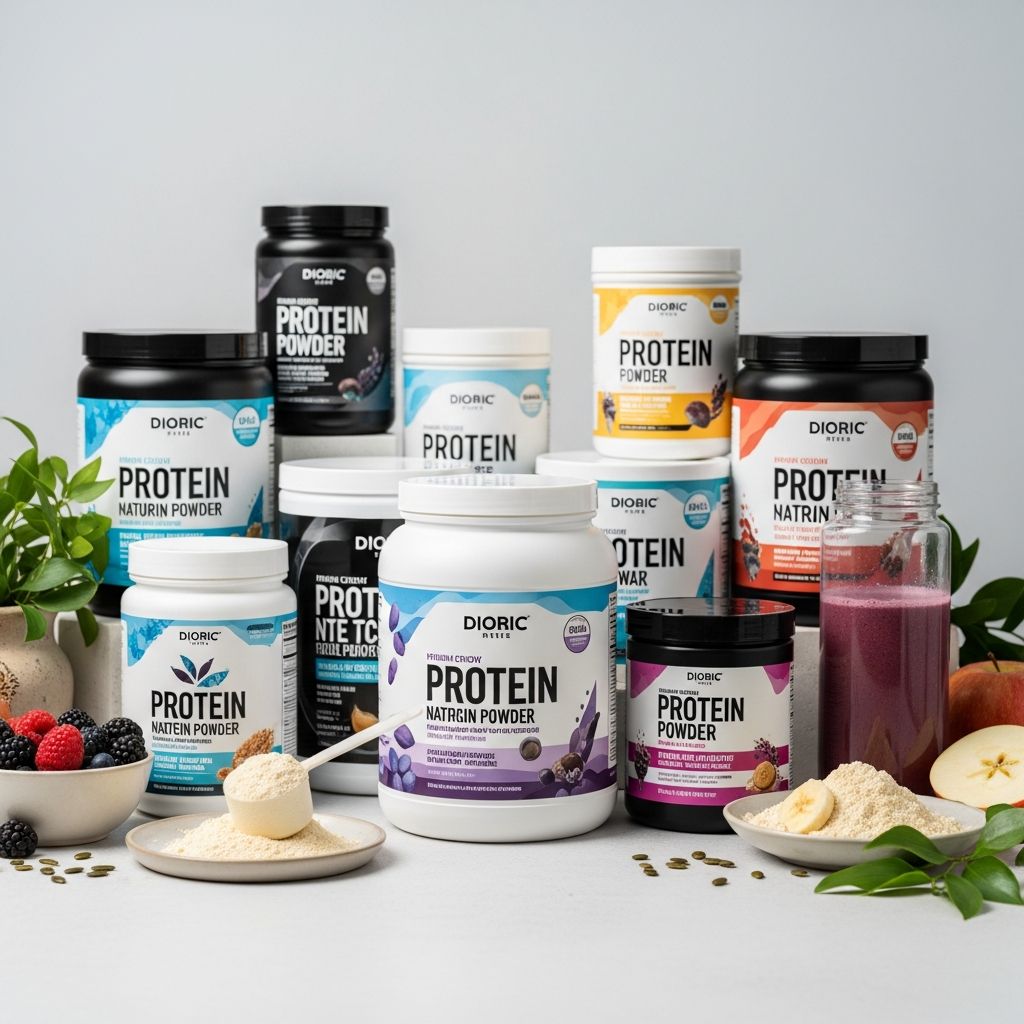
Protein powders are a convenient way to boost your intake of this essential macronutrient, supporting muscle repair, satiety, weight management, and overall health. With hundreds of options on the market, selecting the healthiest one requires focusing on factors like third-party testing for purity, complete amino acid profiles, minimal additives, and suitability for your dietary needs. Our team of registered dietitians tested more than 50 protein powders in 2026, evaluating them for taste, mixability, nutritional profile, ingredient quality, and contaminant levels using criteria from independent labs like Clean Label Project. We prioritized products with NSF Certified for Sport or Informed Sport certifications to ensure no banned substances or heavy metals like lead, which studies show are lower in whey and collagen-based powders compared to some plant-based ones. This guide covers the top 12 healthiest picks across categories, types of protein powders, how we tested, expert tips, and FAQs to help you make an informed choice.
Our Top Picks
These protein powders rose to the top for their exceptional purity, high protein content per serving (20g+), low sugar (under 5g), and clean labels without artificial sweeteners or fillers. All are third-party tested and available in multiple flavors.
- Best Overall: Transparent Labs 100% Grass-Fed Whey Protein Isolate – 28g protein, grass-fed source, 14 flavors.
- Best Tasting: Legion Whey+ – Truly Grass-Fed Irish whey isolate, 22g protein, over 20 flavors like French Vanilla.
- Best Budget: Nutricost Whey Concentrate – 25g protein, affordable at under $1 per serving, 8 flavors.
- Best for Weight Loss: Ka’Chava Superblend Shake – 25g plant-based protein, 240 calories with superfoods, creamy texture in 6 flavors.
- Best Vegan: Swolverine Plant Protein – 25g from pea and rice blend, complete protein, 3 flavors like Chocolate Cake.
- Best for Women: Kaged Whey Protein Isolate – 25g protein, only 110 calories, low carb/fat, 3 flavors.
- Best for Men: Optimum Nutrition Gold Standard 100% Whey – 24g protein, creamy vanilla, 20+ flavors, reliable 35-year brand.
- Best Whey Isolate: Dymatize ISO 100 – 25g hydrolyzed whey, few ingredients, 14 flavors.
- Best Plant-Based: Orgain Organic Plant Based – 20g pea/rice/chia blend, USDA Organic, smooth mixability.
- Best Collagen: Vital Proteins Collagen Peptides – 20g grass-fed collagen, flavorless for easy mixing, joint support.
- Best Casein: Optimum Nutrition Gold Standard Casein – 24g slow-digesting protein, ideal for overnight recovery.
- Best for Lactose Intolerant: NOW Sports Pea Protein – 24g pea protein, allergen-free, high in iron and fiber.
How We Tested and Selected the Healthiest Protein Powders
Our rigorous testing process spanned months, involving sensory panels, lab analysis, and dietitian reviews. We assessed over 50 popular brands using these key criteria:
- Purity & Safety: Required third-party testing (NSF, Informed Sport, USP) for heavy metals, pesticides, and banned substances. Whey isolates showed lowest lead levels per Clean Label Project data.
- Protein Quality: At least 20g per serving from complete sources with high PDCAAS scores (e.g., whey scores 1.0).
- Ingredients: No artificial colors, dyes, or excessive sweeteners; preferred natural flavors and minimal processing.
- Taste & Texture: Blended with water and milk; rated on creaminess, aftertaste, and mixability without clumps.
- Nutrition: Low sugar (<5g), balanced macros, added nutrients like BCAAs for muscle support.
- Value: Cost per gram of protein under $1.50.
- Dietary Fit: Options for vegan, keto, gluten-free, etc.
Products were purchased retail, not sponsored. Standouts like Transparent Labs excelled in all areas, offering 28g grass-fed whey isolate free of contaminants.
Types of Protein Powder
Protein powders derive from dairy, plants, eggs, or collagen. Each has unique digestion rates, amino acid profiles, and best uses. Here’s a breakdown:
| Type | Protein per Scoop | Best For | Pros | Cons |
|---|---|---|---|---|
| Whey Isolate | 25-30g | Post-workout, lactose-sensitive | Fast-absorbing, 90%+ protein, low lactose/fat | More expensive |
| Whey Concentrate | 20-25g | Budget muscle building | 70-80% protein, creamy, bioactive compounds | Higher lactose |
| Casein | 20-25g | Overnight recovery | Slow-digesting, steady amino release | Thicker texture |
| Pea | 20-25g | Vegans, fiber boost | High fiber, antioxidants, blends well | Incomplete alone |
| Soy | 20-25g | Complete plant protein | All essential aminos, iron, calcium | Potential allergens |
| Hemp | 15-20g | Digestion, allergies | Omega-3s, fiber, allergen-free | Lower protein density |
| Collagen | 18-20g | Skin/joints | Low contaminants, easy on gut | Not complete for muscle |
Whey remains gold standard for muscle due to BCAAs, while plant blends like pea+rice provide complete profiles for vegans.
Key Considerations When Buying Protein Powder
Match your goals and needs:
- Diet Type: Dairy-free? Opt for pea, hemp, or soy.
- Goals: Muscle gain: Whey isolate. Weight loss: Low-cal like Kaged.
- Allergies: Check labels; hemp/pea are top allergen-free.
- Sweeteners: Stevia or monk fruit over sucralose.
- Certifications: NSF for athletes.
- Flavor: Start with vanilla for versatility.
Benefits of Protein Powder
Beyond convenience, protein powders aid muscle protein synthesis (20-40g post-workout optimal), increase fullness for weight control, support bone health, and provide essential aminos the body can’t produce. Studies affirm whey’s superiority for lean mass gains.
Related Stories



Potential Downsides and Safety
Most are safe, but excess (over 2g/kg bodyweight) may strain kidneys in those with issues. Plant-based can have higher contaminants; choose tested brands. Digestive upset from lactose? Go isolate.
How to Use Protein Powder
Timing: Post-workout within 30-60 min, or as meal replacement.
Dosage: 20-30g/day, per needs (1.6g/kg for athletes).
Recipes: Smoothies, oats, baked goods. Mix with almond milk for creaminess.
Frequently Asked Questions (FAQs)
What’s the healthiest type of protein powder?
Grass-fed whey isolate tops lists for purity, absorption, and low contaminants, especially non-chocolate flavors.
Is plant-based protein as good as whey?
Blends like pea+rice match whey for completeness but may have grittier texture and higher heavy metals.
Can protein powder help with weight loss?
Yes, high-protein shakes promote satiety; options like Ka’Chava at 240 cal with fiber excel.
Are protein powders safe for daily use?
Third-party tested ones are; limit to 1-2 scoops, hydrate well.
What’s the difference between isolate and concentrate?
Isolate: 90%+ protein, low lactose/fat. Concentrate: 70-80%, creamier, cheaper.
Final Thoughts
In 2026, the healthiest protein powders combine science-backed nutrition with rigorous testing. Transparent Labs leads for overall excellence, but tailor to your needs—whey for performance, plants for ethics. Consult a dietitian for personalized advice.
References
- 5 Types of Protein Powder, and How to Choose the Best One — GoodRx. 2024. https://www.goodrx.com/well-being/supplements-herbs/type-protein-powder
- 9 Best Protein Powders of 2026 — Fortune. 2026. https://fortune.com/article/best-protein-powders/
- Protein Study 2.0 — Clean Label Project. Recent. https://cleanlabelproject.org/protein-study-2-0/
- Protein Powder: The What, Why, & How To Choose — University of Georgia Health Center (.edu). Recent. https://healthcenter.uga.edu/protein-powder-the-what-why-how-to-choose/
- 7 Types of Protein Powder and How to Buy the Best — Hy-Vee Health. Recent. https://www.hy-vee.com/recipes-ideas/advice-how-tos/wellness/health-fitness/types-of-protein-powders
Similar Articles








Read full bio of Sneha Tete