Healthiest Root Vegetables: Benefits & Nutrition
Discover the top nutrient-rich root vegetables that boost your health and wellness.
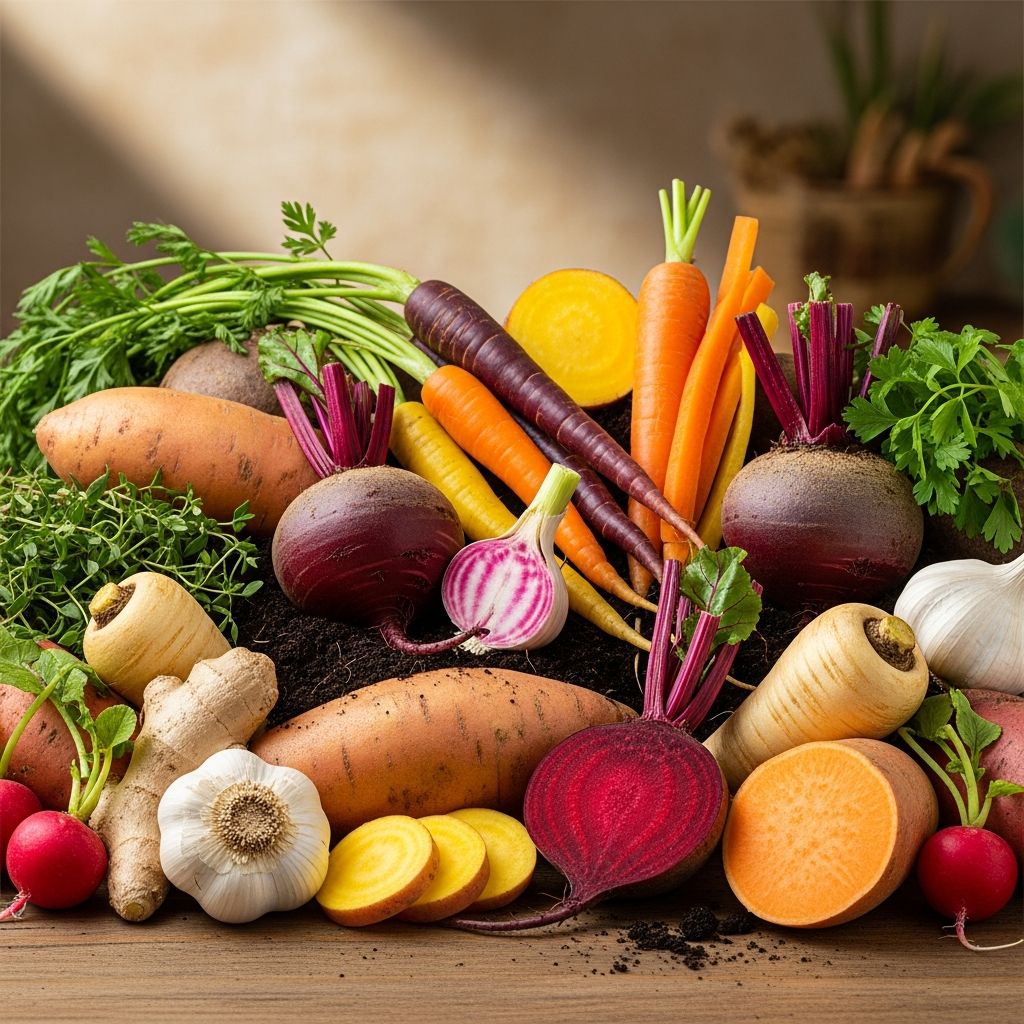
The Healthiest Root Vegetables: A Complete Nutritional Guide
Root vegetables are among nature’s most nutrient-dense foods, offering an impressive array of vitamins, minerals, antioxidants, and dietary fiber. These vegetables grow beneath the soil and store essential nutrients that support overall health and wellness. From vibrant sweet potatoes to humble carrots, root vegetables provide versatile options for creating delicious and nourishing meals. Understanding the specific benefits of each variety allows you to maximize the nutritional value of your diet and make informed choices about the foods you consume daily.
Sweet Potatoes: Nature’s Nutritional Powerhouse
Sweet potatoes stand out as one of the most nutrient-rich root vegetables available. These vibrant orange vegetables are loaded with vitamins, minerals, and beneficial plant compounds that support multiple aspects of health. A single cup of cooked sweet potatoes provides substantial amounts of vitamin A, vitamin C, potassium, manganese, and fiber, making them an excellent addition to any balanced diet.
The nutritional profile of sweet potatoes includes significant antioxidants such as beta-carotene, chlorogenic acid, and anthocyanins. These powerful compounds help neutralize free radicals in the body, reducing oxidative stress and lowering the risk of chronic diseases. The high fiber content in sweet potatoes supports digestive health by promoting regular bowel movements and feeding beneficial gut bacteria. Additionally, vitamin C strengthens the immune system and enhances skin health by supporting collagen production.
Research suggests that sweet potatoes may offer protection against diabetes, certain cancers, and inflammation, while also helping prevent vitamin A malnutrition. Their natural sweetness makes them a healthy alternative to processed sugars, and their combination of nutrients supports energy production, bone health, and overall metabolic function.
Carrots: The Classic Root Vegetable
Carrots are among the most recognizable and accessible root vegetables, offering impressive nutritional benefits in every bite. These orange roots contain significant amounts of beta-carotene, potassium, magnesium, and vitamins A, C, E, and K—nutrients essential for multiple bodily functions.
The health advantages of eating carrots are well-documented and scientifically supported:
- Promote heart health through potassium content that regulates blood pressure
- Reduce the risk of cancer through antioxidant compounds
- Improve vision thanks to beta-carotene and other carotenoids like lutein and zeaxanthin
- Support digestive health through high fiber content that increases bowel regularity
- Reduce the risk of age-related diseases, such as Alzheimer’s disease
Carrots are particularly high in fiber, a key nutrient that supports digestive processes and promotes satiety. The antioxidants found in carrots—including lutein, zeaxanthin, and beta-carotene—help defend the body against free radical damage, which can result in cancer and other serious illnesses. Whether enjoyed raw, roasted, or incorporated into soups and stews, carrots provide consistent nutritional benefits across all preparation methods.
Turnips: Cruciferous Powerhouses
Turnips belong to the cruciferous family of vegetables, connecting them to cancer-fighting vegetables like broccoli, cabbage, and kale. These often-overlooked root vegetables contain phytonutrients and indoles that help prevent cancer, particularly prostate, stomach, breast, lung, and colorectal cancers.
Related Stories



The nutritional composition of turnips includes:
- Vitamin C for immune support and collagen production
- Fiber for digestive health
- Manganese for bone health and metabolic function
- Potassium for heart health and blood pressure regulation
- Calcium and magnesium for skeletal strength
Turnips can be enjoyed raw with dips or added to salads for a fresh, crisp texture, but they are frequently cooked to develop their subtle, slightly sweet flavor. The combination of calcium, magnesium, and potassium makes turnips a heart-healthy food that supports balanced blood pressure, cholesterol, and triglyceride levels.
Parsnips: The Forgotten Treasure
Parsnips are members of the same plant family as carrots, parsley, and celery, sharing many of their nutritional benefits. These pale, carrot-like vegetables are excellent sources of dietary fiber, folate, potassium, and vitamin C. A significant percentage of parsnips’ fiber is soluble, which is linked to decreased risk of diabetes and high blood cholesterol.
Each serving of parsnips provides folate, an important nutrient for energy production, metabolism, nervous system health, DNA synthesis, and red blood cell formation. Their subtle sweetness and tender texture when roasted make them an increasingly popular choice among health-conscious diners seeking nutritional variety beyond typical vegetable selections.
Beets: Nutrient-Dense and Heart-Healthy
Beets are vibrant root vegetables rich in essential nutrients that support cardiovascular health and overall wellness. These deep red vegetables contain significant amounts of folate, manganese, and vitamin C, along with impressive antioxidant profiles, including anthocyanins that give them their distinctive color.
One of beets’ most remarkable qualities is their high nitrate content, which has been scientifically shown to improve blood flow and support heart function. The antioxidants and anti-inflammatory compounds in beets may help reduce inflammation in the body, supporting long-term wellness and reducing the risk of chronic diseases. Whether eaten raw in salads, roasted, or incorporated into juices, beets provide versatile nutritional support.
Celeriac (Celery Root): The Underrated Root
Celeriac, also known as celery root, is a versatile root vegetable containing valuable antioxidants and important minerals. The antioxidants found in celeriac—including lutein, zeaxanthin, and beta-carotene—help defend the body against free radical damage that can result in cancer and other illnesses.
Celeriac provides:
- Antioxidants for cellular protection
- Fiber for digestive health and satiety
- Calcium and phosphorus for bone health
- Vitamin C, B vitamins, and vitamin K for multiple bodily functions
High in fiber, celeriac helps with digestion and promotes feelings of fullness for extended periods. Research has demonstrated that fiber consumption lowers the risk of obesity, heart disease, and other serious illnesses, making celeriac a valuable addition to weight management and disease prevention strategies.
Additional Nutrient-Rich Root Vegetables
Horseradish
Horseradish is most well-known for its strong flavor and aroma, yet it is a long-used root vegetable containing antibacterial and anticancer properties among other medicinal benefits. Horseradish has been proven to support health in multiple ways, including lowering inflammation and enhancing general well-being. Since numerous health issues—such as arthritis, cancer, and heart disease—are brought on by inflammation, horseradish’s anti-inflammatory properties make it a valuable therapeutic food.
Chicory
Chicory offers extremely high levels of vitamins C and E, potassium, and folate, though nutrient levels vary among different species. Chicory can help balance hormone levels, which is believed to reduce inflammation and promote relaxation. Its slightly bitter flavor adds complexity to salads and cooked dishes while delivering significant nutritional benefits.
Shallots
Shallots provide numerous health benefits, including:
- Lowering cholesterol levels
- Acting as a potential anticancer agent
- Providing antifungal, antibacterial, and antiviral defense
- Lowering blood pressure
- Managing diabetes
- Calming nerves and enhancing circulation
- Accelerating digestion and helping with weight loss
Turmeric
Turmeric contains curcumin, a compound with powerful anti-inflammatory and antioxidant properties. Possible benefits of curcumin include reducing elevated blood pressure, improving insulin sensitivity, reducing inflammation, and reducing oxidative stress.
Potatoes
While sometimes receiving criticism in popular dietary discussions, potatoes—particularly Russet and Yukon varieties—provide abundant antioxidants and nutrients. Studies have found that potatoes are the largest contributors of vegetable phenolics and antioxidants in the American diet. They represent an exceptionally high source of potassium, which is important for building strong bones and supporting heart health, potentially lowering dangerously low potassium levels even more effectively than bananas and sweet potatoes.
Rutabagas
Rutabagas are root vegetables belonging to the mustard family, providing vitamin C, potassium, and manganese. They are also excellent sources of fiber, which supports digestive health and helps lower blood pressure and cholesterol levels. Rutabagas provide glucosinolates, sulfur-containing compounds that may help protect against cancer cell development and growth while preventing oxidative stress.
Key Health Benefits of Root Vegetables
Cardiovascular Support
Many root vegetables are potassium-rich foods, which are beneficial for healthy blood pressure, nerve signaling, and fluid balance. Beets, in particular, support heart health through their nitrate content, while potatoes offer superior potassium levels compared to other sources.
Digestive Health
The dietary fiber in root vegetables promotes healthy digestion by supporting regularity and feeding beneficial gut bacteria. This benefit is especially pronounced in fiber-rich varieties like carrots and turnips, making them excellent choices for supporting gastrointestinal wellness.
Antioxidant Protection
Root vegetables are packed with antioxidants, including beta-carotene in carrots and sweet potatoes and anthocyanins in beets and purple sweet potatoes. These compounds help neutralize free radicals and protect cells from oxidative stress, reducing the risk of chronic diseases.
Immune System Enhancement
Nutrients like vitamin C and vitamin A found in root vegetables play key roles in supporting immune function. These vitamins contribute to immune cell function and help the body fend off illness and infection.
Brain and Cognitive Function
Vitamin A found in many root vegetables has been correlated with better brain function, cognitive health, and cancer protection. Reduced inflammation and oxidative stress—two primary causes of cognitive decline—can be addressed through antioxidant consumption, lowering the risk for neurodegenerative diseases like Alzheimer’s disease, dementia, and Parkinson’s disease.
Weight Management
Root vegetables like sweet potatoes and carrots are low in calories but high in fiber, helping to promote satiety and reduce overall calorie intake. Their natural sweetness also makes them excellent alternatives to processed sugars in food formulations.
Bone Health
Minerals like calcium, magnesium, and manganese, found in many root vegetables, play important roles in maintaining strong bones and supporting skeletal health over time. These nutrients work together to support bone density and reduce the risk of osteoporosis.
Frequently Asked Questions
Q: Which root vegetables are best for weight loss?
A: Sweet potatoes and carrots are particularly beneficial for weight management due to their low calorie content combined with high fiber levels, which promote satiety and reduce overall calorie intake.
Q: Can root vegetables help prevent cancer?
A: Yes. Many root vegetables, including turnips, carrots, and beets, contain phytonutrients, indoles, and antioxidants that have been shown to help reduce cancer risk, particularly for prostate, stomach, breast, lung, and colorectal cancers.
Q: Are potatoes considered healthy?
A: Despite their reputation, potatoes are nutritious root vegetables rich in antioxidants, potassium, and other essential nutrients. Studies show potatoes contribute more vegetable phenolics and antioxidants to the American diet than any other vegetable.
Q: How should I prepare root vegetables to maximize their nutrition?
A: Root vegetables can be enjoyed raw, roasted, boiled, or steamed. While cooking may reduce some heat-sensitive vitamins, it can enhance the bioavailability of other nutrients. A combination of preparation methods ensures maximum nutritional benefits.
Q: Can root vegetables help with digestive health?
A: Yes. Root vegetables are excellent sources of dietary fiber, which promotes healthy digestion by supporting regularity and feeding beneficial gut bacteria, particularly in varieties like carrots and turnips.
Q: Are all root vegetables suitable for people with diabetes?
A: Many root vegetables offer protection against diabetes and may help improve insulin sensitivity. However, portion sizes matter, and consulting with a healthcare provider or registered dietitian is recommended for personalized dietary guidance based on individual health conditions.
References
- The 13 Healthiest Root Vegetables: List of Veggies — MedicineNet. https://www.medicinenet.com/the_13_healthiest_root_vegetables/article.htm
- Top 10 Root Vegetables to Add to Your Diet (Plus Benefits & Uses) — Dr. Axe. https://draxe.com/nutrition/root-vegetables/
- Health Benefits of Root Vegetables: Natural Nutrition from the Ground Up — Silva International. https://silva-intl.com/blog/health-benefits-of-root-vegetables-natural-nutrition-from-the-ground-up
- Root Vegetables: Types and Benefits — Healthline. https://www.healthline.com/nutrition/root-vegetables
- Root Vegetables—Composition, Health Effects, and Contaminants — National Center for Biotechnology Information. https://pmc.ncbi.nlm.nih.gov/articles/PMC9735862/
Similar Articles








Read full bio of medha deb