Healthiest Seafood To Eat: 7 Nutrient-Packed Picks
Discover the top nutrient-packed seafood options that boost heart health, brain function, and overall wellness while minimizing risks.
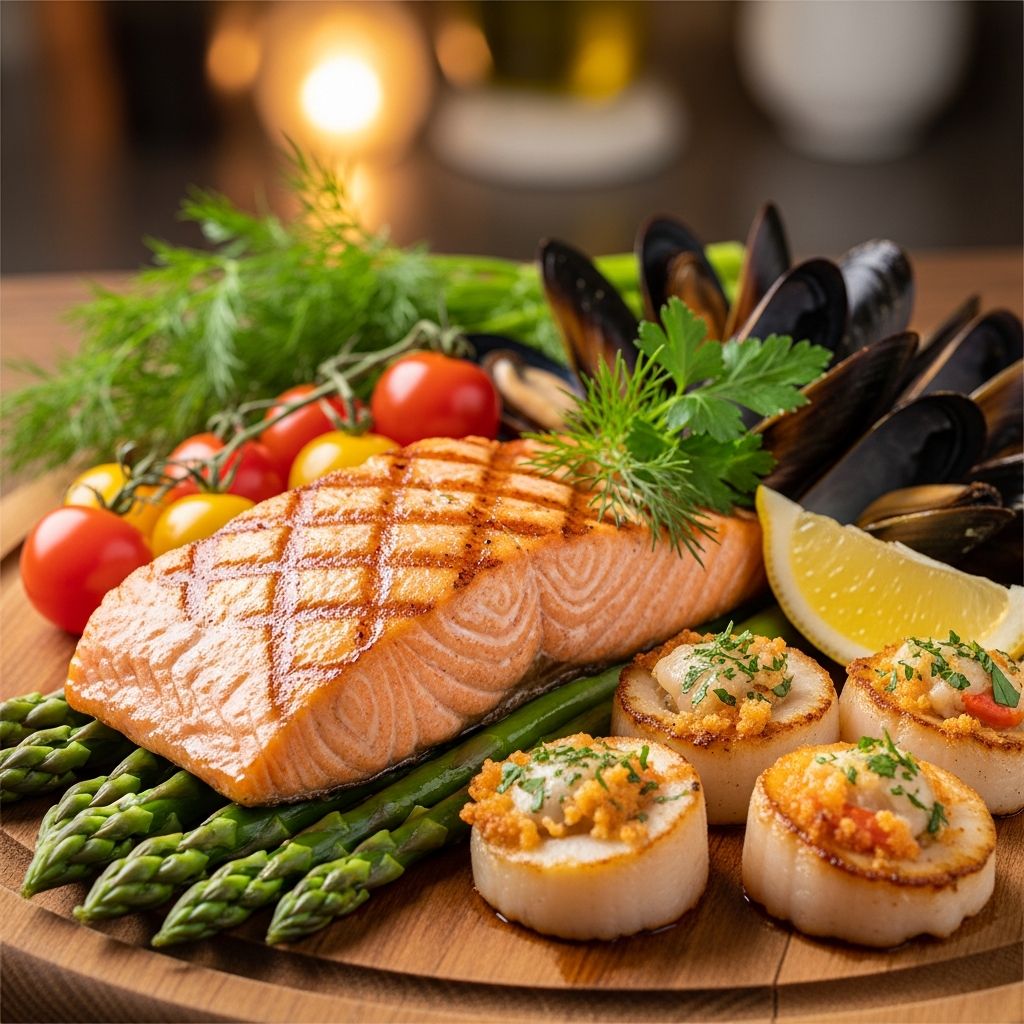
Seafood stands out as one of the most nutrient-dense foods available, offering high-quality protein, essential vitamins, minerals, and omega-3 fatty acids that support heart health, brain function, and overall well-being. Incorporating the right types into your diet can lower risks of coronary heart disease, stroke, depression, and more, according to extensive research. This guide ranks the healthiest seafood options, highlights their benefits, and provides practical tips for safe consumption.
Why Seafood is a Nutritional Powerhouse
Seafood provides concentrated sources of nutrients often lacking in modern diets, including vitamin B12, selenium, zinc, iron, and omega-3 fatty acids like EPA and DHA. For instance, a 3-ounce serving of cooked clams delivers over 3,500% of the daily value (DV) for vitamin B12, 99% for selenium, and significant zinc and iron. Wild-caught salmon offers 196% DV for B12, 131% for selenium, and substantial vitamin B6 and potassium. These nutrients address common deficiencies noted in population studies.
Omega-3s from seafood are particularly vital, supporting nerve function, reducing inflammation, and protecting against cognitive decline and cardiovascular issues. Diets high in seafood correlate with lower rates of heart disease, with one review showing every 20 grams of daily fish intake reduces coronary heart disease (CHD) incidence by 4%. The NHS recommends at least two portions of fish weekly, including one oily fish, for optimal health.
Top Healthiest Seafood Choices
Focus on low-mercury, nutrient-rich options lower on the food chain for maximum benefits and minimal risks. Here’s a breakdown of the best picks:
- Salmon: Renowned for heart and brain health due to high omega-3s and vitamin D. Wild varieties like pink and sockeye are sustainable and nutrient-packed. A half fillet provides exceptional B12 and selenium.
- Sardines: Oily fish loaded with omega-3s, calcium (from edible bones), and vitamin D. Canned versions are convenient and sustainable.
- Trout: Low-mercury fatty fish rich in omega-3s, supporting cardiovascular health.
- Herring: High in long-chain omega-3s; Atlantic and Pacific varieties are sustainable choices.
- Mackerel: Excellent source of omega-3s, but limit to two portions weekly for certain groups due to pollutants.
- Cod and Haddock: Lean, low-calorie proteins with B vitamins and selenium; ideal white fish options.
- Shellfish (Oysters, Clams, Mussels): Exceptional for B12, zinc, selenium, and some omega-3s. Oysters and mussels offer long-chain omega-3s.
Nutritional Comparison Table
| Seafood (3oz serving) | Protein (g) | Omega-3s (g) | Key Nutrients (% DV) |
|---|---|---|---|
| Salmon | 22 | 1.5-2.5 | B12: 196%, Selenium: 131% |
| Sardines (canned) | 25 | 1.0-2.0 | Calcium: 35%, Vit D: 20% |
| Clams | 26 | 0.2 | B12: 3500%, Zinc: 21% |
| Cod | 20 | 0.2 | Selenium: 50%, B12: 40% |
| Oysters | 16 | 0.6 | Zinc: 600%, Iron: 90% |
Values approximated from USDA data and studies; actual amounts vary by preparation and source.
Health Benefits Backed by Science
Heart Health: Higher seafood intake links to reduced CHD, heart attack, and stroke risk. A 2020 review of 34 studies confirmed lower coronary heart disease and all-cause mortality with increased fish consumption. Oily fish’s long-chain omega-3s are key.
Brain and Nervous System: EPA and DHA support cognitive function; regular intake may prevent decline. Essential for fetal development, hence limits on oily fish for pregnant women.
Related Stories



Reduced Disease Risk: Protects against depression, liver cancer, and more. Shellfish boosts immunity via zinc and selenium.
Bone Health: Edible-bone oily fish like sardines provide calcium and phosphorus.
Risks and How to Minimize Them
While beneficial, some seafood contains mercury or pollutants. Choose low-mercury options: salmon, sardines, trout, cod, herring, and shellfish. Avoid or limit king mackerel, swordfish, tilefish, bigeye tuna.
- Pregnant/breastfeeding women: Max 2 portions oily fish weekly (140g each); 4 cans or 2 steaks tuna.
- Limit sea bream, bass, turbot, halibut like oily fish.
- Opt for steamed, baked, or grilled over fried to preserve nutrients.
Sustainable Seafood Choices
Prioritize environmentally friendly options to ensure future availability. Sustainable fatty fish include pink/sockeye salmon, Atlantic/Pacific herring. Check Marine Stewardship Council guides for certified sources. Super Green lists from Seafood Watch highlight nutrient-rich, low-impact picks.
Tips for Incorporating Seafood
- Aim for 2 portions weekly, one oily.
- Pair with veggies, beans, whole grains for balanced meals.
- Choose wild-caught or responsibly farmed.
- Vary types for broad nutrient intake.
Frequently Asked Questions (FAQs)
How much seafood should I eat weekly?
A healthy diet includes at least 2 portions (140g each) of fish per week, with one oily fish for omega-3 benefits.
Is canned seafood healthy?
Yes, canned sardines, salmon, and clams retain nutrients and are sustainable, low-mercury choices.
What seafood is lowest in mercury?
Salmon, sardines, trout, herring, anchovies, and shellfish are safest.
Can vegetarians eat shellfish?
Yes, pescatarians include seafood; shellfish offers plant-free B12 and minerals.
Is farmed salmon healthy?
Responsibly farmed salmon provides similar omega-3s; check sustainability ratings.
Conclusion
Embracing the healthiest seafood like salmon, sardines, trout, and shellfish delivers profound nutritional advantages with proper choices. Prioritize sustainability, low-mercury types, and varied preparation for lifelong benefits.
References
- Is Seafood Healthy? Types, Nutrition, Benefits, and Risks — Healthline. 2023-05-15. https://www.healthline.com/nutrition/is-seafood-healthy
- Healthiest Fish to Eat for a Nutritious Diet — North Coast Seafoods. 2024-02-20. https://www.northcoastseafoods.com/blogs/in-the-kitchen/healthiest-fish-to-eat
- Fish and Shellfish Nutrition — NHS (UK Government). 2025-01-10. https://www.nhs.uk/live-well/eat-well/food-types/fish-and-shellfish-nutrition/
- Super Green List | Healthy and Environmentally Sustainable Seafood — Monterey Bay Aquarium Seafood Watch. 2024-11-05. https://www.seafoodwatch.org/seafood-basics/sustainable-healthy-fish
- Dietary Guidelines for Americans, 2020-2025 — USDA (.gov). 2020-12-31. https://www.dietaryguidelines.gov/sites/default/files/2020-12/Dietary_Guidelines_for_Americans_2020-2025.pdf
Similar Articles








Read full bio of Sneha Tete