Healthiest Seeds to Eat: Nutrition & Benefits
Discover the top nutrient-dense seeds that boost health, from flax to sunflower seeds.
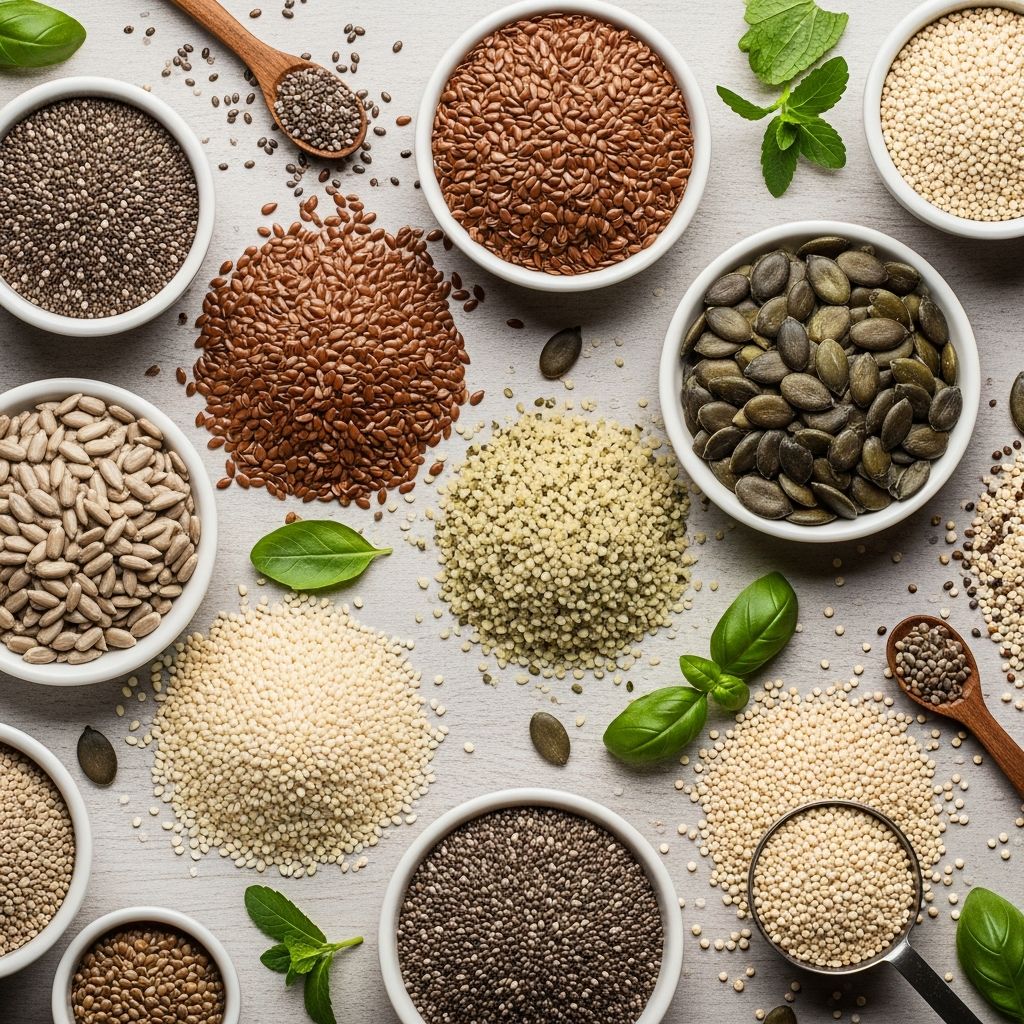
The Healthiest Seeds to Eat: A Complete Nutritional Guide
Seeds are nutritional powerhouses that contain all the essential materials needed to develop into complex plants. Because of this biological fact, they are packed with vitamins, minerals, healthy fats, and antioxidants that can significantly benefit your health. When consumed as part of a balanced diet, seeds can help regulate blood sugar levels, lower cholesterol, reduce blood pressure, and support overall wellness. This comprehensive guide explores the six healthiest seeds you should consider adding to your daily routine.
Why Seeds Are Nutritional Powerhouses
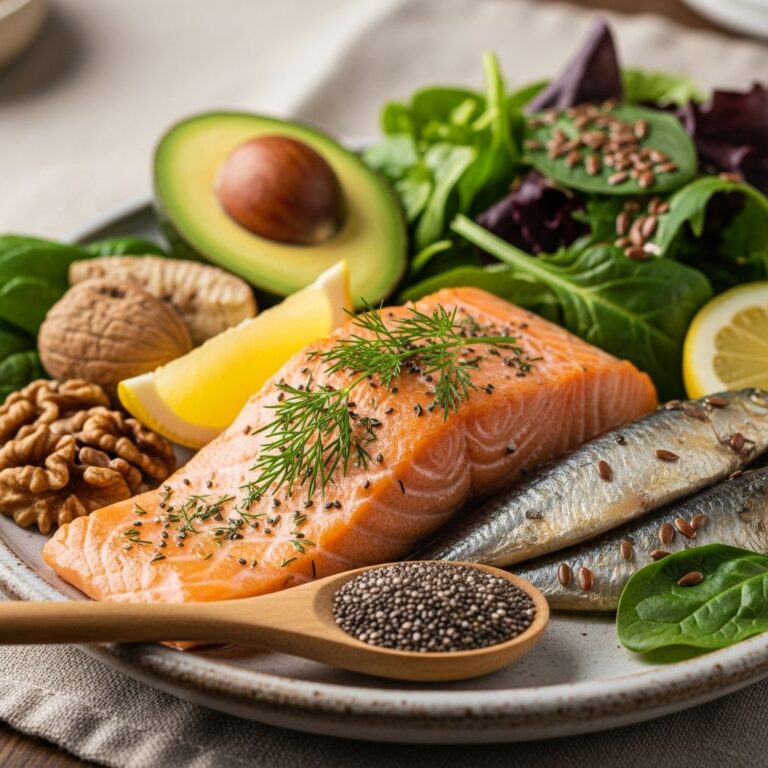
Seeds stand out as exceptional sources of nutrition due to their dense concentration of beneficial compounds. They are rich in fiber, which supports digestive health and promotes satiety. Additionally, seeds contain healthy monounsaturated and polyunsaturated fats that support cardiovascular function. Beyond fats and fiber, seeds provide essential minerals such as magnesium, potassium, calcium, zinc, and plant-based iron, along with B vitamins and vitamin E. The antioxidants found in oily seeds, such as polyphenols and lignans, help prevent oxidative damage and offer anti-inflammatory benefits that protect against chronic diseases.
1. Flaxseeds: The Lignin Champion
Flaxseeds are among the most nutrient-dense seeds available, offering an impressive nutritional profile that makes them a staple in health-conscious diets. A 100-gram serving of whole flaxseeds provides substantial amounts of essential nutrients. These seeds contain exceptionally high levels of lignans—specifically, flaxseed contains 75 to 800 times more lignans than other plant foods. Lignans are polyphenols, a type of antioxidant that has been extensively studied for their disease-prevention properties.
Nutritional Profile of Flaxseeds
- Calories: 534 per 100 grams
- Fiber: 27 grams
- Protein: 18 grams
- Monounsaturated fat: 2.1 grams
- Omega-3 fats: 6.5 grams
- Omega-6 fats: 1.7 grams
- Thiamine (Vitamin B1): 1.64 milligrams
- Magnesium: 392 milligrams
- Manganese: 2.48 milligrams
Research has demonstrated that the anti-inflammatory properties of lignans help prevent heart disease and reduce cancer risk. For optimal absorption, nutritionists recommend consuming ground flaxseeds rather than whole seeds, as the body has difficulty digesting and absorbing nutrients from intact seeds. Ground flaxseeds can be easily incorporated into hot cereals, yogurts, smoothies, or used as a flour substitute in baking recipes.
2. Chia Seeds: Fiber and Omega-3 Powerhouses
Chia seeds are remarkably similar to flaxseeds in their nutritional composition, making them an excellent alternative for those seeking diverse seed options. These tiny seeds are loaded with fiber and omega-3 fatty acids, along with numerous other vital nutrients. What makes chia seeds particularly beneficial is their soluble fiber content, which takes longer to break down in the digestive system. This extended breakdown process helps prevent the blood sugar spikes that typically occur after meals, making them especially valuable for individuals managing diabetes or blood sugar concerns.
Nutritional Content of Chia Seeds
- Energy: 517 calories per 100 grams
- Protein: 17 grams
- Thiamine (Vitamin B1): 0.5 milligrams
- Magnesium: 326 milligrams
- Manganese: 7.3 milligrams
Beyond blood sugar management, chia seeds offer comprehensive health benefits. The soluble fiber binds to cholesterol in the digestive system and helps remove it from your body, supporting cardiovascular health. Additionally, these seeds contribute to improved inflammation markers, enhanced brain health, and better digestive function. Their versatility makes them easy to add to smoothies, overnight oats, puddings, or sprinkled on salads.
3. Hemp Seeds: The Complete Protein Source
Hemp seeds, also known as hemp hearts, represent a unique seed option with an exceptional amino acid profile. According to recent research reviews, hemp seeds are rich in high-quality proteins and contain healthy fats including omega-6 and omega-3 fatty acids. Beyond these macronutrients, hemp seeds provide vitamins E, D, and A, along with natural compounds called polyphenols and terpenoids that offer antioxidant, anti-inflammatory, and antimicrobial benefits. The presence of essential amino acids makes hemp seeds a complete protein source, making them particularly valuable for vegetarians and vegans.
Related Stories



Hemp seeds also contain the highest protein content of all seeds, combined with robust amounts of vitamin E and potassium. The healthy fats in hemp seeds support brain function and cardiovascular health, while their micronutrient profile contributes to overall wellness. These seeds have a mild, nutty flavor and can be consumed on their own as a snack or incorporated into smoothies, salads, and grain bowls.
4. Sesame Seeds: The Calcium Alternative
Sesame seeds offer a convenient and nutrient-dense way to increase calcium intake, making them an excellent option for individuals following vegan diets or those with dairy restrictions. Just one ounce of sesame seeds contains more than 20% of your recommended daily calcium intake. Beyond calcium, sesame seeds contain important compounds such as sesamin and sesamol, which have been extensively studied for their wide-ranging health benefits.
Health Benefits of Sesame Seeds
- Reduce inflammation and oxidative stress
- Protect the heart, liver, and kidneys
- Support skin and hearing health
- Lower cholesterol levels
- Slow visible signs of aging
- Demonstrate anti-cancer properties in preliminary studies
The distinctive compounds in sesame seeds work synergistically to provide both nutritional and protective health benefits. With their nutty flavor, sesame seeds are often toasted to enhance their taste profile. They can be sprinkled into stir-fry dishes, ground into tahini spread, or incorporated into salads and grain bowls for added nutrition and texture.
5. Pumpkin Seeds: The Mineral-Rich Powerhouse
Pumpkin seeds, commonly known as pepitas, are nutritional superstars packed with fiber, healthy fats, amino acids, and powerful antioxidants including tocopherols and carotenoids. These mineral-rich seeds contain zinc, which is renowned for supporting immune function, along with magnesium for bone health and energy production. The comprehensive nutrient profile of pumpkin seeds contributes to their ability to support multiple aspects of human health.
Documented Health Benefits
- Manage diabetes and regulate blood sugar
- Protect liver function
- Support cardiovascular and heart health
- Reduce inflammation and infections
- Improve mood and help manage depression symptoms
- Support male fertility after chemotherapy
- Aid digestion and provide protection against ulcers
Studies have demonstrated that pumpkin seeds can help lower LDL (bad) cholesterol and prevent muscle weakness, making them valuable for cardiovascular and musculoskeletal health. A helpful tip: unshelled pumpkin seeds contain more fiber than their shelled counterparts. Whether you grab them from the store or carve them directly from fresh pumpkins, these versatile seeds can be enjoyed raw as a snack, mixed into salads, or roasted for enhanced flavor. Choosing unsalted varieties helps control sodium intake and supports blood pressure management.
6. Sunflower Seeds: The Antioxidant-Rich Choice
Sunflower seeds provide substantial amounts of minerals, B vitamins, and powerful antioxidants, particularly vitamin E and selenium. These bright yellow seeds contain high amounts of healthy oils, primarily composed of linoleic acid, which is a beneficial omega-6 fatty acid. Research demonstrates that sunflower oil can effectively lower total and LDL cholesterol while providing antioxidant benefits that protect cellular health.
Nutritional Profile of Sunflower Seeds
- Protein: 18.9 grams per 100 grams
- Iron: 4.37 milligrams
- Manganese: 2.65 milligrams
- Magnesium: 302 milligrams
Sunflower seeds also contain oleic acid, a healthy monounsaturated fat that reduces triglycerides and LDL cholesterol while increasing HDL (good) cholesterol—benefits that support overall heart health. The antioxidants in sunflower seeds, particularly vitamin E, help prevent oxidative cell damage, which serves as a precursor to chronic conditions including heart disease, diabetes, cancer, Alzheimer’s disease, and Parkinson’s disease. You can purchase sunflower seeds with or without shells; if shelled, simply bite off the shell and discard it. Choose unsalted or lightly salted varieties to maintain healthy sodium levels and reduce the risk of high blood pressure.
Comparing the Nutritional Profiles
| Seed Type | Protein (per 100g) | Fiber (per 100g) | Key Minerals | Best For |
|---|---|---|---|---|
| Flaxseeds | 18g | 27g | Magnesium, Manganese | Heart health, Lignans |
| Chia Seeds | 17g | High soluble fiber | Magnesium, Manganese | Blood sugar control |
| Hemp Seeds | Highest of all seeds | Moderate | Potassium, Vitamin E | Complete protein source |
| Sesame Seeds | Moderate | Moderate | Calcium (20% DV per oz) | Dairy-free calcium |
| Pumpkin Seeds | Moderate-High | High (unshelled) | Zinc, Magnesium | Immunity, Digestion |
| Sunflower Seeds | 18.9g | Moderate | Iron, Manganese, Magnesium | Antioxidants, Heart health |
Easy Ways to Incorporate Seeds Into Your Diet
Adding seeds to your daily diet is remarkably simple and requires minimal preparation. Consider these practical suggestions for seamless integration:
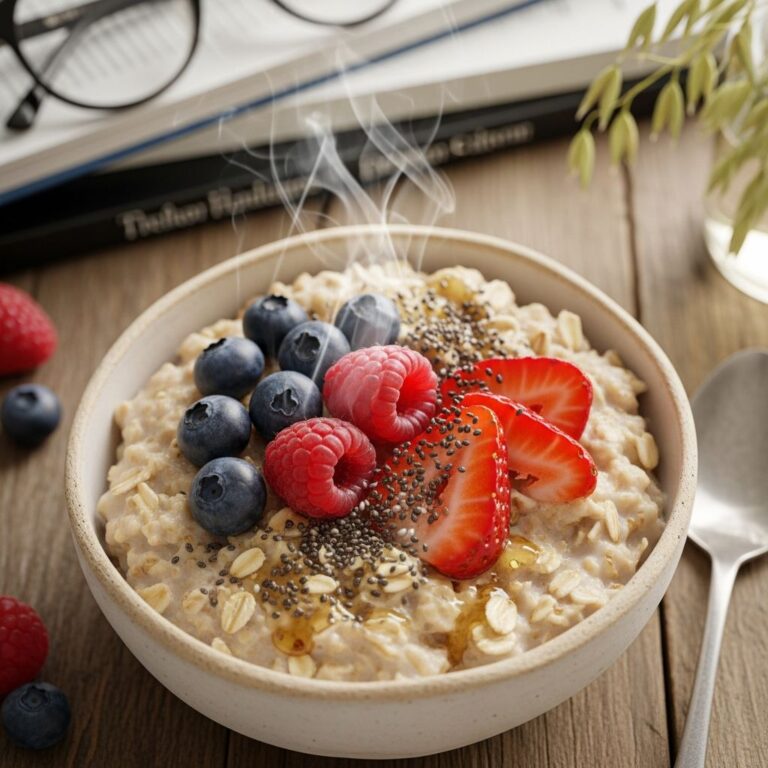
- Breakfast options: Sprinkle seeds on hot cereals, yogurt, or oatmeal; mix ground flaxseeds into smoothies
- Salads: Top green salads with sunflower seeds, pumpkin seeds, or sesame seeds for added crunch and nutrition
- Baking: Substitute ground flaxseeds for a portion of flour in muffins and bread recipes
- Smoothie bowls: Layer seeds on top of smoothie bowls for texture and visual appeal
- Snacking: Enjoy roasted pumpkin seeds or sunflower seeds as convenient portable snacks
- Asian dishes: Sprinkle sesame seeds into stir-fry dishes or grind them into tahini spreads
- Overnight oats: Add chia seeds to overnight oats for a nutritious, convenient breakfast
Health Benefits Summary
Seeds provide comprehensive health benefits when consumed regularly as part of a balanced diet. The lignans and polyphenols present in these nutritional gems help reduce cholesterol levels and lower cancer risk. The high fiber content supports digestive health and promotes feelings of fullness, potentially aiding weight management. The healthy fats—both omega-3 and omega-6 fatty acids—support brain function, reduce inflammation, and promote cardiovascular health. The diverse mineral content including magnesium, zinc, and selenium supports immune function, bone health, and metabolic processes. Regular seed consumption has been shown to help regulate blood sugar levels, reduce blood pressure, and lower cholesterol, contributing to overall disease prevention and longevity.
Frequently Asked Questions
Q: How much ground flaxseed should I consume daily?
A: Most dietary recommendations suggest consuming 1-2 tablespoons (10-20 grams) of ground flaxseeds daily. Ground seeds are preferred over whole seeds for better nutrient absorption.
Q: Can I eat seeds if I have a nut allergy?
A: Generally, seeds are safe for those with nut allergies, as they are botanically different from tree nuts. However, always consult with your healthcare provider about your specific allergy concerns.
Q: Should I buy organic seeds?
A: While organic seeds may have fewer pesticide residues, both conventional and organic seeds are nutritious. Choose based on your budget and preferences, ensuring you store them properly to maintain freshness.
Q: How should I store seeds to maintain freshness?
A: Store seeds in an airtight container in a cool, dark place or in the refrigerator. Ground seeds are more prone to oxidation, so consume them within a few weeks of grinding for optimal freshness.
Q: Are there any side effects from consuming too many seeds?
A: While seeds are nutritious, consuming excessive amounts may cause digestive issues due to high fiber content. Introduce seeds gradually and ensure adequate water intake to support digestion.
Q: Can seeds help with weight management?
A: Yes, the high fiber and protein content in seeds promotes satiety and helps you feel full longer, potentially supporting weight management efforts when combined with a balanced diet.
References
- 6 Super Healthy Seeds You Should Eat — Healthline. August 5, 2025. https://www.healthline.com/nutrition/6-healthiest-seeds
- Nuts and Seeds for Heart Health — Heart Foundation New Zealand. https://www.heartfoundation.org.nz/wellbeing/healthy-eating/nutrition-facts/nuts-and-seeds-for-heart-health
- The 6 Best Seeds to Eat — Cleveland Clinic Health Essentials. https://health.clevelandclinic.org/the-6-best-seeds-to-eat
- Nuts and Seeds — Better Health Channel, Victoria State Government. https://www.betterhealth.vic.gov.au/health/healthyliving/nuts-and-seeds
- 7 Healthy Seeds to Add to Your Diet — The Hospital of Central Connecticut. https://thocc.org/about/news-press/news-detail?articleId=56459&publicid=395
Similar Articles








Read full bio of medha deb