Healthiest Spreads for Sandwiches: 6 Top Picks & Benefits
Upgrade your sandwiches with these nutrient-packed spreads that boost flavor and health benefits without the empty calories.
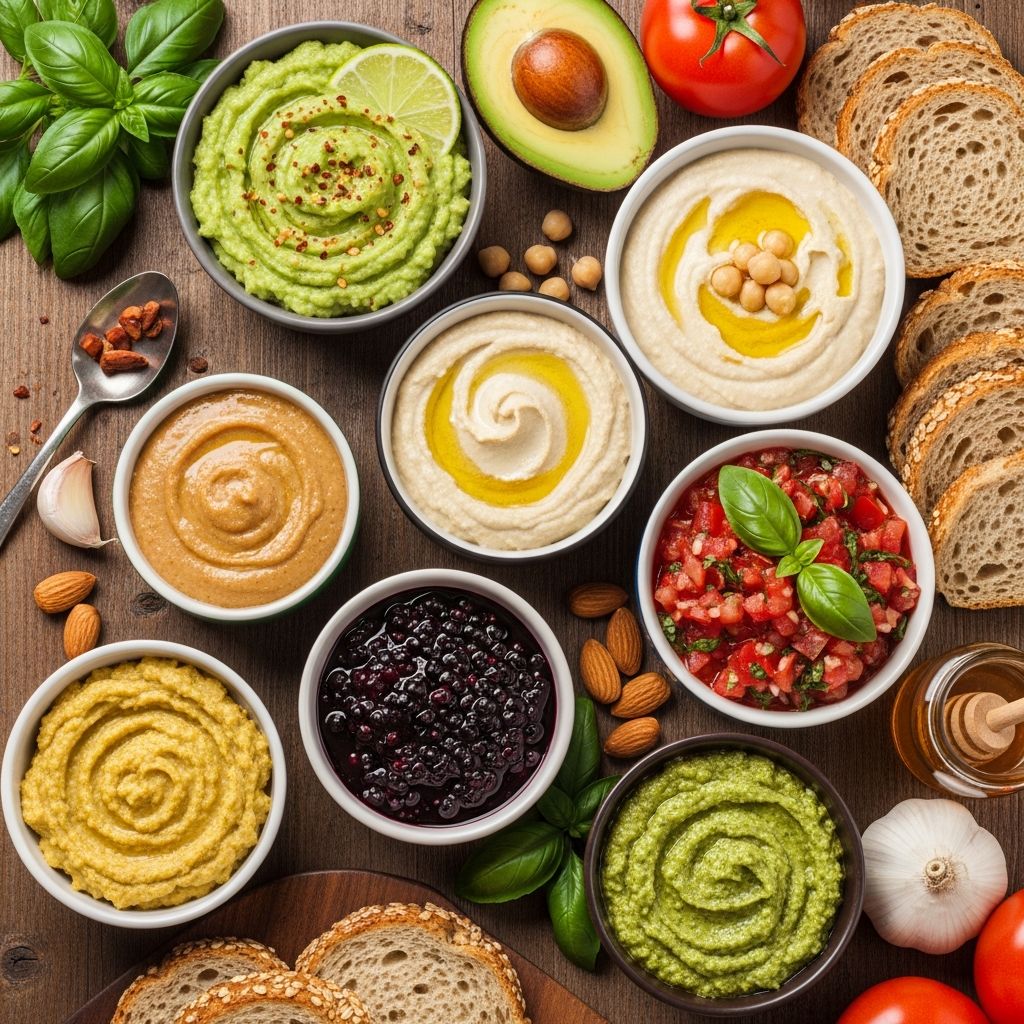
Sandwiches are a staple in many diets, but the spread you choose can transform a simple meal into a nutrient powerhouse or a calorie bomb. Healthier spreads prioritize whole foods, healthy fats, fiber, and protein while minimizing added sugars, saturated fats, and sodium. Options like avocado, hummus, and nut butters offer creaminess and flavor with benefits for heart health, digestion, and satiety.
According to nutrition experts, the best spreads provide monounsaturated fats (MUFAs), plant-based proteins, and vitamins without excess processing. This guide covers top picks, their nutritional profiles, and how to incorporate them into daily meals for optimal health.
Why Choose Healthier Spreads?
Traditional spreads like butter, full-fat cream cheese, and mayonnaise are high in saturated fats and calories but low in nutrients. For instance, 2 tablespoons of butter deliver about 200 calories mostly from fat, with little fiber or protein. In contrast, healthier alternatives support weight management, reduce inflammation, and improve gut health through probiotics or fiber.
Key benefits include:
- Heart-healthy fats: MUFAs from avocado and nuts lower bad cholesterol.
- Fiber boost: Chickpeas in hummus aid digestion and blood sugar control.
- Protein punch: Nut butters and yogurt keep you full longer.
- Vitamin-rich: Potassium, folate, and magnesium from avocado support overall wellness.
Swapping mayo for smashed avocado cuts calories by up to 75% while adding over 20 vitamins and minerals. Government health guidelines, like those from Victoria’s health department, recommend low-fat, reduced-salt spreads to align with balanced eating patterns.
Top Healthiest Spreads Ranked
Here are the standout spreads, evaluated by calories, saturated fat, and nutrient density per typical serving (2 tablespoons unless noted). Data draws from consumer analyses and health authorities.
| Spread | Serving Size | Calories | Sat. Fat (g) | Key Nutrients |
|---|---|---|---|---|
| Nut Butters (peanut, almond) | 2 Tbsp | 196-210 | 1.3-4 | MUFAs, protein, fiber |
| Avocado (mashed) | ½ fruit (~2 Tbsp) | 120 | 1.6 | Fiber, potassium, folate, B6, magnesium |
| Hummus | 2 Tbsp | 40 | 0 | Plant protein, fiber from chickpeas |
| Greek Yogurt (plain, low-fat) | 2 Tbsp | ~25 | 0.2 | Probiotics, high protein |
| Cottage Cheese (low-fat) | ¼ cup | 45 | 0.5 | Protein (7g) |
1. Avocado: The Creamy Superfood
Mashed avocado tops the list for its versatility and nutrient profile. Half an avocado provides 120 calories, mostly from heart-healthy MUFAs, plus fiber for satiety. It’s loaded with potassium—more than a banana—and vitamins like folate and B6, supporting heart and brain health.
Compared to mayo (200+ calories per 2 Tbsp), avocado slashes intake while mimicking creaminess. Add lemon juice for tang or mix with jalapeños for spice. Use on turkey sandwiches or toast for a 300-calorie meal under 10g sat fat.
2. Hummus: Plant-Powered Flavor
At just 40 calories per 2 Tbsp with zero saturated fat, hummus from chickpeas delivers protein, fiber, and unique nutrients absent in dairy spreads. It meets partial vegetable servings, aiding MyPlate goals for beans.
Opt for simple-ingredient versions (chickpeas, tahini, garlic). Pair with veggies or lean proteins; health authorities list it as a top low-fat choice alongside tzatziki. Sunflower seed butter serves as a nut-free alternative.
Related Stories



3. Nut Butters: Protein and Healthy Fats
Peanut, almond, or cashew butters offer 196-210 calories per 2 Tbsp but shine with MUFAs, protein, and fiber. Choose natural varieties (just nuts and salt) to avoid sugars.
They’re superior to butter, providing staying power for breakfast toast. Dust with cinnamon for flavor without calories. Nut allergies? Try seed butters.
4. Greek Yogurt and Tzatziki: Probiotic Protein
Low-fat Greek yogurt (13 calories/Tbsp, 2.5g protein) is ideal for creamy textures with gut-friendly probiotics, potentially reducing metabolic risks. Use in tartar sauce swaps or dips.
Reduced-fat tzatziki (yogurt, cucumber, garlic) adds low-cal flavor.
5. Cottage Cheese and Ricotta: High-Protein Dairy
Low-fat cottage cheese (45 calories/¼ cup, 7g protein) beats cream cheese (4x calories, half protein, high sat fat). Reduced-fat ricotta is low-salt, high-protein for creaminess.
Spread on bagels with tomatoes; it’s diet-friendly with portion control.
6. Other Smart Picks: Mustards, Pestos, and More
- Mustard/Dijon: Zero-calorie flavor boosters for cheese or veggie sandwiches.
- Pesto/Salsa: Veggie-based, low-fat options.
- Mashed Berries: 35 calories for 2g fiber vs. jam’s sugar load.
- Roasted Garlic: Umami without sodium or calories.
- Chutney/Relish: Thin spreads for flavor with minimal calories.
Nutrition Comparison Table
Versus traditional spreads:
| Spread | Calories (2 Tbsp) | Sat Fat (g) | Protein (g) | Fiber (g) |
|---|---|---|---|---|
| Butter | 200 | 12 | 0 | 0 |
| Mayo | 200 | 3 | 0 | 0 |
| Cream Cheese | 180 | 10 | 2 | 0 |
| Avocado | 120 | 1.6 | 1.5 | 5 |
| Hummus | 40 | 0 | 2 | 2 |
Data adapted from analyses showing plant-based options dominate for health.
Recipes and Pairing Ideas
Avocado Turkey: Mash ½ avocado with lemon; add to whole-grain bread with turkey, spinach.
Hummus Veggie: 2 Tbsp hummus, cucumber, carrots, feta on pita.
Nut Butter Banana: Natural PB, banana slices, cinnamon on toast.
Yogurt Tuna: Greek yogurt-mayo mix (1:1) with tuna, celery.
Healthier sandwich blueprint: Wholemeal bread, healthy spread, veggies, lean protein.
Frequently Asked Questions (FAQs)
What is the healthiest sandwich spread?
Hummus or mashed avocado, offering low calories, zero sat fat, and high fiber/protein.
Is peanut butter healthy for sandwiches?
Yes, natural versions provide healthy fats and protein; limit to 2 Tbsp.
Can I use yogurt as a mayo substitute?
Absolutely—Greek yogurt cuts calories by 85% and adds protein/probiotics.
What’s a low-calorie spread for weight loss?
Mustard (0 cal), salsa, or roasted garlic for flavor without compromise.
Are there nut-free healthy spreads?
Yes, hummus, sunflower seed butter, or tzatziki.
Expert Tips for Healthier Sandwiches
- Portion control: Stick to 1-2 Tbsp.
- Read labels: Avoid added sugars/sodium.
- Combine: Mix spreads for custom flavors, e.g., yogurt + mustard.
- Storage: Fresh avocado lasts 1-2 days; freeze nut butters.
Incorporate these into meals for sustained energy and better nutrition. Small swaps yield big health gains.
References
- Picking the Best, Healthiest Bread Spread for You — Consumer Reports. 2023-10-01. https://www.consumerreports.org/health/nutrition-healthy-eating/best-healthiest-bread-spreads-a8389335747/
- Keys to a healthy sandwich — Health.vic.gov.au (Victoria Government). 2024-05-15. https://heas.health.vic.gov.au/resources/food-drink-ideas/keys-to-a-healthy-sandwich/
- 7 better for you sandwich spreads — Fox News. 2023-08-20. https://www.foxnews.com/health/7-better-for-you-sandwich-spreads
- I’m starting a diet – what are some healthy sandwich spreads? — HealthShare.com.au. 2023-11-10. https://www.healthshare.com.au/questions/45923-im-starting-a-diet-what-are-some-healthy-sandwich-spreads/
- 20 Top Healthy Sandwich Spreads — MelissasHealthyLiving.com. 2024-02-14. https://www.melissashealthyliving.com/13-top-sandwich-spreads/
- 15 Healthy Dips and Spreads — Healthline. 2024-06-22. https://www.healthline.com/nutrition/healthy-dips-and-spreads
Similar Articles








Read full bio of Sneha Tete