Healthiest Stone Fruits: 6 Best Picks For Nutrition
Discover the top healthiest stone fruits packed with vitamins, antioxidants, and fiber for optimal wellness and nutrition.
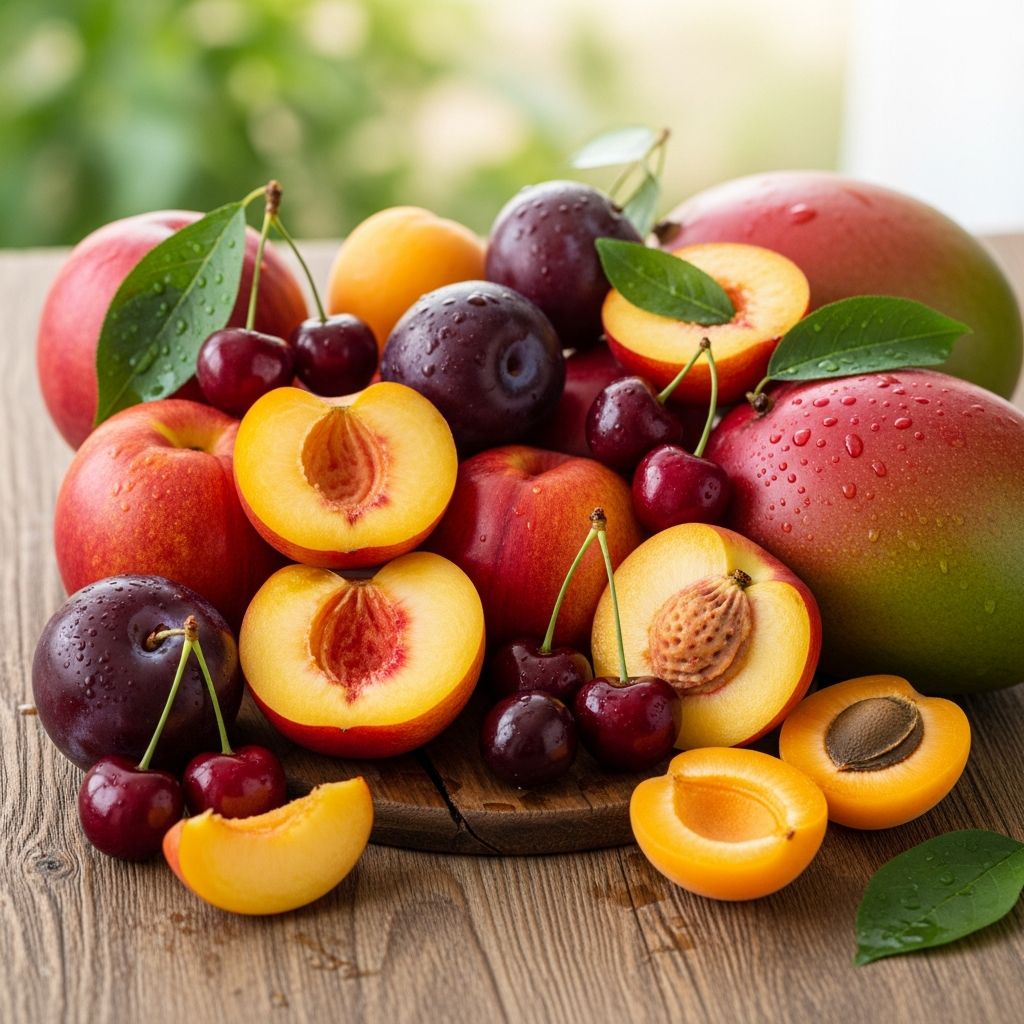
Stone fruits, also known as drupes, are characterized by their fleshy exterior and a single large pit or stone at the center. Popular examples include peaches, plums, cherries, apricots, nectarines, and mangoes. These vibrant summer fruits are not only delicious but also nutritional powerhouses, rich in vitamins, minerals, fiber, and antioxidants that offer numerous health benefits.
What Are Stone Fruits?
Stone fruits belong to the genus Prunus and related species, featuring a soft, juicy flesh surrounding a hard pit that contains the seed. They thrive in warm climates and peak in summer, offering sweet to tart flavors. Common types include cherries, peaches, plums, apricots, nectarines, and even tropical options like mangoes and lychees.
- Defining feature: Single large stone or pit.
- Seasonality: Best enjoyed fresh from late spring to early fall.
- Versatility: Eaten raw, grilled, baked, or blended into smoothies.
These fruits provide essential nutrients like vitamins A and C, potassium, and dietary fiber, supporting overall health while being low in calories.
Nutritional Benefits of Stone Fruits
Stone fruits are nutrient-dense, offering a range of vitamins, minerals, and bioactive compounds. They are low in calories, high in water content, and provide fiber for digestive health.
| Nutrient | Benefits | Stone Fruit Examples |
|---|---|---|
| Vitamin C | Boosts immunity, supports skin health, aids iron absorption | Cherries, peaches, lychees, mangoes |
| Vitamin A (beta-carotene) | Promotes eye health, antioxidant protection | Peaches, apricots, mangoes |
| Potassium | Supports heart health, regulates blood pressure | Peaches, plums, nectarines |
| Fiber | Aids digestion, promotes satiety, lowers cholesterol | Plums, apricots, cherries |
| Antioxidants (anthocyanins, polyphenols) | Reduces inflammation, fights oxidative stress | Cherries, plums, mangoes |
One cup of pitted cherries delivers about 90 calories, 3 grams of fiber, and significant vitamin C and potassium. Peaches offer similar profiles with added beta-carotene.
1. Cherries
Cherries top the list of healthiest stone fruits due to their potent antioxidants, particularly anthocyanins, which give them their deep red hue. One cup (154g) of pitted fresh cherries provides 97 calories, 25g carbs, 3g fiber, 17% DV vitamin C, 4% DV vitamin A, and key minerals like copper and manganese.
These antioxidants combat free radicals, reduce inflammation, and may lower risks of chronic diseases like heart disease and arthritis. Tart cherries show anti-inflammatory effects comparable to some commercial products.
- Key benefits: Improved sleep (melatonin content), muscle recovery for athletes, gout relief.
- How to enjoy: Fresh, in smoothies, or as frozen treats.
2. Peaches
Peaches, cultivated since 6000 BC, are low-calorie (59 calories per large 175g fruit) yet nutrient-packed: 14g carbs, 2.3g fiber, 10% DV potassium, vitamins E, K, and beta-carotene.
Rich in carotenoids like lycopene and lutein, peaches support eye health, skin elasticity via collagen production, and heart function through potassium.
- Skin health: Antioxidants promote youthful skin and reduce UV damage.
- Digestion: Fiber aids regularity without excess calories.
- Versatile uses: Grilled with yogurt, in salads, or baked desserts.
Related Stories



3. Plums
Two medium plums (66g each) offer 60 calories, 16g carbs, 2g fiber, 20% DV vitamin C, 10% DV vitamins A and K.
Plums excel in phenolic compounds like proanthocyanidins and kaempferol, which protect cells, reduce heart disease risk, and support bone health via vitamin K. Dried as prunes, they concentrate nutrients, improving bone density, easing constipation, and lowering blood pressure.
- Bone strength: Two plums provide 10% daily vitamin K needs, preventing osteoporosis.
- Snack idea: Pair prunes with nuts for fiber-protein boost.
4. Apricots
Apricots are fiber-rich (3g per cup sliced) and loaded with vitamin A, beta-carotene, and antioxidants for eye health and immunity.
Low in calories, they support digestion, skin health, and provide potassium for heart benefits. Their golden flesh signals high carotenoid content.
- Eye protection: Lutein and zeaxanthin guard against age-related macular degeneration.
- Best eaten: Fresh, dried, or pureed in sauces.
5. Lychees
Lychees pack 71mg vitamin C per 100g (over 100% DV), plus polyphenols like epicatechin and rutin for antioxidant power.
Animal studies show lychee extract reduces liver oxidative stress and improves function, beneficial for detoxification.
- Immune boost: Full daily vitamin C in one serving.
- Flavor profile: Sweet, floral; great in parfaits or cocktails.
6. Mangoes
Mangoes, tropical stone fruits, provide vitamins C, E, A, fiber, and potassium. One cup (165g) offers 99 calories, 25g carbs, 3g fiber, 67% DV vitamin C, 10% DV vitamin E.
Anthocyanins and carotenoids fight inflammation and support vision.
- Heart health: Potassium balances sodium levels.
- Uses: Smoothies, salsas, or fresh slices.
Other Notable Stone Fruits: Nectarines
Nectarines, peach relatives without fuzz, mirror peaches nutritionally: high fiber (3g per large fruit), potassium, and vitamin C. They aid weight management and gut health.
Health Benefits of Eating Stone Fruits
Boost Immunity
Vitamin C in stone fruits stimulates immune cell production, fighting infections naturally.
Heart Health
Potassium regulates blood pressure; fiber lowers cholesterol. Antioxidants reduce inflammation.
Digestion and Weight Management
High fiber promotes regularity, satiety; low calories suit weight goals.
Anti-Inflammatory and Antioxidant Power
Anthocyanins and polyphenols combat oxidative stress, easing arthritis and protecting cells.
Bone and Skin Health
Vitamin K strengthens bones/teeth; vitamin C/A boosts collagen.
Stone Fruit Nutrition Comparison Table
| Fruit (per 1 cup) | Calories | Fiber (g) | Vit C (%DV) | Potassium (%DV) |
|---|---|---|---|---|
| Cherries | 97 | 3 | 17 | 6 |
| Peaches | 59 (large) | 2.3 | 13 | 10 |
| Plums | 60 (2 med) | 2 | 20 | 4 |
| Apricots (sliced) | 79 | 3 | 22 | 7 |
| Lychees | 125 | 2 | 122 | 11 |
| Mangoes | 99 | 3 | 67 | 6 |
Frequently Asked Questions (FAQs)
What are the healthiest stone fruits?
Cherries, peaches, plums, apricots, lychees, and mangoes rank highest due to their antioxidant, vitamin, and fiber content.
Are mangoes and lychees stone fruits?
Yes, both have a single large pit, classifying them as drupes or stone fruits.
Can stone fruits help with digestion?
Absolutely, their high fiber content supports gut health and regularity.
Are stone fruits low-calorie?
Yes, most are under 100 calories per serving with high water and fiber for satiety.
How do I pick ripe stone fruits?
Look for vibrant color, slight give when pressed, and sweet aroma; avoid bruised ones.
References
- Stone Fruit, The Superfood — Western Missouri Medical Center. 2023. https://wmmc.com/stone-fruit-the-superfood/
- What is Stone Fruit + Top 10 Types of Stone Fruit — FreshDirect. 2024. https://www.freshdirect.com/blog/what-is-stone-fruit-top-10-types-of-stone-fruit/
- 6 Delicious and Healthy Stone Fruits — Healthline. 2023-05-15. https://www.healthline.com/nutrition/stone-fruit-list
- Friday Fix: Health Benefits of Stone Fruit — Pancreatic Cancer Action Network. 2024. https://pancan.org/news/friday-fix-health-benefits-of-stone-fruit/
- What is Stone Fruit? Varieties, Recipes, and More — QFC. 2024. https://www.qfc.com/blog/food/all-about-stone-fruit
- Summer Stone Fruit Health Benefits — Suja Organic. 2023. https://www.sujaorganic.com/blogs/nutrition/summer-stone-fruits
Similar Articles








Read full bio of medha deb