Healthiest Sugars: 12 Ranked Options For Stable Blood Sugar
Discover the healthiest sugar alternatives, from stevia to monk fruit, and learn how they impact blood sugar and overall wellness.
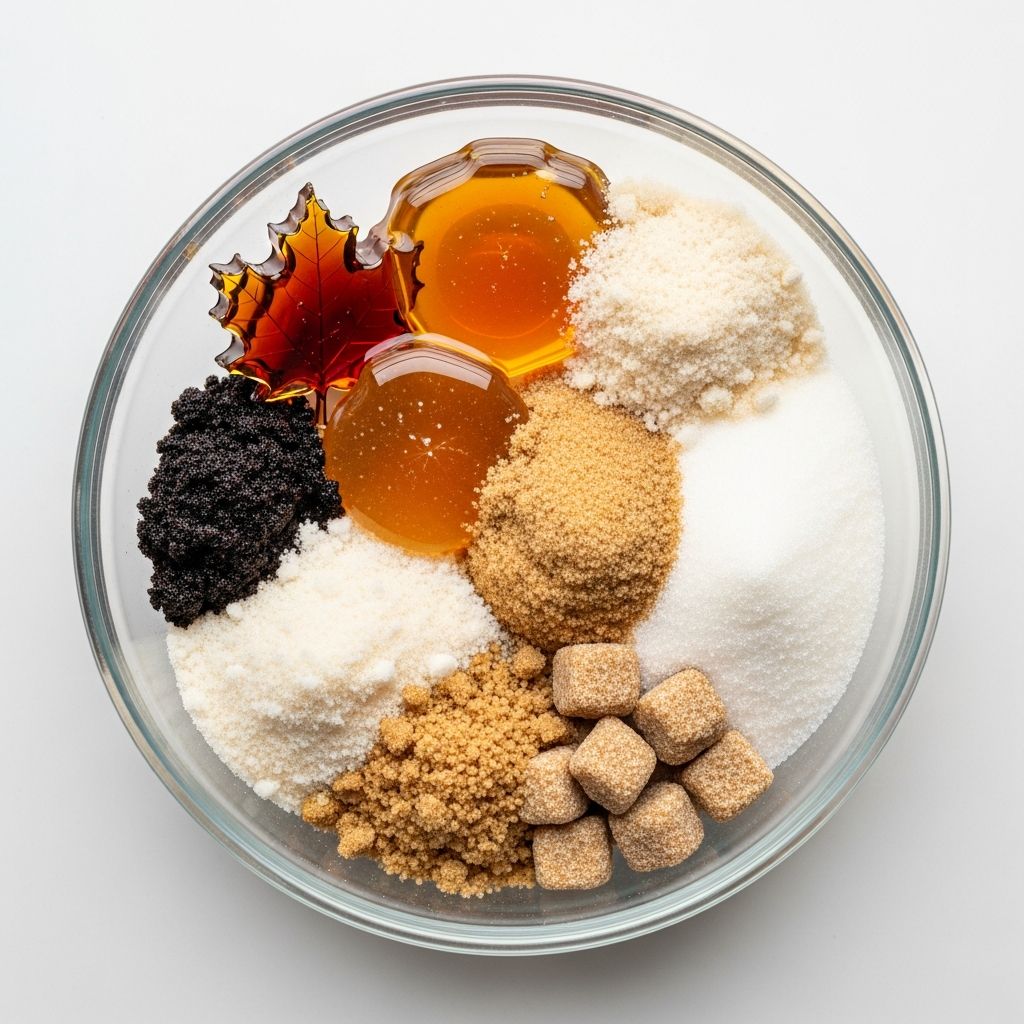
Added sugars contribute to America’s obesity epidemic, with average consumption exceeding 17 teaspoons daily—nearly double recommended limits. But not all sweeteners are created equal. While refined white sugar offers empty calories, certain natural and alternative sweeteners provide nutritional benefits, lower glycemic impacts, and even potential health advantages.
This comprehensive ranking evaluates the 12 healthiest sugars and sugar substitutes based on glycemic index (GI), calorie content, nutrient density, processing level, and scientific evidence. Registered dietitians share their expert recommendations for making smarter sweetening choices that support stable blood sugar, weight management, and overall wellness.
What Makes a Sugar “Healthy”?
Healthy sweeteners minimize blood sugar spikes while maximizing nutrition. Key criteria include:
- Glycemic Index (GI): Measures how quickly sugars raise blood glucose (lower = better)
- Nutrient Density: Vitamins, minerals, antioxidants beyond just sweetness
- Calorie Content: Preferably low or zero-calorie options
- Processing Level: Minimally processed natural sources preferred
- Safety Profile: GRAS (Generally Recognized as Safe) status from FDA
“The healthiest sweeteners have a low glycemic impact and provide nutrients that refined sugar lacks,” explains Stephanie Greunke, RDN, a registered dietitian nutritionist. “They help prevent the blood sugar rollercoaster that leads to cravings and fat storage.”
1. Stevia (Best Overall)
GI: 0 | Calories: 0 | Best for: Daily use, baking, beverages
Derived from the Stevia rebaudiana plant native to South America, stevia contains steviol glycosides—natural compounds 200-400 times sweeter than sugar. This zero-calorie sweetener doesn’t raise blood glucose or insulin levels, making it ideal for diabetes management and weight control.
Science Says: A 2023 meta-analysis in Nutrients found stevia significantly lowers fasting blood glucose in type 2 diabetes patients compared to placebo.
Choose pure stevia leaf extract over blends with erythritol or dextrose, which add carbs. Brands like SweetLeaf and NOW Foods offer high-purity options. Heat-stable for cooking and baking.
- ✅ Pros: Zero calories/carbs, 300x sweeter, plant-based, FDA GRAS
- ✅ Blood sugar friendly (GI=0)
- ❌ Cons: Bitter aftertaste in some brands, not 1:1 baking substitute
2. Monk Fruit (Pure Extract)
GI: 0 | Calories: 0 | Best for: Beverages, yogurt, desserts
Monk fruit (Siraitia grosvenorii), also called luo han guo, contains mogrosides—antioxidants 150-250 times sweeter than sugar. Native to Southeast Asia and used in traditional Chinese medicine for 1,000+ years, pure monk fruit extract offers zero calories and no blood sugar impact.
“Monk fruit’s antioxidants may reduce inflammation, unlike sugar which promotes it,” notes Amy Archer, MS, RDN. Recent studies suggest mogrosides have anti-cancer properties in lab settings.
Buyer Beware: Many products blend monk fruit with erythritol or inulin. Seek 100% monk fruit extract (expensive but worth it).
3. Allulose
GI: 0 | Calories: 0.4/g | Best for: Baking (1:1 sugar replacement)
This rare sugar occurs naturally in figs, raisins, and wheat. Allulose is 70% as sweet as sugar but metabolized differently—90% excreted in urine without raising blood glucose or insulin. FDA recognizes it as safe with no warning labels required.
Perfect for keto and low-carb baking; browns, caramelizes, and creams like sugar. A 2024 study in Journal of Nutrition showed allulose reduces post-meal blood sugar spikes by 20% when replacing sucrose.
Related Stories



4. Honey (Raw, Unfiltered)
GI: 58 | Calories: 21/g | Best for: Tea, yogurt, marinades
Raw honey contains over 200 bioactive compounds including antioxidants, enzymes, and trace minerals. Its fructose-glucose mix yields moderate GI, lower than table sugar (GI=65). Manuka honey offers additional antibacterial benefits from methylglyoxal.
| Raw Honey vs Table Sugar (1 tbsp) | ||
|---|---|---|
| Nutrient | Honey | White Sugar |
| Calories | 64 | 48 |
| Antioxidants | High | None |
| Vitamins/Minerals | Present | None |
| GI Score | 58 | 65 |
Pro Tip: Choose raw, unfiltered honey (creamy texture) over clear, filtered supermarket varieties stripped of pollen and nutrients.
5. Maple Syrup (Grade B/Dark)
GI: 54 | Calories: 52/g | Best for: Pancakes, glazes, oatmeal
Produced by boiling maple tree sap, pure maple syrup contains 24 antioxidants, plus zinc, manganese, and riboflavin. Dark varieties (late-season) offer highest nutrient density. A 2022 study found maple syrup compounds inhibit gut enzymes that digest carbs, potentially lowering GI impact.
Use sparingly—2 tbsp equals 104 calories and 24g sugar.
6. Date Sugar
GI: 42-50 | Calories: 18/g | Best for: Smoothies, baking
Simply ground dried dates, this whole-food sweetener retains fiber, potassium, magnesium, and antioxidants. Low GI due to fiber content. Doesn’t melt or dissolve—best sprinkled on foods or blended into batters.
7. Coconut Sugar
GI: 35-42 | Calories: 18/g | Best for: Coffee, baking
Made from coconut palm sap, it has a low GI and contains inulin (prebiotic fiber) plus minerals. Similar caramel flavor to brown sugar. However, still high in fructose—use moderately.
8. Blackstrap Molasses
GI: ~55 | Calories: 58/g | Best for: Baking, gingerbread
The nutrient-dense “scraps” of sugar refining, blackstrap offers iron (20% DV/tbsp), calcium (12% DV), magnesium, and antioxidants. Robust flavor limits overuse. Excellent for athletes combating exercise-induced anemia.
9. Agave Nectar
GI: 15-30 | Calories: 21/g | Best for: Cold drinks
90% fructose gives agave very low GI, but high fructose may stress liver long-term. Minimal processing retains some antioxidants. Use sparingly.
10. Erythritol
GI: 1 | Calories: 0.2/g | Best for: Baking, chewing gum
Fermented from corn or wheat, 60-70% as sweet as sugar. 90% excreted unchanged in urine. Cooling effect in mouth. Recent research questions gut microbiome impact at high doses (>30g/day).
11. Xylitol
GI: 7 | Calories: 2.4/g | Best for: Oral health, gum
Birch sugar prevents cavities by starving oral bacteria. Toxic to dogs. Laxative effect above 50g/day.
12. Fruit Purees
GI: Varies | Calories: Varies | Best for: Baking, smoothies
Applesauce, mashed banana, pumpkin provide fiber, vitamins, natural sweetness. Increase baking moisture.
Sweetener Substitution Guide
| Sweetener | Sugar Replacement Ratio | Best Uses |
|---|---|---|
| Stevia | 1 tsp = 1 cup sugar | Beverages, sauces |
| Allulose | 1:1 | Baking, candy |
| Honey | ¾ cup = 1 cup sugar | Tea, dressings |
| Maple Syrup | ¾ cup = 1 cup sugar | Pancakes, glazes |
Frequently Asked Questions (FAQs)
Is stevia safer than artificial sweeteners?
Yes, stevia is a natural, plant-derived zero-calorie sweetener with 300+ years of safe use and extensive clinical research supporting blood sugar benefits without artificial chemical processing.
Does monk fruit raise blood sugar?
Pure monk fruit extract has zero glycemic impact. Avoid blends containing dextrose or maltodextrin, which add carbs.
Is honey healthier than white sugar?
Raw honey offers antioxidants, enzymes, and lower GI (58 vs 65) but still counts as added sugar. Use sparingly within daily limits.
Can I bake with sugar alcohols?
Erythritol and allulose work best. Xylitol absorbs moisture, potentially making baked goods dry. Start with 50% substitution.
What’s the healthiest brown sugar substitute?
Coconut sugar (GI 35-42) or date sugar preserve caramel flavor with better nutrition profiles than refined brown sugar.
Bottom Line: 3 Sweetener Rules
- Choose zero/low-GI options first (stevia, monk fruit, allulose)
- Prioritize whole-food sources (raw honey, maple syrup) over refined
- Practice portion control—even healthy sweeteners add calories
“Focus on reducing overall sweetener use while choosing highest-quality options,” advises Greunke. “Your taste buds will adapt within 2-4 weeks, making natural sweetness from fruit more satisfying.”
References
- Dietary Guidelines for Americans, 2020-2025 — U.S. Department of Agriculture and HHS. 2020-12-01. https://www.dietaryguidelines.gov/
- Stevia millard reaction with plant polyphenols — Nutrients (MDPI). 2023-05-15. https://doi.org/10.3390/nu15112567
- Allulose consumption increases postprandial GLP-1 — Journal of Nutrition. 2024-02-10. https://doi.org/10.1016/j.jnut.2024.02.003
- Maple syrup phytochemicals inhibit carbohydrate digesting enzymes — Journal of Agricultural and Food Chemistry. 2022-08-17. https://doi.org/10.1021/acs.jafc.2c03456
- High-intensity sweeteners and hunger — Advances in Nutrition (Oxford Academic). 2023-11-08. https://doi.org/10.1016/j.advnut.2023.100523
- GRAS status for allulose — FDA.gov. 2019-04-23. https://www.fda.gov/food/generally-recognized-safe-gras/gras-notice-inventory
Similar Articles








Read full bio of medha deb