Healthiest Summer Fruits: Nutritional Benefits
Discover the most nutrient-dense summer fruits packed with vitamins, antioxidants, and health benefits.
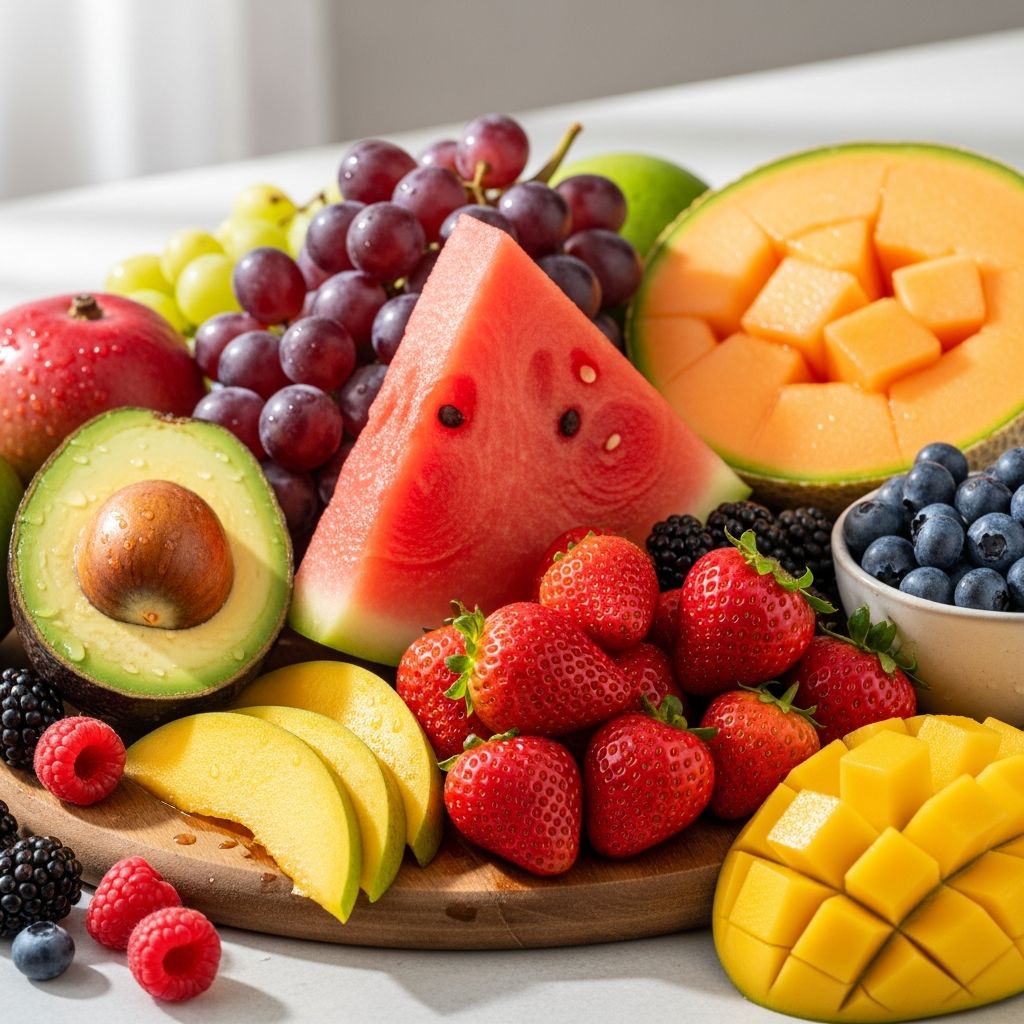
The Healthiest Summer Fruits: A Complete Nutritional Guide
Summer is the perfect season to enjoy fresh, nutrient-dense fruits that are not only delicious but also packed with vitamins, minerals, and antioxidants. As temperatures rise, nature provides us with an abundance of hydrating and energizing fruits that support overall health and wellness. Whether you’re looking to boost your immune system, improve heart health, or simply enjoy refreshing seasonal treats, understanding the nutritional benefits of summer fruits can help you make informed dietary choices.
The fruits that thrive during summer months offer remarkable health benefits that extend far beyond their appealing taste and texture. From watermelon’s exceptional hydration properties to berries’ powerful antioxidant content, each summer fruit brings unique nutritional advantages to your diet. This comprehensive guide explores the healthiest summer fruits available and explains why they deserve a prominent place on your plate.
Watermelon: The Ultimate Hydrating Fruit
Watermelon stands as one of summer’s most iconic fruits, and for good reason. Composed of approximately 92 percent water, watermelon serves as an excellent natural hydration source during hot summer months. This high water content makes it ideal for maintaining proper hydration levels and supporting bodily functions without adding excessive calories to your diet.
Beyond hydration, watermelon delivers impressive nutritional value. It contains significant amounts of lycopene, a powerful antioxidant that has been linked to reduced risk of certain cancers and cardiovascular disease. Watermelon also provides vital nutrients including:
- Vitamin A: Essential for vision, skin health, and proper functioning of the heart and lungs
- Vitamin C: Boosts immune function and promotes skin elasticity
- Potassium: Helps regulate blood pressure and eases muscle cramps
- Magnesium: Supports muscle and nerve function
Research demonstrates that adults who consumed approximately one cup of watermelon daily also increased their overall intake of fiber, magnesium, potassium, vitamin A, and lycopene while reducing consumption of added sugars and saturated fats. This suggests that incorporating watermelon into your diet naturally encourages better overall nutritional choices.
Berries: Nature’s Antioxidant Powerhouses
Summer berries represent some of the most nutrient-dense fruits available. Strawberries, raspberries, and blackberries each offer distinct nutritional profiles and health benefits that make them essential additions to a healthy summer diet.
Strawberries
Strawberries are beloved summer fruits that deliver impressive nutritional value. Just one to two cups of strawberries provide the daily recommended amount of vitamin C, a nutrient critical for immune function and collagen synthesis. Strawberries are rich in antioxidants that serve as the body’s first line of defense against disease and cellular damage.
These berries also contain significant fiber content, which reduces blood cholesterol, lowers heart disease risk, and maintains healthy bowel function. Additionally, strawberries are remarkably low in fat, sodium, and calories, making them an ideal fruit choice for those managing their weight.
Raspberries
Raspberries are loaded with phytonutrients responsible for their distinctive dark red color and impressive health benefits. Research demonstrates that raspberry nutrition supports heart health and metabolism while easing inflammation throughout the body. Like other berries, raspberries provide substantial fiber content and are rich in antioxidants that protect against chronic disease.
Related Stories



Blackberries
Blackberries earn recognition as one of the top antioxidant foods available. They are rich in important nutrients including vitamin C, vitamin K, and manganese. Blackberries’ health benefits include boosting immunity and protecting the body from chronic inflammation. Their high antioxidant content helps combat oxidative stress and reduces the risk of age-related diseases.
Blueberries
Dietitians frequently refer to blueberries as a “super fruit” due to their exceptional nutritional profile. Research indicates that blueberries contain nutrients that help reduce heart disease and type 2 diabetes risk, control weight, and boost memory function. These small but mighty fruits pack significant antioxidant power into every serving.
Stone Fruits: Vitamin-Rich Summer Delights
Summer stone fruits including peaches, apricots, and plums offer unique nutritional benefits and delicious flavors that make them popular seasonal choices.
Peaches
Peaches are beloved summer fruits featuring fuzzy skin and sweet, juicy flavor. They provide substantial amounts of vitamin C, vitamin A, and potassium. Studies have demonstrated that peaches can help reduce inflammation throughout the body. Peaches also contain lutein, a powerful antioxidant that protects eye and skin health, supporting vision quality and skin appearance as we age.
Apricots
Apricots are excellent sources of the antioxidant beta-carotene, which protects body cells from damage that can lead to Alzheimer’s disease, cancer, and other serious conditions. The body converts beta-carotene to vitamin A, a nutrient essential for healthy vision, skin, and immune function. Three fresh apricots contain only 50 calories and provide 2 grams of fiber, promoting satiety and supporting gut health.
Apricots also offer impressive nutritional variety, providing vitamin C, vitamin A, potassium, vitamin E, and vitamin K. This combination of nutrients makes apricots an excellent choice for those seeking maximum nutritional benefit from minimal calories.
Plums
Plums demonstrate antioxidant levels that rival blueberries according to researchers from Texas A&M University. Plums come in various colors, with red-fleshed varieties typically containing more antioxidant activity than lighter-colored specimens. Rich in potassium, vitamin C, and fiber, plums possess powerful antioxidant properties that support digestive health and provide satiety.
Plums offer exceptional value compared to premium fruits like berries, making them an economical choice for budget-conscious consumers seeking nutritional excellence. They can be sliced thinly, fanned on a plate, and topped with lemon zest, black pepper, and sea salt for an elegant fruit carpaccio appetizer.
Melons: Hydrating and Nutrient-Dense
Beyond watermelon, other melons provide exceptional nutritional benefits during summer months.
Cantaloupe
Cantaloupe ranks among the highest fruit sources of vitamin A and also provides vitamin C, vitamin K, potassium, magnesium, B vitamins, and fiber. Its beneficial carotenoids boost immune system function and help prevent heart disease. This orange-fleshed melon offers complete nutritional support in a naturally sweet package.
Honeydew
Honeydew is a sweet and creamy melon that reaches peak season in late summer through early winter. It contains carotenoids, including phytoene and beta-carotene, which provide anti-inflammatory and antioxidant properties. Honeydew’s refreshing taste and substantial nutrient content make it an excellent hydrating choice during warm months.
Additional Summer Fruits Worth Exploring
Beyond the fruits discussed above, several other summer options deserve consideration for their impressive nutritional profiles.
Cherries
Cherries rank among fruits with the highest antioxidant levels and are rich in vitamin A, vitamin C, and potassium. A one-cup serving contains just 77 calories, making cherries an excellent low-calorie nutrition source. Cherries support healthy sleep, blood sugar regulation, and heart health through their unique combination of nutrients and bioactive compounds.
Mango
Mango is a tropical fruit sometimes described as a cross between a peach and pineapple. It provides over 20 vitamins and minerals, including vitamin C, vitamin A, vitamin B6, and vitamin E. Mango contains fiber that helps maintain healthy blood sugar levels, promotes digestive health, and improves satiety, making it valuable for comprehensive nutritional support.
Kiwi
Kiwi provides substantial vitamin C content, earning recognition as one of the most phytonutrient-rich summer fruits. One cup of kiwi supplies 20 vital nutrients that help counteract aging and improve skin health. Research suggests that eating vitamin C-rich kiwi also improves respiratory health and supports immune function during seasonal changes.
Nutritional Comparison Table
The following table provides a quick reference for comparing key nutrients across popular summer fruits:
| Fruit | Key Nutrients | Primary Benefits | Calories (per serving) |
|---|---|---|---|
| Watermelon | Lycopene, Vitamins A & C, Potassium | Hydration, Heart Health, Cancer Prevention | 46 (per cup) |
| Strawberries | Vitamin C, Fiber, Antioxidants | Immune Boost, Heart Health, Digestion | 49 (per cup) |
| Blueberries | Antioxidants, Vitamins C & K | Brain Health, Diabetes Risk Reduction | 85 (per cup) |
| Peaches | Vitamins A & C, Potassium, Lutein | Inflammation Reduction, Eye Health | 58 (per medium fruit) |
| Apricots | Beta-Carotene, Vitamin A, Fiber | Vision Health, Cell Protection | 17 (per fruit) |
| Cantaloupe | Vitamin A, Vitamin C, Potassium | Immune Support, Heart Health | 54 (per cup) |
| Cherries | Antioxidants, Vitamins A & C | Sleep Support, Heart Health, Blood Sugar | 77 (per cup) |
| Kiwi | Vitamin C, Phytonutrients | Respiratory Health, Skin Health | 56 (per fruit) |
How to Incorporate Summer Fruits Into Your Diet
Understanding the health benefits of summer fruits is only the first step; incorporating them into your daily diet ensures you receive their nutritional advantages. Here are practical strategies for enjoying maximum benefits:
- Fresh consumption: Enjoy fruits as convenient snacks that require minimal preparation
- Smoothies and beverages: Blend fruits with yogurt or plant-based milk for nutrient-dense drinks
- Salads: Add berries and stone fruits to green salads for added nutrition and flavor complexity
- Frozen options: Freeze berries and melons to extend their shelf life while maintaining nutritional value
- Grilling: Grill peaches and other stone fruits for enhanced flavor and caramelization
- Desserts: Create naturally sweet treats using fresh fruit instead of processed sugars
Selecting and Storing Summer Fruits
To maximize nutritional benefits, proper selection and storage of summer fruits is essential. Choose fruits that are ripe but firm, avoiding those with bruises or soft spots. Most summer fruits should be stored in the refrigerator to maintain freshness and preserve nutrient content. Berries typically last three to five days, while melons and stone fruits can be stored for one to two weeks when kept properly cool.
Seasonal Availability and Sustainability
Summer represents peak season for most of these fruits, meaning they are at maximum ripeness and nutritional value while being most abundantly available and affordable. Purchasing seasonal produce supports local farmers, reduces environmental impact from transportation, and ensures you receive fruits at their nutritional peak. This alignment between nutrition, economics, and sustainability makes summer fruit consumption an excellent dietary choice.
Frequently Asked Questions
Q: What makes summer fruits more nutritious than fruits available other seasons?
A: Summer fruits reach peak ripeness during their natural growing season, allowing them to develop maximum nutrient density. They require less transport time and storage, preserving vitamins and antioxidants that degrade over time.
Q: Can frozen summer fruits provide the same nutritional benefits as fresh?
A: Yes, frozen fruits are typically frozen at peak ripeness and retain most nutritional value. Freezing preserves vitamins and antioxidants effectively, making frozen berries and melons excellent alternatives when fresh options are unavailable.
Q: How much summer fruit should I eat daily for health benefits?
A: Most nutrition guidelines recommend consuming two to three servings of fruit daily. Summer fruits are ideal for meeting these recommendations while enjoying variety and seasonal flavors.
Q: Are there any summer fruits I should limit if I have health conditions?
A: Those with blood sugar concerns should monitor portion sizes of sweeter fruits like mango and grapes. Individuals taking certain medications should consult healthcare providers about fruit consumption. Generally, summer fruits are safe and beneficial for most people.
Q: What is the best way to wash summer fruits before consumption?
A: Rinse fruits under clean running water, gently rubbing the surface with your hands or a soft brush for melons and stone fruits. For berries, rinse just before consuming to prevent mold growth. Avoid using soap or commercial cleaners.
References
- 5 Healthy Summer Fruits — Consumer Reports. https://www.consumerreports.org/health/nutrition-healthy-eating/healthy-summer-fruits-a2522264254/
- Top 20 Summer Fruits and How to Add Them to Your Diet — Dr. Axe. https://draxe.com/nutrition/summer-fruits/
- The Healthiest Summer Fruits — Yeditepe Üniversitesi Hastanesi. https://yeditepehastaneleri.com/en/health-guide/healthy-nutrition/healthiest-summer-fruits
- Health benefits of summer fruit — Riverside Health. https://www.riversideonline.com/en/patients-and-visitors/healthy-you-blog/blog/h/health-benefits-of-summer-fruit
- Five summer fruits and vegetables you should be eating — Go Health UC. https://www.gohealthuc.com/library/five-fruits-and-vegetables-you-should-be-eating-summer
Similar Articles








Read full bio of medha deb