Healthiest Types Of Coffee: 5 Top Picks For Your Health
Discover the healthiest coffee types, backed by science, to maximize antioxidants, minimize calories, and boost your wellness routine.
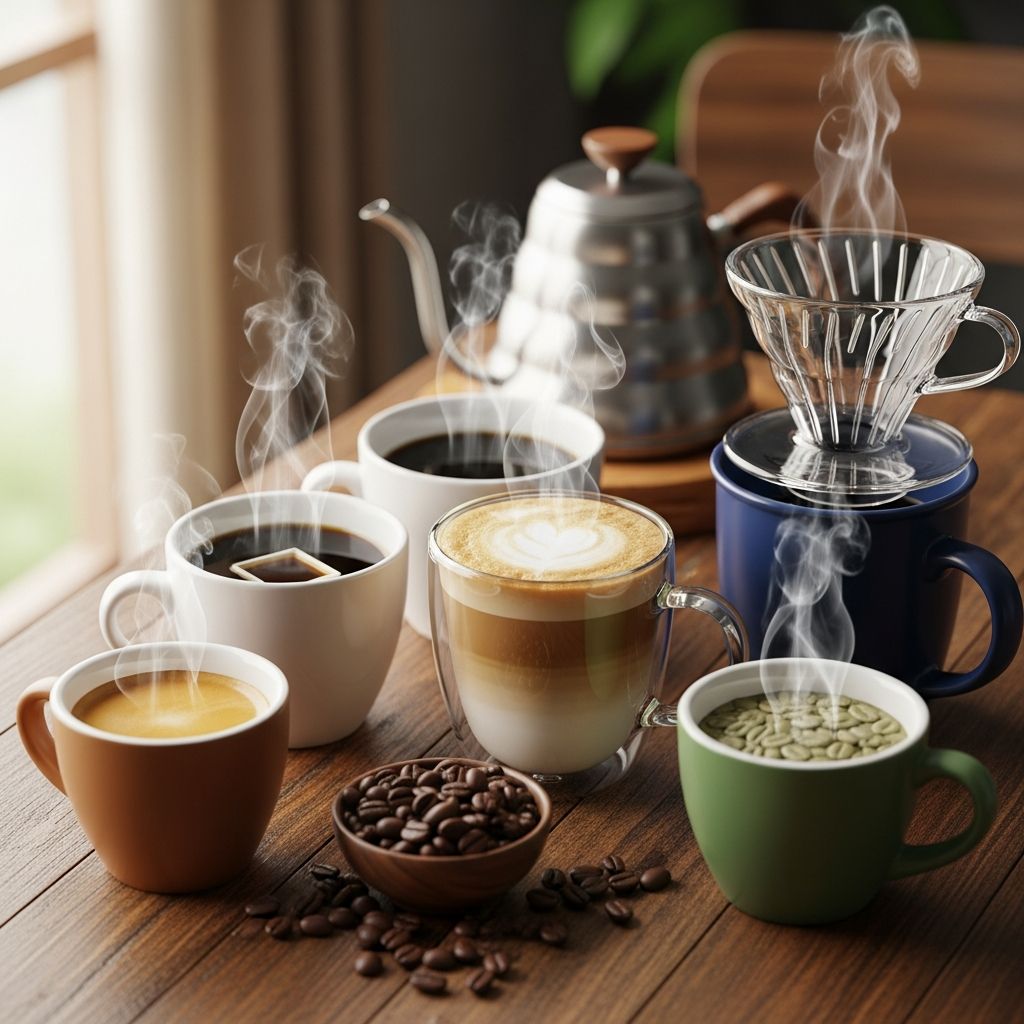
Coffee is more than a morning ritual—it’s a powerhouse of antioxidants and health-promoting compounds. Regular consumption links to lower risks of type 2 diabetes, heart disease, stroke, and certain cancers, with moderate intake of 3-4 cups daily offering optimal benefits.
Why Coffee is Healthy
Coffee’s health edge comes from antioxidants like chlorogenic acid, phenolic acids, and flavonoids, which combat inflammation, stabilize free radicals, and protect against chronic diseases. One cup delivers 200-550 mg of antioxidants, aiding fat and sugar processing while supporting gut microbiome diversity. Studies show benefits for liver health, depression reduction, and even Parkinson’s symptom improvement with 200 mg daily caffeine.
1. Black Coffee
**The gold standard for health**: Black coffee—hot-brewed without additives—is virtually calorie-free, carb-free, low-sodium, and rich in micronutrients like potassium, magnesium, and niacin. It maximizes antioxidants since no milk or sugar dilutes its benefits.
- Antioxidant boost: Chlorogenic acid fights inflammation and supports heart health.
- Zero calories: Ideal for weight management, unlike sweetened versions.
- Preparation tip: Hot brewing extracts more antioxidants than cold brew, though cold brew suits acid reflux with lower acidity.
Research confirms black coffee tops health studies for disease risk reduction.
2. Espresso
Don’t let the small size fool you—espresso concentrates flavor and health perks by forcing hot water through finely ground beans under pressure. A single shot rivals larger cups in beneficial compounds.
- High antioxidants: 6.23 mg/mL melanoidins and 158.31 mg/100 mL chlorogenic acids, outpacing Americano or instant.
- Quick energy: Intense caffeine hit without excess volume.
- Health perks: Supports metabolism and reduces oxidative stress.
Perfect for those seeking potency in minimal servings.
3. Decaf Coffee
For caffeine-sensitive individuals, decaf removes 97% of caffeine while retaining antioxidants and flavor. Enjoy heart health support and inflammation reduction without jitters.
- Ideal timing: Afternoon or evening cups without sleep disruption.
- Full benefits: Same polyphenols and chlorogenic acids as regular.
- Caveat: Choose Swiss Water Process decaf to avoid chemical residues.
Great for multiple daily servings.
4. Light Roast Coffee
Lighter roasts preserve more antioxidants and chlorogenic acids than dark roasts, with slightly less caffeine—beneficial for sensitivity.
- Antioxidant retention: Higher phenolic acids and flavonoids; medium roasts balance caffeine and activity.
- Bean choice: Arabica (0.9-1.5% caffeine) for milder profile vs. robusta (1.2-2.4%).
- Organic edge: More phenolic acids, though less caffeine.
Studies favor light/medium for maximal free radical protection.
5. Cold Brew Coffee
Cold brew extracts via cold water over hours, yielding lower acidity and higher caffeine per ounce—gentle on stomachs.
- Acid reflux-friendly: Smoother than hot brew.
- Caffeine jolt: Stronger kick for energy needs.
- Antioxidants: Still high, though hot brew edges out.
Best black to preserve purity.
Bean Types: Arabica vs. Robusta
Bean variety influences health profile.
| Bean Type | Caffeine Content | Flavor | Health Notes |
|---|---|---|---|
| Arabica | 0.9-1.5% | Sweet, complex | Less caffeine, full antioxidants |
| Robusta | 1.2-2.4% | Bitter, strong | Higher caffeine, similar antioxidants post-roast |
Both deliver benefits; choose by tolerance.
Brewing Methods and Antioxidants
Method impacts nutrient extraction.
Related Stories



- AeroPress: Highest antioxidants.
- French Press/Espresso: Lower but still very high.
- Optimal: Organic beans, medium roast, 3-minute brew for peak phenolics.
Shorter brews boost acids; longer favors flavonoids.
Specialty Coffees: Mushroom and Turmeric
Trendy additions promise extras, but evidence is limited.
Mushroom Coffee
Infused with lion’s mane, chaga, cordyceps, or reishi—lower caffeine, added polyphenols. A 2020 study showed slightly higher antioxidants than regular coffee but lower beta-glucans than raw mushrooms. Claims of immunity boosts lack robust backing.
Turmeric Coffee
Turmeric’s curcumin offers anti-inflammatory potential, but coffee combos need more research for digestion or mood claims.
Enjoy sparingly; prioritize evidence-based basics.
Healthier Add-Ins and Pitfalls
Avoid sabotaging benefits:
- Skip sugar/cream: Empty calories erase advantages.
- Cinnamon: Stabilizes blood sugar.
- Alternative sweeteners: Stevia over sugar.
- Hydrate: Match coffee with water to counter diuretic effect.
Smaller servings control caffeine.
Frequently Asked Questions (FAQs)
What is the absolute healthiest coffee?
Black, hot-brewed light roast—max antioxidants, zero additives.
Does decaf have the same benefits?
Yes, retains most antioxidants minus caffeine.
Light or dark roast for health?
Light/medium: more chlorogenic acids and antioxidants.
Is cold brew healthier?
Lower acid, higher caffeine per ounce; good alternative.
Are mushroom coffees worth it?
Limited evidence; regular coffee suffices.
How much coffee is healthy daily?
3-4 cups moderate intake links to lowest disease risks.
Final Thoughts
Healthiest coffee aligns with your needs: black for purity, light roasts for antioxidants, decaf for sensitivity. Prioritize quality beans and minimal additives for peak benefits. Consult a doctor for personalized advice, especially with conditions.
References
- What’s the healthiest coffee to drink? — FreshGround. 2023. https://freshground.co.uk/learning-hub/whats-the-healthiest-coffee-to-drink-2/
- Healthiest Coffee: Types, Preparation, Benefits, and More — ZOE. 2024. https://zoe.com/learn/healthiest-coffee
- Healthiest Coffees — WebMD. 2024. https://www.webmd.com/diet/ss/slideshow-healthiest-coffees
- Coffee and Antioxidants: Everything You Need to Know — Healthline. 2024. https://www.healthline.com/nutrition/coffee-worlds-biggest-source-of-antioxidants
- Five Healthier Ways to Drink Your Coffee — American Barista & Coffee School. 2020-05-01. https://www.abca.org/magazine/magazine/2020-3-May_June/Five_Healthier_Ways_to_Drink_Your_Coffee.aspx
Similar Articles








Read full bio of Sneha Tete