Healthiest Vegetables Ranked: 15 Nutrient-Dense Powerhouses
Discover the top nutrient-dense vegetables backed by science to boost your health and prevent chronic diseases effectively.
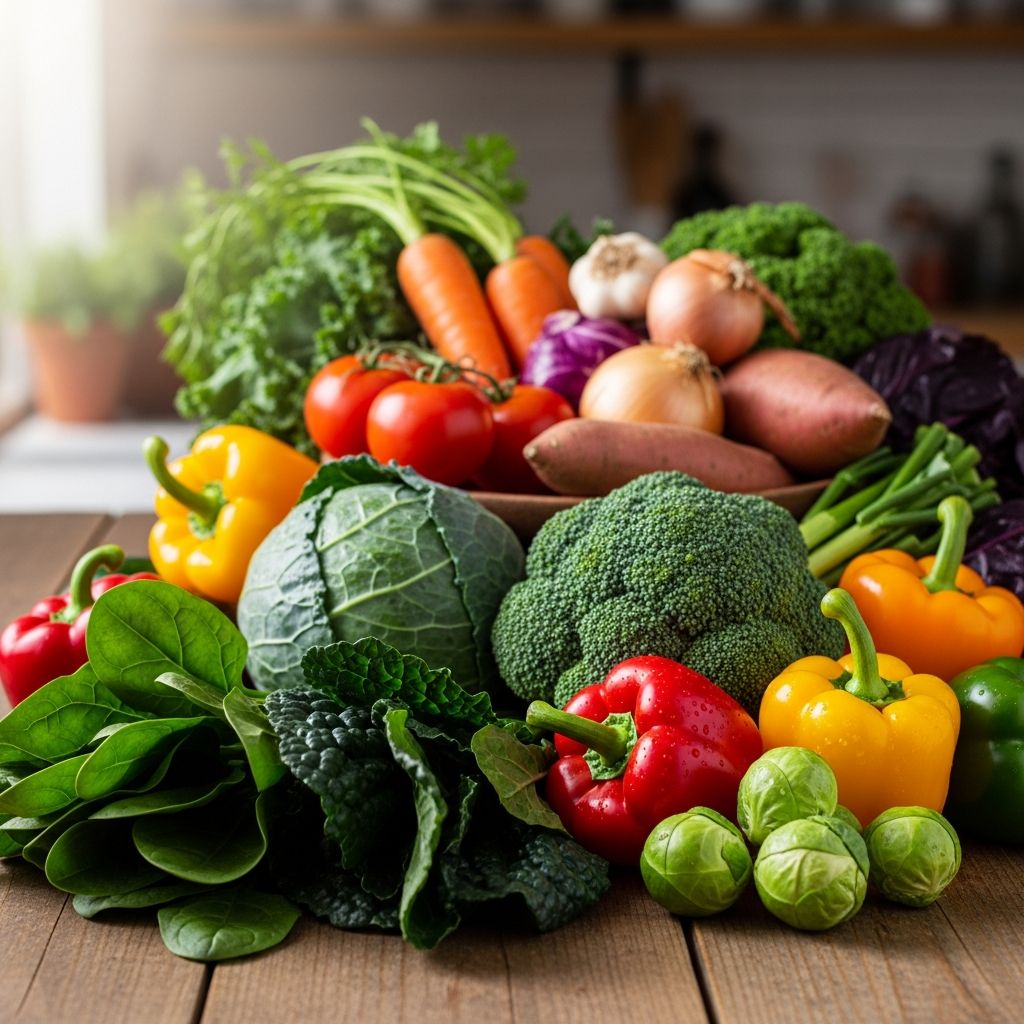
Vegetables are powerhouse foods packed with vitamins, minerals, fiber, and antioxidants that support overall health, reduce chronic disease risk, and promote longevity. According to CDC research on nutrient density—the ratio of nutrients to calories—leafy greens dominate the top spots. This article ranks the healthiest vegetables, details their benefits, and provides practical tips for daily incorporation.
What Makes a Vegetable ‘Healthy’?
Nutrient density measures essential nutrients like vitamins A, C, K, iron, potassium, and fiber per calorie. The CDC identified 41 powerhouse fruits and vegetables linked to lower chronic disease risk, with five green vegetables topping the list: watercress, Chinese cabbage, chard, beet greens, and spinach. Harvard research reinforces that green leafy vegetables like spinach and Swiss chard strongly associate with reduced cardiovascular disease risk.
Variety matters: cruciferous veggies (broccoli, kale) offer cancer-fighting compounds like sulforaphane, while root vegetables like sweet potatoes provide beta-carotene for eye health.
Top 15 Healthiest Vegetables
Based on nutrient density scores, expert rankings, and health benefits from credible sources, here are the top 15.
- Watercress
Watercress earns the #1 spot with the highest nutrient density. This cruciferous green is rich in vitamins K, C, carotenoids, folates, and fiber. Studies link higher carotenoid levels to lower cancer risk. Low-calorie (11 kcal/cup), it’s ideal for salads or smoothies. - Chinese Cabbage (Bok Choy/Napa)
High in vitamins K, A, C, selenium, and fiber. Vitamin A supports immunity and vision; selenium aids thyroid function. Versatile in stir-fries or soups. - Swiss Chard
Packed with vitamins K, A, C, potassium, and antioxidants. Potassium helps regulate blood pressure. Use in sautés or as wraps. - Beet Greens
Often discarded, these tops rival spinach in nutrients: vitamins A, C, K, iron, and potassium. Low-calorie and versatile. - Spinach
Antioxidant powerhouse low in calories but high in iron, vitamins K, A, C, and potassium. Excellent for plant-based diets needing calcium and iron. Raw in salads or cooked. - Kale
Nutrient-dense raw, with sulforaphane for cancer prevention and high vitamin C, carotenoids. Top-tier for micronutrients. - Broccoli
Cruciferous star with fiber, vitamins C, K, folate. Supports digestion and immunity. - Brussels Sprouts
Rich in vitamins C, K, folate, fiber (37.8 kcal/cup). Aids fullness and gut health. - Peas
Plant protein source with fiber, saponins for gut health and cancer protection. Provides vitamins A, C, B6, potassium. - Sweet Potatoes
Low glycemic index, high in beta-carotene (over daily vitamin A), fiber for blood sugar control. Great for diabetes management. - Beets
Nitrates improve blood flow; rich in folate and manganese. - Carrots
Beta-carotene boosts eye health and fights cancer. - Seaweed (Kelp, Nori)
Rare plant source of omega-3s (DHA/EPA). Eat small amounts for iodine. - Collard Greens
Impressive micronutrient profile, low-calorie, anti-inflammatory. - Bell Peppers
Antioxidant-rich, especially vitamin C and quercetin.
Key Nutrients and Health Benefits
| Vegetable | Key Nutrients | Health Benefits |
|---|---|---|
| Watercress | Vit K, C, carotenoids, fiber | Cancer risk reduction, bone health |
| Spinach | Iron, Ca, Vit A/C/K | Anemia prevention, bone/eye health |
| Kale | Sulforaphane, Vit C | Anti-cancer, anti-inflammatory |
| Sweet Potatoes | Beta-carotene, fiber | Blood sugar control, vision |
| Broccoli | Vit C/K, folate | Immunity, digestion |
Diets rich in these reduce heart disease, stroke, and cancers of mouth, throat, esophagus. Non-starchy veggies like leafy greens and cruciferous types are particularly protective.
Tips to Eat More Vegetables
- Aim for variety: Rotate colors weekly for broad nutrients.
- Dark greens 3-4x/week: Spinach, kale, broccoli.
- Prep easy: Wash, chop ahead; freeze for smoothies.
- Cooking methods: Steam to retain nutrients; raw for kale/spinach.
- Recipes: Watercress salad, stir-fried bok choy, kale chips, sweet potato bake.
Sample Weekly Meal Plan
| Day | Lunch | Dinner |
|---|---|---|
| Monday | Spinach salad w/ carrots | Broccoli stir-fry w/ bok choy |
| Tuesday | Kale smoothie | Swiss chard sauté |
| Wednesday | Brussels sprouts roast | Sweet potato & peas |
| Thursday | Watercress soup | Beet greens w/ beets |
| Friday | Collard wraps | Bell pepper stir-fry |
Frequently Asked Questions (FAQs)
What is the #1 healthiest vegetable?
Watercress tops CDC nutrient density rankings due to its vitamin, mineral, and antioxidant profile per calorie.
Are raw vegetables healthier than cooked?
Raw preserves vitamin C (e.g., kale), but cooking enhances bioavailability of lycopene/beta-carotene. Balance both.
How many vegetables should I eat daily?
At least 2-3 cups, emphasizing dark greens 3-4 times weekly.
Related Stories



Can vegetables help with weight loss?
Yes, low-calorie, high-fiber options like leafy greens promote satiety.
Are frozen vegetables as nutritious?
Yes, often flash-frozen at peak ripeness, retaining nutrients comparable to fresh.
Potential Downsides and Considerations
Oxalates in spinach/chard may hinder calcium/iron absorption—pair with vitamin C sources. Goitrogens in cruciferous veggies (raw kale) can affect thyroid; cook to reduce. Limit seaweed to avoid excess iodine. Consult doctors for specific conditions.
Incorporate these vegetables consistently for optimal benefits. A colorful plate ensures comprehensive nutrition.
References
- What Are the Healthiest Vegetables? — NewYork-Presbyterian Health Matters. 2023. https://healthmatters.nyp.org/what-are-the-healthiest-vegetables/
- 15 healthiest vegetables: Nutrition and health benefits — Medical News Today. 2023-07-29. https://www.medicalnewstoday.com/articles/323319
- Vegetables and Fruits — Harvard T.H. Chan School of Public Health Nutrition Source. 2024. https://nutritionsource.hsph.harvard.edu/what-should-you-eat/vegetables-and-fruits/
- The 8 Best Vegetables for Your Health — Hartford Hospital. 2023. https://hartfordhospital.org/about-hh/news-center/news-detail?articleId=66234&publicid=395
- Top 10 Foods for Health — UCSF Health. 2024. https://www.ucsfhealth.org/education/top-ten-foods-for-health
Similar Articles








Read full bio of medha deb