Healthiest Ways to Eat Eggs: 4 Best Methods for Optimal Nutrition
Discover the best cooking methods, nutritional benefits, and expert tips for maximizing the health advantages of eggs in your diet.
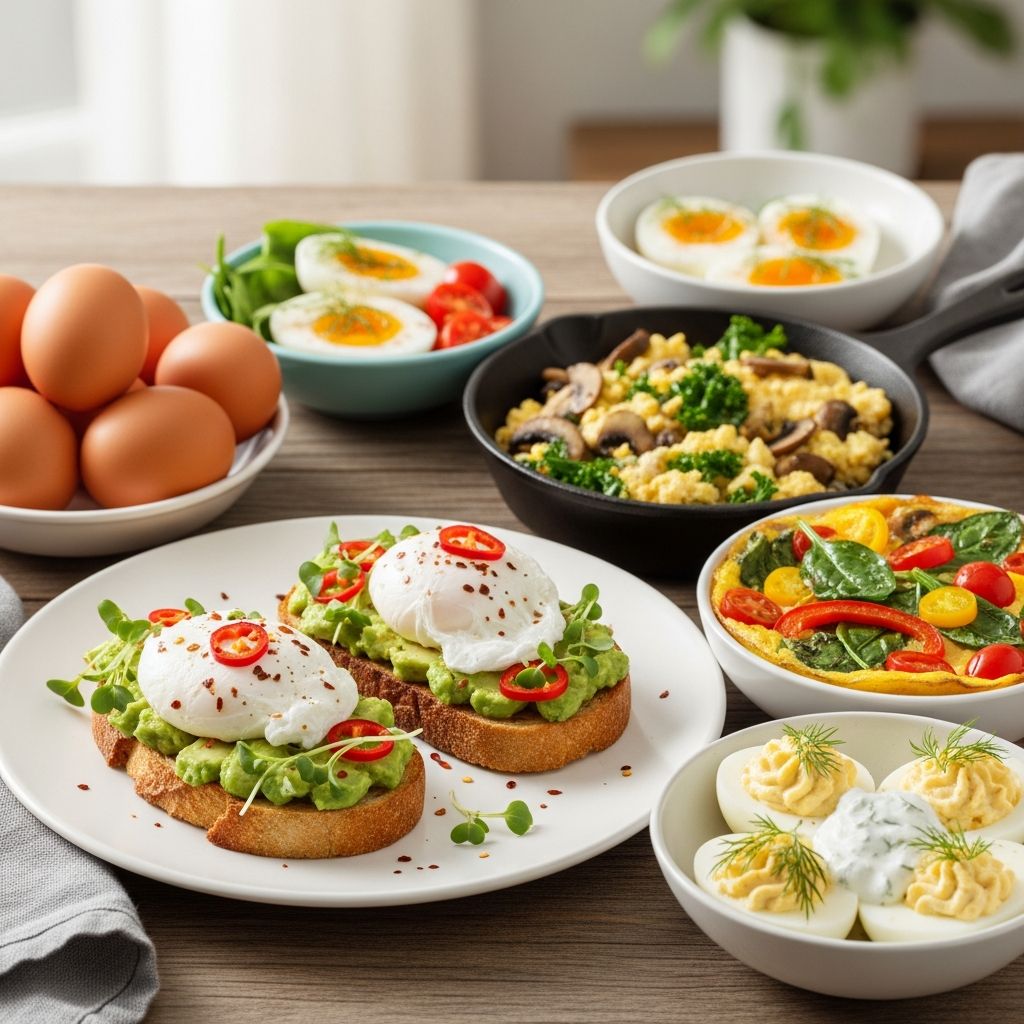
Eggs are a nutritional powerhouse, offering high-quality protein, essential vitamins, and minerals that support overall health when prepared correctly. The healthiest methods prioritize nutrient retention, minimize added fats, and ensure food safety, such as boiling, poaching, and baking over frying.
Why Eggs Are So Healthy
Eggs provide complete protein with all nine essential amino acids, making them ideal for muscle repair and satiety. A large egg contains about 6 grams of protein, 5 grams of healthy fats, vitamins like B12, D, and choline for brain health, and antioxidants lutein and zeaxanthin for eye protection.
Despite past concerns over cholesterol (about 186 mg per large egg), recent research shows dietary cholesterol has minimal impact on blood cholesterol for most people. Eggs raise HDL (‘good’ cholesterol) levels, reducing heart disease risk when part of a balanced diet. The American Heart Association now endorses up to one egg daily for healthy adults, emphasizing total dietary patterns over isolated foods.
- Protein Powerhouse: Eggs promote fullness, aiding weight management by curbing hunger.
- Vitamin D Source: Supports bone health, calcium absorption, and immune function.
- Choline Rich: Vital for brain development, cognitive function, and liver health; one egg delivers over 100 mg.
- Eye Health: Lutein and zeaxanthin combat age-related macular degeneration.
Opt for pasture-raised or omega-3 enriched eggs for higher nutrient density, including more vitamin E and omega-3s, though standard eggs remain highly beneficial.
The Healthiest Ways to Cook Eggs
Cooking methods affect nutrient bioavailability and add unnecessary calories. Health experts recommend gentle heat to preserve heat-sensitive nutrients like B vitamins and antioxidants.
| Method | Health Benefits | Nutrient Retention | Calories (per egg) |
|---|---|---|---|
| Boiled | No added fat; fully cooks yolk safely | High; minimal loss | 78 |
| Poached | Retains runny yolk for bioavailability | Excellent; water-soluble vitamins preserved | 72 |
| Baked | Even cooking; versatile for recipes | Good; low oxidation | 80 |
| Steamed/Soft-Cooked | Short cook time; nutrient-dense | Superior; least degradation | 75 |
| Fried (Avoid) | Added oils increase saturated fats | Moderate; some oxidation | 90+ |
1. Hard-Boiled Eggs
Boiling is the simplest, healthiest method. Place eggs in boiling water for 9-12 minutes, then ice bath for easy peeling. This kills bacteria like Salmonella while retaining 90% of nutrients. Perfect for salads, snacks, or meal prep; no oil needed.
2. Poached Eggs
Poaching uses simmering water, preserving a runny yolk rich in fats and vitamins. Add vinegar to water for better coagulation. Cook 3-5 minutes for soft yolks. Ideal over veggies or whole grains for nutrient synergy.
3. Baked Eggs
Bake in muffin tins or ramekins at 350°F for 12-15 minutes. Customize with spinach or tomatoes for a nutrient boost. Low-calorie and hands-off.
4. Scrambled (Minimal Oil)
Use non-stick pan with water or broth instead of butter. Low heat prevents overcooking and rubbery texture. Stir constantly for fluffy results.
Avoid microwaving (uneven cooking risks bacteria) and deep-frying (excess calories, acrylamide formation).
Are Egg Whites or Yolks Healthier?
Related Stories



The yolk holds 90% of an egg’s nutrients: fats, vitamins A, D, E, K, choline, and antioxidants. Whites offer lean protein but lack these. Whole eggs provide superior satiety and health benefits. Discard yolk only if you have specific hypercholesterolemia; otherwise, eat whole.
Raw Eggs: A Risky Choice
Raw eggs risk Salmonella (1 in 20,000 eggs). Pasteurization kills bacteria without cooking. Limit raw to trusted sources like pasteurized for smoothies or mayo. Cooking to 160°F ensures safety.
Best Egg Recipes for Health
Spicy Avocado Egg Bake
Halve avocados, crack an egg into each pit, season, bake 12-15 minutes. Healthy fats from avocado pair with egg protein for a satisfying meal.
- Ingredients: 2 avocados, 2 eggs, salt, pepper, chili flakes.
- Nutrition: ~300 calories, 15g protein, heart-healthy fats.
Poached Eggs on Zucchini Noodles
Spiralize zucchini, sauté lightly, top with poached egg. Runny yolk sauces the ‘noodles’ naturally.
Other Ideas
- Veggie Egg Muffins: Bake with peppers, spinach.
- Egg Salad: Use Greek yogurt instead of mayo.
- Omelets: Load with mushrooms, kale.
How Many Eggs Should You Eat Per Day?
1-2 eggs daily is safe for most, providing 12-24g protein without excess cholesterol impact. Athletes or active individuals can eat 3+. Monitor if you have diabetes or heart issues; consult a doctor. Pair with fiber-rich foods to balance.
FAQs
Are eggs bad for cholesterol?
No, eggs primarily raise HDL and don’t significantly affect LDL in healthy people. Focus on overall diet.
Which is healthier: boiled or fried eggs?
Boiled; no added fats, better nutrient retention.
Can I eat eggs every day?
Yes, 1-2 daily supports health for most adults.
Are brown eggs healthier than white?
No difference; shell color is breed-dependent.
Best eggs to buy?
Pasture-raised for optimal omega-3s and nutrients.
Storage and Safety Tips
Refrigerate at 40°F or below; use within 3-5 weeks. Cook thoroughly. Wash shells before cracking to avoid bacteria.
References
- Eggs Are a Powerhouse… Here’s Why! — Ironwood Cancer & Research Centers. 2022-04-01. https://www.ironwoodcrc.com/eggs-are-a-powerhouse-heres-why/
- Dietary Guidelines for Americans, 2020-2025 — U.S. Department of Health and Human Services (HHS.gov). 2020-12-01. https://www.dietaryguidelines.gov/
- Eggs and Heart Health — American Heart Association (heart.org). 2023-05-15. https://www.heart.org/en/healthy-living/healthy-eating/eat-smart/nutrition-basics/eggs
- Choline: An Essential Nutrient — National Institutes of Health (nih.gov). 2022-09-28. https://ods.od.nih.gov/factsheets/Choline-HealthProfessional/
- Shell Eggs from Farm to Table — USDA Food Safety and Inspection Service (fsis.usda.gov). 2024-01-10. https://www.fsis.usda.gov/food-safety/safe-food-handling-and-preparation/eggs/shell-eggs-farm-table
Similar Articles








Read full bio of Sneha Tete