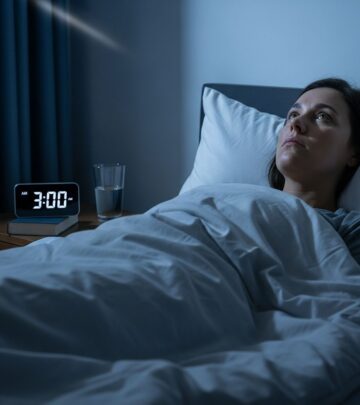
Healthiest Way To Sleep: 5 Principles For Better Rest
Discover the healthiest ways to sleep for optimal rest, backed by science and expert tips to improve your nightly routine and overall well-being.
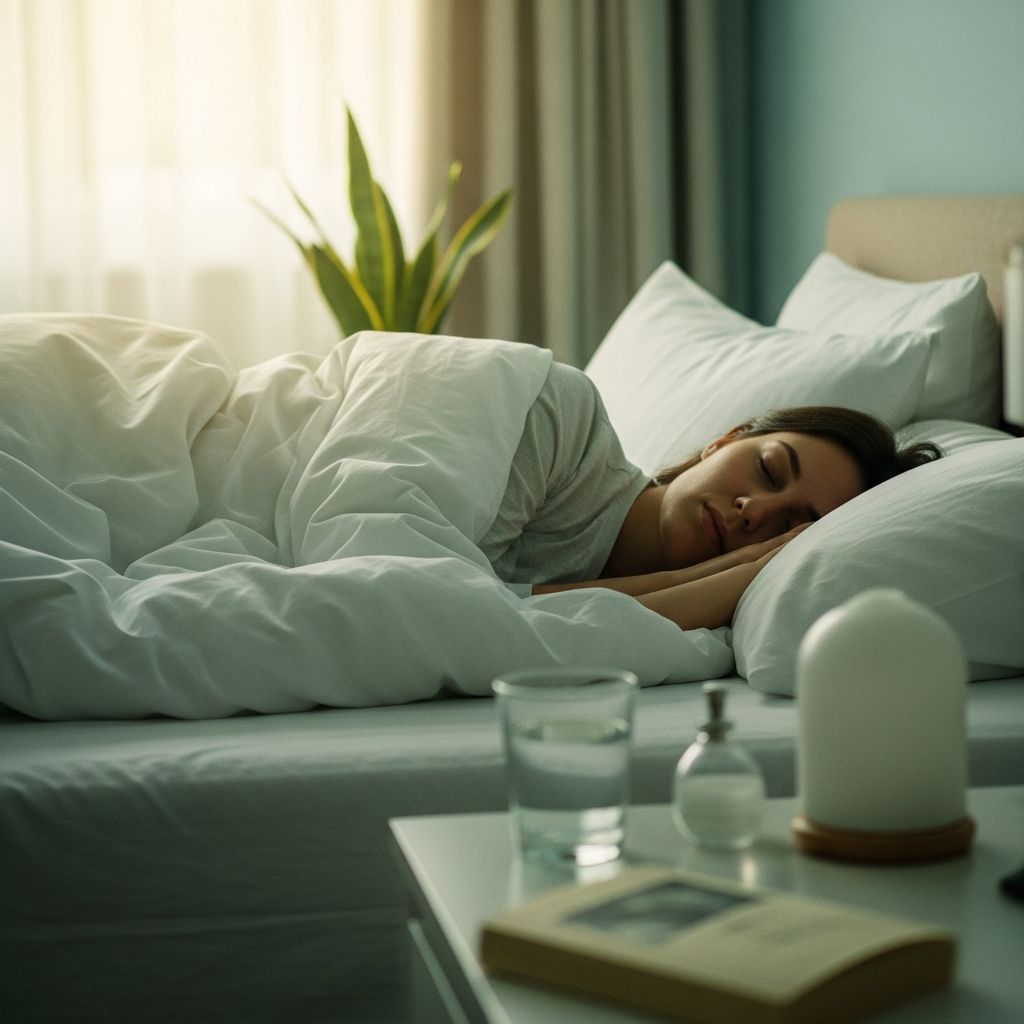
Sleep is essential for health, helping you get sick less often, maintain a healthy weight, and improve overall function. The healthiest way to sleep involves optimal positions, hygiene practices, and habits that align with your body’s natural rhythms.
What Is the Healthiest Sleep Position?
The healthiest sleep position minimizes strain on the spine, reduces acid reflux, and promotes unrestricted breathing. Back sleeping emerges as the top choice for spinal alignment and fewer wrinkles, though side sleeping benefits specific health conditions.
- Back Sleeping: Keeps the head, neck, and spine in neutral alignment, reducing lower back pain risk. Ideal for wrinkle prevention as it avoids facial pressure.
- Side Sleeping: Best for pregnant individuals, those with sleep apnea, or GERD, as it aids digestion and keeps airways open.
- Stomach Sleeping: Least healthy due to neck strain and spinal curvature; avoid if possible.
Healthiest Sleep Position for Back Pain
For back pain sufferers, back or side sleeping with knee support preserves the spine’s natural curve. Place a pillow under the knees when back sleeping or between the knees when side sleeping to align hips and reduce pressure.
Healthiest Sleep Position for Neck Pain
Neutral neck alignment prevents pain. Back sleepers use a supportive pillow; side sleepers ensure the pillow fills the shoulder-head gap. Avoid stomach sleeping, which twists the neck.
Healthiest Side to Sleep On
Left-side sleeping is healthiest for heartburn relief and fetal circulation during pregnancy. Right-side may increase reflux risk. Both sides support spine health with proper pillow use.
How to Back Sleep
To adopt back sleeping: Use a medium-firm pillow for head support, place a pillow under knees to relax hip flexors, and ensure a supportive mattress.
- Start practicing gradually if you’re a side sleeper.
- Avoid thick pillows that push the head forward.
Sleep Hygiene Tips for Better Rest
Sleep hygiene creates an environment and routines for consistent sleep. Key practices include fixed schedules and relaxation techniques.
| Category | Tips |
|---|---|
| Schedule | Fixed wake-up time daily; consistent bedtime routine. |
| Environment | Cool room (65°F), dark, quiet; use earplugs or white noise. |
| Pre-Bed | Dim lights, no screens 30-60 min before bed; relax with reading or stretching. |
5 Principles of Good Sleep Health
Adopt these principles to foster healthy sleep: Value, Prioritise, Personalise, Trust, and Protect your sleep.
- Value Sleep: Treat it as essential like food and water for daily function.
- Prioritise Sleep: Schedule it first; go to bed sleepy, rise at fixed times.
- Personalise: Experiment to find what works for your body.
- Trust: Rely on natural sleep drive; avoid forcing it.
- Protect: Shield from disruptors like caffeine, screens, and stress.
Related Stories



Best Mattress and Pillow for Healthy Sleep
Choose a medium-firm mattress for spinal support and a pillow matching your position: contoured for back sleepers, thicker for side sleepers.
Foods and Habits to Avoid Before Bed
Avoid caffeine after noon, alcohol, heavy/spicy meals, and nicotine, as they disrupt sleep cycles.
- Opt for light snacks if needed.
- Exercise earlier in the day.
Benefits of Quality Sleep
Good sleep boosts immunity, weight management, mood, and cognitive function. Consistent hygiene reduces insomnia risk.
Frequently Asked Questions
Is back sleeping the healthiest position?
Yes, back sleeping best aligns the spine and minimizes pressure points, though side sleeping suits certain conditions.
How cool should my bedroom be for sleep?
Around 65°F (18°C) promotes sleep by matching body temperature drop.
Can I check my phone before bed?
No, avoid screens 30-60 minutes prior due to blue light suppressing melatonin.
What if I can’t fall asleep in 20 minutes?
Get up, do a relaxing activity in dim light, then retry to associate bed with sleep.
Does exercise help sleep?
Yes, regular activity improves sleep quality but avoid vigorous exercise close to bedtime.
Building a Sleep Routine
Combine positions with hygiene: Maintain consistent times, create a wind-down ritual, and personalize protections. Track progress to refine habits.
Implementing these strategies leads to restorative sleep. Value sleep as a pillar of health for long-term vitality.
References
- About Sleep — Centers for Disease Control and Prevention (CDC). 2024. https://www.cdc.gov/sleep/about/index.html
- Sleep Hygiene — Sleep Foundation. 2024. https://www.sleepfoundation.org/sleep-hygiene
- The ‘5 principles’ of good sleep health — PubMed Central (PMC), National Institutes of Health (NIH). 2022-07-05. https://pmc.ncbi.nlm.nih.gov/articles/PMC9285041/
Similar Articles








Read full bio of Sneha Tete