Healthiest Ways to Cook Chicken: A Nutritionist’s Guide
Master the best cooking methods for nutritious, delicious chicken every time.
Healthiest Ways to Cook Chicken: A Complete Guide
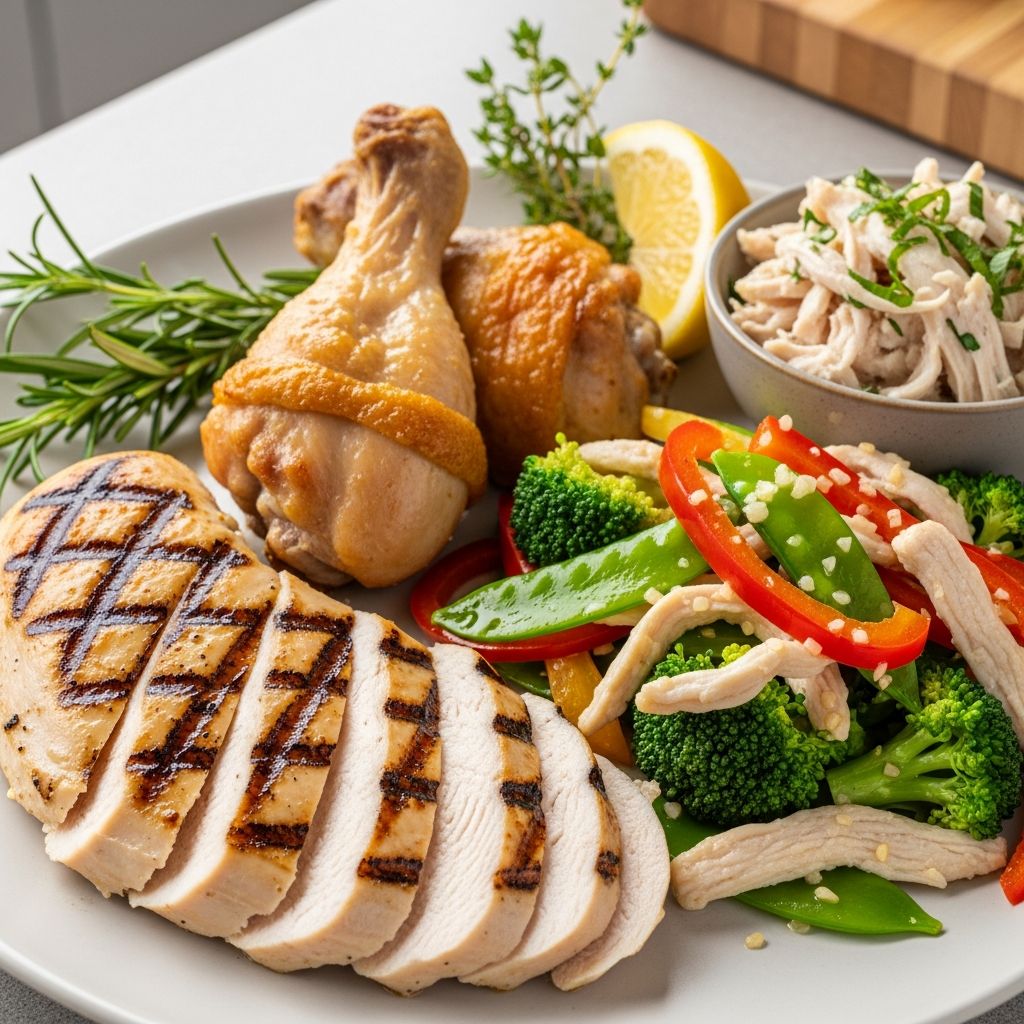
Chicken is one of the most versatile and nutritious proteins available, offering essential amino acids, vitamins, and minerals like iron and potassium. However, the way you prepare chicken significantly impacts its nutritional value and potential health risks. Some cooking methods can increase the production of compounds associated with cancer, heart disease, and type 2 diabetes, while others preserve nutrients and maintain the meat’s health benefits. Understanding which cooking techniques are safest and healthiest will help you make informed decisions about meal preparation.
Why Cooking Method Matters
The cooking method you choose affects not only the taste and texture of chicken but also its nutritional composition. High-temperature cooking methods, particularly those involving direct heat exposure, can produce heterocyclic amines (HCAs), polycyclic aromatic hydrocarbons (PAHs), and advanced glycation end products (AGEs). These compounds form when amino acids and sugars react at high temperatures and have been linked to increased disease risk. Conversely, gentler cooking methods at lower temperatures tend to minimize these harmful compounds while better preserving heat-sensitive nutrients.
Top Healthy Cooking Methods
Poaching: The Gold Standard
Poaching emerges as the healthiest cooking method for chicken according to registered dietitian nutritionists. This technique involves simmering chicken in water, broth, juice, or wine at a gentle temperature until fully cooked. The beauty of poaching is its simplicity: you’re only introducing the cooking liquid and any flavor boosters like citrus, herbs, or spices to the chicken, with no added fats or oils necessary.
To poach chicken breast, bring water or broth to a boil in a saucepan, reduce heat to low, and gently place your chicken in the liquid. Simmer for 12-15 minutes, depending on thickness, until the internal temperature reaches 165°F (74°C). This method produces moist, tender chicken without excess calories or fat, making it ideal for weight management and heart health.
Steaming: Quick and Nutritious
Steaming represents another excellent option for preparing healthy chicken. Using a steaming basket or steam-assisted hybrid oven, you cook chicken above boiling water without direct contact with the liquid. This high-temperature method with short cooking times produces fewer HCAs compared with other high-temperature cooking techniques.
The steam environment prevents a crust from forming on the chicken’s surface, which reduces moisture loss and produces tender, succulent results. Additionally, the heat melts excess fat from the chicken, further reducing the final calorie and fat content. Steaming is particularly convenient for busy schedules, as it requires minimal preparation and monitoring.
Sous Vide: Precision Cooking
Sous vide represents a more modern approach to healthy chicken preparation. This French technique involves vacuum-sealing seasoned chicken in food-grade plastic pouches and cooking them in a precisely temperature-controlled water bath at 140°F (60°C) for one to three hours. Because this method avoids direct heat exposure, it significantly reduces the production of HCAs, PAHs, and AGEs.
The slow, low-temperature cooking process reduces nutrient losses while producing exceptionally tender chicken with high mineral content. One important consideration: use BPA-free plastic bags, as bisphenol A may transfer from standard plastic bags into foods during cooking. While sous vide requires special equipment, it’s becoming increasingly accessible to home cooks and offers unparalleled precision and consistency.
Related Stories



Pressure Cooking: Fast and Flavorful
Pressure cooking offers a practical solution for busy households seeking healthy chicken dishes. Like steaming, this method uses high temperatures for short durations, which research suggests produces minimal HCAs, PAHs, or AGEs. The brief cooking time is key: longer cooking times increase harmful compound production, so pressure cooking’s efficiency works in your favor.
Beyond reducing potentially carcinogenic compounds, studies indicate that pressure cooking reduces cholesterol oxidation in meat—an important benefit since oxidized cholesterol is linked to heart disease and artery narrowing associated with atherosclerosis. You can use either an electric multicooker or traditional stovetop pressure cooker for this method.
Microwaving: Convenient and Safe
Microwaving chicken is a legitimate healthy cooking method that often gets overlooked. This technique cooks food quickly at relatively low temperatures, minimizing the formation of harmful compounds. Microwave cooking requires minimal added fats and produces tender, moist results when executed properly.
Grilling and Baking: When Done Right
Grilling can be a healthy option for chicken when you’re mindful of additional ingredients and cooking practices. To optimize grilled chicken, use minimal added fat—brush lightly with olive oil rather than applying heavy marinades with excessive oils. The key advantage of grilling is that excess fat drips away from the meat during cooking, resulting in a leaner final product.
Baking chicken offers flexibility and is generally considered a healthy approach. To maximize healthfulness, bake chicken with herbs and minimal added fat. If you desire a crispy exterior without traditional deep-frying, oven-frying using panko breadcrumbs or crushed crackers creates satisfying texture while significantly reducing calories compared to traditional fried chicken.
Sautéing: The Quality Pan Factor
Sautéing chicken can be healthy when executed with care. The critical factor is using a quality non-stick pan, which allows you to cook with minimal added fat. Avoid heavy additions like excess butter, cream, or oil-based sauces. For optimal results, sear skinless chicken breasts over medium heat in a non-stick skillet with just a light coating of olive oil, then finish cooking in the oven to ensure even doneness without drying.
Cooking Methods to Limit
Deep Frying: The Least Healthy Option
Deep frying represents the least healthy cooking method for chicken. Submerging chicken in hot oil introduces excessive calories and potentially high sodium levels. Traditional fried chicken prepared with flour coating contains approximately 320 calories per serving and 16 grams of fat—roughly 200 more calories than poached chicken of equivalent portion size.
If you crave fried chicken’s satisfying crunch, consider healthier alternatives: use leavening agents like baking soda or seltzer in batters (these release gas bubbles that reduce oil absorption), coat chicken in mustard instead of egg and flour breading, or oven-fry by broiling chicken with a crispy coating for that desirable texture without excess oil.
Barbecuing and Braising
While occasionally enjoying barbecued or braised chicken won’t harm your health, these methods may increase production of compounds associated with cancer, heart disease, and type 2 diabetes. High-heat cooking with charring should be minimized as part of regular dietary patterns.
Practical Tips for Healthier Chicken Preparation
- Remove the skin: Chicken skin contains significantly more saturated fat and cholesterol than breast meat. Removing it before cooking reduces fat content substantially.
- Choose breast over thighs: While thighs offer more flavor, breasts are leaner and lower in saturated fat.
- Season with herbs and spices: Instead of relying on high-fat sauces or excessive salt, use fresh or dried herbs, citrus, garlic, and spices for flavor without added calories.
- Bring chicken to room temperature: Allowing chicken to sit at room temperature for 15-20 minutes before cooking ensures more even cooking and reduces the chance of dry results.
- Don’t overcook: Cooking chicken only until it reaches 165°F (74°C) internally prevents drying and reduces cooking time, minimizing harmful compound formation.
- Pair with vegetables: Cooking chicken alongside vegetables adds fiber, vitamins, and minerals while improving overall meal nutrition.
- Use quality cookware: Invest in non-stick or cast iron pans to minimize added fat requirements.
Comparison Table: Cooking Methods at a Glance
| Cooking Method | Health Rating | Time Required | Key Benefit |
|---|---|---|---|
| Poaching | Excellent | 12-15 minutes | No added fat, maximum tenderness |
| Steaming | Excellent | 15-20 minutes | Quick, minimal HCAs, moist results |
| Sous Vide | Excellent | 1-3 hours | Nutrient retention, precise results |
| Pressure Cooking | Excellent | 10-15 minutes | Fast, reduced cholesterol oxidation |
| Microwaving | Good | 5-10 minutes | Convenient, quick |
| Grilling | Good | 12-18 minutes | Fat drips off, great flavor |
| Baking | Good | 20-25 minutes | Minimal fat, even cooking |
| Sautéing | Fair | 10-15 minutes | Quick, flavorful (with quality pan) |
| Deep Frying | Poor | 8-12 minutes | None—excess calories and fat |
Frequently Asked Questions
Q: Is grilled chicken healthy?
A: Grilling can be healthy when you use minimal added fat and avoid charring the meat excessively. Brush chicken lightly with olive oil rather than heavy marinades, as the grill allows excess fat to drip away during cooking.
Q: Can I eat fried chicken as part of a healthy diet?
A: Traditional deep-fried chicken is high in calories and fat. However, you can create healthier versions using oven-frying techniques with breadcrumb coatings or air fryers, which dramatically reduce oil absorption while maintaining satisfying crunch.
Q: What temperature should chicken reach before it’s safe to eat?
A: Chicken is safe to eat when the internal temperature reaches 165°F (74°C) as measured with a meat thermometer in the thickest part, not touching bone. This kills harmful bacteria while minimizing overcooking that can dry out the meat.
Q: How can I keep poached chicken from becoming dry?
A: Poach chicken only until it reaches 165°F internally, then immediately remove it from heat. Allowing chicken to rest for 3-5 minutes after cooking lets juices redistribute throughout the meat, ensuring moist, tender results.
Q: Is skinless chicken significantly healthier than chicken with skin?
A: Yes, removing chicken skin before cooking significantly reduces saturated fat and cholesterol content. Skinless chicken breast is one of the leanest protein sources available.
Q: Can I use sous vide safely at home?
A: Yes, sous vide is safe when you maintain proper temperature control and use BPA-free food-grade plastic bags. The precise low-temperature environment prevents bacterial growth while producing tender, flavorful chicken.
Q: What’s the difference between steaming and boiling chicken?
A: Steaming cooks chicken above boiling water without direct contact with liquid, preserving more nutrients and flavor. Boiling (similar to poaching) submerges chicken in liquid, which can leach some nutrients but creates flavorful cooking liquid suitable for broth.
References
- What’s the Healthiest Way to Cook Chicken? — Healthline. June 22, 2021. https://www.healthline.com/nutrition/healthiest-way-to-cook-chicken
- The Healthiest Way To Cook Chicken, According To A Nutritionist — Women’s Health Magazine. https://www.womenshealthmag.com/food/a19993336/healthiest-way-cook-chicken/
- Cooking Chicken: What’s the healthiest way to prepare chicken? — Chicken Check (American Poultry Association). https://www.chickencheck.in/faq/cooking-chicken/
- Dietary Guidelines for Americans 2015-2020 — U.S. Department of Agriculture and U.S. Department of Health and Human Services. https://www.dietaryguidelines.gov
- Heart Disease and Dietary Guidelines — American Heart Association. https://www.heart.org
Similar Articles








Read full bio of Sneha Tete