Healthiest Ways To Eat Chia Seeds: 10 Simple Recipes
Unlock the full potential of chia seeds with these nutritious, easy ways to incorporate them into your daily meals for optimal health benefits.
Chia seeds are tiny nutritional powerhouses packed with fiber, omega-3 fatty acids, protein, antioxidants, and essential minerals, making them an excellent addition to any diet. One ounce (28 grams) provides 138 calories, 4.7 grams of protein, 9.8 grams of fiber, and 8.7 grams of fat, including 5 grams of ALA omega-3s. Their ability to absorb up to 12 times their weight in liquid forms a gel that enhances texture in recipes while supporting digestion and satiety.
What Are Chia Seeds?
Chia seeds, derived from the Salvia hispanica plant native to Central America, have been a staple in ancient diets and are now celebrated as a modern superfood. These gluten-free seeds are 42% carbohydrates (mostly fiber), 31% fat, and 17% protein by weight, with key minerals like calcium (14% DV), manganese (23% DV), phosphorus (20% DV), and magnesium (23% DV) per ounce. Unlike flaxseeds, chia seeds don’t require grinding for nutrient absorption, and their antioxidants—such as chlorogenic acid, caffeic acid, quercetin, and kaempferol—protect against oxidative stress and inflammation.
Nutrition Facts of Chia Seeds
A single ounce (about 2 tablespoons) of chia seeds delivers an impressive nutrient profile:
- Calories: 138
- Protein: 4.7–5 grams (complete plant protein with all essential amino acids)
- Fiber: 9.8–11 grams (35% DV, mostly insoluble with some soluble for gut health)
- Fat: 8.7–9 grams (rich in omega-3 ALA at 5 grams)
- Calcium: 14–18% DV (supports bone health)
- Other minerals: Iron (12–22% DV), magnesium (23% DV), phosphorus (20% DV), zinc (12% DV), selenium (29% DV), copper (29% DV)
This profile supports everything from heart health to bone density, with fiber promoting short-chain fatty acid production in the gut and omega-3s raising blood ALA and EPA levels.
Health Benefits of Chia Seeds
Chia seeds offer evidence-based benefits:
- Heart Health: Omega-3s and antioxidants reduce blood pressure, cholesterol, platelet aggregation, and oxidation risk.
- Digestion and Gut Health: High fiber (85–93% insoluble) improves colon health, fullness, and bowel regularity.
- Weight Management: Fiber and protein increase satiety, potentially aiding weight loss by blunting blood sugar spikes.
- Bone Health: Calcium, phosphorus, magnesium, and ALA enhance bone mineral density.
- Antioxidant Protection: Compounds like quercetin combat free radicals, reducing inflammation and chronic disease risk.
Studies link regular intake to better risk factors for heart disease, diabetes, and more, though more human trials are needed.
Healthiest Ways to Eat Chia Seeds
To maximize benefits, consume 1–2 tablespoons daily, as their gel-forming property aids nutrient delivery without excess calories. Always drink plenty of water to support the fiber’s digestive effects.
1. Chia Seed Pudding
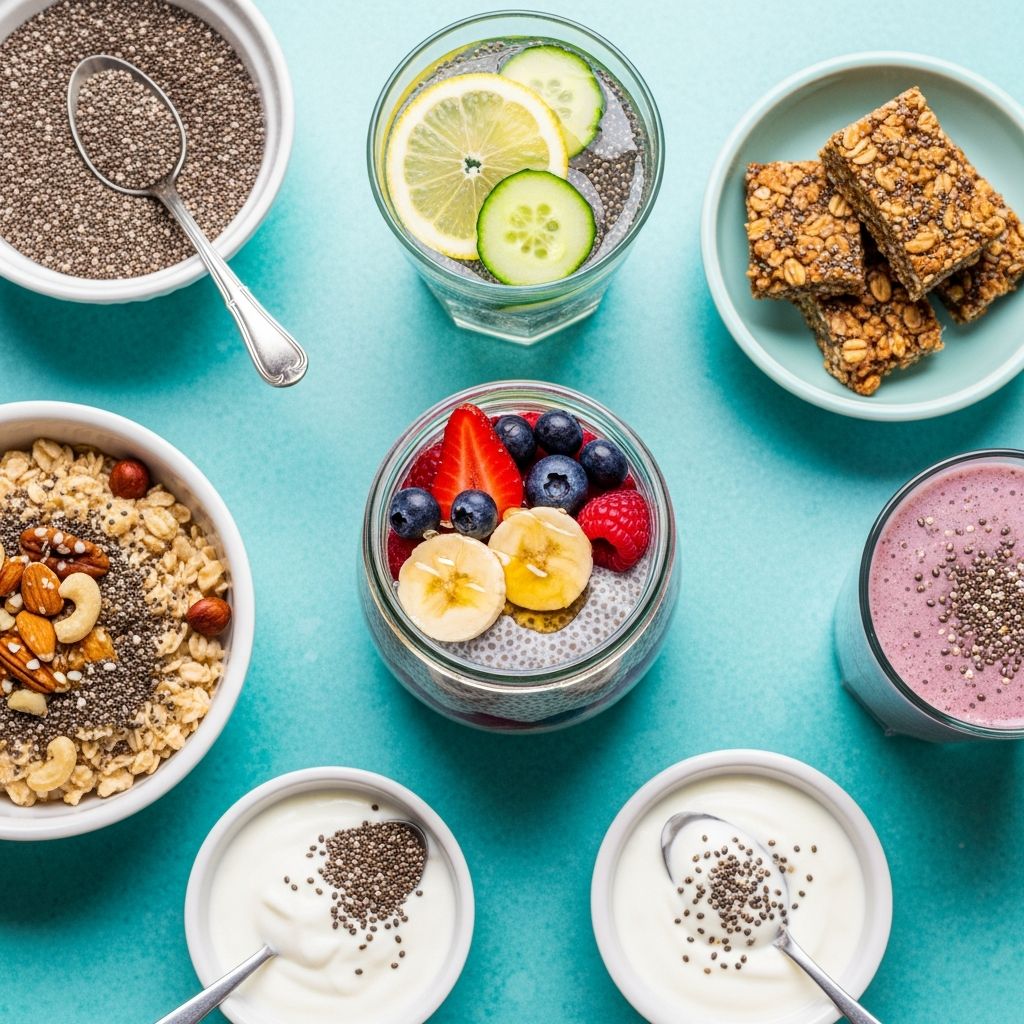
The classic way: Mix 3 tablespoons chia seeds with 1 cup milk (dairy, almond, or oat), sweeten with fruit or honey, and refrigerate overnight. This yields a creamy pudding rich in omega-3s and fiber. Add vanilla, cocoa, or berries for variety. One serving provides nearly half your daily calcium needs when using fortified milk.
2. In Smoothies
Blend 1 tablespoon into smoothies for thickness without blending fully—chia gels provide sustained energy. Pair with banana, spinach, yogurt, and protein powder for a complete breakfast boosting protein to 20+ grams.
Related Stories



3. Chia Overnight Oats
Combine ¼ cup oats, 1 tablespoon chia seeds, milk, and toppings like nuts or fruit. The chia absorbs liquid, creating a no-cook meal high in fiber (15+ grams) for gut health and fullness.
4. As an Egg Substitute in Baking
Mix 1 tablespoon chia with 3 tablespoons water, let sit 5–15 minutes to gel, replacing one egg. Ideal for vegan muffins, pancakes, or breads—adds omega-3s and binding without altering flavor.
5. Sprinkled on Yogurt or Oatmeal
Top 6 ounces Greek yogurt or oatmeal with 1–2 tablespoons for crunch and nutrition boost. Enhances protein (to 20 grams) and fiber, perfect post-workout.
6. In Salads and Dressings
Sprinkle dry on salads for texture or blend into vinaigrette (chia + oil + vinegar + lemon). The gel emulsifies dressings naturally, adding healthy fats.
7. Chia Jam
Cook berries with chia seeds (2 tablespoons per cup fruit)—no pectin needed. Spread on toast for a low-sugar, fiber-packed alternative (10 grams fiber per serving).
8. Energy Balls or Bars
Mix chia with dates, nuts, and coconut; roll into balls. Portable snack with balanced macros for sustained energy.
9. In Soups or Chili
Stir in at the end to thicken without flour, adding nutrition discreetly.
10. Beverages like Chia Fresca
Soak 1 teaspoon in water with lemon and honey for a hydrating drink popular in Mexico, aiding hydration and digestion.
Chia Seeds Recipes
Basic Chia Pudding (Serves 2):
- 6 tbsp chia seeds
- 2 cups milk
- 1 tsp vanilla
- Toppings: berries, nuts
Mix, refrigerate 4+ hours. 250 calories, 10g fiber, 8g protein per serving.
Chia Berry Jam: Simmer 2 cups berries, 4 tbsp chia, 2 tbsp sweetener 10 minutes. Yields 1.5 cups.
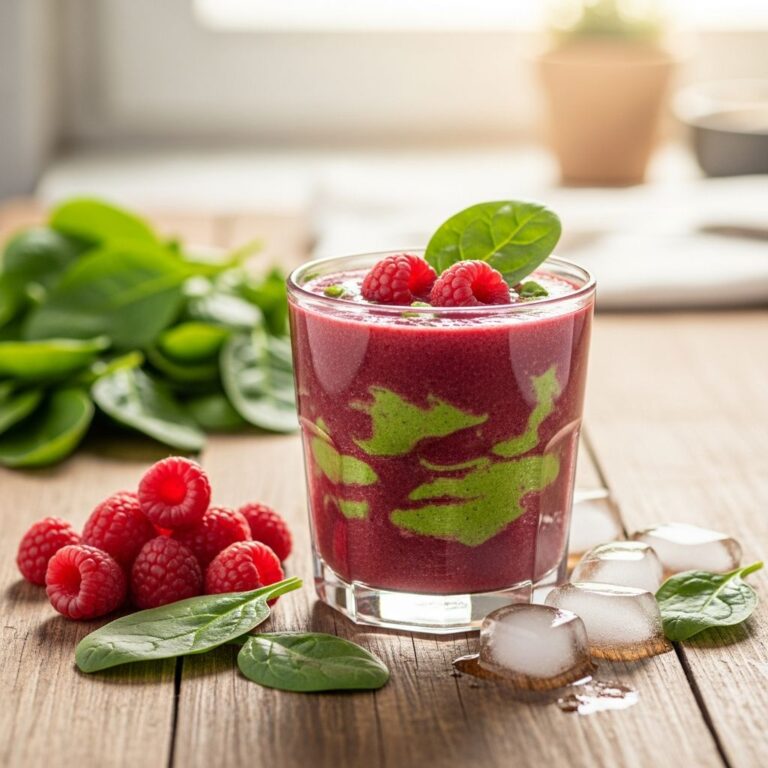
Green Smoothie: 1 banana, 1 cup spinach, 1 tbsp chia, 1 cup yogurt, ½ cup milk. Blend for 400 nutrient-dense calories.
Tips for Eating Chia Seeds
- Portion Control: Start with 1 tbsp to avoid digestive upset; max 2–3 daily.
- Hydration: Drink extra water as fiber absorbs liquid.
- Storage: Keep dry in a cool place; antioxidants extend shelf life.
- Grinding Optional: Enhances absorption but not necessary.
- Soaking: Best for gel formation in puddings.
Potential Downsides and Precautions
Chia expands in stomach, so overconsumption may cause bloating—introduce gradually. Phytic acid may reduce iron/zinc absorption; pair with vitamin C sources. Safe for most, but consult doctor if on blood thinners due to omega-3s. Allergic reactions rare.
Frequently Asked Questions (FAQs)
Can you eat chia seeds raw?
Yes, raw chia seeds are safe and nutritious; soak for better digestion.
How much chia seeds per day?
1–2 tablespoons (10–20 grams) is ideal for benefits without side effects.
Do chia seeds need to be soaked?
Not always, but soaking improves texture and nutrient bioavailability.
Are chia seeds good for weight loss?
Yes, their fiber and protein promote fullness and may reduce calorie intake.
Can chia seeds replace eggs in baking?
Absolutely—one ‘chia egg’ equals one regular egg.
References
- Chia Seeds 101: Nutrition Facts and Health Benefits — Healthline. 2023. https://www.healthline.com/nutrition/chia-seeds
- 11 Proven Health Benefits of Chia Seeds — Healthline. 2023. https://www.healthline.com/nutrition/11-proven-health-benefits-of-chia-seeds
- All About Chia Seeds — Academy of Nutrition and Dietetics. 2023-10-12. https://www.eatright.org/food/food-groups/fats/all-about-chia-seeds
- Health Benefits of Chia Seeds — Advanced Health (PDF). 2022-02. https://advancedhealth.com/wp-content/uploads/2022/02/53-Chia-seed-handout.pdf
- Chia seeds (Salvia hispanica L.): A therapeutic weapon in metabolic — PMC (NCBI). 2023. https://pmc.ncbi.nlm.nih.gov/articles/PMC9834868/
- Chia Seeds in Milk Smoothie — University of Arizona Extension (PDF). 2016. https://cales.arizona.edu/backyards/sites/cals.arizona.edu.backyards/files/asset/document/spring16_page13-14.pdf
Similar Articles








Read full bio of Sneha Tete