Healthiest Wines: Top Picks For Heart Health And Low Calories
Discover the healthiest wines backed by science, from antioxidant-rich reds to low-sugar whites for heart health and moderation.
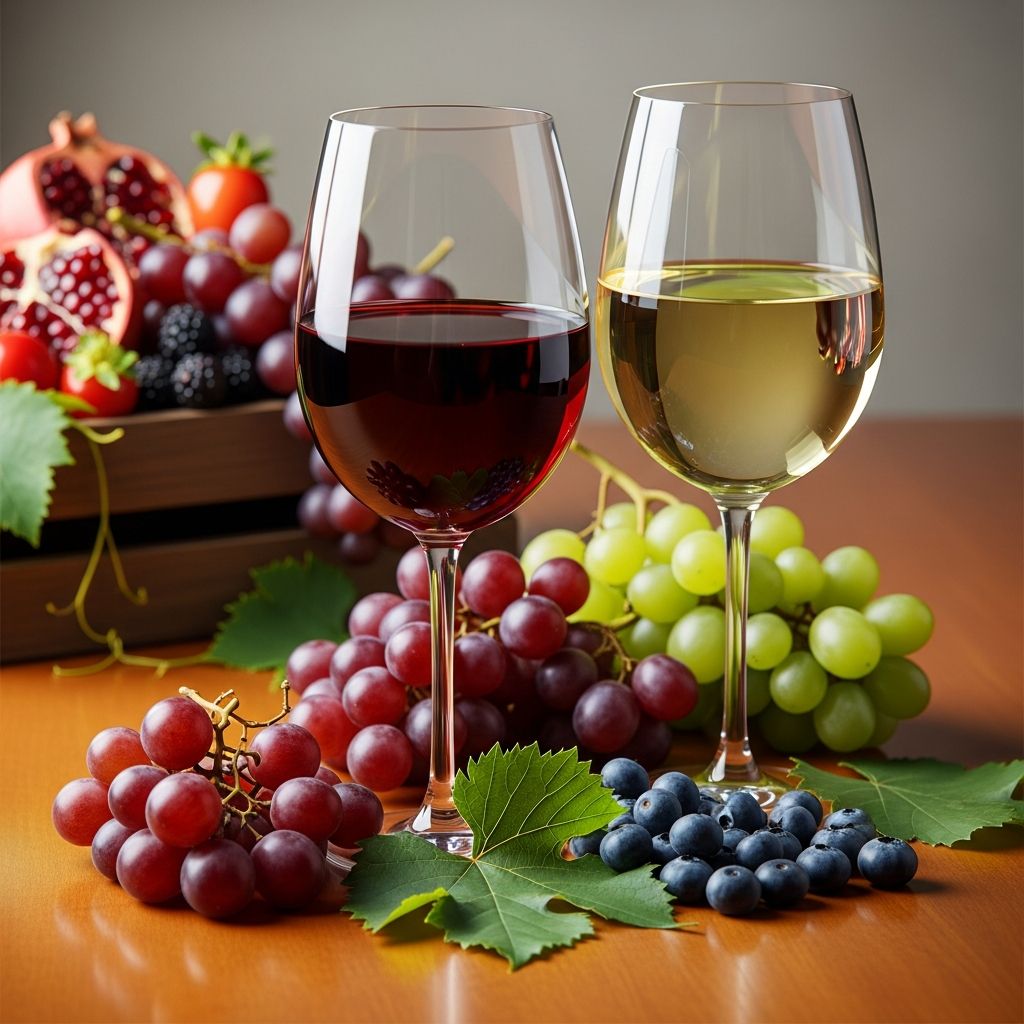
While no wine is a health food, certain varieties offer benefits from antioxidants like resveratrol and polyphenols when enjoyed in moderation. Red wines lead due to skin fermentation, providing heart-protective compounds, but low-sugar whites and rosés also shine for lighter options.
What Makes Wine ‘Healthy’?
Wine earns health points from polyphenols—antioxidants in grape skins, seeds, and stems. These combat inflammation, support heart health, and may reduce chronic disease risk. Red wines retain more during fermentation with skins, boasting 10 times the resveratrol of whites. Organic wines avoid pesticides, enhancing purity.
- Key compounds: Resveratrol (heart protection), tannins (blood vessel health), flavonoids (anti-inflammatory).
- Moderation rule: Up to one 5-oz glass daily for women, two for men, per health guidelines.
- Drawbacks: Alcohol risks outweigh benefits if overconsumed; non-drinkers shouldn’t start.
Cool-climate wines often have lower alcohol (under 12.5% ABV) and calories, amplifying benefits.
Healthiest Red Wines
Red wines dominate health rankings for their polyphenol richness from extended skin contact. They link to better cholesterol, blood pressure, and vessel function.
1. Pinot Noir
**Pinot Noir** tops lists as the healthiest red. Its thin-skinned grapes yield high resveratrol, fighting inflammation, clots, and vessel damage while supporting heart health. Low tannins reduce headaches and reflux; lighter body and alcohol (often <12.5% ABV in cooler regions like France or Germany) mean fewer calories. Pairs with fish, veggies; fruity notes of cherry, earth.
2. Cabernet Sauvignon
**Cabernet Sauvignon** delivers bold tannins rich in procyanidins, preventing clots and artery plaque. Antioxidants battle free radicals, aiding anti-aging and disease prevention. Full-bodied with blackcurrant flavors; ideal for steak, lamb. High polyphenol content rivals Pinot for heart benefits.
3. Merlot
**Merlot** offers smooth, velvety resveratrol for blood sugar control and inflammation reduction. Lower tannins suit sensitive stomachs; medium body with plum, berry notes pairs with pasta, poultry. Procyanidins support cardiovascular health without astringency.
Other Notables
- Malbec: Deep antioxidants reduce heart disease, stroke risk; anti-inflammatory.
- Nebbiolo: High melatonin aids sleep; procyanidins fight cholesterol buildup.
- Gamay: French variety like Pinot, low ABV, resveratrol-rich.
Healthiest White Wines
Whites lag reds in antioxidants due to skin removal but excel in low sugar/calories for dry styles. Crisp acidity aids digestion; moderate alcohol keeps them light.
1. Sauvignon Blanc
**Sauvignon Blanc** is a top healthy white: low calories/sugar, vibrant acidity. Citrus, grass notes pair with seafood, salads. Healthier than sweet whites like Riesling.
2. Chardonnay (Dry)
**Chardonnay** in dry, unoaked styles is low-sugar/calorie. Buttery or fruity profiles match poultry, fish. Stainless-fermented versions maximize freshness. Avoid sweet variants.
Other Options
- German Riesling (Dry): Low alcohol, antioxidants; seek Kabinett trocken.
- Prosecco: Bubbly, low-cal alternative with polyphenols.
Healthiest Rosé Wines
Rosés from red grapes with brief skin contact offer polyphenols minus full red intensity. Dry styles keep sugar low; refreshing for summer.
Related Stories



1. Grenache Rosé
**Grenache Rosé** packs grape antioxidants for heart health, low inflammation. Drier profile means fewer calories; strawberry, melon flavors with veggies, light proteins.
2. Provence Rosé
**Provence Rosé** sets the dry, crisp standard: low sugar/calories. Pale, elegant with herbs, seafood. Polyphenol perks in a guilt-free sip.
Red vs. White Wine: Which is Healthier?
Red wine outperforms white for health. Skin/seed retention yields resveratrol, tannins, anthocyanins—linked to less inflammation, immune boost, healthy aging. Whites have ~10x less resveratrol. However, dry whites edge sweeter wines in calories/sugar. Harvard notes reds’ polyphenols don’t confer major advantages over abstinence.
| Aspect | Red Wine | White Wine |
|---|---|---|
| Antioxidants | High (resveratrol, tannins) | Low (skins removed) |
| Calories/Sugar | Moderate (dry styles) | Lower (dry varieties) |
| Heart Benefits | Stronger evidence | Minimal |
| Best For | Polyphenol seekers | Light, low-cal sipping |
Orange Wine: A Healthy Hybrid?
Orange wine (skin-fermented whites) blends white grapes with red-like skin contact, boosting polyphenols and tannins. Unique nutty, tea flavors; supports antioxidants but higher histamines may irritate some. Emerging healthy pick for adventurous drinkers.
Tips for Choosing the Healthiest Wine
- Go organic/biodynamic: Fewer chemicals, higher antioxidants.
- Seek low ABV (<13%): Cooler climates (e.g., Burgundy Pinot).
- Dry over sweet: “Sec,” “trocken,” or “brut” labels minimize sugar.
- Check calories: ~120-150 per glass; avoid high-alcohol bombs.
- Store properly: Cool, dark to preserve compounds.
How Much Wine is Healthy?
Moderation is crucial: CDC/Dietary Guidelines recommend ≤1 drink/day women, ≤2 men (1 drink = 5 oz wine). Benefits peak here; excess raises cancer, liver risks. Polyphenols aid heart but alcohol dominates negatives. Pregnant? None. Interact with meds? Consult doctor.
Health Risks of Overindulging
Excess wine contributes to addiction, weight gain, hypertension, cancers (breast, liver). Even “healthy” reds’ benefits vanish beyond moderation. Calorie-dense (~125/glass) plus impaired judgment leads to overeating. Prioritize whole foods, exercise.
Frequently Asked Questions (FAQs)
Is red wine actually healthier than white?
Yes, due to higher antioxidants from skins, but dry whites are better than sweet reds for calories.
What’s the healthiest wine overall?
Pinot Noir: High resveratrol, low alcohol/tannins.
Can wine help with heart health?
Moderate intake links to benefits via polyphenols, but not a cure-all.
Are organic wines better?
Yes, purer with potentially more antioxidants, no synthetics.
Does alcohol content matter for health?
Lower ABV (<12.5%) reduces calories/risks while retaining benefits.
Is rosé healthy?
Dry rosés like Provence offer polyphenols, low sugar—healthier than sweet versions.
Embrace wine’s pleasures mindfully. Pair with balanced living for true wellness.
References
- Sip Right: Choosing the Healthiest Wine for You — Wags and Wine. 2023. https://wagsandwine.com/blogs/news/healthiest-wine-jfm
- Our Top 5 Healthiest Red Wine Picks — Lunzer Wine. 2023. https://lunzerwine.com/blogs/news/our-top-5-healthiest-red-wine-picks
- Red Wine Vs. White Wine: Which Is Better for You? — Prevention.com. 2024-10-15. https://www.prevention.com/food-nutrition/healthy-eating/a69620090/red-wine-vs-white-wine/
- What Wine Has the Most Health Benefits? — GoodRx. 2024. https://www.goodrx.com/well-being/diet-nutrition/health-benefits-wine
- Is red wine healthier than white wine? — Harvard T.H. Chan School of Public Health. 2023-12-30. https://hsph.harvard.edu/news/is-red-wine-healthier-than-white-wine/
Similar Articles








Read full bio of medha deb