Healthiest Winter Squash: 5 Best Varieties For Nutrition
Discover the top winter squashes packed with vitamins, antioxidants, and fiber for optimal health and delicious meals.
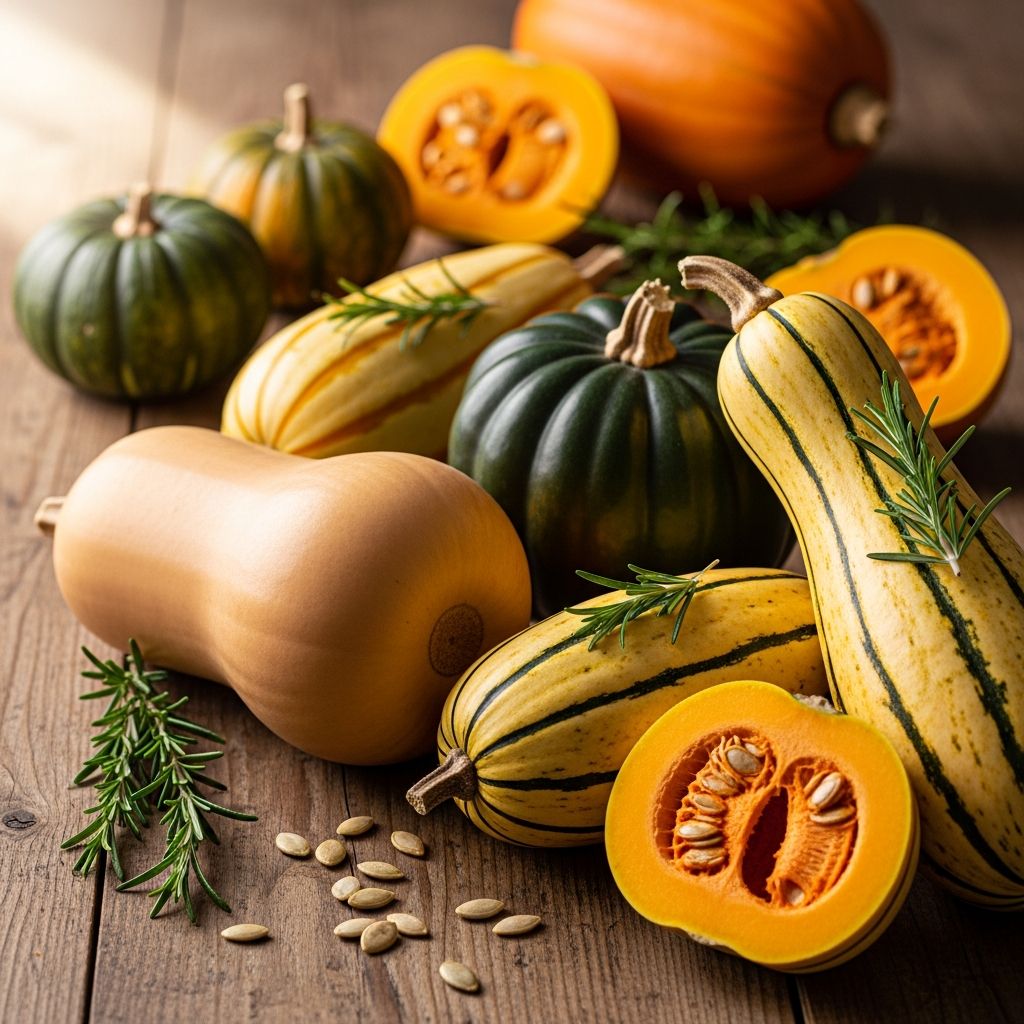
Winter squash varieties like kabocha, butternut, acorn, delicata, and spaghetti stand out for their nutrient density, offering high levels of vitamins A and C, fiber, potassium, and antioxidants that support immunity, heart health, digestion, and more.
What Is Winter Squash?
Winter squash refers to hard-skinned gourds harvested in late fall and stored through winter, distinguishing them from softer summer squash. Common types include butternut, acorn, spaghetti, kabocha, delicata, and hubbard, prized for their vibrant flesh rich in carotenoids like beta-carotene, which the body converts to vitamin A for vision, skin, and immune support. These squashes provide low-calorie, fiber-packed nutrition, with a one-cup serving often delivering over 200% of daily vitamin A needs, plus vitamin C, potassium, magnesium, and B6. Their low glycemic index helps regulate blood sugar, making them ideal for weight management and diabetes prevention.
Unlike summer squash, winter varieties have tougher rinds for longer storage, concentrating nutrients during curing. A typical serving contains 45-80 calories, far less than potatoes, with 7-10g carbs in low-carb options like spaghetti squash. Potassium levels around 500mg per cup counteract sodium’s blood pressure effects.
Health Benefits of Winter Squash
Winter squash boosts overall health through antioxidants, vitamins, and fiber. Beta-carotene reduces cancer risk, supports eye health, and fights inflammation. Vitamin C strengthens immunity and skin, while fiber aids digestion, gut health, and satiety for weight control.
- Immune Support: High vitamin A (200% DV) and C (33% DV) enhance white blood cell function and barrier protection.
- Heart Health: Potassium (270-500mg/serving) lowers blood pressure; fiber reduces cholesterol.
- Digestive Health: 11% DV fiber promotes regularity, feeds gut bacteria, and prevents constipation.
- Blood Sugar Control: Low GI and polysaccharides improve insulin sensitivity.
- Eye and Skin Health: Beta-carotene, lutein, zeaxanthin protect against age-related issues.
- Cancer Prevention: Flavonoids like beta-carotene inhibit cell damage.
- Weight Management: Low calories and high fiber promote fullness.
1. Kabocha Squash
Kabocha, or Japanese pumpkin, leads as the healthiest winter squash due to its exceptional antioxidant content, particularly beta-carotene for vitamin A conversion, supporting vision and immunity. Its dense, sweet flesh is rich in fiber for digestion and potassium for heart health.
- Key Nutrients: High beta-carotene, vitamins A and C, fiber, potassium.
- Health Perks: Boosts immunity, aids digestion, promotes skin health.
- Calories: ~45 per cup, low-carb friendly.
Versatile for roasting, soups, or steaming; its edible skin adds extra fiber.
2. Butternut Squash
Butternut excels in vitamin-rich composition with sweet, nutty flavor. Packed with vitamin C, potassium, and fiber, it supports heart health, digestion, and eye protection via beta-carotene.
- Key Nutrients: Vitamins A (200% DV), C, potassium (~500mg), fiber.
- Health Perks: Lowers cancer risk, regulates bowels, maintains healthy weight.
- Calories: ~80 per cup cooked.
Ideal for soups, roasts, or purees; firm texture holds up in stews.
3. Acorn Squash
Acorn squash, with its acorn shape and mild sweetness, offers vitamin C, potassium, and fiber for cardiovascular and digestive support. Antioxidants boost immunity and bone health.
- Key Nutrients: Vitamins A, C; potassium, fiber, magnesium.
- Health Perks: Strengthens blood vessels, supports lungs/heart, aids regularity.
- Calories: ~56 per cup.
Bake halves for easy prep; pairs well in savory or sweet dishes.
4. Delicata Squash
Delicata’s cream skin with green stripes is edible when cooked, providing vitamins A, C, and potassium for skin, immunity, and electrolyte balance.
Related Stories



- Key Nutrients: Beta-carotene, vitamins A/C, potassium.
- Health Perks: Enhances skin health, immune boost, digestive aid.
- Calories: ~40 per cup.
Tender texture suits slicing and roasting like potatoes.
5. Spaghetti Squash
Spaghetti squash is a low-carb gem with stringy flesh mimicking pasta. Rich in folate, potassium, fiber, vitamins B6, A, C for cell health and dental support.
- Key Nutrients: Folate, B6, vitamins A/C, fiber (7-10g carbs/cup).
- Health Perks: Supports digestion, gum health, low-calorie pasta sub.
- Calories: ~42 per cup.
Microwave or bake for noodle-like strands; top with sauces.
Nutrition Comparison
| Squash Type | Calories/cup | Vit A (%DV) | Vit C (%DV) | Potassium (mg) | Fiber (g) |
|---|---|---|---|---|---|
| Kabocha | 45 | 200+ | 33 | ~350 | ~3 |
| Butternut | 80 | 200+ | 50 | 500 | 7 |
| Acorn | 56 | 20 | 22 | 500 | 4.5 |
| Delicata | 40 | 100 | 25 | 300 | 4 |
| Spaghetti | 42 | 10 | 10 | 240 | 2.5 |
Values approximate per 1 cup cooked; deeper orange flesh signals higher beta-carotene.
How to Choose and Store Winter Squash
Select heavy squash for size with dull, hard rinds free of soft spots. Color intensity hints at nutrient levels—choose deep orange for max beta-carotene. Store in cool, dark places up to 2-3 months; refrigerate cut pieces 4-5 days.
Delicious Ways to Eat Winter Squash
- Roast halves with oil, herbs at 400°F for 40 mins.
- Puree into soups or smoothies.
- Spiralize spaghetti squash for pasta.
- Stuff acorn halves with grains, nuts.
- Steam or microwave for quick prep.
Season simply with cinnamon, nutmeg, or savory spices to enhance natural sweetness without added sugars.
Frequently Asked Questions (FAQs)
Which winter squash is the healthiest?
Kabocha tops for antioxidants, but butternut leads in vitamins; all offer unique benefits—rotate for variety.
Is winter squash low-carb?
Yes, especially spaghetti (7-10g/cup); others are moderate but lower GI than potatoes.
Can you eat winter squash skin?
Yes for delicata and kabocha; others are tough but roastable for extra fiber.
How much winter squash per day?
1-2 cups provides key nutrients without excess calories; pair with proteins.
Are winter squashes good for weight loss?
Absolutely—low cal, high fiber promotes fullness and blood sugar stability.
References
- Which Winter Squash Is The Healthiest? — E. Armata Inc. 2023. https://earmata.com/which-winter-squash-is-the-healthiest/
- Unlocking the Goodness of Winter Squash: A Seasonal Superfood — Shore Physicians Group. 2023. https://shorephysiciansgroup.com/unlocking-the-goodness-of-winter-squash-a-seasonal-superfood/
- Squash Nutrition and Health Benefits — Hawaii Ulu Cooperative. 2023. https://eatbreadfruit.com/blogs/health-and-nutrition/health-and-nutrition-benefits-of-pala%CA%BBai-squash
- Health benefits of winter squash and ways you can cook them — UC Davis Health. 2023-11. https://health.ucdavis.edu/blog/good-food/health-benefits-of-winter-squash-and-ways-you-can-cook-them/2023/11
- Winter Squash — Harvard T.H. Chan School of Public Health Nutrition Source. 2023. https://nutritionsource.hsph.harvard.edu/food-features/winter-squash/
- Warm up to tasty and nutritious winter squash — American Heart Association. 2025-11-17. https://www.heart.org/en/news/2025/11/17/warm-up-to-tasty-and-nutritious-winter-squash
Similar Articles








Read full bio of Sneha Tete