Healthy Aging Breakfast Recipes: Nutritious Meals for Vitality
Discover protein-rich breakfast recipes designed to support healthy aging and optimal nutrition.
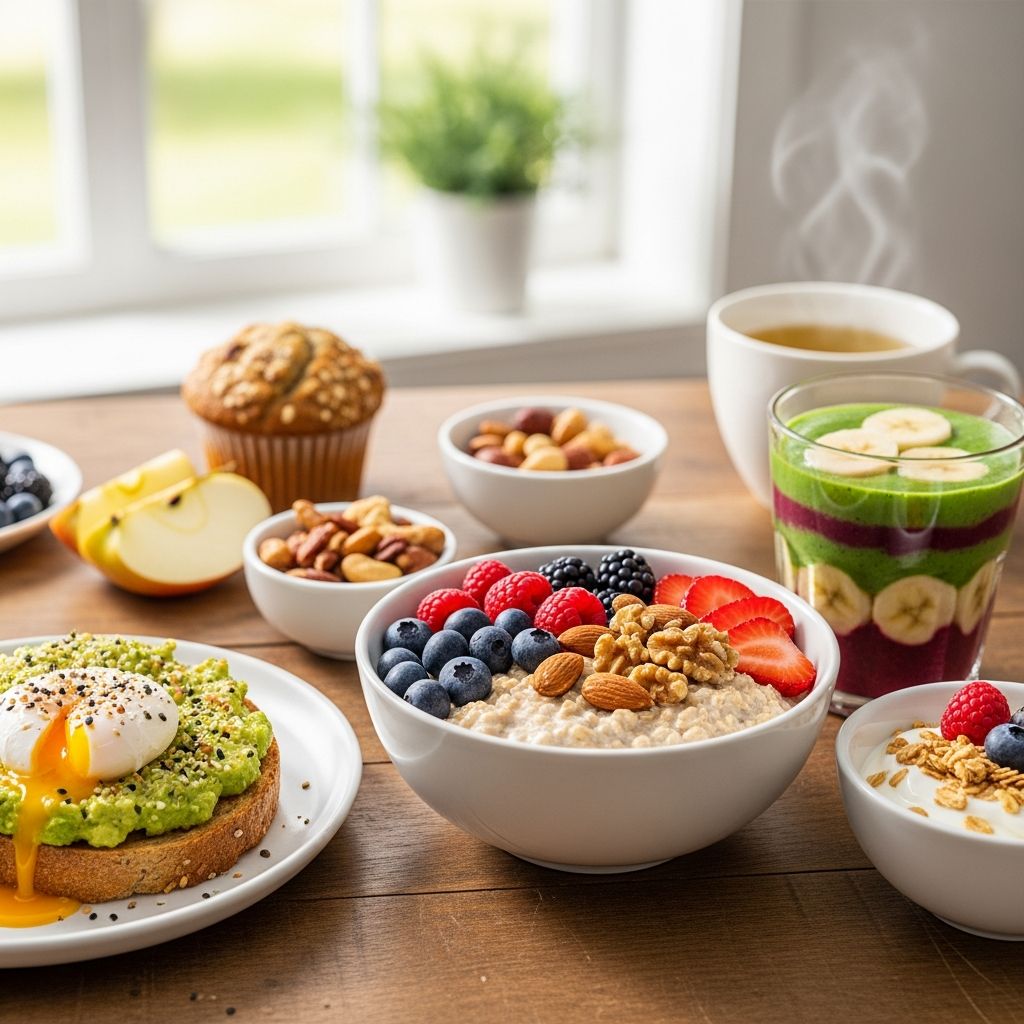
Healthy Aging Breakfast Recipes: Nourish Your Body with Every Meal
As we age, nutrition becomes increasingly important for maintaining strength, cognitive function, and overall well-being. The meals we eat, especially breakfast, set the tone for our entire day and play a crucial role in supporting our health and vitality. A well-balanced breakfast that includes adequate protein and essential nutrients can help maintain muscle mass, support bone health, enhance energy levels, and promote healthy aging. This comprehensive guide explores a collection of delicious and easy-to-prepare breakfast recipes specifically designed to meet the nutritional needs of older adults while remaining satisfying and flavorful.
The Importance of Protein in Breakfast for Healthy Aging
Protein is one of the most critical nutrients for maintaining health as we age. Our bodies require sufficient protein to preserve muscle mass, which naturally declines with age—a condition known as sarcopenia. By consuming at least 15 grams of protein at breakfast, you provide your body with the building blocks necessary for muscle maintenance and repair. Protein also supports bone density, immune function, and the production of enzymes and hormones essential for optimal body function.
Additionally, a protein-rich breakfast helps regulate blood sugar levels throughout the morning, reducing energy crashes and improving concentration. This steady energy release means fewer cravings later in the day and better overall appetite control. Many of the breakfast recipes featured in this collection prioritize high-quality protein sources while incorporating additional nutrients like fiber, healthy fats, and vitamins.
Overnight Oats: Make-Ahead Convenience
One of the most popular and practical breakfast options for busy individuals is overnight oats. These no-cook meals can be prepared the night before and are ready to eat in the morning, making them perfect for anyone with a hectic schedule. Overnight oats combine rolled oats with liquid—typically milk, yogurt, or kefir—and additional ingredients, then refrigerate overnight, allowing the oats to absorb the liquid and develop a creamy, pudding-like texture.
Several variations of overnight oats offer different flavor profiles and nutritional benefits:
- Lemon Poppyseed Overnight Oats: Creamy oats infused with fresh lemon zest and juice, combined with poppy seeds for a make-ahead breakfast that tastes like a lemon-poppyseed muffin. A touch of maple syrup adds sweetness to balance the tartness of the lemon.
- Apple-Peanut Butter Overnight Oats: This satisfying breakfast combines creamy peanut butter and Greek-style yogurt with chopped apples that bring natural sweetness and crunch. This recipe can be prepared throughout the week for convenient mornings.
- Peaches-and-Cream Overnight Oats: A delicious combination of sweet ripe peaches with creamy oats that soften overnight in the refrigerator, resulting in a thick, pudding-like texture without any cooking required.
- Peach Pie Overnight Oats: These overnight oats are packed with the classic flavors of peach pie, featuring warming spices and layers of cooked summer-ripe peaches that bring dessert-like flavors to breakfast.
Protein-Packed Pancakes and French Toast
Traditional pancakes and French toast can be transformed into high-protein breakfast options through simple ingredient modifications. Protein-rich pancakes made with simple ingredients including protein powder, banana, eggs, and oats create a satisfying way to start the day. These pancakes can be topped with fresh fruit, nut butter, or a drizzle of maple syrup for added flavor and nutrition.
French toast casserole offers another delicious option, sweetened naturally with banana and a touch of maple syrup. A nutty peanut butter drizzle adds richness and additional protein to every bite, making this dish both indulgent and nutritious enough for a healthy aging breakfast plan.
Egg-Based Breakfast Options
Eggs remain one of the most versatile and nutrient-dense breakfast foods available. They contain all nine essential amino acids, making them a complete protein source, and provide choline, lutein, and zeaxanthin—compounds important for brain health and vision. Egg-based breakfast recipes offer endless possibilities for creating satisfying, protein-rich meals.
Breakfast Casseroles and Mini Quiches
A high-protein breakfast casserole combines eggs, cottage cheese, and vegetables into one convenient dish. Cottage cheese adds a creamy texture while earthy mushrooms, bell peppers, and sautéed kale bring flavor and nutritional diversity to every bite. This casserole can be prepared ahead and portioned for multiple breakfasts throughout the week.
Mini quiches offer sophistication and convenience in a single serving. A Provençal-inspired version uses classic flavors including garlic, oil-cured olives, anchovies, and caramelized onions to season egg cups with abundant greens. These quiches keep well and are perfect for breakfast on the go, yet the flavors remain sophisticated enough for weekend brunch entertaining.
Vegetarian mini quiches featuring earthy mushrooms and spinach paired with rich and creamy Gruyère cheese provide another delicious option. These can be served on a platter alongside a fresh fruit salad for a simple yet elegant weekend brunch.
Ancient Grains and Whole Grain Bowls
Whole grains and ancient grains provide essential nutrients, including fiber, B vitamins, and minerals crucial for healthy aging. A hearty breakfast bowl uses wheat berries—a nutty-tasting whole grain with a pleasantly chewy texture—as its base. Topped with spinach, peanuts, and an egg, this bowl creates a complete and satisfying breakfast that supports sustained energy throughout the morning.
Quinoa-based breakfast options combine this protein-rich pseudo-grain with chia seeds to create a protein-packed dish that works as either a dessert or grab-and-go breakfast. Using kefir instead of milk provides a probiotic boost, while maple syrup adds natural sweetness without refined sugar.
Smoothies and Beverages
Smoothies offer a quick and nutritious breakfast option that can be customized to individual preferences and dietary needs. A peanut butter and banana smoothie becomes even more nutritious with the addition of tangy, probiotic-rich kefir. To increase vegetable servings for the day, mild-flavored spinach can be mixed into smoothies without significantly altering the taste, adding valuable nutrients and fiber.
Specialty Breakfast Items
Unique breakfast options can elevate your morning routine and prevent boredom from repetitive meals. An avocado toast recipe reaches new heights with the addition of burrata—cream-filled fresh mozzarella cheese—creating a weekday-friendly breakfast that feels indulgent yet nutritious.
A chocolate-peanut butter chia seed breakfast bowl combines these complementary flavors while chia seeds create a thick, creamy texture that delivers fiber and healthy omega-3 fatty acids. Peanut butter adds flavor and plant-based protein, balanced beautifully by deep cocoa notes for a breakfast that satisfies both nutritionally and emotionally.
Key Nutritional Principles for Healthy Aging Breakfasts
The breakfast recipes highlighted in this collection share several important nutritional characteristics that make them ideal for healthy aging:
- High Protein Content: Each recipe contains at least 15 grams of protein per serving to support muscle maintenance and overall bodily functions.
- Fiber Richness: Whole grains, seeds, legumes, and vegetables provide dietary fiber essential for digestive health and sustained energy.
- Healthy Fats: Ingredients like nuts, seeds, avocado, and olive oil provide monounsaturated and polyunsaturated fats that support heart and brain health.
- Micronutrient Density: Vegetables, fruits, and whole grains deliver vitamins and minerals necessary for immune function, bone health, and cognitive performance.
- Probiotic Foods: Yogurt, kefir, and fermented foods support digestive health and gut microbiome balance, which becomes increasingly important with age.
Practical Tips for Implementing Healthy Aging Breakfast Recipes
Incorporating these breakfast recipes into your regular meal plan becomes easier with thoughtful preparation and planning. Overnight oats and mini quiches can be prepared in batches and stored for multiple days, reducing morning preparation time. Keeping versatile ingredients on hand—such as eggs, Greek yogurt, nuts, seeds, and fresh fruits—allows for quick customization based on available ingredients and personal preferences.
Consider designating one or two days weekly for breakfast preparation, creating several portions that can be refrigerated or frozen for convenient reheating throughout the week. This approach saves time while ensuring consistent consumption of nutritious, protein-rich breakfasts that support your healthy aging goals.
Frequently Asked Questions About Healthy Aging Breakfast Recipes
Q: How much protein should older adults consume at breakfast?
A: Health experts recommend at least 15 grams of protein per breakfast serving for older adults to support muscle maintenance, bone health, and overall wellness. Some individuals may benefit from even higher protein intake, particularly those engaged in regular strength training or experiencing age-related muscle loss.
Q: Can overnight oats be prepared for more than one day?
A: Yes, overnight oats can typically be prepared in batches and stored in the refrigerator for up to five days. Store each serving in an individual jar or container with a tight-fitting lid to maintain freshness and prevent absorption of other food odors.
Q: Are these recipes suitable for individuals with dietary restrictions?
A: Many recipes can be modified for various dietary needs. For gluten-free diets, substitute regular oats with certified gluten-free oats, and use gluten-free bread for French toast. For dairy-free preferences, use plant-based yogurts and milk alternatives. For vegetarian needs, most recipes are already vegetarian, with some including optional egg-based components.
Q: How can I add variety to my breakfast routine?
A: Rotate between different recipe categories throughout the week—try overnight oats on Monday and Tuesday, egg-based dishes on Wednesday and Thursday, whole grain bowls on Friday, and pancakes or French toast on weekends. Within each category, vary the fruit, nut, and spice combinations to create new flavor profiles.
Q: Do these recipes require special cooking equipment?
A: Most recipes use standard kitchen equipment like blenders, pans, and mixing bowls. Overnight oats require only jars for storage. Mini quiches require a muffin tin or similar baking vessel. No specialized or expensive equipment is necessary to prepare these healthy aging breakfast recipes.
Q: Can these breakfasts be frozen for later consumption?
A: Many recipes freeze well, particularly cooked items like mini quiches, pancakes, and French toast casserole. Cool completely before freezing in airtight containers, and reheat gently in the oven or microwave. Overnight oats are best consumed fresh but can be frozen in individual portions and thawed overnight in the refrigerator.
References
- Protein and Healthy Aging — National Institutes of Health. 2024. https://www.nia.nih.gov/health/protein-foods-0
- Dietary Guidelines for Americans 2020-2025 — U.S. Department of Agriculture and U.S. Department of Health and Human Services. 2020. https://www.dietaryguidelines.gov/
- Sarcopenia and Aging: Understanding Muscle Loss — Journal of Frailty & Aging. 2023. https://pubmed.ncbi.nlm.nih.gov/
- Probiotics and Gut Health in Older Adults — American Geriatrics Society. 2024. https://www.americangeriatrics.org/
- The Role of Breakfast in Daily Nutrition and Health — Academy of Nutrition and Dietetics. 2024. https://www.eatright.org/
Similar Articles








Read full bio of Sneha Tete