Healthy Aging Recipes: 13 Easy Nutrient-Dense Meals
Delicious, nutrient-packed recipes designed to support vitality, bone health, and cognitive function as you age gracefully.
Healthy Aging Recipes
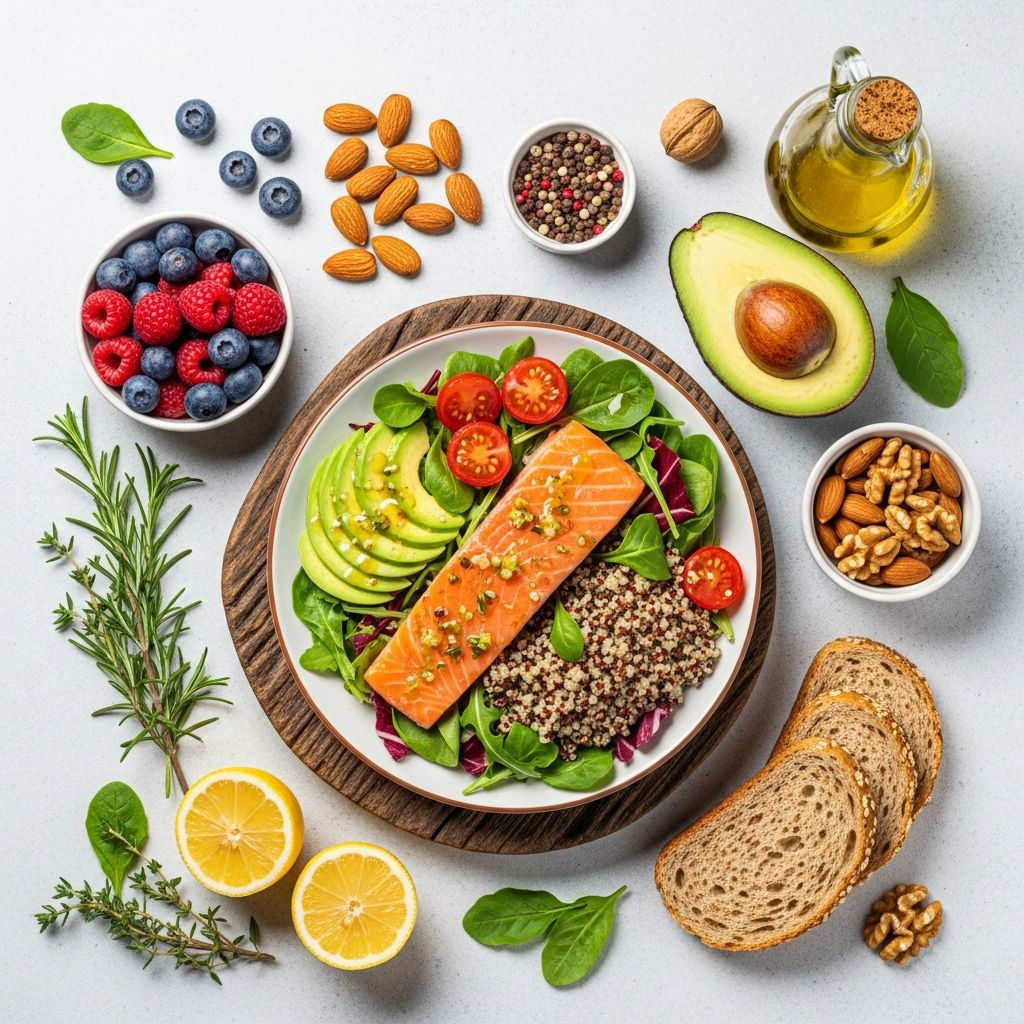
These recipes are crafted for those embracing healthy aging, emphasizing nutrient-dense foods that combat inflammation, preserve muscle mass, support brain health, and promote longevity. Drawing from evidence-based principles like the Mediterranean diet, they feature vibrant fruits and vegetables, healthy fats from fish and nuts, varied proteins, and whole grains to meet the unique nutritional needs of older adults.
Why These Recipes Support Healthy Aging
As we age, metabolism slows, muscle mass declines (sarcopenia), and risks for chronic conditions like heart disease, diabetes, and cognitive decline rise. Nutrient-rich eating counters these changes: antioxidants from colorful produce fight inflammation, omega-3s from fatty fish protect brain function, and adequate protein (1-1.2g per kg body weight daily) maintains lean mass. Hydration, fiber, and whole foods enhance digestion, energy, and mood. The National Institute on Aging recommends variety across food groups for optimal nutrition.
- Key Benefits: Boost immunity, sharpen focus, stabilize energy, and reduce disease risk through minimally processed, whole foods.
- Focus Areas: Anti-inflammatory ingredients, hydration-supporting fluids, and balanced macros for metabolic health.
Breakfast Recipes for Sustained Energy
Start your day with fiber-rich, protein-packed breakfasts to stabilize blood sugar and fuel morning activities. Older adults benefit from complex carbs and good fats to counter age-related taste changes that tempt sugar cravings.
Berry Omega-3 Oatmeal
Servings: 2 | Prep: 5 min | Cook: 10 min
Combine 1 cup rolled oats, 2 cups unsweetened almond milk, 1 tbsp chia seeds, and ½ cup mixed berries. Cook on stovetop until creamy, top with 1 tbsp walnuts and a drizzle of honey. Per serving: 350 cal, 12g protein, 8g fiber, rich in antioxidants and omega-3s for brain health.
- Benefits: Berries’ beta-carotene and vitamin C reduce inflammation; oats provide fiber for heart health and digestion.
Greek Yogurt Parfait with Nuts
Servings: 1 | Prep: 5 min
Layer 1 cup low-fat Greek yogurt, ½ cup sliced strawberries, ¼ cup granola (whole grain), and 2 tbsp almonds. Boosts protein intake to preserve muscle. Per serving: 400 cal, 25g protein, probiotics for gut health.
Salads and Starters for Antioxidants
Leafy greens and colorful veggies deliver vitamins essential for immunity and skin health. Aim for 2-3 cups daily.
Kale & Quinoa Power Salad
Servings: 4 | Prep: 15 min
Mix 4 cups chopped kale, 1 cup cooked quinoa, 1 avocado (sliced), ½ cup cherry tomatoes, and ¼ cup feta. Dress with 2 tbsp olive oil, lemon juice, garlic. Per serving: 280 cal, 10g protein, healthy fats from avocado and olive oil support joint lubrication and mood.
| Nutrient | Amount per Serving | Benefit |
|---|---|---|
| Fiber | 9g | Lowers diabetes risk |
| Vitamin K | 200% DV | Bone health |
| Monounsaturated Fats | 15g | Anti-inflammatory |
Broccoli Slaw with Sardines
Servings: 2 | Prep: 10 min
Toss 2 cups broccoli slaw, 1 can sardines (in olive oil, drained), 1 carrot (shredded), with yogurt-dill dressing. Omega-3s from sardines enhance cognitive sharpness; 2 fish servings weekly recommended.
Main Dishes: Protein-Rich for Muscle Maintenance
Vary proteins from fish, beans, eggs, and nuts to hit 0.5g per pound body weight, preventing sarcopenia and boosting resilience to stress.
Baked Salmon with Asparagus
Servings: 4 | Prep: 10 min | Cook: 20 min
Season 4 salmon fillets (4oz each) with herbs, bake at 400°F with 1 lb asparagus drizzled in olive oil. Per serving: 450 cal, 35g protein, omega-3s for Alzheimer’s risk reduction. Pair with quinoa for complete protein.
- Tip: Choose wild-caught for higher nutrient density.
Lentil & Veggie Stir-Fry
Servings: 4 | Prep: 15 min | Cook: 20 min | Meatless Monday option.
Sauté 1 cup cooked lentils, 2 cups mixed bell peppers/onions, 2 cups spinach in 1 tbsp canola oil. Add ginger, soy sauce (low-sodium). Per serving: 300 cal, 18g protein, plant-based fiber fights inflammation.
Turkey Stuffed Peppers
Servings: 4 | Prep: 20 min | Cook: 30 min
Fill 4 bell peppers with ground turkey (lean), brown rice, tomatoes, spices; bake. Lean protein alternative to red meat, limits saturated fats.
Soups and Stews for Hydration and Comfort
Fluid-rich soups aid hydration, crucial for circulation, joint health, and weight management in aging bodies.
Minestrone with Beans
Servings: 6 | Prep: 15 min | Cook: 30 min
Simmer carrots, celery, zucchini, canned tomatoes, 1 cup white beans, whole grain pasta in veggie broth. Per serving: 250 cal, 12g protein, high fiber for bowel regularity.
Chicken Bone Broth Soup
Servings: 4 | Prep: 10 min | Cook: 25 min
Use low-sodium broth, shredded chicken, kale, carrots. Bone broth provides collagen for joints; add herbs for flavor without excess sodium.
Side Dishes: Fiber and Whole Grains
Whole grains over refined for steady energy; fiber lowers heart disease risk.
Roasted Root Veggies
Servings: 4 | Prep: 10 min | Cook: 40 min
Toss carrots, squash, beets in olive oil, roast. Colorful antioxidants combat oxidative stress.
Barley Pilaf
Servings: 4 | Prep: 5 min | Cook: 30 min
Cook barley with onions, mushrooms, thyme. Half grains as whole for nutrient boost.
Desserts and Snacks: Smart Indulgences
Satisfy sweet cravings healthily; nuts and fruit for mood and satiety.
Almond-Stuffed Dates
Servings: 4 | Prep: 5 min
Stuff 12 dates with almonds; 150 cal per 3, healthy fats curb hunger.
Baked Apple with Cinnamon
Servings: 1 | Prep: 5 min | Cook: 20 min
Bake apple with cinnamon, top with yogurt. Fiber aids weight control.
Meal Planning Tips for Healthy Aging
Adopt Mediterranean-style: veggies/fruits abundant, fish 2x/week, olive oil, whole grains, limited processed foods. Plan weekly, shop lists to adhere.
- Portion control: Use smaller plates.
- Hydrate: 8+ cups water/day, herbal teas.
- Activity: Pair with walks for metabolism.
- Track: Food logs for mindful eating.
Frequently Asked Questions
What daily protein intake do older adults need?
Aim for 1-1.2g per kg body weight (0.5g/lb), spaced across meals from fish, beans, nuts to maintain muscle.
How can diet fight inflammation?
Eat the rainbow: unsaturated fats (olive oil, fish), antioxidants (berries, greens), pre/probiotics (fiber, yogurt).
Best diet pattern for aging?
Mediterranean: fruits/veggies, moderate fish/dairy, whole grains, healthy fats; combine with exercise.
Why prioritize hydration?
Improves circulation, digestion, joints; fruits/veggies add fluid/fiber for fullness.
Can I eat fish if vegetarian?
Opt for seaweed, algae oil for omega-3s; 2 servings fatty fish ideal for brain health.
References
- Eating Well as You Age — HelpGuide.org. 2023. https://www.helpguide.org/aging/healthy-aging/eating-well-as-you-age
- Healthy Aging: Eating Well — University of Cincinnati. 2022. https://www.uc.edu/content/dam/refresh/cont-ed-62/olli/fall22/class-handouts/aging%20well%20by%20eating%20well.pdf
- Healthy Eating, Nutrition, and Diet — National Institute on Aging, NIH. 2024-01-27. https://www.nia.nih.gov/health/healthy-eating-nutrition-and-diet
Similar Articles








Read full bio of medha deb