Healthy Baking Alternatives: Simple Swaps For Better Bakes
Discover smarter swaps for flour, fats, dairy, and sweeteners to bake treats that are delicious and nutrient-packed.
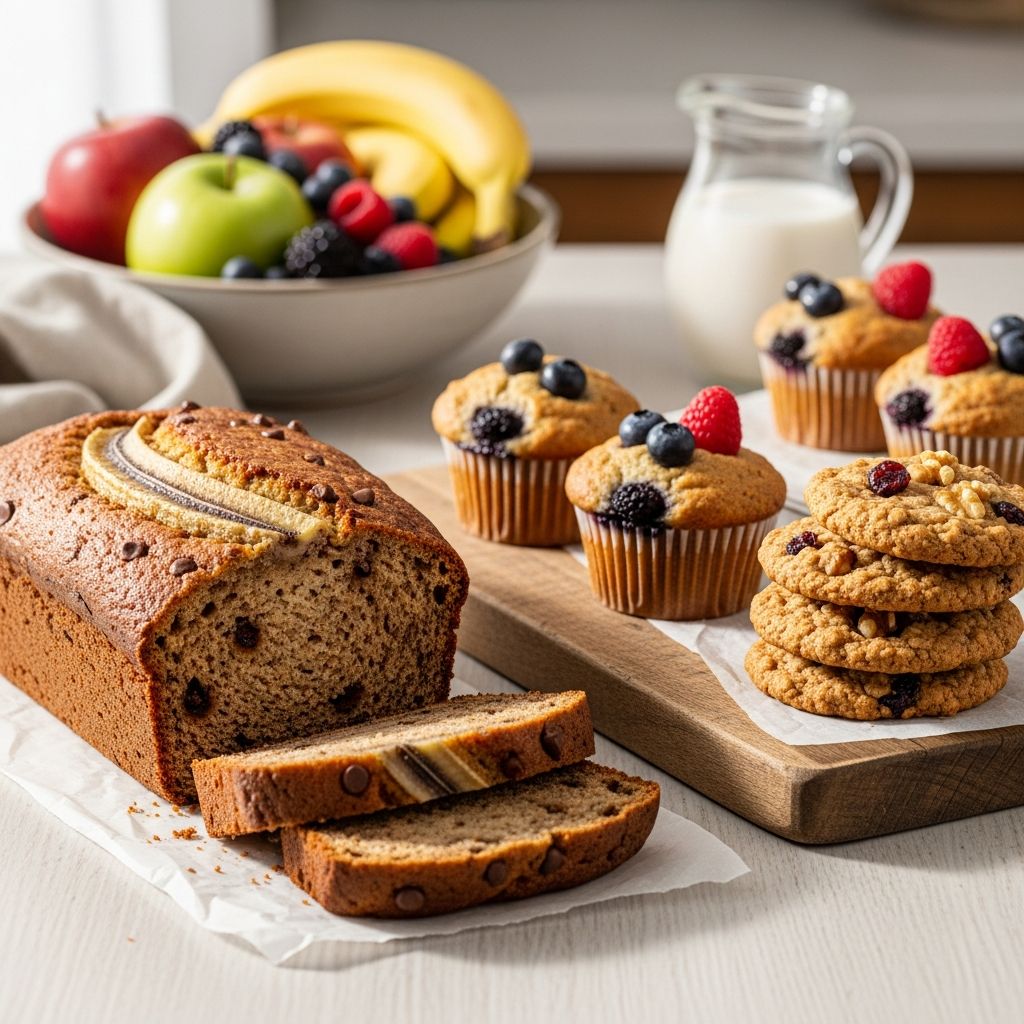
Baking can be a delightful way to create treats, but traditional recipes often rely on refined flours, high-fat dairy, and excessive sugars that offer little nutritional value. By making simple substitutions, you can transform your baked goods into healthier options packed with fiber, protein, and essential nutrients while maintaining flavor and texture. Registered dietitian nutritionists recommend starting with whole-grain flours, low-fat dairy products, and experimenting with less-common flours to elevate your baking.
Try a Whole-Grain Flour
One of the easiest ways to boost the nutritional profile of your baked goods is by incorporating
whole-grain flours
. Unlike refined all-purpose flour, which loses fiber, vitamins, and minerals during processing, whole-grain flours retain the bran, germ, and endosperm, providing higher amounts of fiber, protein, and B vitamins. This swap can help stabilize blood sugar levels and promote satiety.White whole-wheat flour is an excellent gateway option because it has a milder flavor and lighter color than traditional whole-wheat flour. You can substitute it one-for-one for all-purpose flour in most recipes, such as cookies, cakes, muffins, and quick breads, without major adjustments. For even more variety, replace up to half the all-purpose flour with whole-grain options like whole-wheat pastry flour or oat flour. These changes add a nutty depth of flavor and improve texture in items like pancakes and scones.
- White whole-wheat flour: 1:1 swap for all-purpose; ideal for beginners.
- Whole-wheat flour: Use ½ cup whole-wheat + ½ cup all-purpose per cup of flour called for; adds fiber and protein.
- Oat flour: Blend rolled oats into flour; great for gluten-free baking and boosts beta-glucan fiber for heart health.
In brownie recipes, swapping all-purpose flour for whole-wheat or oat flour not only increases nutrients but also creates a fudgier texture when combined with other healthy swaps like pureed black beans. Always store whole-grain flours in the refrigerator to prevent rancidity from their natural oils.
Experiment with Recipes that Use Less-Common Flours
Take your baking to the next level by exploring
less-common flours
like chickpea, almond, and coconut flour. These alternatives offer unique flavors, textures, and nutrient profiles that can make your treats stand out while reducing reliance on wheat. They are particularly useful for gluten-free baking or adding plant-based proteins and healthy fats.Chickpea flour, also known as garbanzo bean flour, shines in savory recipes like pancakes, waffles, flatbreads, and fritters. Its earthy taste pairs well with herbs and spices, and it provides a protein boost—about 20 grams per cup. Try it in socca (a Provençal chickpea pancake) or as a coating for oven-baked “fried” chicken.
Almond flour, made from blanched almonds, delivers a moist, tender crumb perfect for pie crusts, cookies, macarons, and cakes. It’s low in carbs, high in vitamin E and monounsaturated fats, and naturally gluten-free. Substitute ¾ cup almond flour for 1 cup all-purpose flour, and add a bit more liquid as it absorbs moisture differently. Nut flours like almond may require extra leavening (½ teaspoon more baking powder per cup) due to their density.
Related Stories



Coconut flour is ultra-absorbent and fiber-rich, ideal for muffins and breads. Use it sparingly—¼ cup coconut flour replaces 1 cup all-purpose—and increase eggs or liquids for binding. Other options include nut-based flours (pecan, hazelnut) for 25% of total flour to enhance flavor without heaviness.
| Flour Type | Substitution Ratio | Best For | Key Benefits |
|---|---|---|---|
| Chickpea Flour | 1:1 | Savory pancakes, waffles | High protein, gluten-free |
| Almond Flour | ¾ cup per 1 cup AP | Crusts, cookies | Healthy fats, low carb |
| Coconut Flour | ¼ cup per 1 cup AP | Muffins, breads | High fiber, low glycemic |
| Black Bean Puree | 1:1 | Brownies | Protein, fudgy texture |
These flours encourage creativity; for instance, almond flour crusts for cheesecakes or chickpea flour in beer-battered veggies offer nutrient-dense twists on classics.
Use Low-Fat or Fat-Free Dairy Products
Dairy products add richness, moisture, and structure to baking, but full-fat versions can pack unnecessary saturated fat and calories. Opt for
low-fat or fat-free dairy
to cut calories while retaining protein and calcium. These swaps work seamlessly in frostings, batters, and doughs.Replace whole milk with skim milk, 1% low-fat milk, or non-dairy alternatives like unsweetened almond, soy, or oat milk (1:1 ratio). For extra creaminess and protein, thin non-fat Greek yogurt with water and use it in place of milk or buttermilk. Greek yogurt’s tang enhances muffins, cakes, and quick breads.
Swap full-fat sour cream or cream cheese with low-fat or fat-free versions. In frostings, ditch high-calorie cream cheese icing for a blend of low-fat Greek yogurt, a touch of powdered sugar, and vanilla—delivering protein without the fat overload. Evaporated skim milk mimics heavy cream in whipped toppings or custards, slashing calories significantly.
- Low-fat yogurt or Greek yogurt: For sour cream, milk, or frosting base; adds probiotics and protein.
- Skim or low-fat milk: 1:1 for whole milk; maintains tenderness.
- Evaporated skim milk: For cream in desserts; lower calories, same richness.
These changes are subtle but impactful—for example, Greek yogurt in banana bread keeps it moist and boosts satiety.
Bonus Healthy Swaps for Fats and Sweeteners
Beyond the core topics, incorporate fat and sugar alternatives for comprehensive health upgrades. For fats, use unsweetened applesauce, mashed bananas, avocado, prune puree, or pumpkin puree to replace butter or oil (½ to 1:1 ratios). These add moisture, fiber, and natural sweetness—avocados bring healthy monounsaturated fats, while bananas work best in spiced goods.
For sweeteners, reduce sugar by half and add vanilla extract, or use mashed ripe bananas, pure maple syrup, or dark chocolate chips (70% cocoa) instead of milk chocolate. Cacao nibs provide antioxidants without added sugar, and yogurt chips add protein.
Frequently Asked Questions (FAQs)
Can I replace all the flour with whole-grain varieties?
Start with 50% substitution to avoid dense textures; full swaps work best with white whole-wheat.
Will almond flour make my bakes too nutty?
No, it adds subtle flavor; blend with other flours for balance.
Do low-fat dairy swaps affect taste?
Minimal impact; Greek yogurt even enhances tanginess.
What if my recipe doesn’t rise with alternative flours?
Add extra baking powder (½ tsp per cup of nut flour).
Are these swaps suitable for gluten-free baking?
Yes, almond, chickpea, and coconut flours are naturally gluten-free; add xanthan gum if needed.
References
- Healthy Baking Alternatives — Academy of Nutrition and Dietetics. 2023-10-15. https://www.eatright.org/food/food-preparation/cooking-tips/healthy-baking-alternatives
- Healthy Baking Substitutions to Try in the Kitchen — SKH. 2024-05-20. https://www.skh.com/blog/healthy-baking-substitutions/
- Healthy Substitutions In Cooking And Baking — Michigan State University Extension. 2023-11-01. https://www.canr.msu.edu/resources/healthy-substitutions-in-cooking-and-baking
- 12 Healthy Substitutes to Use in Your Holiday Baking — OhioHealth. 2024-12-10. https://blog.ohiohealth.com/12-healthy-substitutes-to-use-in-your-holiday-baking/
- Healthy Baking Swaps from a Registered Dietitian — Stronger U. 2024-03-15. https://strongeru.com/healthy-baking-swaps-from-a-registered-dietitian/
- Season’s Eatings: Healthy Baking Substitutions — Down to Earth. 2023-12-05. https://www.downtoearth.org/articles/health-tips/9496/season%E2%80%99s-eatings-healthy-baking-substitutions
Similar Articles








Read full bio of Sneha Tete