Undefined Healthy Blood Pressure: What You Need To Know
Discover what constitutes healthy blood pressure levels, how to measure them accurately, and practical steps to maintain optimal heart health for a longer life.
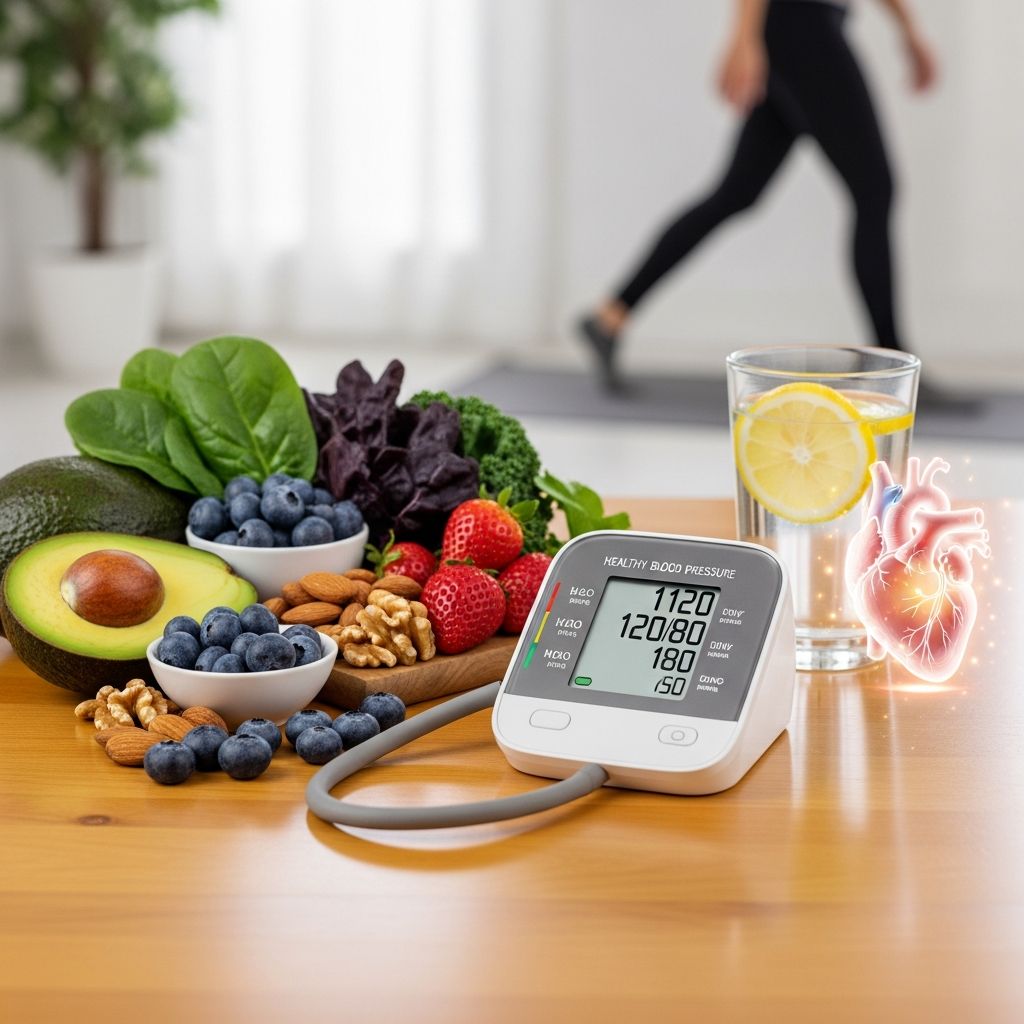
Healthy blood pressure is essential for cardiovascular health. Maintaining optimal levels reduces the risk of heart disease, stroke, and kidney damage. This comprehensive guide covers normal blood pressure ranges, measurement techniques, risk factors, and actionable strategies to keep your numbers in check.
What Is Blood Pressure?
Blood pressure measures the force of blood against artery walls as the heart pumps. It’s recorded as two numbers: systolic (top number, pressure during heartbeats) and diastolic (bottom number, pressure between beats). For example, 120/80 mm Hg means 120 systolic over 80 diastolic.
The American Heart Association (AHA) defines blood pressure categories based on extensive research. Understanding these helps individuals assess their risk and take preventive action early.
What Is Normal Blood Pressure?
Normal blood pressure is less than 120 systolic AND less than 80 diastolic. “Elevated” ranges from 120-129 systolic and less than 80 diastolic. These benchmarks come from population studies linking sustained levels to cardiovascular outcomes.
| Category | Systolic (mm Hg) | Diastolic (mm Hg) |
|---|---|---|
| Normal | <120 | AND <80 |
| Elevated | 120-129 | AND <80 |
| Hypertension Stage 1 | 130-139 | OR 80-89 |
| Hypertension Stage 2 | >=140 | OR >=90 |
| Hypertensive Crisis | >180 | AND/OR >120 |
Source: Adapted from AHA guidelines. Consistent readings above normal increase risks exponentially over time.
What Is the Average Blood Pressure?
Average blood pressure varies by age, sex, and health status. For adults 18-39, averages hover around 110/68 mm Hg for women and 119/70 for men. By age 60+, they rise to 133/69 and 139/68 respectively. However, “average” doesn’t mean “healthy”—many have elevated levels due to lifestyle factors.
- Young adults (18-39): Women ~110/68, Men ~119/70
- Middle-aged (40-59): Women ~122/74, Men ~124/77
- Older adults (60+): Women ~133/69, Men ~139/68
These U.S. averages highlight why monitoring matters—averages trend upward with age but should stay below 120/80 for optimal health.
What Is a Healthy Blood Pressure by Age?
Healthy targets remain consistent across adulthood: under 120/80 mm Hg. Age-related increases reflect artery stiffening, but lifestyle can mitigate this. The AHA emphasizes the same goal for all adults regardless of age to minimize risks.
- Children/Teens: Varies by height, age, sex—use pediatric charts
- Adults (18+): <120 systolic AND <80 diastolic
- Seniors (65+): Same target, but consult doctors for individualized plans
Pregnant individuals have unique considerations; gestational hypertension requires specialized monitoring.
What Is Dangerously High Blood Pressure?
Dangerously high blood pressure includes Stage 2 hypertension (>=140/90) and hypertensive crisis (>180/120). Symptoms may include severe headache, chest pain, shortness of breath, or vision changes. Immediate medical attention is critical to prevent organ damage.
- Stage 2: Sustained >=140/90—start meds + lifestyle changes
- Crisis: >180/120 with symptoms—call 911
Even without symptoms, chronic high readings damage arteries silently over years.
Blood Pressure Chart by Age
Blood pressure charts provide quick reference by age group. While targets stay constant, averages rise, underscoring prevention needs.
| Age Group | Average BP Women | Average BP Men | Healthy Target |
|---|---|---|---|
| 18-39 | 110/68 | 119/70 | <120/80 |
| 40-59 | 122/74 | 124/77 | <120/80 |
| 60+ | 133/69 | 139/68 | <120/80 |
Track your readings over time for patterns. Single highs may reflect stress; consistent elevations need action.
Related Stories



How to Lower Blood Pressure
Lifestyle modifications lower blood pressure effectively, often reducing or eliminating medication needs. Evidence shows 5-20 mm Hg drops from combined changes.
- DASH Diet: Emphasize fruits, vegetables, whole grains, low-fat dairy; limit sodium to 1,500-2,300 mg/day
- Exercise: 150 minutes moderate aerobic activity weekly (brisk walking, cycling)
- Weight Loss: 1 mm Hg drop per kg lost
- Limit Alcohol: <=1 drink/day women, <=2 men
- Quit Smoking: Improves vessel health rapidly
- Reduce Stress: Meditation, yoga, deep breathing
Potassium-rich foods (bananas, spinach) counter sodium’s effects. Track progress with home monitoring.
How to Take Your Blood Pressure at Home
Home monitoring empowers better management. Follow these steps for accuracy:
- Prepare: Rest quietly 5 minutes; avoid caffeine, exercise 30 minutes prior; empty bladder
- Position: Sit with back supported, feet flat, arm at heart level on table
- Cuff: Proper size (covers 80% upper arm); 1-inch above elbow bend
- Measure: Take 2-3 readings, 1 minute apart; average them
- Timing: Morning and evening, same times daily
Validate your device against professional readings annually. Apps log trends for doctor discussions.
Blood Pressure Factors to Consider
Blood pressure fluctuates due to multiple factors:
- “White Coat” Hypertension: Higher in doctor’s office from anxiety
- Masked Hypertension: Normal in office, high at home
- Circadian Rhythm: Dips at night; disruptions raise risk
- Posture: Standing raises systolic 4-14 mm Hg temporarily
Multiple readings over days provide the true picture, not single snapshots.
When to Talk to Your Doctor About Blood Pressure
Consult a healthcare provider if:
- Consistent readings >=130/80
- Symptoms like headaches, dizziness, blurred vision
- Family history of hypertension/heart disease
- Readings suddenly change significantly
- Pregnant or planning pregnancy
Doctors assess overall risk using tools like the ASCVD calculator, considering cholesterol, diabetes, smoking. Early intervention prevents complications.
Frequently Asked Questions (FAQs)
Is 120/80 a good blood pressure?
120/80 marks the upper limit of normal. Aim below this for optimal health, especially if other risks exist.
Does blood pressure increase with age?
Averages rise with age due to stiffer arteries, but healthy lifestyle keeps readings optimal regardless of age.
What is stroke-level blood pressure?
Hypertensive crisis (>180/120) with symptoms risks stroke. Seek emergency care immediately.
Can anxiety cause high blood pressure?
Yes, acute anxiety raises readings temporarily. Chronic stress contributes long-term; relaxation techniques help.
How often should you check blood pressure at home?
Twice daily (morning/evening) for tracking; adjust based on doctor’s recommendations and stability.
References
- Understanding Blood Pressure Readings — American Heart Association. 2024-05-08. https://www.heart.org/en/health-topics/high-blood-pressure/understanding-blood-pressure-readings
- High Blood Pressure — Centers for Disease Control and Prevention. 2024-11-19. https://www.cdc.gov/bloodpressure/about.htm
- 2017 ACC/AHA Guideline for High Blood Pressure — American College of Cardiology. 2017-11-13. https://www.ahajournals.org/doi/10.1161/HYP.0000000000000065
- Blood Pressure in Different Age Groups — National Institutes of Health. 2023-07-15. https://www.nhlbi.nih.gov/health/high-blood-pressure/adults
- Hypertension — World Health Organization. 2023-03-17. https://www.who.int/news-room/fact-sheets/detail/hypertension
Similar Articles








Read full bio of Sneha Tete