Healthy Breads: 7 Dietitian-Approved Options To Try
Dietitians reveal the best breads for nutrition, fiber, and health benefits to upgrade your sandwiches and toast.
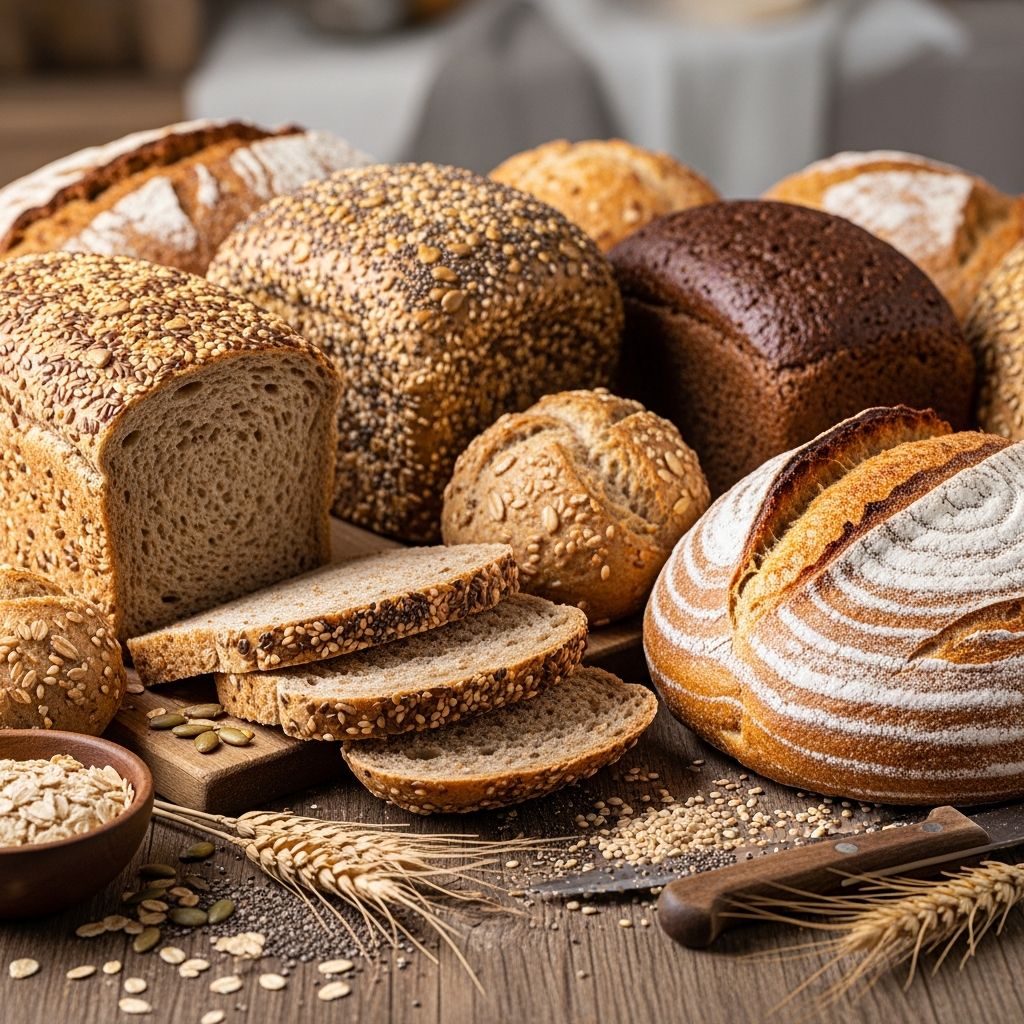
Bread gets a bad rap in many diets, often labeled as unhealthy or off-limits. However, not all breads are created equal. Choosing the right bread can boost your intake of fiber, vitamins, minerals, and other essential nutrients while supporting heart health, digestion, and stable blood sugar levels. Dietitians emphasize selecting breads made from whole grains or sprouted grains for maximum benefits. This guide covers the healthiest bread varieties, how to spot them in the store, and practical tips for incorporating them into your meals.
What Makes Bread Healthy?
Healthy bread starts with quality ingredients. Look for loaves made from 100% whole grains or sprouted grains as the first ingredient. Whole grains retain the bran, germ, and endosperm, providing fiber, protein, healthy fats, B vitamins, iron, and antioxidants. Refined grains, by contrast, lose these during processing, offering mostly empty carbs.
Key indicators of nutritious bread include:
- At least 3-5 grams of fiber per slice
- 3-6 grams of protein per slice
- No added sugars or minimal sweeteners (under 2 grams per slice)
- Short ingredient list without artificial preservatives
- Sprouted or fermented grains for better digestibility
Sprouting activates enzymes that increase nutrient bioavailability, reduce antinutrients like phytic acid, and enhance antioxidants, making nutrients easier to absorb. Fermentation in sourdough lowers the glycemic index and improves gut health.
Sprouted Whole Grain Bread
Sprouted whole grain bread is made from grains exposed to heat and moisture, kickstarting germination. This process boosts nutrient levels: studies show sprouting increases antioxidants, vitamins, and mineral absorption while decreasing antinutrients that block nutrient uptake.
Brands like Ezekiel 4:9 (found in the freezer section) use sprouted wheat, barley, lentils, soybeans, and millet. Two slices provide up to 12 grams of fiber, 8 grams of protein, and complete plant-based protein profiles. It’s denser and nuttier in flavor, ideal for toast with avocado or nut butter.
Benefits include improved metabolism, immunity, and digestion. Sprouted breads have a lower glycemic impact, helping maintain steady energy.
Sourdough Bread
Sourdough, fermented with wild yeast and lactic acid bacteria, offers unique health perks. The long fermentation breaks down gluten and phytic acid, enhancing digestibility for those with mild sensitivities (not celiac).
It has a lower glycemic index than regular bread, causing smaller blood sugar spikes. Research links sourdough to better mineral absorption and gut-friendly prebiotics from fermentation byproducts. Opt for whole grain sourdough varieties for added fiber.
Use it for sandwiches, as croutons, or alongside soups—its tangy flavor elevates simple meals.
100% Whole Wheat Bread
True 100% whole wheat bread uses only whole wheat flour, preserving the grain’s bran and germ. It’s richer in fiber (about 3-5 grams per slice), protein, and phytonutrients than refined white bread.
Related Stories



Regular consumption supports heart health by lowering cholesterol and aids weight management via satiety. Sara Lee Classics 100% Whole Wheat offers 8 grams of fiber per two slices with no high fructose corn syrup. Check labels: “whole wheat” must be first, not enriched flour.
Oat Bread
Oat bread combines oats with whole wheat flour, delivering beta-glucan fiber that lowers cholesterol and stabilizes blood sugar. Oats provide magnesium, thiamine, iron, and zinc for energy and immune support.
Studies show oat bread reduces post-meal blood sugar rises and blood pressure. Two slices can offer 4-6 grams of fiber. It’s soft and mildly sweet, perfect for French toast or PB&J.
Flax Bread
Flax bread incorporates ground flaxseeds, rich in alpha-linolenic acid (ALA), an omega-3 linked to heart disease reduction. It’s also high in lignans (antioxidants) and fiber (3 grams per slice in Ezekiel Flax).
Nutritional profile per slice (34g): 80 calories, 5g protein, 1g fat, 14g carbs, 3g fiber. Gluten-free options like Sprouted for Life Flax provide 8 grams fiber per two slices with chia and quinoa. Great for omega-3 boosts in vegan diets.
100% Sprouted Rye Bread
Rye bread, especially sprouted 100% rye, outshines wheat in nutrition with higher fiber that slows carb digestion and minimizes blood sugar spikes. Sprouting amplifies fiber content.
It’s dense and flavorful, suited for open-faced sandwiches or with smoked fish. Pair with seeds for extra crunch and nutrients.
Gluten-Free Options
Gluten-free bread can be healthy using whole grain flours like buckwheat, quinoa, millet, sorghum, teff, chickpea, or almond. Avoid refined rice/potato-heavy loaves.
Sprouted for Life Gluten-Free Flax (8g fiber per two slices) or Silver Hills Bakery options with sprouted grains and seeds work well. Prioritize fiber-rich, seed-packed varieties for nutrition.
High-Fiber Bread Recommendations
Dietitians favor these store-bought picks for fiber content:
| Bread | Fiber (2 slices) | Key Features |
|---|---|---|
| Dave’s Killer Bread 21 Whole Grains and Seeds | 10g | Organic whole grains, seeds, soft texture |
| Arnold Grains Almighty | 7g | Whole grains, seeds, crunchy |
| Ezekiel 4:9 Original | 12g | Sprouted grains, freezer section |
| Nature’s Own Keto Soft White | 18g | Low-carb, high-fiber |
| Arnold Organic 22 Grains & Seeds | 8g | Organic, flavorful |
| Sara Lee Classics 100% Whole Wheat | 8g | Soft, no HFCS |
| Sola Deliciously Seeded | 14g | Low-carb, seeded |
| Sprouted for Life Gluten-Free Flax | 8g | GF, flax/chia/quinoa |
How to Choose Healthy Bread at the Store
Scan the ingredients: First should be “100% whole wheat,” “sprouted whole grain,” etc. Avoid “wheat flour” or “enriched.” Check nutrition: Aim for high fiber/protein, low sugar/sodium.
- Freeze sprouted breads to extend freshness.
- Compare brands—Dave’s Killer and Ezekiel lead in nutrition.
- For gluten-free, seek whole grain bases.
Frequently Asked Questions
What is the healthiest bread to eat daily?
Sprouted whole grain like Ezekiel or Dave’s Killer Bread 21 Whole Grains for high fiber, protein, and nutrients.
Is sourdough bread healthy?
Yes, especially whole grain sourdough—fermentation improves digestibility and lowers glycemic impact.
Which bread has the most fiber?
Nature’s Own Keto (18g per 2 slices) or Ezekiel (12g).
Are there healthy gluten-free breads?
Yes, those with quinoa, buckwheat, or seeds like Sprouted for Life Flax.
How much bread is too much?
Moderation: 2-4 slices daily as part of balanced meals with veggies, proteins.
Incorporate these breads into meals: Top with nut butter, eggs, or veggies for balanced nutrition. Upgrading to healthy breads enhances diet quality effortlessly.
References
- The 7 Healthiest Types of Bread — Healthline. 2024-01-19. https://www.healthline.com/nutrition/healthiest-bread
- 15 Best High Fiber Bread Choices from a Dietitian — The Balanced Nutritionist. 2024. https://thebalancednutritionist.com/high-fiber-bread/
- How to Pick Healthy Bread at the Store—From a Registered Dietitian — Forks Over Knives. 2024. https://www.forksoverknives.com/shopping/dietitian-explains-how-to-pick-healthy-bread-at-the-store/
Similar Articles








Read full bio of medha deb