Healthy Breakfasts: Fueling Your Day Right
Start your day strong with nutritious breakfast ideas that boost energy and metabolism.
Why Breakfast Matters for Your Health
Breakfast is often called the most important meal of the day, and for good reason. After several hours of fasting overnight, your body needs fuel to function optimally. Eating a nutritious breakfast is the best way to start your day as it provides your body with essential energy, protein, and vital vitamins and minerals first thing in the morning. When you skip breakfast, you’re essentially running on empty, which can negatively impact both your physical performance and mental capabilities throughout the morning hours.
The word “breakfast” literally means to “break the fast” that occurred during sleep. During the night, your body continues to use glucose and other nutrients, which causes blood sugar levels to drop. A healthy breakfast replenishes this depleted glucose and kickstarts your metabolism, preparing you for the day ahead. Without this important meal, you may find yourself struggling with fatigue, difficulty concentrating, and reduced productivity in your morning activities.
Key Benefits of Eating a Healthy Breakfast
Research consistently shows that eating a nutritious breakfast offers numerous health benefits that extend throughout your entire day. Understanding these advantages can help motivate you to prioritize breakfast in your daily routine.
Enhanced Energy and Mental Performance
One of the most immediate benefits of breakfast is the provision of sustained energy for both your body and brain. A healthy breakfast refuels your body with energy and replenishes blood glucose levels that declined during the night. This restoration of glucose is crucial because your brain relies almost exclusively on glucose for fuel. When you eat breakfast, you’re essentially providing your brain with the resources it needs to function at peak capacity.
Beyond simple energy provision, breakfast significantly improves cognitive function. Studies demonstrate that eating breakfast leads to better concentration, improved attention span, and enhanced problem-solving ability. Students and professionals who eat breakfast consistently report better focus and ability to tackle complex tasks during morning hours. This mental boost is particularly important for those whose work or studies require sustained attention and analytical thinking.
Weight Management Support
Contrary to the belief that skipping breakfast helps with weight loss, the opposite is actually true. Eating a healthy breakfast plays an important role in weight management. When you skip breakfast, you often experience intense hunger by mid-morning or noon, which frequently leads to overeating at the next meal or reaching for unhealthy snacks. This pattern of skipping breakfast and then overeating creates an unhealthy cycle that can actually contribute to weight gain over time.
A satisfying breakfast with adequate protein and fiber helps you feel fuller longer, reducing the likelihood of excessive snacking or overeating at subsequent meals. This natural appetite regulation is one of the most effective strategies for maintaining a healthy weight without requiring constant willpower or calorie counting.
Metabolic Boost
Eating breakfast boosts your metabolism, which is your body’s ability to burn calories efficiently. When you eat in the morning, you activate thermogenesis—the process by which your body burns calories to digest food. This metabolic activation helps you burn more calories throughout the day, contributing to better overall energy expenditure and weight management. A healthy breakfast essentially sets your metabolic rate for the entire day.
Related Stories



What Constitutes a Healthy Breakfast
Not all breakfasts are created equal. To reap the maximum benefits, it’s important to understand what components make up a truly healthy breakfast. A well-balanced breakfast should include a variety of nutrient-dense foods that provide sustained energy and essential nutrients.
Core Components of Healthy Breakfast Meals
Healthy breakfast meals typically consist of several key components that work together to provide comprehensive nutrition:
| Component | Examples | Benefits |
|---|---|---|
| Protein | Low-fat cheese, eggs, Greek yogurt | Sustained energy and satiety |
| Whole Grains | Whole grain bread, oatmeal, whole grain cereals | Fiber and sustained glucose |
| Fruits | Fresh berries, bananas, oranges | Vitamins, minerals, and natural sweetness |
| Vegetables | Tomatoes, mushrooms, spinach | Vitamins, minerals, and fiber |
| Dairy | Low-fat or non-fat milk | Calcium and protein |
The ideal breakfast combines these elements to create a meal that provides sustained energy without excessive calories or unhealthy fats. The balance is key—you want enough protein and fiber to keep you satisfied, enough carbohydrates to fuel your brain and body, and enough vitamins and minerals to support your overall health.
Practical Healthy Breakfast Ideas
Understanding what makes a healthy breakfast is one thing; knowing how to prepare one is another. Here are several practical breakfast ideas that you can prepare quickly and enjoy regularly:
Quick and Easy Options
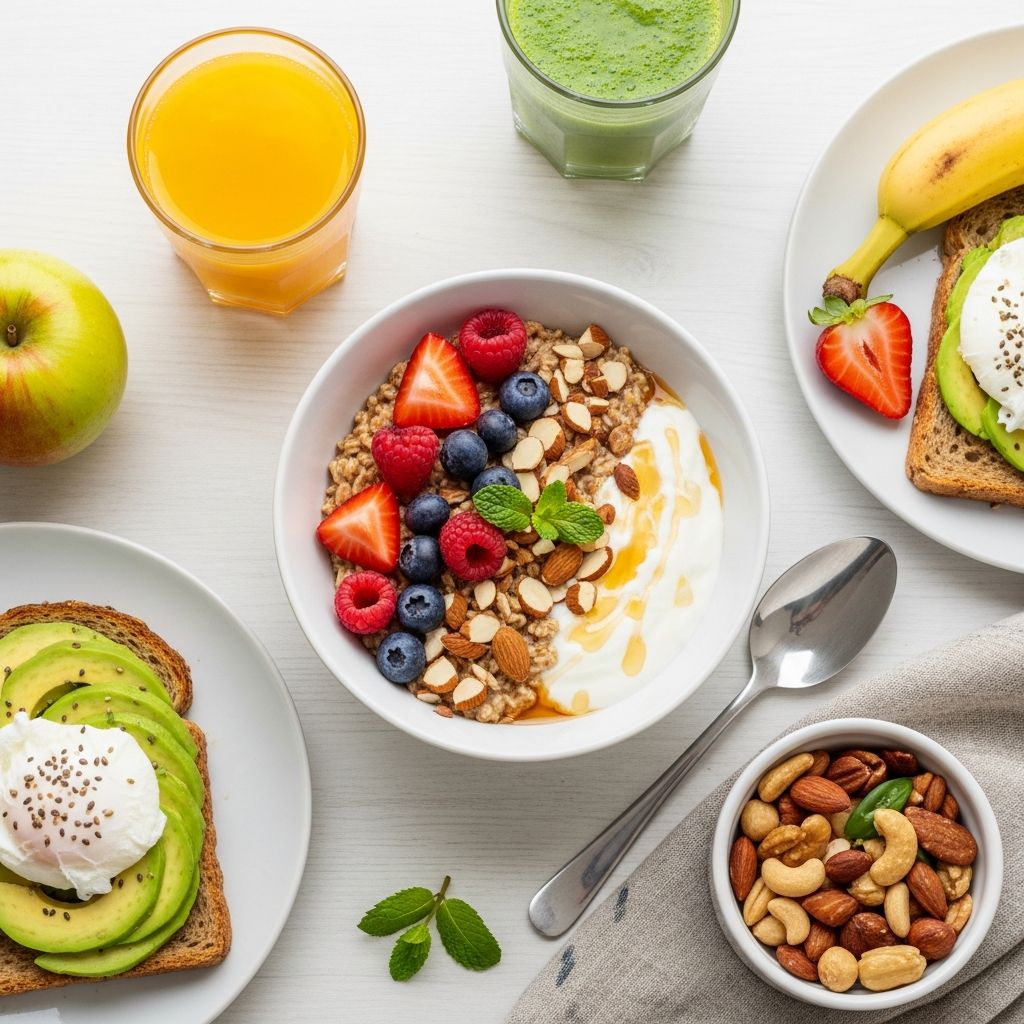
Whole Grain Cereal Bowl: Choose a whole grain cereal with low-fat or nonfat milk and top with fresh fruit. This classic combination is quick to prepare and provides carbohydrates, protein, calcium, and essential vitamins. The fruit adds natural sweetness, fiber, and additional micronutrients without requiring added sugar.
Vegetable Omelet with Whole-Wheat Toast: Prepare an omelet using eggs and your choice of vegetables—such as mushrooms, tomatoes, spinach, or peppers—and serve with a side of whole-wheat toast and a small cup of fresh juice. This protein-rich meal provides sustained energy and can be prepared in just 15 minutes.
Yogurt and Fruit Smoothie: Blend fat-free yogurt with fresh fruit and add one teaspoon of bran for extra fiber. This creamy, satisfying smoothie is portable, nutritious, and can be customized with your favorite fruits and flavors. The bran adds fiber without adding significant calories.
Breakfast Sandwich: Create a sandwich using whole-wheat bread, fat-free cheese, and fresh vegetables like tomatoes, lettuce, and cucumbers. This handheld option is perfect for busy mornings and provides a good balance of carbohydrates, protein, and vegetables.
Traditional Legume Breakfast: If you enjoy traditional cuisines, consider having half a cup of foul (fava beans) without added oil, paired with whole-wheat Arabic bread. This combination provides excellent protein and fiber with minimal added fats.
Additional Breakfast Components
To enhance the nutritional value of your breakfast, consider adding extra vegetables, legumes, or baked beans. These additions increase the vitamin, mineral, and fiber content of your meal, promoting better digestion and sustained energy levels. Green tea is an excellent beverage choice that provides antioxidants without the sugar found in many breakfast drinks.
Foods to Limit or Avoid at Breakfast
While it’s important to know what to eat for breakfast, it’s equally crucial to understand which foods undermine your health and well-being. Certain breakfast choices can sabotage your wellness goals before your day even truly begins.
Consume limited amounts of the following foods at breakfast:
- Sweetened juices: These contain added sugars that cause rapid blood sugar spikes followed by crashes, leading to energy dips and increased hunger
- Fatty and sugary pastries: Donuts, croissants, and similar pastries are high in calories, unhealthy fats, and refined sugars with minimal nutritional value
- White bread and refined cereals: These lack the fiber and sustained-energy benefits of whole grains, causing rapid blood sugar fluctuations
- Excessive jam or honey: While occasionally acceptable, these concentrated sweeteners should be used sparingly as they provide empty calories without substantial nutrients
- Sausages and processed meats: These are high in saturated fats, sodium, and potentially harmful preservatives
By avoiding these less healthy options, you can ensure that your breakfast truly supports your energy, health, and wellness goals rather than undermining them with empty calories and blood sugar instability.
Tips for Implementing a Healthy Breakfast Routine
Plan Ahead
The key to maintaining a consistent healthy breakfast habit is planning. Identify breakfast options you enjoy that fit into your schedule and budget. Consider preparing components the night before—such as cutting vegetables or preparing overnight oats—to minimize morning preparation time.
Start with What You Like
While expanding your breakfast repertoire is beneficial, start with foods you already enjoy. If you like eggs, build your breakfast around them. If you prefer fruit, focus on fruit-based options. This makes it easier to maintain the habit long-term.
Keep It Simple
Your breakfast doesn’t need to be complicated. Some of the healthiest breakfasts are the simplest ones—a bowl of oatmeal with berries, whole-grain toast with almond butter and banana, or a simple egg with vegetables. Simple meals are easier to prepare consistently and often more enjoyable.
Hydrate Properly
Remember to drink water or other healthy beverages with your breakfast. Proper hydration supports digestion, energy levels, and overall metabolism. Green tea or unsweetened beverages are excellent choices.
Frequently Asked Questions About Healthy Breakfasts
Q: Is it really necessary to eat breakfast every day?
A: While individual needs vary, research consistently shows that breakfast eaters have better energy, concentration, and weight management outcomes. Even if you’re not traditionally hungry in the morning, eating a light breakfast can improve your daily performance and health.
Q: How much time should a healthy breakfast take to prepare?
A: Healthy breakfasts can be prepared in 5-15 minutes. Overnight oats, smoothies, and simple combinations of whole grains with fruit require minimal preparation time while providing excellent nutrition.
Q: What if I have a limited budget for breakfast?
A: Healthy breakfasts can be budget-friendly. Eggs, oatmeal, canned beans, frozen vegetables, and whole-grain bread are affordable, nutritious options that form the foundation of countless healthy breakfast meals.
Q: Can I eat the same breakfast every day?
A: While it’s fine to enjoy the same breakfast regularly, varying your breakfast choices ensures you consume a broader range of nutrients. Try rotating between different options to maximize nutritional diversity.
Q: What should I do if I have dietary restrictions or food allergies?
A: Many breakfast options can be modified for dietary restrictions. Vegetarians can focus on plant-based proteins like yogurt and legumes, those avoiding dairy can use plant-based milk alternatives, and those with allergies can identify safe alternatives to common breakfast ingredients.
Conclusion
Starting your day with a healthy breakfast is one of the most effective and immediate steps you can take toward improved energy, better concentration, and overall wellness. By understanding the importance of breakfast and implementing practical, nutritious options into your morning routine, you set a positive tone for the entire day ahead. Remember that healthy breakfasts don’t need to be complicated or time-consuming—they simply need to include whole grains, protein, fruits or vegetables, and low-fat dairy or alternatives. Whether you choose a simple bowl of oatmeal with berries or a vegetable omelet with whole-wheat toast, the key is consistency and quality. Make breakfast a priority, and you’ll likely notice improvements in your energy levels, focus, and overall health within just a few weeks.
References
- Importance of Consuming a Healthy Breakfast — Johns Hopkins All Children’s Hospital. 2025. https://www.jhah.com/en/news-events/news-articles/importance-of-consuming-a-healthy-breakfast/
- The Importance of Breakfast: A Guide to Starting Your Day Right — American Heart Association. 2024. https://www.heart.org/en/healthy-living/healthy-lifestyle/nutrition
- Breakfast and Cognitive Development — Centers for Disease Control and Prevention (CDC). 2024. https://www.cdc.gov/nutrition/data-statistics/added-sugars.html
- The Role of Breakfast in Weight Management and Metabolism — National Institutes of Health (NIH). 2024. https://www.nih.gov/health
Similar Articles








Read full bio of medha deb