Healthy Eating For Diabetes: 5 Essential Tips
Practical tips and meal planning strategies to manage diabetes through balanced, nutritious eating every day.
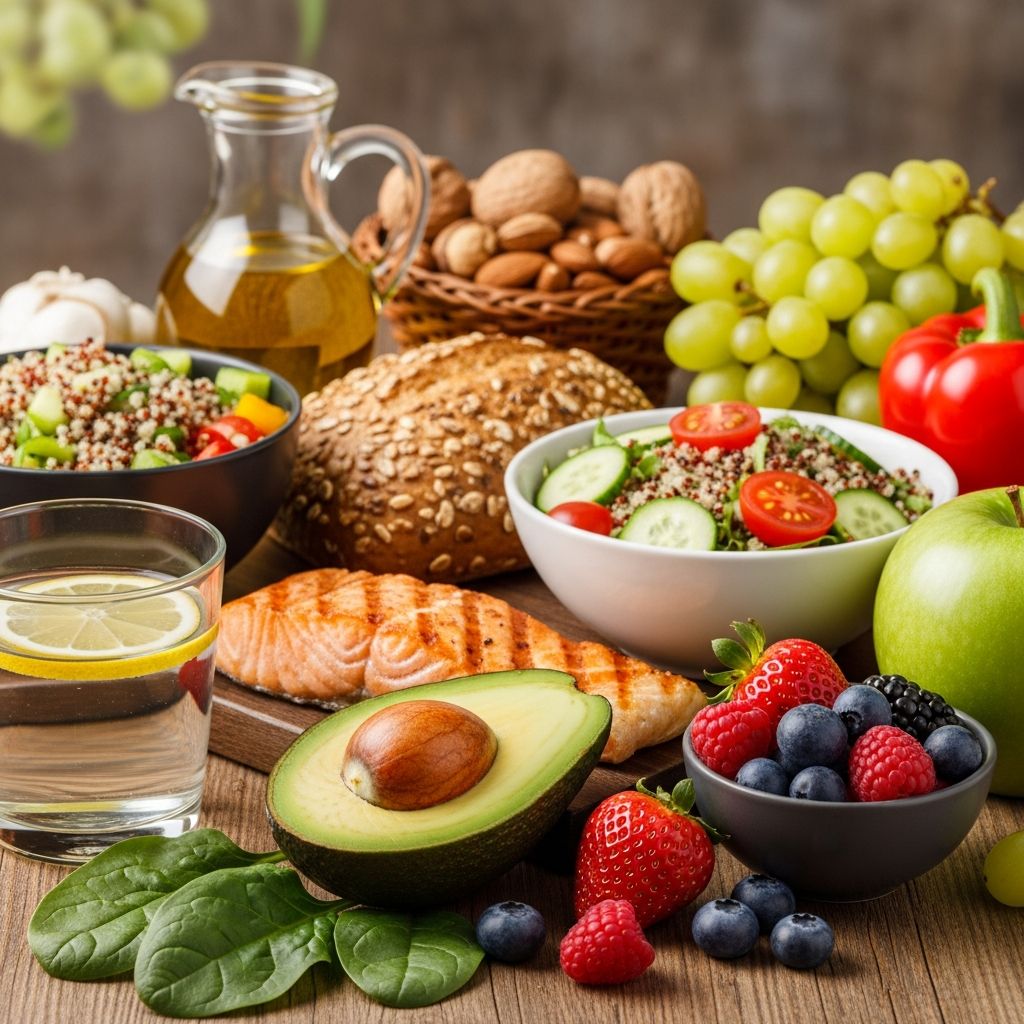
Healthy eating
Healthy eating is fundamental to managing diabetes effectively. It helps control blood sugar levels, maintain a healthy weight, and reduce risks of complications like heart disease. A balanced approach focuses on nutrient-dense foods, regular meal timing, and portion control rather than strict diets.
Why is healthy eating important?
Healthy eating stabilizes blood glucose, supports energy levels, and promotes overall well-being for people with diabetes. According to the CDC, a good meal plan ensures nutrition while keeping blood sugar in check by emphasizing nonstarchy vegetables, lean proteins, and quality carbohydrates. The NIH’s Endotext stresses tailoring plans to individual calorie needs, food preferences, and lifestyle for sustainability. Mayo Clinic highlights that focusing on fiber-rich carbs, healthy fats, and proteins prevents spikes in blood sugar during digestion.
Consistent meals prevent hypoglycemia and hyperglycemia. University Hospitals recommends eating at regular times and avoiding skipped meals to maintain steady glucose. Long-term, this reduces cardiovascular risks and improves insulin sensitivity.
Carbohydrates
**Carbohydrates** are the body’s primary energy source but impact blood sugar most directly. All carbs break down into glucose, so awareness is key. The American Diabetes Association advises eating at regular intervals, allowing 2-3 hours between meals for glucose stabilization.
Why are carbohydrates important?
Carbs fuel daily activities but require monitoring. Choose complex carbs like whole grains over refined ones for slower absorption and sustained energy. MedlinePlus notes variety from all food groups ensures nutrients.
How do I include carbohydrates in my meals?
Spread carbs across meals. Use the plate method: fill one-quarter with carb foods like brown rice or starchy vegetables. Mayo Clinic suggests fruits, vegetables, legumes, and low-fat dairy as healthy sources.
Carb counting
Carb counting tracks grams per meal matching insulin needs. One choice equals 12-15g carbs, per Mayo Clinic’s food lists. Work with a dietitian for personalization, as in Lilly Diabetes Guide.
Low-carb and very low-carb eating
Reducing carbs can aid weight loss and glucose control but consult professionals. Focus on nonstarchy veggies and proteins. Evidence supports moderation over extremes for sustainability.
Glycaemic index (GI)
GI measures carb impact on blood sugar; low-GI foods cause gradual rises. Useful alongside portion control, though not standalone.
The plate model
The
plate method
simplifies planning using a 9-inch plate. CDC and Mayo Clinic recommend: half nonstarchy vegetables (broccoli, spinach), quarter lean protein (chicken, tofu), quarter carbs (whole grains, fruit).University Hospitals details: at lunch/dinner, half veggies; breakfast uses half plate with quarter starch, quarter protein. Diabetes Food Hub exemplifies with chicken, collards, sweet potato. This visual tool controls portions effortlessly.
| Plate Section | Examples | Portion |
|---|---|---|
| Nonstarchy Vegetables | Broccoli, carrots, salad | 1/2 plate |
| Lean Protein | Chicken, fish, beans | 1/4 plate |
| Carbohydrates | Brown rice, sweet potato | 1/4 plate |
Portion sizes
Portion control prevents overeating. Use hand guides: protein as palm (3oz), fruit as fist (1 cup), nuts as cupped hand (1-2oz). Reading labels aids choices.
- Thumb tip: 1 tbsp
- Fingertip: 1 tsp
- Avoid oversized servings of carbs.
What’s your healthy eating style?
Styles include Mediterranean (veggies, fish, olive oil), vegetarian, or plant-based. Personalize with a dietitian. Mayo Clinic sample: 1200-1600 calorie menu with whole-wheat bread, fruits.
Labels
Check labels for carbs, sugars, sodium. Choose <5g added sugar per serving. Total carbs matter most for counting.
Sugar
Limit added sugars; natural sugars in fruit are fine with fiber. Use sparingly; opt for water over sugary drinks.
Fat
Choose unsaturated fats (avocados, nuts) over saturated (butter, bacon). Limit to small amounts.
Salt
Reduce sodium to <2300mg>
Alcohol
Moderate: women 1 drink/day, men 2. Pair with food; monitor glucose.
Recipe ideas
Easy Beef Chili (Diabetes Food Hub): Lean beef, beans, veggies. Top with Greek yogurt.
- Ingredients: Ground beef, tomatoes, chili powder, kidney beans.
- Serves 4; low-carb option.
Breakfast: Oatmeal with Berries – 1/2 cup oats, low-fat milk, handful berries.
Lunch: Grilled Chicken Salad – Mixed greens, chicken, vinaigrette.
Dinner: Baked Salmon with Quinoa and Broccoli.
Healthy supermarkets shopping
Plan lists: prioritize perimeter (produce, proteins). Check nutrition info; choose whole grains.
Eating out
Opt grilled over fried; sauces on side; skip bread basket. Half portions if large.
Top healthy eating tips
- Regular meal times.
- Plate method daily.
- Water over sugary drinks.
- Lean proteins.
- Smaller sweets portions.
Frequently asked questions
Can I eat sugar?
Yes, in moderation; count as carbs. Smaller portions occasionally.
What is the plate method?
9-inch plate: 1/2 nonstarchy veggies, 1/4 protein, 1/4 carbs.
How often should I eat?
3 meals + snacks; regular times, no skipping.
Are fruits okay?
Yes, whole fruits for fiber; limit juice.
Do I need to count carbs?
Ideal for insulin users; dietitian helps.
References
- Dietary Advice For Individuals with Diabetes – Endotext — NCBI – NIH. 2015 (updated). https://www.ncbi.nlm.nih.gov/books/NBK279012/
- Meal Planning for Diabetes — University Hospitals. Accessed 2026. https://www.uhhospitals.org/services/clinical-nutrition-services/patient-resources/diet-information/meal-planning-for-diabetes
- Create-Your-Plate: Simplify Meal Planning with the Diabetes Plate — Diabetes Food Hub (ADA). Accessed 2026. https://diabetesfoodhub.org/blog/create-your-plate-simplify-meal-planning-diabetes-plate
- Diabetes Meal Planning — CDC. 2024-01-15. https://www.cdc.gov/diabetes/healthy-eating/diabetes-meal-planning.html
- Diabetes diet: Create your healthy-eating plan — Mayo Clinic. 2024-09-11. https://www.mayoclinic.org/diseases-conditions/diabetes/in-depth/diabetes-diet/art-20044295
- Lilly Diabetes Daily Meal Planning Guide — Mercy.net. Accessed 2026. https://www.mercy.net/content/dam/mercy/en/web-assets/pdf/diabetes-education/lilly-diabetes-daily-meal-planning-guide.pdf
- Diabetes type 2 – meal planning — MedlinePlus. Accessed 2026. https://medlineplus.gov/ency/article/007429.htm
Similar Articles








Read full bio of medha deb