Eat Healthy During The Holidays: 11 Expert Tips
Expert tips to enjoy festive feasts without derailing your health goals this holiday season.
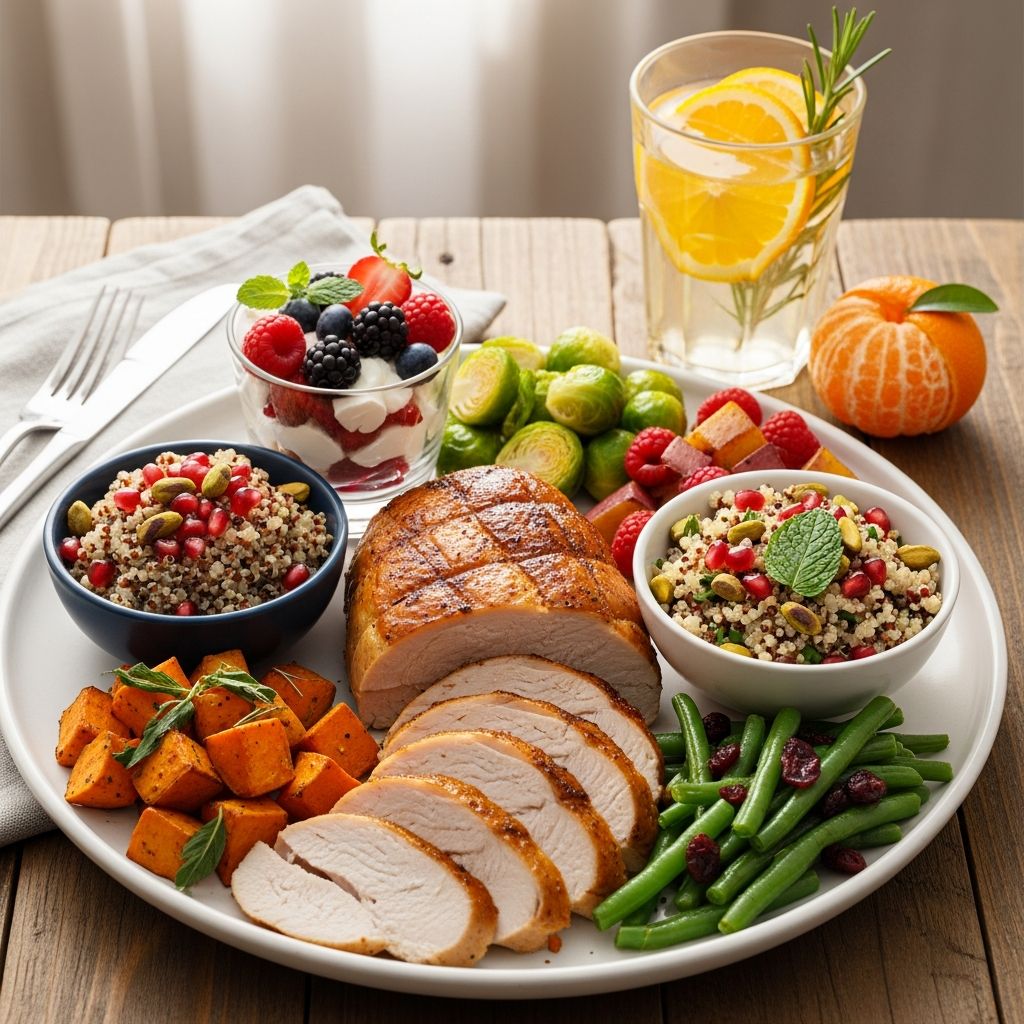
The holiday season brings joy, family gatherings, and tempting feasts, but it also challenges our commitment to healthy eating. Research indicates that holiday indulgences often lead to persistent weight gain and strain on metabolic health, including the liver. With mindful strategies, you can savor the festivities while prioritizing nutrition, digestion, and overall well-being. This guide covers essential tips drawn from health experts and studies to help you stay balanced.
Understand the Impact of Holiday Eating
Holiday eating patterns frequently involve high-sugar, high-fat foods and alcohol, which can overburden the body’s systems. A systematic review published in Nutrients analyzed how winter holidays affect eating behavior, finding that overindulgence contributes to long-term weight gain and metabolic disruptions. Foods rich in refined sugars and unhealthy fats spike blood sugar levels, promote inflammation, and challenge liver detoxification processes.
Skipping meals to ‘save room’ for big dinners often backfires, leading to excessive hunger and poor choices later. Maintaining steady nutrient intake supports stable energy levels and prevents the metabolic rollercoaster common during festivities. Awareness of these impacts empowers better decisions, ensuring celebrations enhance rather than harm health.
Prioritize Balanced Meals
Consistent meals throughout the day stabilize blood sugar and curb overeating urges. Start with a nutrient-rich breakfast featuring oats, fruits, and nuts to kickstart metabolism and digestion. Balanced lunches with lean proteins, vegetables, and whole grains keep you satisfied until dinner.
During gatherings, construct plates methodically: half vegetables, a quarter protein, and a quarter complex carbs. This approach delivers fiber for gut health, protein for satiety, and sustained energy. Studies show regular eating patterns reduce holiday weight gain risks by up to 50% compared to erratic habits. Hydrate between meals to further aid metabolic functions.
Opt for Nutrient-Dense Foods
Holiday tables brim with calorie-heavy dishes, but swapping in nutrient-dense options boosts health without sacrificing flavor. Leafy greens like spinach and kale provide vitamins and fiber supporting liver health and detoxification. Cruciferous vegetables such as broccoli and Brussels sprouts contain compounds that aid enzyme function in the liver.
Incorporate healthy fats from avocados, olive oil, nuts, and seeds. These monounsaturated fats promote heart health and reduce inflammation. Simple swaps include baked sweet potato fries over fried, roasted vegetables instead of creamy casseroles, and fresh salads with vinaigrette dressings. Colorful produce like berries, citrus, and beets add antioxidants, countering oxidative stress from rich meals.
- Vegetables: Aim for a rainbow plate—broccoli, carrots, bell peppers for vitamins A, C, and K.
- Proteins: Turkey, fish, legumes over processed meats.
- Grains: Quinoa, brown rice for fiber-rich alternatives to white bread.
These choices enhance satiety and nutrient intake, making festive meals nourishing.
Stay Hydrated
Related Stories



Hydration is crucial during holidays, aiding digestion, metabolism, and appetite control. Water flushes toxins, easing the liver’s detoxification load. Dehydration exacerbates bloating and fatigue from heavy meals.
Infuse water with lemon, cucumber, mint, or cranberries for festive appeal. Aim for 8-10 glasses daily, more if consuming alcohol. Herbal teas like ginger or peppermint soothe digestion and provide hydration without calories. Proper fluid intake supports kidney and liver synergy, vital for processing holiday excesses.
Moderate Alcohol Consumption
Alcohol taxes the liver, slowing its ability to metabolize fats and toxins. Holidays amplify intake, risking fatty liver buildup. Alternate drinks with water, choose lower-calorie options like light beer or wine spritzers, and set limits—women no more than one drink daily, men two, per health guidelines.
Opt for mocktails with sparkling water and fruit purees. Hydration dilutes alcohol’s effects, reducing hangover risks and organ strain. Moderation preserves festive enjoyment while safeguarding long-term liver health.
Include Gut-Friendly Foods
Heavy meals often cause indigestion; counter with probiotics from yogurt, kefir, sauerkraut, or kimchi. These foster beneficial gut bacteria, linked to improved liver function via the gut-liver axis.
Herbs like ginger (in teas or stir-fries) and peppermint calm the stomach, reducing nausea. Fermented sides pair well with roasts, adding tang without calories. A healthy microbiome enhances nutrient absorption and immunity, crucial during stress-filled holidays.
Practice Portion Control
Abundant buffets tempt overeating; smaller plates trick the eye into satisfaction. Follow the plate method: half veggies, quarter protein, quarter starches. Eat slowly—20 minutes for fullness signals to register.
| Plate Section | Examples | Benefits |
|---|---|---|
| 50% Vegetables | Salad, steamed greens | Fiber for digestion |
| 25% Protein | Turkey, tofu | Satiety, muscle repair |
| 25% Carbs | Quinoa, sweet potato | Sustained energy |
This strategy cuts calories by 20-30% unconsciously while balancing macros.
Stay Active
Movement offsets indulgences; post-meal walks boost digestion and blood sugar control. Aim for 30 minutes daily—brisk strolls, dancing, or family games. Exercise enhances mood via endorphins, countering holiday stress.
Incorporate fun: holiday light walks or yoga sessions. Physical activity supports metabolic health, burning excess calories and maintaining weight stability.
Manage Stress and Sleep
Holiday pressures elevate cortisol, straining the liver. Prioritize 7-9 hours sleep for repair. Techniques like meditation, deep breathing, or yoga reduce stress.
Wind down with chamomile tea, dim lights. Quality rest regulates hormones, aiding weight management and organ recovery.
Practice Mindful Eating
Slow eating improves digestion and portion awareness. Chew thoroughly, minimize distractions. Mindful practices cut overeating by recognizing true hunger versus emotional eating.
Add Healthy Desserts
Satisfy sweets with fruit platters, yogurt parfaits, dark chocolate (70%+ cocoa), or baked apples. These lower glycemic impact, gentler on blood sugar and liver.
- Chia pudding with berries
- Poached pears in cinnamon
- Nut-based energy balls
These indulgent-yet-healthy options complete feasts nutritiously.
Frequently Asked Questions (FAQs)
Can I enjoy holiday treats and still eat healthy?
Yes, in moderation with portion control and balanced meals. Focus on nutrient-dense swaps to indulge guilt-free.
How much water should I drink during holidays?
At least 8-10 glasses daily, more with alcohol or salty foods, to support digestion and detoxification.
What’s the best way to handle family feast pressures?
Arrive satisfied from a light snack, use smaller plates, and emphasize veggies for polite, healthy choices.
Does exercise really help with holiday eating?
Absolutely—daily activity like walking aids digestion, mood, and calorie balance.
Are probiotics necessary during holidays?
Beneficial for gut health amid rich foods; include yogurt or kimchi to ease digestion.
By integrating these strategies, enjoy holidays vibrantly while nurturing health. Small, consistent choices yield big results for a healthy new year.
References
- Winter Holidays and Their Impact on Eating Behavior—A Systematic Review — M. et al. Nutrients. 2023-10-02. https://doi.org/10.3390/nu15194201
- Factor Matters Volume 60 — Haemophilia Foundation NSW. 2024-12. https://www.hfnsw.org.au/wp-content/uploads/sites/10/2024/12/FACTOR-MATTERS-Volume-60_FINAL.pdf
- How to avoid holiday weight gain — ScienceDaily (American Physiological Society study). 2023-12-04. https://www.sciencedaily.com/releases/2023/12/231204135305.htm
Similar Articles








Read full bio of Sneha Tete