Healthy Eating Guide for Women
Comprehensive nutrition guide empowering women to make informed dietary choices for optimal health.
Nutrition plays a fundamental role in maintaining optimal health and preventing chronic diseases throughout a woman’s life. A well-balanced diet provides the essential nutrients needed to support energy levels, strengthen bones, regulate metabolism, and reduce the risk of conditions such as heart disease, diabetes, and certain cancers. This comprehensive guide offers women practical, evidence-based recommendations for making nutritious food choices that align with their unique health needs and life stages.
Understanding the Basics of Nutrition
A healthy diet consists of a variety of foods that work together to provide your body with the nutrients it needs to function properly. These nutrients include vitamins, minerals, carbohydrates, proteins, and healthy fats. While there is considerable discussion about different diet approaches, scientific consensus supports several fundamental principles for healthy eating.
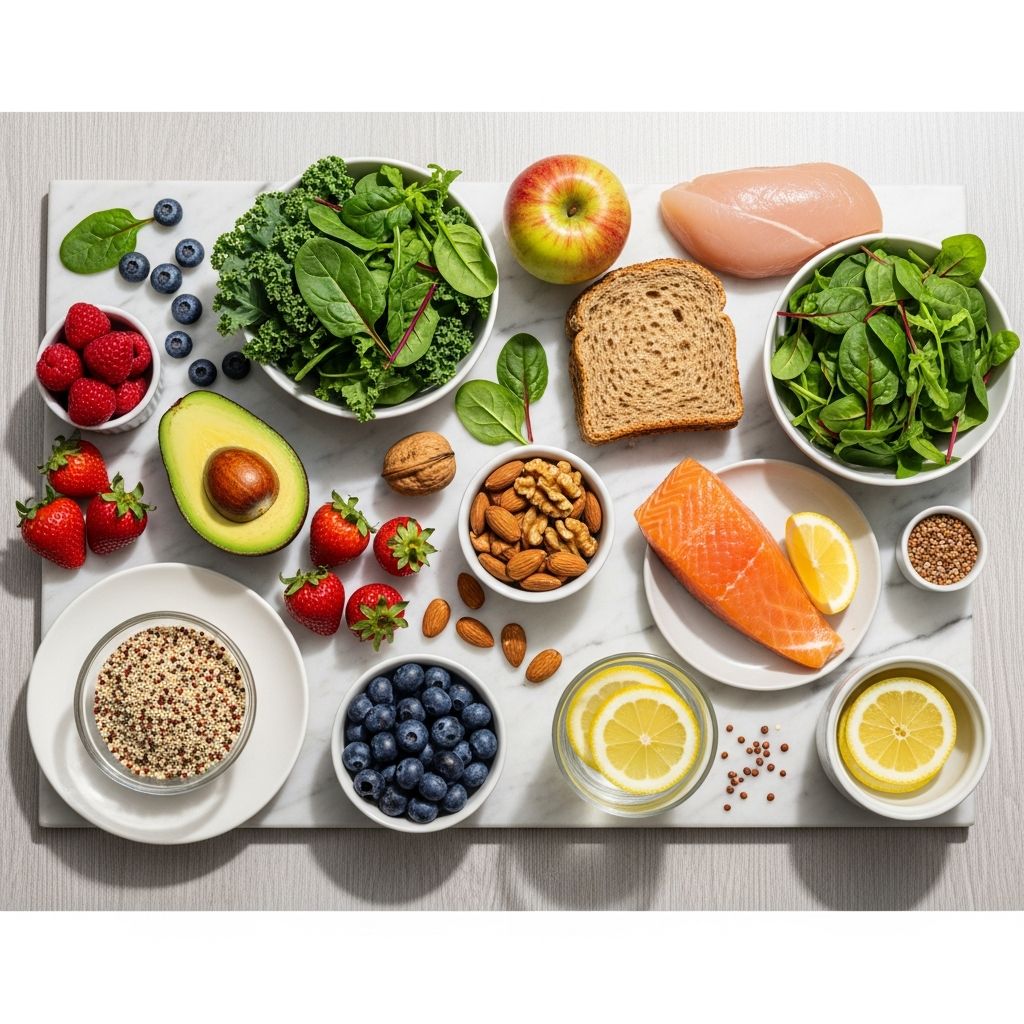
The foundation of a healthy diet emphasizes filling half of your plate with fruits and vegetables, one-quarter with whole grains, and one-quarter with healthy proteins. This visual guide makes it easier to understand proper portion sizes and nutrient distribution without requiring complex calculations.
Key Macronutrients and Their Roles
Carbohydrates serve as your body’s primary energy source. Prioritize complex carbohydrates from whole grains, legumes, and vegetables rather than refined carbohydrates found in white bread and processed foods.
Proteins are essential for building and repairing tissues, producing enzymes and hormones, and supporting immune function. Women should include diverse protein sources including fish, chicken, beans, nuts, and legumes to maximize nutritional benefits.
Healthy Fats are crucial for heart health, brain function, and nutrient absorption. Prioritize unsaturated fats from sources like olive oil, avocados, nuts, and fatty fish while limiting saturated and trans fats.
The Importance of Fruits and Vegetables
Fruits and vegetables are nutritional powerhouses packed with vitamins, minerals, fiber, and phytonutrients that protect your cells from damage. Women should aim to consume a variety of colorful produce throughout the day, as different colors offer different health benefits.
Red and pink produce like tomatoes and watermelon contain lycopene, which may help prevent certain chronic diseases. Orange and yellow vegetables such as carrots and sweet potatoes are rich in beta-carotene, which converts to vitamin A for eye health. Green vegetables like spinach and broccoli provide calcium, magnesium, and other essential minerals.
The fiber found in fruits and vegetables supports digestive health, helps regulate blood sugar levels, and promotes satiety, which can assist with weight management. Include both raw and cooked vegetables in your diet to maximize nutrient absorption and enjoyment.
Whole Grains and Complex Carbohydrates
Whole grains retain all three parts of the grain kernel—the bran, germ, and endosperm—making them significantly more nutritious than refined grains. They provide sustained energy, support digestive health through fiber content, and help regulate blood sugar levels.
Incorporate whole grains such as:
- Oats and oatmeal
- Brown rice and wild rice
- Quinoa
- Whole wheat bread and pasta
- Barley
- Millet
Women should aim for at least half of their grain servings to come from whole grains. Reading nutrition labels is essential—look for “whole grain” or “whole wheat” listed as the first ingredient to ensure you’re getting genuine whole grain products rather than those simply colored brown with caramel.
Protein: Building Blocks of Health
Protein is essential for women at every life stage, from supporting lean muscle mass to maintaining strong bones and hair. The recommended dietary allowance for protein is 0.8 grams per kilogram of body weight, though individual needs may vary based on activity level, age, and health status.
Plant-based proteins offer excellent nutrition along with fiber and micronutrients. Include beans, lentils, tofu, tempeh, nuts, seeds, and whole grains. Fish and seafood, particularly fatty fish like salmon, mackerel, and sardines, contain omega-3 fatty acids that support heart and brain health. Poultry provides lean protein with less saturated fat than red meat. Eggs contain choline, essential for brain health, and lutein, important for eye health.
Varying your protein sources ensures you receive a broader spectrum of nutrients and helps maintain dietary interest and adherence.
Healthy Fats: Essential for Heart and Brain
Not all fats are created equal. Unsaturated fats, including monounsaturated and polyunsaturated fats, support cardiovascular health and reduce inflammation. These include:
- Olive oil
- Avocados
- Nuts and seeds
- Fatty fish rich in omega-3 fatty acids
The Mediterranean diet, which emphasizes olive oil, fish, and nuts, has demonstrated significant health benefits for women, including improved asthma control and reduced allergy symptoms in children when pregnant women followed this dietary pattern.
Limit saturated fats from fatty meats, full-fat dairy products, and tropical oils, as excess consumption can increase cholesterol levels and heart disease risk. Avoid trans fats found in many processed and fried foods, as they offer no health benefits and significantly increase disease risk.
The Importance of Breakfast
Breakfast is often called the most important meal of the day, and for good reason. A nutritious breakfast replenishes glucose and boosts energy and focus for the morning ahead. Skipping breakfast can lead to overeating later in the day and poor food choices.
Components of a Healthy Breakfast
A balanced breakfast should include:
- Low-fat or non-fat milk or dairy alternatives
- Whole grains or unsweetened cereals
- Fresh fruits or unsweetened juices
- Low-fat protein sources like eggs, cheese, or yogurt
- Green tea or other healthy beverages
Healthy Breakfast Ideas
Option 1: Whole grain cereal with low-fat milk topped with fresh berries and a handful of almonds.
Option 2: Vegetable omelet made with egg whites, spinach, and tomatoes served with whole wheat toast and a small glass of fresh juice.
Option 3: Fat-free yogurt parfait with bran, fresh fruit, and a drizzle of honey.
Option 4: Whole grain toast topped with avocado and a poached egg, accompanied by a cup of green tea.
Avoid starting your day with sweetened juices, sugary pastries, white bread, refined cereals, excessive jam or honey, and processed meats like sausages, as these foods lack nutritional value and can cause energy crashes.
Hydration and Beverages
Water is the most essential nutrient for your body, comprising over 60% of body weight and supporting every physiological function. Women should drink adequate water throughout the day to maintain hydration, support metabolism, aid digestion, and promote clear skin.
The commonly recommended guideline of eight 8-ounce glasses daily serves as a general starting point, though individual needs vary based on activity level, climate, and health status. A practical approach is to drink enough water so that you rarely feel thirsty and your urine remains light yellow.
Limit consumption of sugary beverages, as they represent the largest source of added sugar in American diets and contribute significantly to weight gain and type 2 diabetes risk. If you enjoy flavored beverages, add fresh lemon, cucumber, or herbs like mint to water for taste without added sugars or calories.
Nutrition Through Different Life Stages
Reproductive Years
Women of childbearing age should ensure adequate iron intake (18 mg daily) to compensate for menstrual blood loss. Include iron-rich foods like lean red meat, poultry, fish, fortified cereals, beans, and dark leafy greens. Pair iron-rich foods with vitamin C sources to enhance absorption.
Pregnancy and Lactation
Pregnant women require approximately 300 additional calories daily and increased amounts of protein, iron, calcium, and folate. Research demonstrates that pregnant women following a Mediterranean diet pattern experience improved health outcomes, with children showing fewer allergy and asthma symptoms later in life.
Perimenopause and Menopause
As estrogen levels decline, bone loss accelerates. Ensure adequate calcium (1,200 mg daily) and vitamin D intake to maintain bone density and reduce osteoporosis risk. Include weight-bearing exercise and strength training to support bone health.
Older Adulthood
Protein needs remain constant or may increase slightly to preserve muscle mass. Vitamin B12 absorption decreases, making fortified foods or supplements important. Continue adequate calcium and vitamin D intake for bone health.
Practical Meal Planning Strategies
Creating a practical meal plan helps ensure consistent healthy eating habits. Start by planning meals around vegetables and whole grains, then add protein sources. This approach naturally creates balanced meals aligned with evidence-based nutrition guidelines.
Batch cooking on weekends allows you to prepare proteins, grains, and vegetables that can be combined in different ways throughout the week, making healthy eating convenient despite busy schedules. Keep healthy snacks readily available, including nuts, fresh fruits, yogurt, and cheese, to prevent reaching for less nutritious options when hunger strikes.
Reading Nutrition Labels
Understanding nutrition labels empowers informed food choices. Focus on:
- Serving size — all other information is based on this amount
- Calories — understand your daily calorie needs
- Nutrients to limit — sodium, added sugars, and saturated fats
- Nutrients to seek — fiber, protein, vitamins, and minerals
- Ingredient list — shorter lists with recognizable ingredients are generally preferable
Research shows that providing nutritional information on menus significantly increases awareness of calorie content and encourages selection of lower-calorie options, with the strongest effect observed in women and individuals with higher education or income levels.
Managing Special Dietary Needs
Food Allergies and Intolerances
Women with food allergies or intolerances should work with a registered dietitian to ensure nutritional completeness. Common replacements include dairy-free milks fortified with calcium and vitamin D for those avoiding dairy, and gluten-free whole grains for those with celiac disease or gluten sensitivity.
Diabetes Management
Women with diabetes should focus on portion control, choosing whole grains and legumes over refined carbohydrates, and pairing carbohydrates with protein and healthy fats to minimize blood sugar spikes. Regular monitoring helps individualize dietary recommendations.
Heart Health
For women concerned about cardiovascular health, emphasize the Mediterranean diet pattern, limit sodium intake, choose lean proteins, and ensure adequate fiber consumption through whole grains and vegetables.
Frequently Asked Questions
How many servings of fruits and vegetables should I eat daily?
The general recommendation is at least 2.5 cups of vegetables and 2 cups of fruit daily. This fills approximately half of your plate at meals and can be achieved through a combination of fresh, frozen, and canned options.
What is the best diet for weight management?
The best diet is one you can sustain long-term. Focus on whole foods, appropriate portions, adequate protein and fiber, and regular physical activity. Fad diets rarely produce lasting results. Sustainable approaches emphasizing balanced nutrition and lifestyle changes prove most effective.
Should I take vitamin supplements?
Most women can meet nutrient needs through a varied, balanced diet. However, certain women may benefit from supplementation, including prenatal vitamins during pregnancy, vitamin B12 supplements for older adults, and vitamin D supplements in northern climates or for those with limited sun exposure. Consult your healthcare provider about individual needs.
How can I maintain healthy eating habits when eating out?
Review menus in advance to identify nutritious options, request dressings and sauces on the side, choose grilled rather than fried preparations, ask for extra vegetables, and practice portion awareness by considering sharing entrées or taking half your meal home.
Is snacking part of a healthy diet?
Yes, strategic snacking supports stable blood sugar and energy levels. Choose nutrient-dense options like nuts, fresh fruit, yogurt, cheese, and whole grain crackers rather than processed snack foods high in added sugars and sodium.
Conclusion
Healthy eating is not about perfection or strict deprivation; it’s about making consistent, informed choices that support your health and well-being. By understanding basic nutrition principles, emphasizing whole foods, incorporating diverse fruits and vegetables, choosing lean proteins, and including healthy fats, women of all ages can establish eating patterns that prevent chronic disease and promote vitality. Remember that individual needs vary based on age, health status, activity level, and personal circumstances, so consider consulting a registered dietitian for personalized guidance tailored to your specific situation.
References
- Nutrition and Weight Management in the Workplace: Employer User Guide — Johns Hopkins Bloomberg School of Public Health. 2023. https://publichealth.jhu.edu/sites/default/files/2023-06/whrn-nwm.pdf
- Mediterranean Diet and Health Benefits — Johns Hopkins US Family Health Plan. 2017. https://www.hopkinsusfhp.org
- Importance of Consuming a Healthy Breakfast — Johns Hopkins Aramco Healthcare. 2024. https://www.jhah.com/en/news-events/news-articles/importance-of-consuming-a-healthy-breakfast/
Similar Articles







Read full bio of medha deb