Healthy Eating for Women: A Comprehensive Guide
Discover essential nutrition guidelines and practical strategies for women's optimal health.
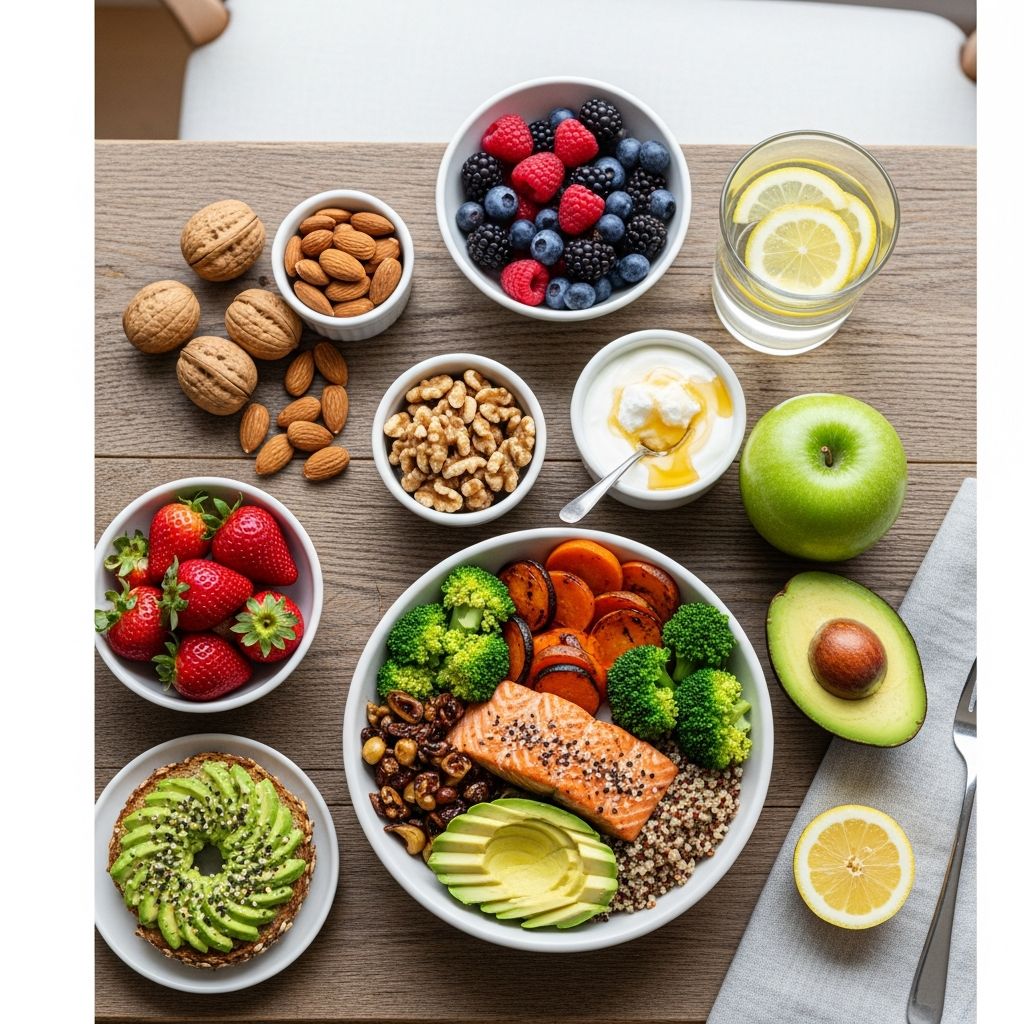
Healthy Eating for Women: A Comprehensive Nutritional Guide
Healthy eating is foundational to women’s overall well-being, influencing both physical and mental health across all life stages. A balanced diet provides the essential nutrients your body needs to function optimally, maintain energy levels, and reduce the risk of chronic diseases. This comprehensive guide outlines evidence-based nutritional recommendations specifically designed for women, offering practical strategies to help you make informed dietary choices.
Understanding Your Daily Calorie Needs
On average, adult women need between 1,600 and 2,400 calories a day to maintain a healthy weight and support bodily functions. However, individual calorie requirements vary based on several factors, including age, height, weight, and physical activity level. Women who are more physically active may need additional calories to fuel their exercise and recovery. For sedentary women, calorie needs typically fall on the lower end of this range, while active women may require closer to 2,400 calories or more daily.
Understanding your personal calorie needs is the first step toward making informed nutritional choices. Consider consulting with a registered dietitian to determine your specific requirements based on your lifestyle, health goals, and any existing health conditions.
Essential Food Groups for Women
Fruits and Vegetables
Fruits and vegetables should form the foundation of a healthy diet for women. Aim to fill about half of your plate with fruits or vegetables at each meal. These nutrient-dense foods provide essential vitamins, minerals, fiber, and phytonutrients while being relatively low in calories. However, research indicates that most women do not consume enough fruits and vegetables.
When selecting fruits and vegetables, prioritize whole fruit over juice, as whole fruit contains beneficial fiber that juice lacks. During the week, experiment with different varieties of vegetables to ensure you’re getting a diverse range of nutrients. Both fresh and frozen vegetables are nutritious options that can be incorporated into various dishes.
Tips for increasing fruit and vegetable intake:
– Include at least one portion of fruits or vegetables in each meal and snack- Choose fresh, frozen, canned, or dried varieties according to availability and preference- Incorporate vegetables into dishes such as pasta, curries, stir-fries, and soups rather than eating them only as side dishes- Aim for a goal of at least 3 fruits and 5 vegetables daily, translating to approximately 3 pieces of fruit and 2-3 cups of vegetables
Protein Sources
Protein is essential for building and maintaining muscle tissue, producing enzymes and hormones, and supporting immune function. Women should eat a variety of protein sources throughout the week to obtain different nutrient profiles. Recommended protein sources include seafood, lean meats, poultry, eggs, legumes (beans and peas), nuts, seeds, and soy products.
Notably, most women do not consume enough seafood to meet weekly recommendations of 8 to 10 ounces, or approximately two servings per week. Seafood provides high-quality protein along with omega-3 fatty acids that support heart and brain health. Spacing out your protein intake across meals and snacks, consuming 25-35 grams per meal, ensures optimal utilization and prevents excess consumption that could contribute to weight gain.
Related Stories



Best protein sources include:
– Beans and legumes- Nuts and seeds- Fish and seafood- Poultry (chicken and turkey)- Eggs- Soy products (tofu and tempeh)
Whole Grains
Whole grains should comprise at least half of your grain intake. Excellent whole grain options include brown rice, whole-wheat pasta, and whole-wheat bread. Whole grains contain all three parts of the grain kernel—the bran, germ, and endosperm—providing superior nutritional value compared to refined grains. They offer more fiber, vitamins, minerals, and phytonutrients than their refined counterparts.
Unfortunately, research shows that most women do not eat enough whole grains. Making the transition to whole grains can be gradual; you might start by replacing half of your refined grain foods with whole grain alternatives and gradually increasing the proportion.
Simple switches to increase whole grain consumption:
– Replace white rice with brown rice, wild rice, quinoa, or buckwheat- Choose whole-wheat pasta instead of regular pasta- Select whole-grain or seeded bread instead of white bread- Use wholemeal flour in baking, or combine half white and half wholemeal flour- Choose high-fiber breakfast cereals such as wholewheat flakes or unsweetened muesli
Dairy and Dairy Alternatives
Women should obtain 3 cups of dairy each day to meet calcium and vitamin D requirements; however, most women consume only half that amount. Dairy products provide essential nutrients, particularly calcium for bone health and vitamin D for calcium absorption and immune function. The recommended daily intake of calcium for adult women is approximately 1,500 mg.
If you cannot tolerate or choose not to consume milk, incorporate low-fat plain yogurt or low-fat cheese into your diet. These alternatives provide similar nutritional benefits while often being easier to digest or more palatable than milk. For those avoiding all dairy, calcium-fortified plant-based alternatives such as fortified almond, soy, or oat milk can help meet your nutritional needs.
Limiting Unhealthy Components
Added Sugars
Added sugars should be limited significantly in a healthy diet. Recommendations suggest limiting added sugars to no more than 50 grams per day. Consuming excessive sugar is associated with weight gain, type 2 diabetes, heart disease, and dental problems. Foods high in added sugars provide calories without substantial nutritional value, often referred to as “empty calories.”
Replace sugary beverages with water, and choose snacks such as fresh fruit instead of cake and biscuits. When selecting processed foods, read nutrition information labels to identify products with lower sugar content, ensuring that sugars, salt, and saturated fat levels are acceptable.
Saturated and Trans Fats
Saturated fat intake should be limited to no more than 22-24 grams per day, representing approximately 11% of total daily calories. Trans fats should be avoided entirely. Both saturated and trans fats contribute to elevated cholesterol levels and increased risk of heart disease. Instead, emphasize unsaturated fats, which support heart health and provide essential fatty acids.
Healthy fat sources include olive oil, canola oil, peanut oil, nuts, avocados, and peanut butter. Limit consumption of full-fat cheeses, butter, fatty meats, cold cuts, poultry skin, whole milk, ice cream, and desserts prepared with butter or coconut oil.
Sodium (Salt)
Daily sodium intake should be limited to 2,300 milligrams per day. Excessive sodium consumption contributes to elevated blood pressure, increasing the risk of heart disease and stroke. Many processed and restaurant foods contain substantial amounts of sodium, often without obvious salty taste. Reading food labels and choosing lower-sodium options can significantly reduce sodium intake.
Dietary Fiber: An Often-Overlooked Essential Nutrient
Adults are recommended to consume at least 30 grams of dietary fiber daily, yet average intakes for women fall well below recommendations at approximately 17 grams per day. High fiber intake supports digestive health, reduces constipation risk, and may lower the risk of heart disease, type 2 diabetes, and bowel cancer.
Dietary fiber is found in whole grains, high-fiber breakfast cereals, beans, pulses, nuts, seeds, fruits, and vegetables. Increasing fiber intake should be gradual, accompanied by increased water consumption, to avoid digestive discomfort.
Strategies for increasing dietary fiber:
– Switch white rice to brown, wild rice, quinoa, or buckwheat- Snack on fresh fruit instead of processed snacks- Choose high-fiber breakfast cereals with no added sugar- Replace some meat in dishes with vegetables and beans- Swap roast potatoes for baked or new potatoes with skins- Switch to whole-wheat pasta- Eat whole-grain or seeded bread instead of white bread- Do not peel potatoes; wash well and eat them with the skin intact- Add dried fruit, unsalted nuts, or seeds to plain low-fat yogurt
Key Nutritional Recommendations Summary
| Nutrient/Food Group | Daily Recommendation |
|---|---|
| Calories | 1,600-2,400 per day |
| Fruits and Vegetables | Fill half your plate (3 fruits, 2-3 cups vegetables) |
| Protein | 5-6.5 ounces daily; 8-10 ounces seafood weekly |
| Whole Grains | At least half of grain intake |
| Dairy | 3 cups daily |
| Dietary Fiber | At least 30g daily |
| Added Sugars | No more than 50g daily |
| Saturated Fat | No more than 22-24g daily |
| Sodium | No more than 2,300mg daily |
Building a Sustainable Healthy Eating Pattern
Adopting a healthy eating pattern is not about perfection or restriction; it is about making consistent, informed choices that support your health and well-being. Start by identifying one or two dietary changes you can realistically implement, then gradually add additional modifications as these become habitual.
A diet emphasizing unsaturated fats, whole grains, quality protein sources, and abundant fruits and vegetables, while limiting trans and saturated fats, refined grains, and sugary beverages, is healthy through virtually all life stages—from young adulthood through planning for pregnancy, pregnancy, and into older age.
Building a healthy eating style can help reduce your risk of chronic diseases such as heart disease, diabetes, and certain cancers. Additionally, choosing water instead of sugary drinks and consuming less sodium, saturated fat, and added sugars contributes to overall health and vitality.
Frequently Asked Questions
Q: How can I determine my specific calorie needs?
A: Your calorie needs depend on your age, height, weight, and physical activity level. A registered dietitian can assess your individual needs and provide personalized recommendations based on your lifestyle and health goals.
Q: Why is it important to eat whole fruit instead of drinking fruit juice?
A: Whole fruit contains beneficial dietary fiber that supports digestive health and provides greater satiety compared to juice. Juice lacks the fiber and often contains added sugars, making whole fruit a more nutritious choice.
Q: What are good sources of plant-based protein for women?
A: Excellent plant-based protein sources include beans, lentils, peas, nuts, seeds, soy products (tofu and tempeh), and whole grains. Combining different plant-based proteins throughout the day ensures adequate amino acid intake.
Q: How can I increase my fiber intake without causing digestive discomfort?
A: Increase fiber intake gradually over several weeks, drinking plenty of water throughout the day to support digestion. This gradual approach allows your digestive system to adapt while minimizing bloating and gas.
Q: What should I do if I cannot tolerate dairy products?
A: If you cannot tolerate milk, incorporate low-fat plain yogurt, low-fat cheese, or calcium-fortified plant-based alternatives such as soy, almond, or oat milk to meet your calcium requirements.
Q: How can I identify added sugars in packaged foods?
A: Check nutrition labels for “added sugars” listed separately from total sugars. Ingredients like high-fructose corn syrup, honey, agave, and cane juice also indicate added sugars. Aim to select products with minimal added sugars.
References
- Nutrition Recommendations for Women — British Nutrition Foundation. 2024. https://www.nutrition.org.uk/nutrition-for/women/nutrition-recommendations-for-women/
- Essentials of Healthy Eating: A Guide — National Institutes of Health, National Center for Biotechnology Information. 2012. https://pmc.ncbi.nlm.nih.gov/articles/PMC3471136/
- Healthy Eating and Women — U.S. Department of Health and Human Services, Office on Women’s Health. 2024. https://womenshealth.gov/healthy-eating/healthy-eating-and-women
- Nutrition for Women: Healthy Eating Guide — Better Health Channel, Victoria State Government. 2024. https://www.betterhealth.vic.gov.au/health/healthyliving/nutrition-for-women
- For Women – Be Your Best You — Florida Department of Health. 2024. https://www.floridahealth.gov/programs-and-services/wic/nutrition-materials/
- Guidelines for Healthy Eating — Brigham and Women’s Hospital. 2024. https://www.brighamandwomens.org/patients-and-families/meals-and-nutrition/bwh-nutrition-and-wellness-hub/guidelines-for-healthy-eating
- Women’s Nutrition Guidelines — Nutrition.gov, U.S. Department of Agriculture. 2024. https://www.nutrition.gov/topics/nutrition-life-stage/adults/women
Similar Articles








Read full bio of medha deb