Healthy Fats: Your Guide to Good-for-You Fats
Discover the best sources of healthy fats, their benefits for heart health, and how to incorporate them into your daily diet effectively.
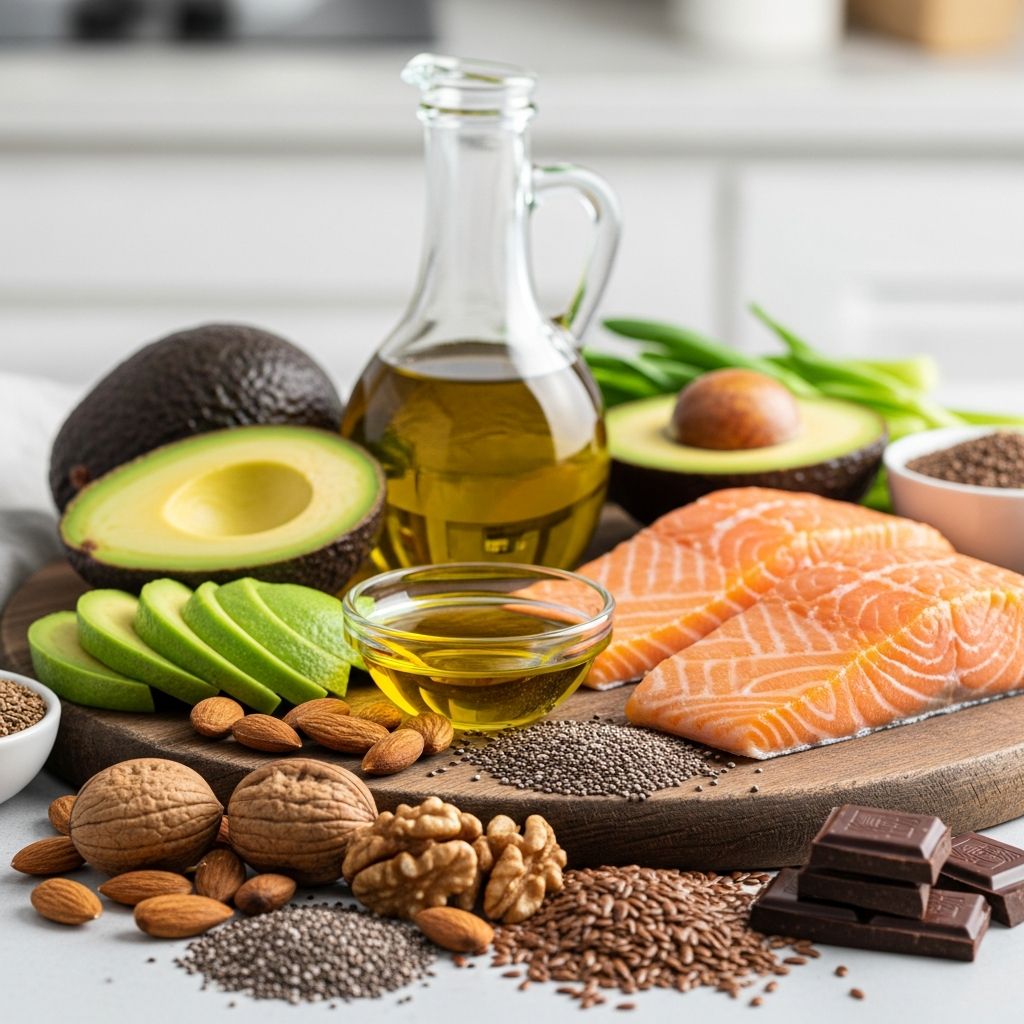
Not all fats are created equal. While
healthy fats
play a crucial role in supporting heart health, brain function, and reducing inflammation, choosing the right types is essential. This guide breaks down the science-backed benefits of monounsaturated fats (MUFAs), polyunsaturated fats (PUFAs), and omega-3 fatty acids, highlighting top food sources and practical ways to include them in your diet.What Are Healthy Fats?
**Healthy fats**, primarily unsaturated fats, are essential nutrients that your body cannot produce on its own. They help absorb fat-soluble vitamins (A, D, E, K), maintain cell membranes, and produce hormones. Unlike saturated and trans fats, which can raise LDL cholesterol and increase heart disease risk, unsaturated fats improve cholesterol profiles and reduce inflammation.
Research emphasizes food-based dietary patterns rich in plant and marine sources of unsaturated fats for optimal health outcomes. Replacing saturated fats with MUFAs or PUFAs from whole foods like olive oil, nuts, and fish shows stronger benefits than isolated nutrient swaps.
Monounsaturated Fats (MUFAs)
**Monounsaturated fats (MUFAs)** are heart-protective fats that lower LDL (bad) cholesterol while raising HDL (good) cholesterol. Epidemiological data from large cohorts like the Nurses’ Health Study indicate that replacing 5% of energy from saturated fat with plant-based MUFAs reduces coronary heart disease (CHD) risk by 15%.
Olive oil, a staple in the Mediterranean diet, exemplifies MUFAs’ benefits. Rich in oleic acid and phenolic compounds with antioxidant properties, it reduces systolic blood pressure, triglycerides, and supports overall cardiovascular health.
Top Sources of MUFAs
- Olive oil: Extra-virgin variety retains the most antioxidants. Use for dressings, sautéing, or drizzling.
- Avocados: One medium avocado provides about 20g of fat, mostly MUFAs. Studies show avocado-supplemented diets significantly reduce LDL particle number and small dense LDL compared to low-fat diets.
- Nuts: Almonds, macadamias, and hazelnuts are MUFA powerhouses.
- Olives: A natural snack loaded with healthy fats and fiber.
- Peanut butter: Opt for natural versions without added sugar.
Polyunsaturated Fats (PUFAs)
**Polyunsaturated fats (PUFAs)** include omega-6 and omega-3 fatty acids, vital for brain health and inflammation control. A meta-analysis of prospective studies found that higher linoleic acid (an omega-6 PUFA) intake lowers CHD events by 15% and CHD death by 21%, with benefits independent of other dietary factors.
Clinical trials confirm that increasing PUFA intake to 14.9% of energy (vs. 5% in controls) reduces CHD risk by 19%, with each 5% increase linked to a 10% risk drop. PUFAs from whole foods outperform simple saturated fat replacements.
Omega-6 PUFAs
Essential for growth and skin health, but balance with omega-3s to avoid excess inflammation.
- Sunflower seeds and oil
- Soybeans and tofu
- Walnuts (also provide omega-3s)
Related Stories



Omega-3 Fatty Acids
**Omega-3s** (ALA, EPA, DHA) are superstar anti-inflammatory fats. EPA and DHA from fish directly lower triglycerides and arrhythmias risk, while plant ALA converts inefficiently but still benefits heart health.
Top Omega-3 Sources
- Fatty fish: Salmon (2g per 3oz), mackerel, sardines, herring, anchovies. Aim for 2 servings weekly.
- Flaxseeds and chia seeds: Ground for better absorption; 1 tbsp flax has 2.5g ALA.
- Walnuts: 2.5g ALA per ounce.
Why Healthy Fats Matter for Your Health
Incorporating healthy fats supports multiple systems:
- Heart health: PUFAs and MUFAs reduce CHD risk by improving lipid profiles and blood pressure.
- Brain function: Omega-3s like DHA comprise 60% of brain fat, aiding cognition and mood.
- Weight management: Fats promote satiety, preventing overeating.
- Anti-inflammatory effects: Counter chronic disease linked to inflammation.
- Nutrient absorption: Enhance uptake of vitamins and phytochemicals.
Nuts provide compelling evidence: Trials with 67g/day nut intake lowered total cholesterol, LDL-C, and cholesterol ratios. Avocados uniquely reduce small dense LDL particles.
How to Add More Healthy Fats to Your Diet
Start small for sustainable changes:
- Swap butter for olive or avocado oil in cooking.
- Add avocado to salads, sandwiches, or smoothies.
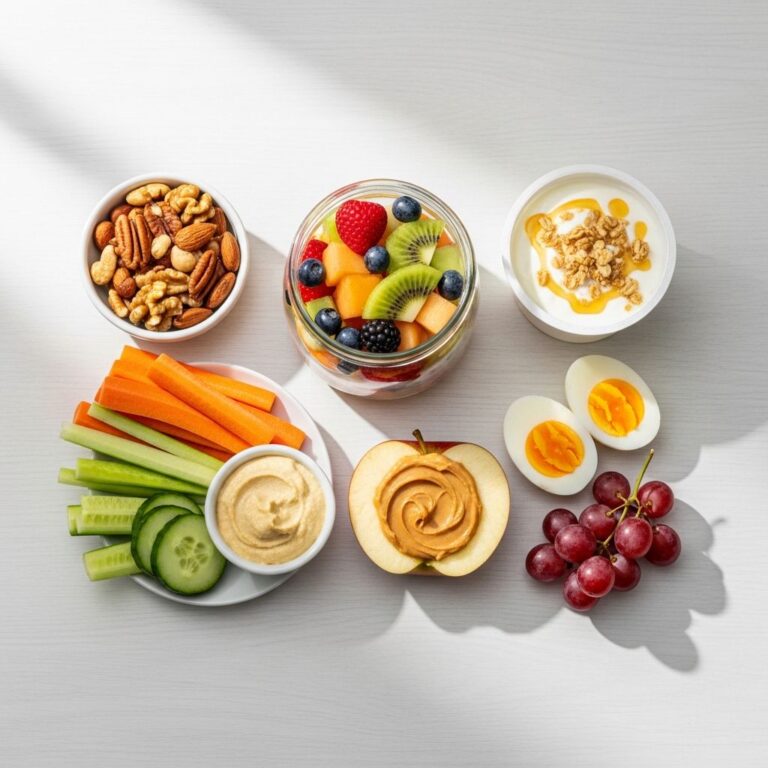
- Snack on a handful of nuts (1oz daily).
- Incorporate fatty fish twice weekly; choose wild-caught when possible.
- Sprinkle chia or ground flax on yogurt, oatmeal, or salads.
- Use nut butters on apple slices or celery.
Sample Daily Meal Plan with Healthy Fats
| Meal | Healthy Fat Focus | Example |
|---|---|---|
| Breakfast | Omega-3s + MUFAs | Chia pudding with walnuts and berries |
| Lunch | MUFAs | Salad with olive oil dressing, avocado, olives |
| Snack | MUFAs/PUFAs | Handful of almonds or peanut butter on apple |
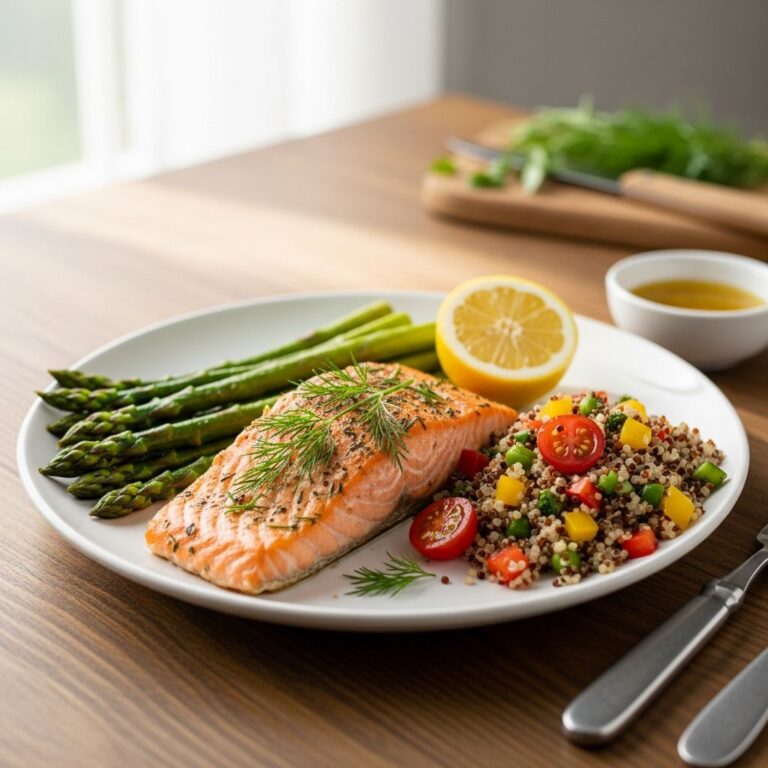
| Dinner | Omega-3s | Baked salmon with quinoa and steamed veggies |
Healthy Fats vs. Unhealthy Fats
| Type | Sources | Health Impact |
|---|---|---|
| Monounsaturated (MUFA) | Olive oil, avocados, nuts | Lowers LDL, raises HDL, reduces CHD risk |
| Polyunsaturated (PUFA) | Fish, flaxseeds, walnuts | 19% CHD risk reduction; anti-inflammatory |
| Saturated | Red meat, butter, cheese | Raises LDL when excessive; limit to <10% calories |
| Trans | Processed foods, margarine | Avoid entirely; increases heart disease risk |
Frequently Asked Questions (FAQs)
What are the healthiest fats to eat?
The healthiest fats are unsaturated types: MUFAs from olive oil and avocados, PUFAs from nuts and seeds, and omega-3s from fatty fish. Prioritize whole food sources for added nutrients and fiber.
How much healthy fat should I eat daily?
Aim for 20-35% of total calories from fats, emphasizing unsaturated sources. For a 2,000-calorie diet, that’s 44-78g daily, with at least two fish servings weekly.
Are nuts and avocados really healthy despite high calories?
Yes, their fats improve cholesterol and satiety. Clinical trials show nuts (67g/day) reduce LDL-C without weight gain when portion-controlled.
Can I get enough omega-3s without eating fish?
Plant sources like flax and chia provide ALA, but conversion to EPA/DHA is low (<10%). Vegans may benefit from algae supplements.
Is olive oil better than other oils for cooking?
Extra-virgin olive oil’s MUFAs and antioxidants make it superior for heart health, even when heated moderately. Short-term trials show blood pressure and lipid benefits.
Potential Downsides and Tips
Healthy fats are calorie-dense (9 kcal/g), so moderation prevents weight gain. Those with tree nut allergies should choose seeds or fish. Always balance omega-6 and omega-3 ratios (aim for 4:1 or lower).
Emerging evidence supports food matrix effects: The benefits of fats in olives or avocados exceed isolated oils due to synergistic nutrients.
References
- A healthy approach to dietary fats: understanding the science and taking action to reduce consumer confusion — Mozaffarian D, Ludwig DS. Nutrition Reviews. 2017-07-25. https://pmc.ncbi.nlm.nih.gov/articles/PMC5577766/
- Dietary Guidelines for Americans, 2020-2025 — U.S. Department of Agriculture and U.S. Department of Health and Human Services. 2020-12-01. https://www.dietaryguidelines.gov/sites/default/files/2020-12/Dietary_Guidelines_for_Americans_2020-2025.pdf
- Omega-3 Fatty Acids and Cardiovascular Disease — American Heart Association. 2023-08-15. https://www.ahajournals.org/doi/10.1161/ATVBAHA.123.319456
- Mediterranean Diet and Cardiovascular Health — Estruch R et al. New England Journal of Medicine. 2018-06-21. https://www.nejm.org/doi/full/10.1056/NEJMoa1800389
- Nuts and Cardiovascular Disease Prevention — Aune D et al. BMC Medicine. 2016-07-05. https://bmcmedicine.biomedcentral.com/articles/10.1186/s12916-016-0737-5
Similar Articles








Read full bio of medha deb