Healthy Fish: Nutritional Benefits and Safety Guide
Discover the nutritional benefits of fish and how to choose healthy seafood safely.
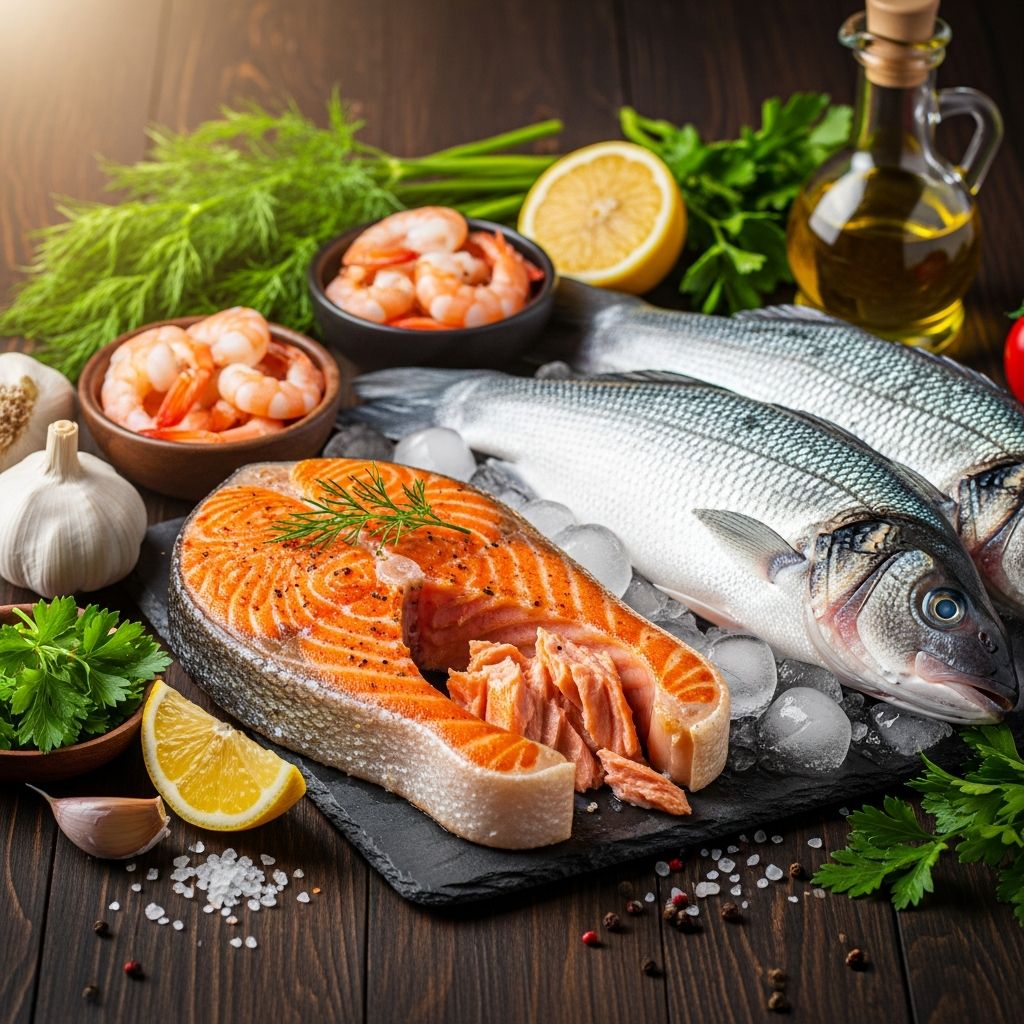
Why Fish Is a Healthy Food Choice
Fish stands out as one of the most nutrient-dense protein sources available, offering substantial health advantages for individuals across all age groups. Compared with other animal proteins such as beef, pork, or chicken, fish maintains a favorable nutrient profile that makes it an excellent dietary choice for those seeking optimal nutrition. Fish is fundamentally a lean protein source with minimal saturated fat and negligible sugar content, making it particularly beneficial for cardiovascular health and weight management.
Beyond basic protein content, fish serves as a rich source of essential vitamins and minerals critical for bodily function. Many fish species contain high levels of vitamin D and calcium, nutrients that are often insufficient in modern diets. Additionally, certain shellfish varieties provide substantial iron content, while trace nutrients such as selenium and iodine appear across numerous fish and shellfish species. These micronutrients support immune function, thyroid health, and various metabolic processes.
Omega-3 Fatty Acids: The Heart-Healthy Component
Perhaps the most celebrated nutritional benefit of fish consumption comes from omega-3 long-chain polyunsaturated fatty acids (n-3 LCPUFAs), specifically eicosapentaenoic acid (EPA) and docosahexaenoic acid (DHA). These essential fatty acids cannot be synthesized by the human body and must be obtained through dietary sources, with fish being among the richest natural sources available. Unlike other animal proteins, fish provides these critical nutrients in bioavailable forms that the body can readily utilize.
Research has established that these omega-3 fatty acids confer multiple cardiovascular benefits. A comprehensive meta-analysis examining fish oil supplementation found that triglycerides decreased by 27 mg/dL in individuals receiving fish oil compared to controls, while high-density lipoprotein (HDL) cholesterol increased by 1.6 mg/dL. These lipid profile improvements translate to reduced cardiovascular disease risk and better overall heart health. Furthermore, increasing fish consumption to at least 2 servings per week during mid-life and later years may lower coronary heart disease risk, particularly among women.
Documented Health Benefits of Fish Consumption
Scientific research has identified several specific health benefits associated with regular fish consumption, particularly when established early in life. A 2013 meta-analysis of three studies found that fish consumption during infancy was inversely related to childhood asthma incidence, with children who consumed the most fish showing reduced respiratory disease rates. This protective effect appears durable, as follow-up research on the same cohort demonstrated that the benefits of consuming two or more fish meals per month by age one extended through 12 years of age.
Additional research corroborates the potential for early fish consumption to produce lasting protective effects. Studies found that introduction of fish before nine months of age independently reduced the risk of current atopic asthma at school age by approximately 40 percent. Beyond asthma prevention, childhood fish consumption has demonstrated associations with prevention of allergic disorders more broadly.
Cognitive Development Considerations
The relationship between fish consumption and cognitive development has received substantial scientific attention. Research from the Project Viva cohort found that maternal prenatal fish consumption above two weekly servings was associated with better cognition during infancy and early childhood, with optimal cognitive test scores observed among children of mothers who ate more fish while maintaining lower mercury levels. However, when researchers followed the same cohort into mid-childhood at ages 6 to 10 years, they found no evidence of either benefit from prenatal fish intake or harm from prenatal mercury exposure, suggesting that intervening factors during childhood may attenuate the influence of prenatal exposures.
Related Stories



Fish Oil Supplementation and Specific Conditions
Beyond whole fish consumption, fish oil supplementation has demonstrated specific therapeutic promise in certain medical conditions. Children with sickle cell disease receiving fish oil supplements showed reduced hospitalization rates and decreased number of pain crises, though this evidence remains limited and requires further investigation. However, studies examining fish oil supplementation for other conditions have produced mixed results. Research on childhood fish consumption and n-3 LCPUFA intake for attention deficit hyperactivity disorder (ADHD) symptoms, depressive symptoms, cognitive development including memory and processing speed, and hyperlipidemia has yielded inconsistent findings.
Understanding Mercury Content in Fish
While fish offers substantial nutritional benefits, it can also contain methylmercury (MeHg), a toxic form of mercury that may harm fetal development and young children’s neurological systems. This reality creates a need to balance the nutritional benefits of fish against potential mercury exposure. U.S. government recommendations for women of childbearing age acknowledge this complexity by recommending modification of consumption of high-MeHg fish, while still encouraging fish consumption among the general population because of documented nutritional benefits.
Risk-benefit analyses have shown that substituting fish with high mercury concentrations with fish containing less mercury among women of childbearing age yields substantial developmental benefits and few negative impacts. Conversely, if women inappropriately decrease fish consumption entirely, countervailing risks substantially reduce the net health benefits. This important distinction demonstrates that the goal should be informed selection of lower-mercury fish species rather than complete avoidance of this nutritious food.
Fish Selection and Sustainability Considerations
The sourcing and production method of fish can significantly impact its nutritional profile and environmental footprint. Half of the seafood consumed by Americans is farmed, and aquaculture represents the fastest-growing food animal sector, outpacing beef and poultry industries. While wild fish obtain their own food, including smaller fish for carnivorous species, intensively farmed fish receive manufactured aquaculture feed, which has undergone substantial changes in recent years.
Plant-Based Feed and Nutritional Changes
The fish-farming industry has increasingly shifted toward plant-based feed ingredients such as soy, corn, and wheat, moving away from traditional feed made from fish. While this shift has been welcomed by some due to concerns about ocean depletion and the expanding aquaculture industry, it carries important nutritional implications. Research from Johns Hopkins University found that farmed fish obtain their health-promoting omega-3 fatty acids EPA and DHA specifically from fish oil in their feed, and that increasing plant-based ingredients can substantially change the fatty acid content in farmed fish.
This dietary shift for farmed fish means that using vegetable oils instead of fish oil changes the fatty acid content and nutritional value for human consumption. Given that Americans are encouraged to consume seafood high in omega-3 fatty acids for improved cardiovascular health and neurodevelopment, this transition in aquaculture practices has large implications for dietary recommendations. Researchers emphasize that the nutritional content of farmed fish should be monitored, and the aquaculture industry should assess both environmental footprint and public health impacts of their crop-based feed ingredients.
Socioeconomic Factors in Seafood Consumption
Access to nutritious seafood is not uniformly distributed across populations. Research has demonstrated that adults with low incomes eat substantially less seafood high in omega-3s compared to those with higher incomes. This disparity in consumption of more nutritious species creates health equity concerns, as those who may benefit most from the cardiovascular and developmental benefits of fish consumption face economic barriers to regular consumption.
Nutritional Content Comparison Table
| Fish/Shellfish Type | Primary Nutrients | Omega-3 Level | Mercury Concern |
|---|---|---|---|
| Salmon | EPA, DHA, Vitamin D | High | Low |
| Sardines | EPA, DHA, Calcium | High | Low |
| Mackerel | EPA, DHA, Selenium | High | Low |
| Oysters | Iron, Zinc, Vitamin B12 | Moderate | Low |
| Tuna (Canned) | Protein, Selenium | Moderate | Moderate |
| Shark | Protein | Variable | High |
Recommended Fish Consumption Patterns
Evidence suggests that consuming fish at least two times per week provides health benefits for most adults. This frequency has been associated with improved cardiovascular outcomes and maintained cognitive function. The key is choosing fish species that offer high nutritional value while minimizing mercury exposure.
For women of childbearing age, recommendations focus on selecting low-mercury fish species while maintaining adequate fish consumption for its developmental benefits. Rather than avoiding fish entirely, the emphasis should be on strategic selection that maximizes nutritional benefits while minimizing potential risks. Guidance from trusted sources on seafood sustainability and mercury content should inform purchasing decisions.
Key Nutritional Benefits Summary
Fish consumption provides multiple pathways to improved health through its unique nutritional composition. The combination of lean protein, essential vitamins and minerals, and omega-3 fatty acids makes fish an exceptionally valuable dietary component. Research demonstrates protective effects against allergic disorders when fish is introduced early in childhood, cardiovascular benefits including improved lipid profiles and reduced coronary heart disease risk in women, and optimal cognitive development when consumed during pregnancy and early childhood.
The challenge of balancing nutritional benefits against mercury concerns requires informed decision-making rather than avoidance. By selecting lower-mercury fish species and maintaining recommended consumption frequencies, individuals can access the substantial health benefits fish offers without undue concern about contaminant exposure. Additionally, awareness of sourcing methods and sustainability considerations helps ensure that fish consumption practices support both personal health and environmental protection.
Frequently Asked Questions About Healthy Fish
Q: How much fish should I eat per week for health benefits?
A: Research suggests consuming fish at least two times per week provides measurable health benefits. This frequency has been associated with improved cardiovascular outcomes and may help prevent certain allergic disorders.
Q: Which fish species have the highest omega-3 content?
A: Fatty fish such as salmon, mackerel, sardines, and herring contain the highest levels of EPA and DHA omega-3 fatty acids. These species offer the greatest cardiovascular and developmental benefits.
Q: Is farmed fish less nutritious than wild fish?
A: Farmed fish nutritional content depends on their feed composition. The aquaculture industry’s shift toward plant-based feed ingredients may reduce omega-3 content compared to traditionally fed farmed fish, though this varies by species and farming practices.
Q: Should pregnant women avoid fish due to mercury concerns?
A: No. Pregnant women should consume fish regularly while selecting low-mercury species. The developmental benefits of fish consumption typically outweigh mercury risks when fish selection is thoughtful and informed.
Q: Can fish oil supplements provide the same benefits as eating whole fish?
A: Fish oil supplements can provide omega-3 fatty acids and have shown benefits for certain conditions like sickle cell disease, but whole fish offers additional nutrients including vitamins, minerals, and protein that supplements do not provide.
Q: How can I identify lower-mercury fish species?
A: Generally, smaller fish species and shorter-lived fish contain less mercury than larger predatory fish. Salmon, sardines, anchovies, and shellfish are typically lower in mercury than shark, swordfish, and king mackerel.
Q: Does fish consumption help with asthma prevention?
A: Yes. Research has shown that fish consumption during infancy was inversely related to childhood asthma incidence, with protective effects extending into childhood when fish is introduced before nine months of age.
Q: What should people with low incomes know about accessing nutritious fish?
A: Canned fish like sardines and salmon are affordable options rich in omega-3s. Frozen fish is also nutritious and often more economical than fresh options, making it an accessible way to obtain fish’s health benefits regardless of income level.
References
- Fish, Shellfish, and Children’s Health: An Assessment of Benefits and Risks — National Center for Biotechnology Information (NCBI), U.S. National Library of Medicine. 2019. https://pmc.ncbi.nlm.nih.gov/articles/PMC6864235/
- Global Shift in Farmed Fish Feed May Impact Nutritional Benefits Ascribed to Seafood — Johns Hopkins University Bloomberg School of Public Health. 2016-03-16. https://www.sciencedaily.com/releases/2016/03/160314140729.htm
- A Quantitative Risk-Benefit Analysis of Changes in Population Fish Consumption — Harvard Center for Risk Analysis. Published in peer-reviewed literature. https://pure.johnshopkins.edu/en/publications/a-quantitative-risk-benefit-analysis-of-changes-in-population-fis-3/
- Changes in Fish Consumption in Midlife and the Risk of Coronary Heart Disease — American Journal of Epidemiology, Oxford Academic. https://academic.oup.com/aje/article/178/3/382/97220
- Seafood Affordability Influences Consumption of More Nutritious Species — Johns Hopkins University School of Public Health. 2022. https://publichealth.jhu.edu/2022/seafood-affordability-influences-consumption-of-more-nutritious-species
Similar Articles








Read full bio of Sneha Tete