Healthy Foods That Cut Heart Disease Risk Up To 22%
New research reveals how everyday healthy foods like nuts, fruits, and whole grains can significantly cut heart disease risk by up to 22%.
Swapping just 5 grams of unhealthy foods daily for
healthy options
like nuts, fruits, vegetables, whole grains, and legumes can reduce heart disease risk by up to 22%, according to a major new study published in *Critical Reviews in Food Science and Nutrition*.This landmark research, involving over 200,000 participants tracked for more than three decades, highlights the power of simple dietary changes in preventing cardiovascular disease—the world’s leading cause of death. By focusing on nutrient-dense, plant-forward foods, individuals can significantly improve long-term heart health without drastic lifestyle overhauls.
What the Study Revealed
The study analyzed data from four large prospective cohorts, including the Nurses’ Health Study and Health Professionals Follow-Up Study, totaling 221,086 adults followed from 1986 to 2018. Researchers quantified the impact of replacing unhealthy foods—such as refined grains, processed meats, and sugary items—with heart-protective alternatives.
Key findings include:
- **Nuts**: Replacing 5g of red/processed meat, refined grains, or high-fat dairy with nuts lowered heart disease risk by 16-22%.
- **Fruits and Vegetables**: Similar swaps with fruits and non-starchy veggies reduced risk by 13-18%.
- **Whole Grains and Legumes**: These substitutions cut risk by 8-16%.
The dose-response relationship was clear: greater adherence to these swaps correlated with progressively lower risk. For instance, participants consuming more nuts and fruits showed the most substantial benefits, underscoring the protective roles of fiber, healthy fats, antioxidants, and anti-inflammatory compounds.
“These findings reinforce that even small, sustainable changes in daily food choices can yield powerful heart health benefits,” noted senior author Dr. Frank Hu from Harvard T.H. Chan School of Public Health.
Why These Foods Protect Your Heart
Heart disease develops from factors like high LDL cholesterol, hypertension, inflammation, and arterial plaque buildup. The study’s highlighted foods counteract these through specific mechanisms:
- Nuts and Seeds: Rich in
omega-3 fatty acids
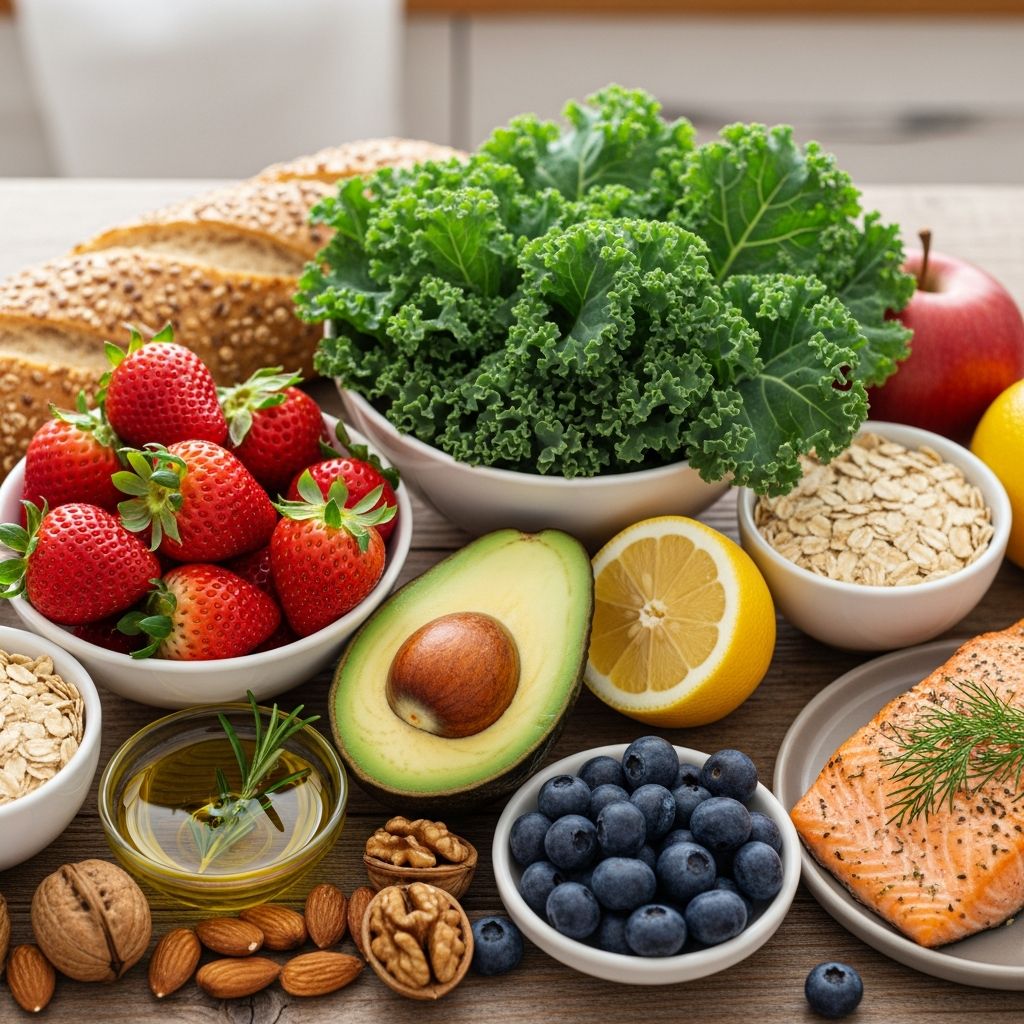
, monounsaturated fats, fiber, and plant sterols, they lower LDL cholesterol and inflammation. Walnuts, almonds, and pistachios are standout performers, with studies showing daily handfuls (about 28g) reduce cardiovascular events by 30%. - Fruits and Berries: Packed with polyphenols, flavonoids, and vitamin C, they improve endothelial function, reduce oxidative stress, and support healthy blood pressure. Berries like blueberries and strawberries are particularly potent due to anthocyanins.
- Vegetables, Especially Leafy Greens: High in nitrates, potassium, folate, and nitrates that convert to nitric oxide, promoting vessel dilation and blood pressure control. Spinach, kale, and broccoli exemplify this category.
- Whole Grains: Oats, quinoa, brown rice provide soluble fiber (beta-glucan) that binds cholesterol in the gut, plus magnesium for rhythm stability.
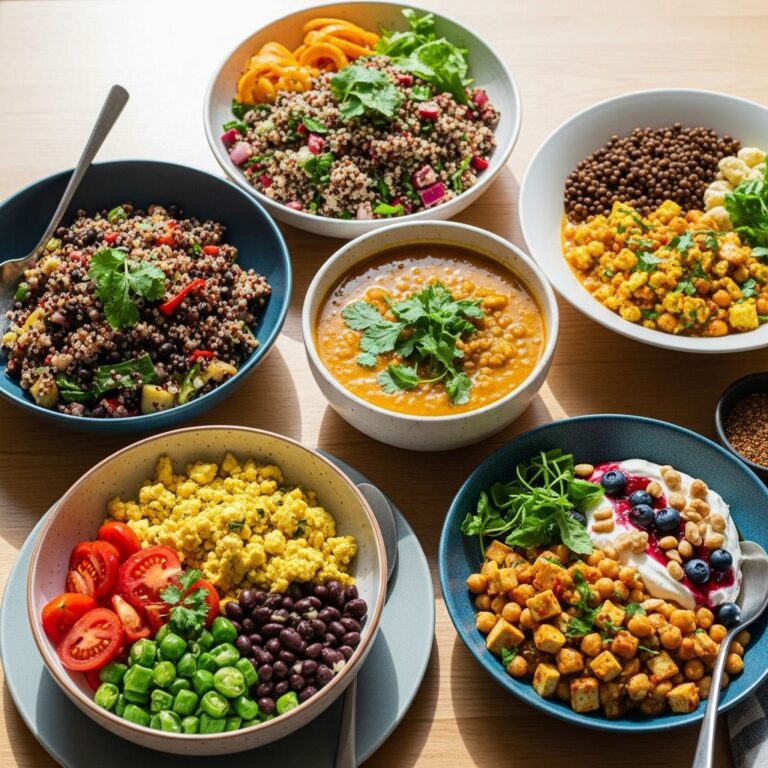
- Legumes: Beans, lentils, chickpeas offer soluble fiber, plant protein, and low glycemic impact, stabilizing blood sugar and reducing insulin resistance—a key heart risk factor.
Plant-based patterns emphasizing these foods naturally limit saturated fats, trans fats, and excess sodium, amplifying benefits.
The Best Heart-Healthy Foods to Add Today
Incorporating these powerhouse foods is straightforward. Here’s a practical guide based on the study and supporting evidence:
| Food Category | Top Examples | Daily Swap Idea | Key Benefit |
|---|---|---|---|
| Nuts & Seeds | Walnuts, almonds, chia seeds | Replace chips with 1 oz nuts | Lowers LDL by 5-10% |
| Fruits | Berries, apples, citrus | Snack on fruit vs. cookies | Antioxidant boost |
| Vegetables | Leafy greens, broccoli | Add to salads/smoothies | Blood pressure control |
| Whole Grains | Oats, barley, quinoa | Choose whole over refined | Fiber for cholesterol |
| Legumes | Lentils, black beans | Meatless meals 2x/week | Plant protein |
Related Stories



**Fatty fish** like salmon, though not the study’s focus, complement this list with EPA/DHA omega-3s, recommended 2 servings weekly by the American Heart Association.
Avocados
provide potassium and healthy fats too.Foods to Limit or Avoid
To maximize benefits, minimize:
- Processed and Red Meats: High in sodium, heme iron, and saturated fats; linked to 20-30% higher risk.
- Refined Grains and Sweets: Spike blood sugar, promote weight gain.
- High-Fat Dairy: Though full-fat options like yogurt may be neutral in moderation per recent reviews.
The study emphasizes isocaloric swaps—same calories, better nutrition—for sustainable change.
Real-World Application: Sample Meal Plan
Put it into practice with this 1-day heart-smart plan (approx. 2,000 calories):
- Breakfast: Oatmeal with berries, walnuts, and chia seeds.
- Lunch: Quinoa salad with chickpeas, spinach, tomatoes, avocado dressing.
- Snack: Apple with almond butter.
- Dinner: Grilled salmon, broccoli, sweet potato.
- Dessert: Dark chocolate (70%+ cocoa) square.
This aligns with Mediterranean or DASH diets, proven to slash heart risk by 30% in trials.
Debunking Heart Health Myths
Recent insights challenge old fears:
- Eggs: Up to 1/day safe; yolks offer lutein for artery health.
- Full-Fat Dairy: Yogurt/milk not linked to higher risk; probiotics aid BP.
- Shellfish & Coffee: Omega-3s and antioxidants protect.
- Potatoes & Dark Chocolate: Nutrient-dense when prepared right.
Frequently Asked Questions (FAQs)
What is the top food swap for heart health?
Nuts offer the biggest bang—16-22% risk reduction per 5g swap, thanks to healthy fats and fiber.
How much of these foods do I need daily?
Aim for 1-2 oz nuts, 4-5 fruit/veg servings, 3 whole grain servings, and legumes 3-4x/week.
Can these changes reverse heart disease?
They reduce risk and progression; combine with exercise, no smoking for best results.
Are plant-based diets necessary?
Not fully, but higher plant intake (e.g., half proteins from plants) yields big benefits.
What’s the study’s limitation?
Observational; causation inferred from consistent evidence across cohorts.
Expert Tips for Long-Term Success
Registered dietitians recommend:
- Start small: One swap per week.
- Read labels: Choose <5g sugar/serving.
- Batch cook legumes/grains.
- Track progress with BP/cholesterol checks.
These strategies make heart-healthy eating accessible, enjoyable, and effective. With heart disease claiming 18 million lives yearly (WHO), prioritizing these foods is a proactive step toward longevity.
References
- Cardiac Diet: The Best Foods for a Healthy Heart — Mutual of Omaha. 2024. https://www.mutualofomaha.com/advice/health-and-well-being/eating-well/cardiac-diet-the-best-foods-for-a-healthy-heart
- 6 Heart-Healthy Foods Dietitians Want You to Stop Believing Are “Bad” — AOL/EatingWell (Reviewed by Jessica Ball, M.S., RD). 2024. https://www.aol.com/6-heart-healthy-foods-dietitians-133000054.html
- Replacement of unhealthy foods with nuts, fruits, vegetables, whole grains, and legumes within a low-carbohydrate diet and risk of cardiovascular disease — Critical Reviews in Food Science and Nutrition (Harvard T.H. Chan School of Public Health). 2024-09-24. https://doi.org/10.1080/10408398.2024.2394840
- Cardiovascular Disease Fact Sheet — World Health Organization (.gov equivalent). 2024. https://www.who.int/news-room/fact-sheets/detail/cardiovascular-diseases-(cvds)
- Dietary Guidelines for Americans, 2020-2025 — U.S. Department of Health and Human Services (.gov). 2020 (updated 2025). https://www.dietaryguidelines.gov/
Similar Articles








Read full bio of Sneha Tete