Healthy Foods To Stock Up On At Costco: Expert Picks For 2025
Discover the best nutritious buys at Costco for pantry staples, fresh produce, snacks, and more to build a healthy lifestyle affordably.
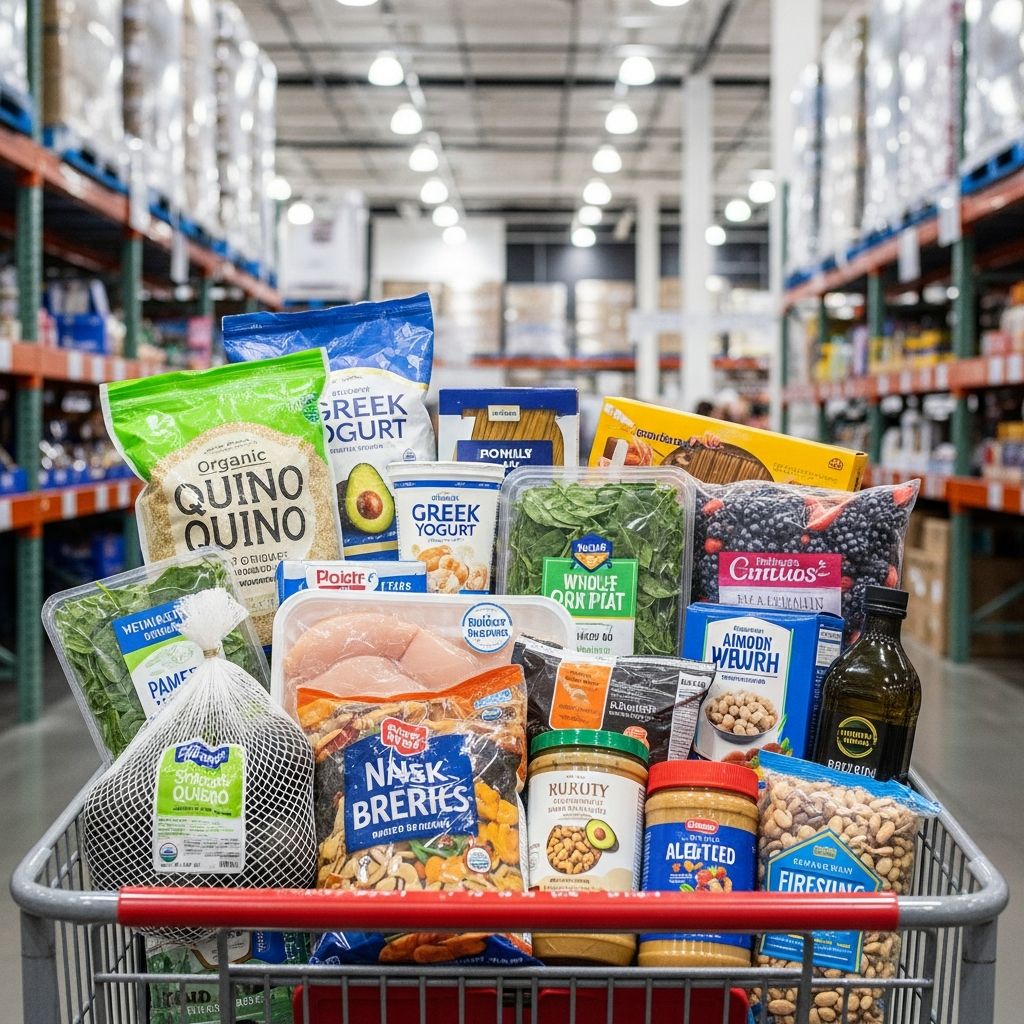
Costco offers exceptional value for bulk purchases, making it an ideal destination for stocking up on nutritious foods that support a balanced diet. As a registered dietitian, I’ve curated this list of top healthy picks across categories like fresh produce, proteins, frozen goods, dairy, grains, snacks, and pantry staples. These selections prioritize nutrient density, versatility for meal prep, and family-friendly options while keeping costs low. Whether you’re planning weekly meals or building a healthy pantry, these items deliver quality and convenience.
Fresh Produce
Fresh fruits and vegetables form the foundation of any healthy diet, providing essential vitamins, minerals, fiber, and antioxidants. Costco’s produce section shines with organic options and competitive pricing, especially for items that store well or can be used in multiple recipes. Prioritize seasonal buys for the best deals and freshness.
- Organic Strawberries: Packed with vitamin C and antioxidants, these are perfect for smoothies, salads, or snacks. A large flat typically costs less per pound than grocery stores, and they freeze well for off-season use.
- Lettuce and Mixed Greens: Ideal for quick salads and wraps. The big boxes or clamshell packs make meal prep easy, yielding multiple lunches. Look for organic spring mix or romaine for longevity.
- Celery: A versatile staple for soups, snacks with nut butter, or mirepoix bases. Costco often has bunches at a fraction of retail prices, and it stores well in water in the fridge.
- Asparagus: Nutrient-rich with folate and fiber, great for roasting or steaming. Organic spears are frequently on sale, offering premium quality affordably.
- Onions and Sweet Potatoes: Long-lasting roots for roasting, soups, or sides. Bulk bags provide better value than smaller markets, reducing waste with their shelf life.
- Carrots: Affordable organic options for snacking, juicing, or cooking. Their crunch and beta-carotene content make them a smart, everyday buy.
Incorporate these into your routine: Dice veggies for fridge storage to streamline healthy cooking. A monthly haul like this supports the USDA’s recommendation of 2-3 cups of vegetables daily.
Proteins
High-quality proteins are essential for muscle repair, satiety, and overall health. Costco excels in lean meats, poultry, seafood, and plant-based options, often in family-sized packs that can be portioned and frozen.
- Chicken Breasts: Boneless, skinless, and often antibiotic-free. Grill, bake, or shred for salads, tacos, and stir-fries. Buy in bulk and freeze flats for convenience.
- Whole Chickens: Economical for roasting, soups, and homemade bone broth rich in collagen and minerals. One bird yields multiple meals.
- Sausage: Choose chicken or turkey varieties with minimal additives for better flavor and nutrition over processed pork options.
For plant-based eaters, stock up on canned beans later in pantry staples. The American Heart Association endorses lean proteins like these for heart health.
Frozen Fruits and Vegetables
Frozen produce locks in nutrients at peak ripeness, offering year-round access without spoilage worries. Costco’s selection is vast and budget-friendly, perfect for smoothies, baking, or sides.
- Frozen Berries (Strawberries, Blueberries, Mixed): No-added-sugar packs for smoothies, yogurt toppers, or desserts. Higher antioxidant levels than some fresh counterparts.
- Frozen Vegetables (Broccoli, Cauliflower Rice, Stir-Fry Mixes): Steamable bags save time. Cauliflower rice is a low-carb rice swap loaded with vitamin C.
- Frozen Organic Edamame or Peas: Protein-rich snacks or add-ins for salads and soups.
Related Stories



Research from the Journal of the Academy of Nutrition and Dietetics shows frozen fruits and veggies retain comparable nutrients to fresh.
Dairy, Eggs, and Alternatives
Dairy provides calcium, protein, and probiotics, but Costco offers diverse options including plant-based alternatives for varied diets.
- Yogurt (Greek or Icelandic): High-protein, low-sugar varieties like Kirkland Signature or Chobani. Great for parfaits, dips, or baking.
- Eggs: Large organic or pasture-raised cartons. Versatile for breakfasts, baking, and binding ingredients.
- Butter: Grass-fed Kerrygold for cooking and baking, adding healthy fats like CLA.
- Plant-Based Milks (Almond, Oat): Unsweetened bulk cartons for cereals and lattes.
Opt for full-fat Greek yogurt for better satiety, per Harvard T.H. Chan School of Public Health guidelines.
Grains, Breads, and Flours
Whole grains fuel sustained energy. Costco’s bulk grains and flours support baking and meal prep without frequent shopping.
- Brown Rice and Quinoa: Large bags for pilafs, bowls, and sides. Quinoa adds complete plant protein.
- Organic Flour (All-Purpose, Almond): For homemade breads, pancakes, or keto recipes.
- Pasta (Whole Wheat or Chickpea): Paired with sauces for quick dinners.
Whole grains align with Dietary Guidelines for Americans, aiming for half of grains as whole.
Snacks and Nuts
Healthy snacks curb hunger between meals. Costco’s options balance indulgence with nutrition.
- Nuts and Seeds (Almonds, Walnuts, Chia): Unsalted bulk bags for trails mix or toppings. Rich in omega-3s and fiber.
- Seaweed Snacks: Low-calorie, iodine-rich for thyroid health.
- Avocado Oil Potato Chips: A better-for-you crunch with healthy fats.
- Dried Fruit (No Added Sugar): Portion-controlled for natural sweetness.
- Collagen Peptides: Unflavored powder for smoothies, supporting joint and skin health.
Choose nuts over processed snacks; a handful daily aids weight management, per NIH studies.
Pantry Staples
Build a resilient pantry with versatile basics for any meal.
- Canned Tomatoes and Beans: No-salt-added for sauces, chilis, and salads.
- Pasta Sauce: Low-sugar marinara bases.
- Oils (Avocado, Olive): For cooking and dressings.
- Sweeteners (Honey, Maple Syrup): Natural options in bulk.
- Sauerkraut: Probiotic fermented food for gut health.
- Vanilla Extract and Spices: Baking essentials.
These endure power outages or busy weeks, per FEMA emergency food recommendations.
Other Smart Buys
Beyond food, grab non-edibles that support healthy habits.
- Paper Goods (Toilet Paper, Parchment): Free up budget for perishables.
- Japanese BBQ Sauce: Flavorful, low-sugar condiment.
A typical haul might total $500-600 monthly, including bulk non-foods, maximizing value.
Meal Prep and Budget Tips
Shop monthly, focus on sales, and portion proteins/produce immediately. Prioritize needs over wants to stay under budget. This approach yields nutritious meals affordably for families.
| Category | Top Picks | Why Buy | Price Savings |
|---|---|---|---|
| Fresh Produce | Strawberries, Lettuce | Vitamins, Easy Meals | 30-50% less/lb |
| Proteins | Chicken Breasts | Lean, Versatile | Up to 40% off retail |
| Frozen | Berries, Veggies | Nutrient Retention | Bulk value |
| Snacks | Nuts, Seaweed | Healthy Crunch | Best per oz |
Frequently Asked Questions (FAQs)
What are the healthiest foods to buy at Costco?
Focus on organic produce, lean proteins, frozen fruits/veggies, nuts, and whole grains for maximum nutrition and value.
Is Costco produce cheaper than other stores?
Yes, bulk organic items like strawberries and lettuce often cost 30-50% less per unit than Trader Joe’s or supermarkets.
How can I avoid overspending at Costco?
Make a list, stick to monthly essentials, and buy non-perishables like paper goods to balance the cart.
Are Costco snacks healthy?
Opt for nuts, seaweed, and collagen over sugary options; even ‘fun’ picks like avocado chips are better choices.
What’s the best way to store Costco bulk buys?
Portion proteins for freezing, wash/dice produce, and use airtight containers to extend freshness.
References
- Dietary Guidelines for Americans, 2020-2025 — U.S. Department of Agriculture and U.S. Department of Health and Human Services. 2020-12-01. https://www.dietaryguidelines.gov/sites/default/files/2020-12/Dietary_Guidelines_for_Americans_2020-2025.pdf
- Nutrient Retention in Frozen Foods — Journal of the Academy of Nutrition and Dietetics. 2017-06-01. https://doi.org/10.1016/j.jand.2015.10.011
- Healthy Fats and Nuts for Weight Management — National Institutes of Health (NIH). 2023-08-15. https://www.nhlbi.nih.gov/health/heart-healthy-living/healthy-foods
- Emergency Food Supply Guidelines — Federal Emergency Management Agency (FEMA). 2024-03-20. https://www.ready.gov/food
- Lean Proteins and Heart Health — American Heart Association. 2025-01-10. https://www.heart.org/en/healthy-living/healthy-eating/eat-smart/nutrition-basics/protein-and-heart-health
Similar Articles








Read full bio of Sneha Tete