Healthy Headphone Use: How Loud and How Long
Learn safe listening practices to protect your hearing health from headphone and earbud use.
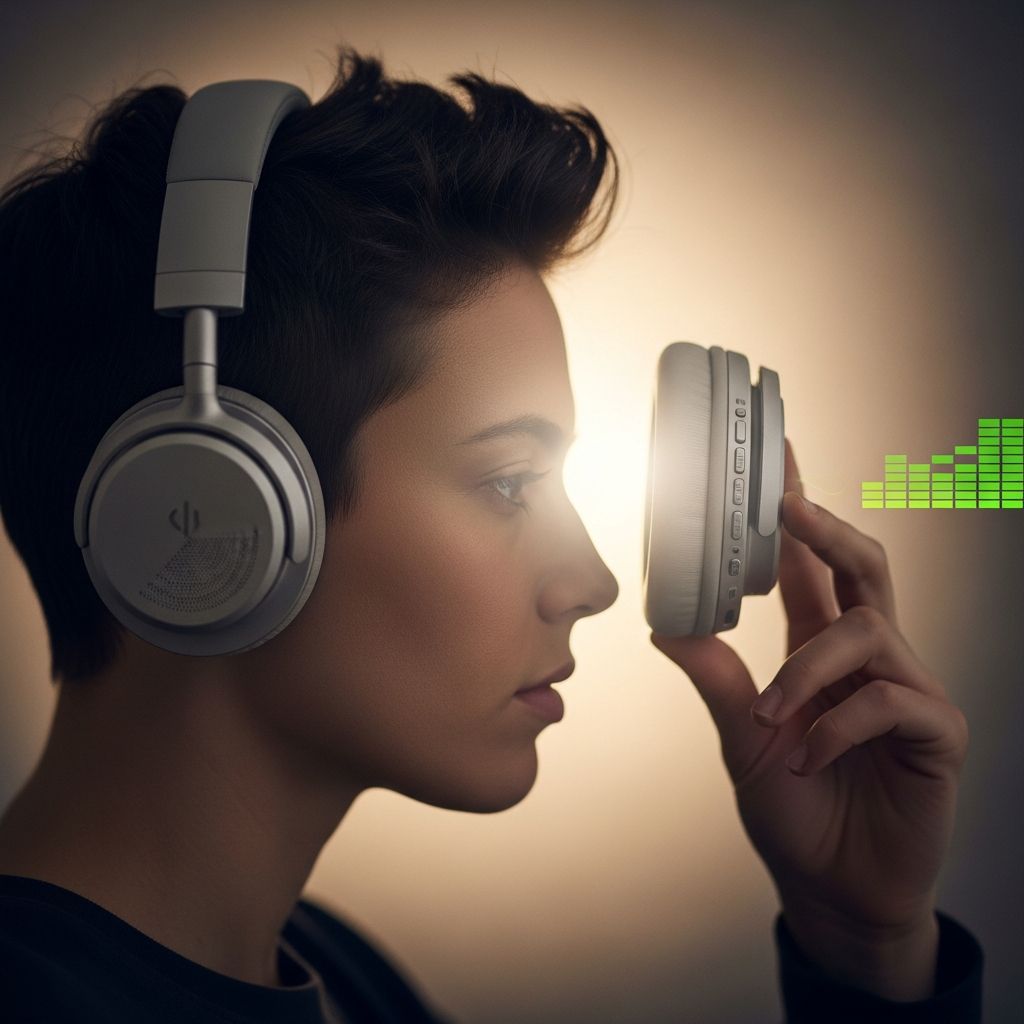
In today’s digital world, headphones and earbuds have become an integral part of our daily lives. Whether for work, exercise, entertainment, or casual listening, millions of people worldwide use personal audio devices for several hours each day. However, this widespread adoption comes with a significant health concern: the risk of hearing loss from improper headphone use.
The World Health Organization reports that approximately 50 percent of individuals between the ages of 12 and 35 face the risk of developing hearing loss, primarily attributed to prolonged and excessive exposure to loud sounds through personal audio devices. Understanding how to use headphones safely is crucial for protecting your long-term hearing health.
Understanding the Hearing Loss Problem
Hearing loss has become increasingly prevalent among young people, and much of this can be traced back to unsafe headphone and earbud usage. Research shows that approximately 80% of adolescents regularly use headphones for listening to music, often spending 1 to 3 hours each day engaged in this activity. More concerning, a 2016 study found that up to 58.2% of adolescents and young adults exceeded the recommended daily exposure to noise while listening to music through personal devices.
Noise-Induced Hearing Loss (NIHL) occurs when the sensitive structures of the inner ear sustain damage due to prolonged exposure to loud sounds. This type of hearing loss is particularly insidious because it develops gradually and is often irreversible. Around 1.7% of people worldwide currently suffer from noise-induced hearing loss, demonstrating the significant impact of unsafe audio practices on hearing health.
The risk becomes even more pronounced for those in high-noise occupational environments. Individuals who use headphones in already noisy settings are at a 4.5-fold higher risk of developing hearing loss compared to those who don’t use headphones in such conditions. When occupational noise exposure is combined with recreational headphone use, the cumulative effect on hearing becomes significantly more damaging.
Volume Levels: How Loud Is Too Loud?
One of the most critical factors in preventing hearing damage is controlling the volume at which you listen to audio. Many individuals are unaware of the potential harm caused by listening at excessively high volumes. The Occupational Safety and Health Administration (OSHA) mandates that employers provide hearing protection for employees exposed to an average of 85 dB or higher for more than eight hours. For reference, 85 dB is equivalent to the sound of a lawnmower, leaf blower, or heavy traffic.
However, personal audio devices can deliver much higher volumes. Many individuals listen to music at 105 decibels through their headphones, far exceeding the safe limit of 85 dB recommended by the CDC for 40 hours per week. This is nearly double the safe exposure level, creating substantial risk for hearing damage.
Related Stories



The Centers for Disease Control and Prevention recommends following the 85 dB rule: no more than 8 hours of exposure at 85 dB. However, as volume increases, the safe exposure time decreases dramatically. Using headphones at slightly higher sound levels can result in damage in less than one hour. Considering that it is common for individuals to listen to music with headphones for an hour or longer daily, striking a balance between volume and duration becomes essential.
Safe Volume Guidelines
The World Health Organization’s “Make Listening Safe” initiative recommends maintaining volume below 85 dB, which is approximately the noise level of city traffic. A practical guideline many experts recommend is the 60/60 rule: keep volume at 60% of maximum device volume and limit listening sessions to 60 minutes at a time. This approach significantly reduces hearing damage risk while still allowing for enjoyable audio experiences.
Additionally, Harvard Health experts recommend never exceeding 70% volume on devices, particularly when using earbuds. Many devices have settings that allow you to cap maximum volume levels, which can help prevent accidental exposure to damaging sound levels.
Duration of Exposure: Time Matters
Beyond volume level, the duration of sound exposure is another crucial factor in determining the risk of ear damage. Louder sounds have the potential to cause more harm in a shorter period. Extended periods of listening to music, podcasts, or other audio at high volumes can accelerate the deterioration of hearing health and hasten the onset of hearing loss.
Research reveals a positive relationship between background noise levels and the volume of music people listen to, indicating that louder volumes are used in noisier environments. This creates a compounding problem: when people are in noisy environments, they tend to raise the volume of their headphones to overcome the surrounding noise, inadvertently subjecting their ears to potentially harmful sound levels. This behavior significantly amplifies the risk of noise-induced hearing loss.
The cumulative effect of duration cannot be overstated. Even if individual listening sessions seem brief, regular daily use compounds over time. Young people who use earbuds for more than 2 hours per day have significantly higher hearing loss rates compared to those with shorter daily usage.
The Earbud Problem: Why Design Matters
Not all headphones and earbuds are created equal when it comes to hearing protection. Research from Harvard Medical School reveals that earbud users are 3 times more likely to develop hearing loss than over-ear headphone users, primarily due to the closer proximity of earbuds to the eardrum.
The design of earbuds directs sound straight into the ear canal, dramatically increasing damage risk compared to over-ear options. Earbuds increase sound pressure by 6 to 9 dB compared to over-ear headphones at the same volume setting. This means that even at identical volume levels, earbuds deliver more intense sound to your ears, compounding the risk of hearing damage.
Dr. Sharon Curhan, lead researcher of the Harvard Hearing Study, emphasizes that “the design of earbuds directs sound straight into the ear canal, dramatically increasing damage risk compared to over-ear options.” When possible, choosing over-ear or open-ear headphones can significantly reduce your hearing loss risk.
Secondary Health Effects: Beyond Hearing Loss
The consequences of chronic noise exposure extend beyond hearing loss. Individuals working in high-noise industries or regularly exposed to loud audio are more susceptible to developing tinnitus, a condition characterized by ringing or buzzing sounds in the ears. Exposure to loud sounds from headphones or earbuds can contribute to the onset or worsening of tinnitus, which can be bothersome, affect concentration and sleep, and overall impact quality of life.
Additionally, research has revealed an unexpected cardiovascular connection. A Harvard study found that after adjusting for other factors contributing to cardiovascular risk, every 5-decibel increase in average 24-hour noise level was associated with a 34% increase in heart attacks, strokes, and other serious heart-related problems. This demonstrates that protecting your hearing is not just about preventing hearing loss but also about maintaining overall cardiovascular health.
Practical Tips for Safe Headphone Use
Protecting your hearing while enjoying audio content doesn’t require eliminating headphone use entirely. Instead, it requires adopting responsible listening habits. Here are evidence-based recommendations from health experts:
Volume Control Strategies
Lower the volume to below 60% on your devices. Many smartphones and audio devices allow you to set a maximum volume limit, which can prevent accidental exposure to high sound levels. Take advantage of these built-in safety features. When in noisy environments, use noise-canceling headphones to avoid raising volume in response to background noise. These headphones reduce the need to increase volume by isolating you from environmental sound.
Duration Management
Implement regular breaks during listening sessions. Harvard Health recommends taking 5-minute breaks every 30 minutes when using earbuds. For longer sessions with over-ear headphones, take breaks every hour. These rest periods allow your ears to recover and reduce cumulative damage risk.
Equipment Selection
Choose over-ear or open-ear headphones when possible. Open-ear headphones offer particular advantages by allowing environmental sounds in, preventing the “isolation effect” that leads to volume escalation. They also sit outside the ear canal, minimizing direct pressure on the eardrum. Studies confirm that open-ear designs significantly lower hearing loss risks compared to earbuds.
Environmental Awareness
Be aware of not only constant and intermittent noise but also note one-time loud sounds that can cause permanent damage. Concerts and other entertainment venues present particular risks. Wear earplugs at concerts and loud venues to protect your hearing during these high-exposure events.
Hearing Protection in High-Noise Environments
For individuals working in inherently noisy occupations, additional protective measures are necessary. The two main hearing-protection choices are earplugs and earmuffs, which can cut noise by 15 to 30 decibels when correctly fitted. Earplugs protect better against low-frequency sounds, while earmuffs provide better protection against high-frequency noise.
For sounds exceeding 105 decibels, a combination of both earplugs and earmuffs may be necessary for comprehensive protection. OSHA regulations require employers to provide appropriate hearing protection when noise exposure reaches or exceeds 85 dB for extended periods. Workers should always use employer-provided protection and should never combine occupational noise exposure with unsafe recreational headphone use.
The role of safety personnel and managers is crucial in managing headphone use among employees in noisy work environments. They should promote awareness about the risks of high noise levels and provide guidance on responsible headphone use. Managers should encourage employees to take breaks, limit the duration of continuous headphone use, and establish designated quiet zones where employees can temporarily remove their headphones to allow their ears to rest.
Monitoring Your Hearing Health
If you are regularly exposed to loud sounds, either through work or recreational headphone use, annual hearing tests are recommended. These tests can detect early signs of hearing loss before significant damage occurs. Early detection allows you to modify your habits before permanent damage develops.
Be alert to warning signs of hearing damage, including difficulty understanding speech, particularly in noisy environments, tinnitus, or a sensation of fullness in the ears after listening to audio. If you experience any of these symptoms, consult a healthcare provider and reduce your audio exposure immediately.
Frequently Asked Questions
Q: What volume level is considered safe for headphone use?
A: The CDC recommends 85 dB as the safe threshold for 8 hours of exposure. For personal devices, maintain volume at 60% or below, following the 60/60 rule (60% volume for 60 minutes maximum). Never exceed 70% volume on earbuds.
Q: Can earbuds cause tinnitus directly?
A: While earbuds themselves don’t directly cause tinnitus, prolonged exposure to loud sounds through earbuds can contribute to the onset or worsening of this condition. Tinnitus represents damage to the inner ear structures.
Q: Why are earbuds riskier than over-ear headphones?
A: Earbuds direct sound straight into the ear canal at closer proximity to the eardrum and increase sound pressure by 6–9 dB compared to over-ear headphones at the same volume. This design makes users 3 times more likely to develop hearing loss.
Q: How often should I take breaks from headphone use?
A: Take 5-minute breaks every 30 minutes when using earbuds, or every hour when using over-ear headphones. These rest periods allow your ears to recover and reduce cumulative damage.
Q: Are there safe alternatives to traditional earbuds?
A: Yes. Open-ear headphones allow ambient sound in, preventing the need to raise volume, and sit outside the ear canal to minimize eardrum pressure. They significantly reduce hearing loss risk compared to traditional earbuds.
Q: What should I do if I notice hearing changes?
A: If you experience difficulty understanding speech, tinnitus, or ear fullness, consult a healthcare provider immediately. Get annual hearing tests if regularly exposed to loud sounds. Early detection allows for prevention of further damage.
Q: How does noise exposure affect cardiovascular health?
A: Research shows that every 5-decibel increase in average 24-hour noise level is associated with a 34% increase in heart attacks, strokes, and other serious heart-related problems, highlighting the importance of protecting hearing health.
Conclusion: Protecting Your Hearing Today
Hearing loss from unsafe headphone use is preventable with conscious effort and responsibility. The evidence clearly demonstrates that billions remain at risk due to unsafe listening habits, yet simple changes can dramatically reduce this risk. By following the 60/60 rule, choosing appropriate headphone types, taking regular breaks, and maintaining awareness of your listening environment, you can enjoy audio content while protecting your long-term hearing health.
Your hearing is irreplaceable. Once damaged by noise exposure, the consequences are permanent and can significantly impact your quality of life. Prioritizing hearing health not only safeguards your well-being but also enhances overall productivity and reduces long-term costs associated with hearing-related issues. Start protecting your hearing today by implementing these evidence-based recommendations.
References
- Protect Your Hearing in High-Noise Environments – The Impact of Headphones and Earbuds on Occupational Hearing Loss — Soundtrace. 2024. https://www.soundtrace.com/blog/protect-your-hearing-in-high-noise-environments-the-impact-of-headphones-and-earbuds-on-occupational-hearing-loss
- Global Hearing Loss by 2050: The Stats No One’s Talking About — NG EarSafe. 2024. https://ngearsafe.com/blogs/open-ear-headphones/global-hearing-loss-statistics
- Is New Safety Technology Rendering Your Hearing Conservation Program Obsolete? — Voluntary Protection Programs Participants’ Association. 2024. https://vpppa.org/blog/is-new-safety-technology-rendering-your-hearing-conservation-program-obsolete/
- Protect Your Hearing on the Job – Health Library — Brigham and Women’s Hospital Health Library. 2024. https://healthlibrary.brighamandwomens.org/wellness/Cholesterol/1,1756
- CDC – Noise-Induced Hearing Loss Prevention — Centers for Disease Control and Prevention. 2023. https://www.cdc.gov/niosh/topics/noise/default.html
- WHO Make Listening Safe Initiative — World Health Organization. 2015. https://www.who.int/news/item/27-10-2015-1.1-billion-people-at-risk-of-hearing-loss
- OSHA Noise Exposure Standards — Occupational Safety and Health Administration. 2024. https://www.osha.gov/dsg/noise
Similar Articles








Read full bio of medha deb