Healthy High Blood Pressure Meal Plan for Beginners
A simple 7-day DASH-inspired meal plan to lower blood pressure naturally with beginner-friendly recipes and tips.
This
7-day meal plan
is designed for beginners looking to managehigh blood pressure
(hypertension) through diet. Inspired by the provenDASH eating plan
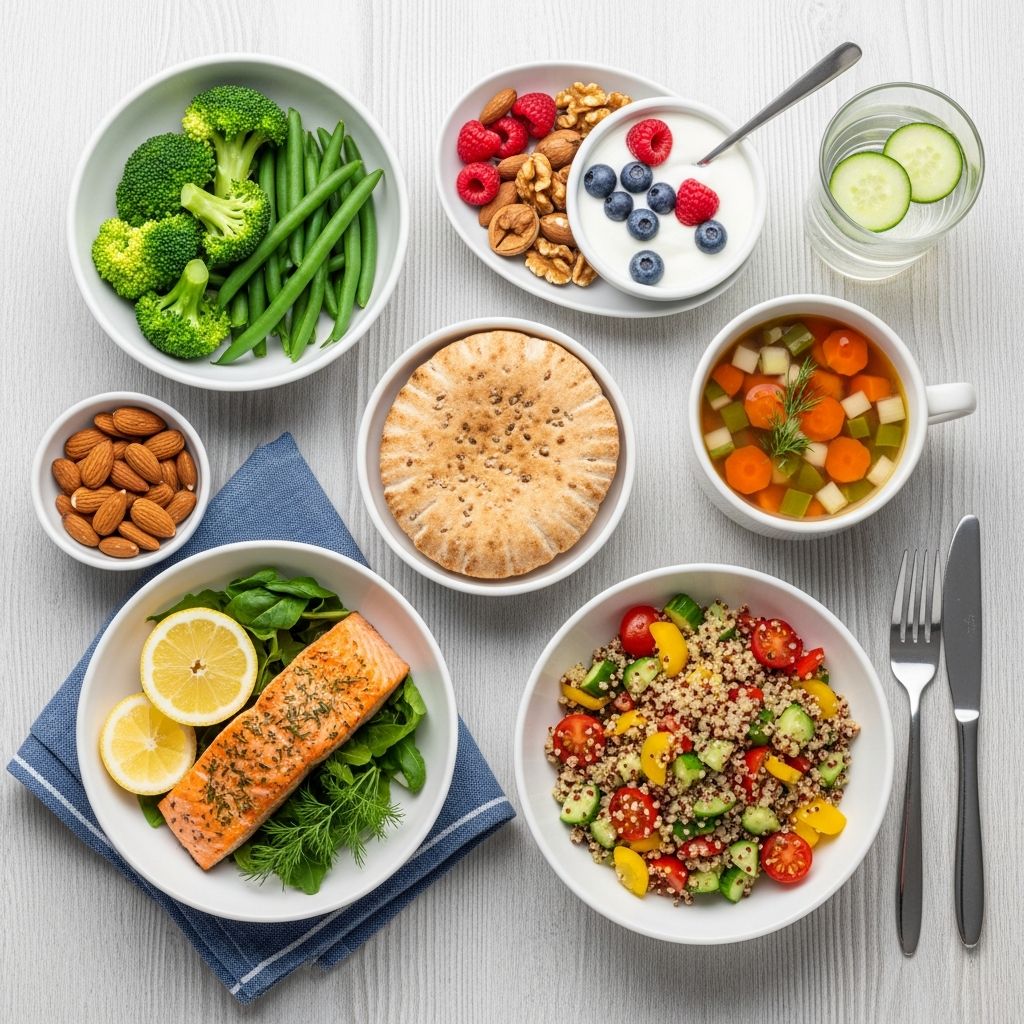
—Dietary Approaches to Stop Hypertension—it emphasizes nutrient-dense foods like fruits, vegetables, whole grains, lean proteins, and low-fat dairy while limiting sodium to under 2,300 mg per day, ideally 1,500 mg for better results. High blood pressure affects nearly half of adults and increases risks for heart disease and stroke, but simple dietary changes can lower systolic blood pressure by 5-11 mm Hg.The plan provides about 1,500-2,000 calories daily, adjustable for activity level. Meals are easy to prepare, flavorful, and budget-friendly. Focus on potassium-rich foods (bananas, spinach), magnesium sources (nuts, seeds), and fiber to naturally balance blood pressure. Consult your doctor before starting, especially if on medication.
How to Use This Meal Plan
Follow the daily menus for breakfast, lunch, dinner, and snacks. Drink plenty of water (8+ cups daily) and use herbs, spices, lemon, or vinegar for flavor instead of salt. Portion control is key—use measuring tools initially. Prep ahead: chop veggies Sunday for the week. This plan promotes sustainable habits for lifelong heart health.
- Key Principles: Prioritize whole foods; read labels for hidden sodium (<140 mg per serving is low); eat out less.
- Customization: Vegetarians swap meat for beans/tofu; add exercise like 30-min walks.
- Expected Benefits: Weight loss, better energy, reduced BP in weeks.
7-Day Meal Plan for Beginners
Each day includes balanced macros: 45-65% carbs from whole sources, 20-30% healthy fats, 10-35% protein. Recipes serve 1; scale up as needed.
Day 1
- Breakfast: Oatmeal with banana and chia seeds. Cook ½ cup rolled oats in low-fat milk or unsweetened plant milk; top with 1 sliced banana and 1 tsp chia seeds (high in potassium and fiber).
- Morning Snack: Large pear. Rinse and eat whole—provides hydration and stable BP support.
- Lunch: White bean and veggie salad with apple. Mix 1 cup rinsed white beans, chopped cucumber, cherry tomatoes, arugula; dress with lemon juice and 1 tsp olive oil. Side apple.
- Afternoon Snack: Unsalted almonds (12) and 1 cup cantaloupe cubes. Magnesium and potassium boost.
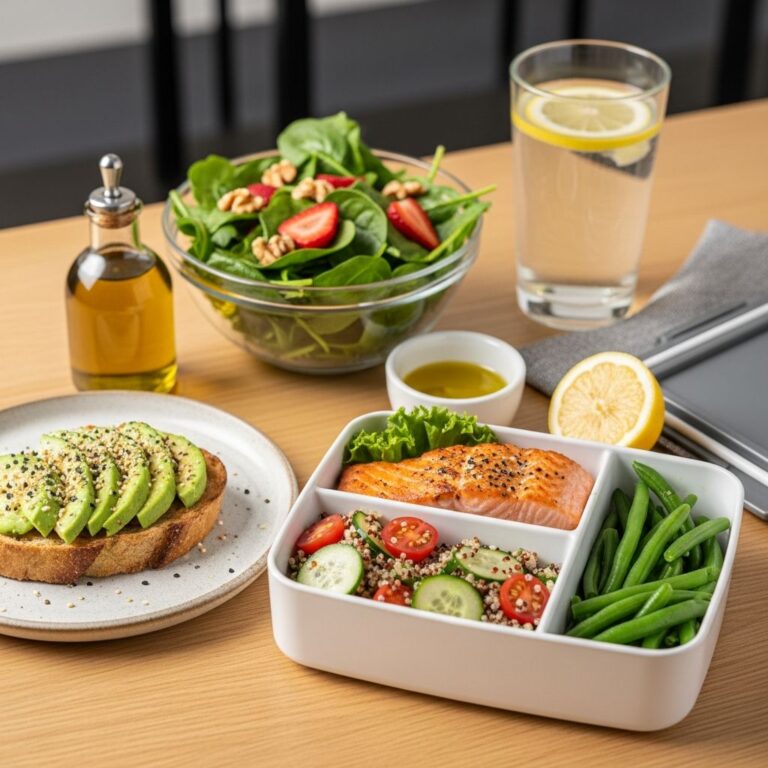
- Dinner: Baked salmon with quinoa and steamed broccoli. Bake 4 oz salmon at 400°F for 12-15 min; serve with ½ cup quinoa and 1 cup broccoli.
Day 2
- Breakfast: Greek yogurt parfait. 1 cup plain low-fat Greek yogurt with blueberries and sprinkle of unsalted almonds.
- Morning Snack: Sliced pear with cinnamon or hard-boiled egg.
- Lunch: Vegan grain bowl. ½ cup quinoa, ½ cup chickpeas, kale, carrots, cucumber; tahini-lemon dressing.
- Afternoon Snack: 1 cup pineapple chunks and ½ cup low-fat cottage cheese.
- Dinner: Stuffed bell peppers. Halve 2 peppers, stuff with brown rice, black beans, tomatoes, corn, avocado; bake 375°F 20 min.
Day 3
- Breakfast: Chia pudding. Mix 2 tbsp chia seeds with 1 cup unsweetened soy milk; top with raspberries and almonds overnight.
- Morning Snack: 4-6 dried apricot halves or 1 kiwi.
- Lunch: Tuna salad on greens with whole-grain crackers. Mix low-sodium tuna, olive oil, lemon, celery; serve on greens with 6-8 crackers.
- Afternoon Snack: 1 cup Greek yogurt with banana.
- Dinner: Grilled chicken with wild rice and Brussels sprouts. Season 4 oz chicken with herbs/lemon; pair with ½ cup rice and roasted sprouts.
Related Stories



Day 4
- Breakfast: Veggie omelet. 2 eggs with spinach, tomatoes; whole-grain toast.
- Morning Snack: Half cantaloupe with 1 cup fat-free Greek yogurt.
- Lunch: Lentil soup (1½ cups low-sodium) with side salad.
- Afternoon Snack: Raw veggie sticks (carrots, celery) with 2 tbsp guacamole.
- Dinner: Slow-cooker chicken and white bean stew. Simmer chicken, beans, carrots, onions in low-sodium broth 6-8 hours.
Day 5
- Breakfast: Whole-wheat English muffin with applesauce and yogurt.
- Morning Snack: Pear or boiled egg.
- Lunch: Shrimp salad with avocado and citrus vinaigrette. Toss shrimp, greens, avocado, tomatoes.
- Afternoon Snack: ½ cup edamame and walnuts.
- Dinner: Tofu stir-fry with broccoli, carrots, brown rice.
Day 6
- Breakfast: Scrambled eggs with veggies and orange slices.
- Morning Snack: Mixed berries.
- Lunch: Chicken salad with avocado, cucumbers, low-sodium vinaigrette.
- Afternoon Snack: Unsalted nuts or low-fat yogurt.
- Dinner: Baked salmon with quinoa and broccoli.
Day 7
- Breakfast: Oatmeal with fruit and chia.
- Morning Snack: Apple with almonds.
- Lunch: Bean soup and salad.
- Afternoon Snack: Cottage cheese with pineapple.
- Dinner: Veggie-packed lentil stew with whole grains.
Shopping List
Organized by category for one person (multiply as needed). Focus on fresh, low-sodium items.
| Produce | Proteins/Dairy | Grains | Pantry |
|---|---|---|---|
| Bananas (7), pears (4), apples (3), cantaloupe (2), berries (2 pints), kiwi (2), pineapple, oranges, spinach, kale, broccoli (2 heads), bell peppers (6), cucumbers (4), cherry tomatoes (2 pts), carrots (1 lb), avocado (4), onions, celery, Brussels sprouts | Salmon (1 lb), chicken (1 lb), shrimp (½ lb), tuna (2 cans low-sod), tofu (1 block), eggs (dozen), Greek yogurt (plain low-fat, 32 oz), cottage cheese low-fat low-sod (16 oz), white beans (2 cans), chickpeas (2 cans), black beans (1 can), lentils (1 bag), edamame (frozen 1 cup) | Oats (1 canister), quinoa (1 bag), brown rice (1 bag), whole-grain crackers (1 box), whole-wheat English muffins (1 pack) | Olive oil, low-sod broth (2 qts), tahini, chia seeds, unsalted almonds/walnuts (small bags), herbs/spices (thyme, garlic powder), lemon juice, balsamic vinegar, applesauce no sugar |
What Is the DASH Diet?
The
DASH diet
, developed by NIH researchers, is a flexible plan proven to lower blood pressure without meds. It boosts fruits/veggies (4-5 servings each daily), whole grains (6-8), low-fat dairy (2-3), lean proteins, nuts/seeds (4-5 weekly), while cutting sodium, sweets, red meats. Studies show it reduces BP as effectively as some drugs. Unlike fad diets, DASH is lifelong and balanced.Foods to Eat and Avoid
Eat More:
- Fruits/veggies: Potassium counters sodium.
- Whole grains: Oats, quinoa for fiber.
- Low-fat dairy: Calcium, protein.
- Lean proteins: Fish, poultry, beans, nuts.
Avoid/Limit:
- Sodium: Processed foods, canned soups (>40% daily intake).
- Sweets: Added sugars raise triglycerides.
- Red/processed meats: High sat fat/sodium.
- Alcohol: <1-2 drinks/day.
Meal-Prep Tips for Success
Batch-cook grains/proteins; portion snacks in bags; freeze soups/stews. Use apps to track sodium. Combine with 150 min weekly exercise for amplified results.
Frequently Asked Questions
Can this plan lower my blood pressure quickly?
Many see improvements in 2 weeks; full benefits in a month with consistency.
Is DASH suitable for vegetarians?
Yes—swap meats for beans, tofu, eggs.
How much sodium is too much?
Aim for 1,500-2,300 mg/day; check labels.
Can I drink coffee or tea?
Yes, in moderation; avoid added sugar/salt.
What if I have other conditions like diabetes?
DASH aligns well; consult a doctor or dietitian.
References
- DASH Diet: Sample Menus — Mayo Clinic. 2023-05-01. https://www.mayoclinic.org/healthy-lifestyle/nutrition-and-healthy-eating/in-depth/dash-diet/art-20047110
- DASH Eating Plan — NHLBI, NIH. 2024-02-15. https://www.nhlbi.nih.gov/education/dash-eating-plan
- High Blood Pressure: Using the DASH Eating Plan — Kaiser Permanente. 2023-11-20. https://healthy.kaiserpermanente.org/health-wellness/health-encyclopedia/he.high-blood-pressure-using-the-dash-eating-plan.zp3284
- DASH Diet — Heart and Stroke Foundation. 2024-01-10. https://www.heartandstroke.ca/healthy-living/healthy-eating/dash-diet
- A Week With the DASH Eating Plan — NHLBI, NIH. 2022-06-01. https://www.nhlbi.nih.gov/sites/default/files/publications/WeekOnDASH.pdf
Similar Articles








Read full bio of medha deb