Healthy Keto Diet Recipes for Sustained Weight Loss
Discover delicious keto-friendly recipes that support your low-carb lifestyle and wellness goals.
The ketogenic diet has become increasingly popular for those seeking sustainable weight loss and improved metabolic health. Unlike restrictive diets that leave you feeling deprived, the keto diet emphasizes satisfying, nutrient-dense foods that keep you full and energized. The key to success on this low-carb lifestyle is having a collection of delicious recipes that you actually enjoy eating. This guide presents a variety of healthy keto-friendly recipes designed to support your nutritional goals while delivering exceptional flavor.
Understanding the Ketogenic Diet Foundation
Before diving into specific recipes, it’s important to understand the principles of the ketogenic diet. The keto diet is a high-fat, very low-carbohydrate eating plan that shifts your body into a metabolic state called ketosis, where fat becomes the primary fuel source. Generally, popular ketogenic resources suggest an average of 70-80% of calories from fat, 5-10% from carbohydrates, and 10-20% from protein.
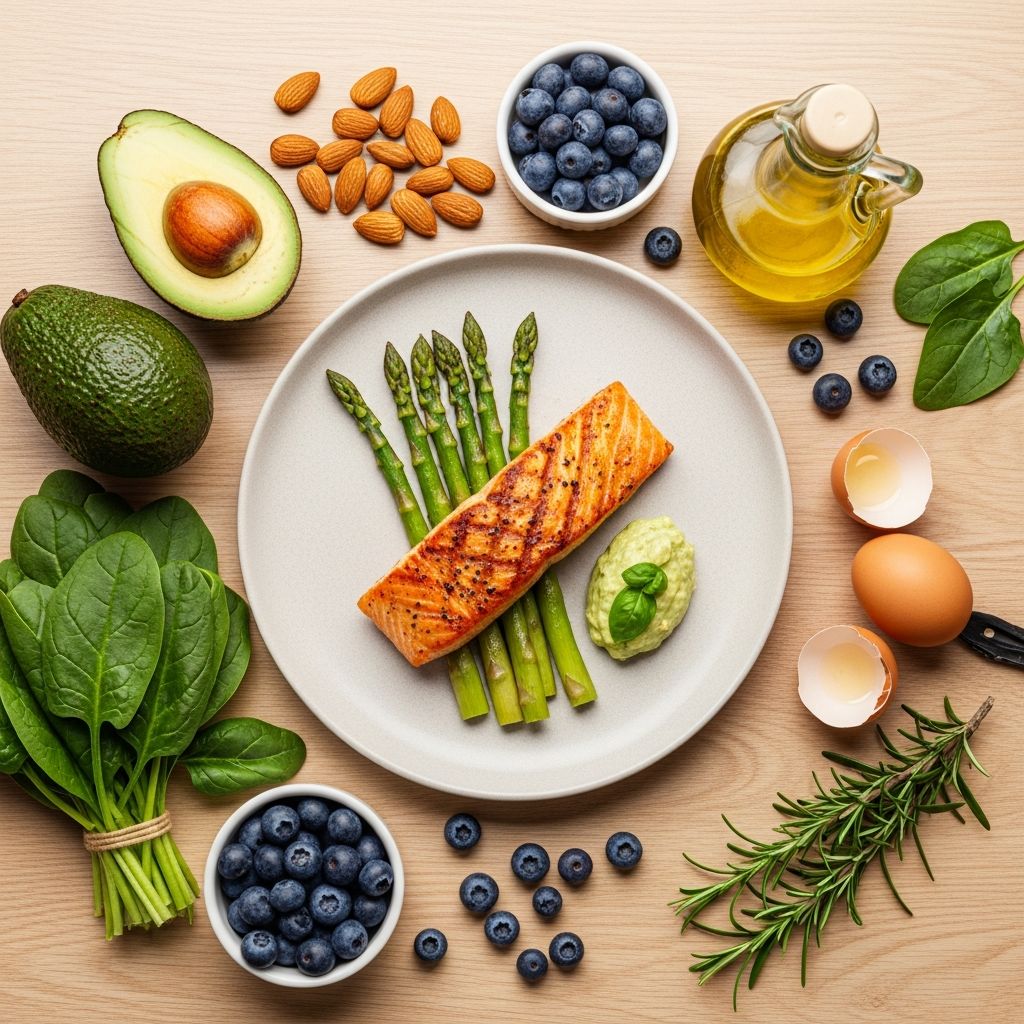
The foundation of healthy keto eating includes focusing on non-starchy vegetables, healthy fats, and moderate protein. Allowed foods include leafy greens, cruciferous vegetables, avocados, olives, nuts, seeds, eggs, fatty fish, poultry, and full-fat dairy products. These whole foods provide essential nutrients while keeping carbohydrate intake minimal, typically between 20-25g net carbs daily.
Protein-Based Main Dishes
Low Carb Sesame Chicken
Sesame chicken is traditionally laden with breading and sugar-heavy sauces, making it off-limits for keto dieters. However, this reimagined version maintains all the delicious flavors without the carbs by using arrowroot to help the sauce adhere to the chicken while keeping total carbohydrates minimal.
Nutritional Information per Serving:
- Carbohydrates: 4 g
- Protein: 45 g
- Fat: 36 g
This recipe perfectly demonstrates how you can enjoy takeout-style dishes while maintaining ketogenic principles. The combination of protein and fat ensures satiety and supports your nutritional targets for the day.
Salmon Wasabi Burgers
Satisfying burger cravings while on keto is entirely possible with this creative salmon-based option. By eliminating the traditional bread bun and relying on fresh ingredients, you maintain all the burger satisfaction without excess carbohydrates.
The key to this dish’s appeal lies in its flavor profile. Ginger, lime, cilantro, and wasabi provide a punchy taste experience without requiring high-sugar condiments like ketchup. Additionally, salmon delivers exceptional nutritional benefits—it’s rich in omega-3 fatty acids and high-quality protein, making it an excellent choice for sustained energy and cardiovascular health.
Thai BBQ Pork Salad
This innovative salad proves that pulled pork extends far beyond traditional sandwiches. The recipe combines crisp romaine lettuce, colorful red bell peppers, and fresh cilantro with tender shredded pulled pork, all dressed in a creamy Thai peanut sauce.
Nutritional Information per Serving:
- Carbohydrates: 11.3 g
- Protein: 28.9 g
- Fat: 33.22 g
This one-bowl meal provides excellent macro balance while delivering authentic Asian-inspired flavors. The creamy peanut sauce satisfies cravings for richer preparations while the fresh vegetables add crunch and micronutrients.
Pesto Grilled Shrimp
These pesto grilled shrimp skewers represent an ideal keto-friendly option for warm weather grilling. What makes this recipe particularly valuable is the inclusion of fresh homemade pesto, allowing complete control over ingredients without unwanted additives.
Related Stories



Nutritional Information per Serving:
- Carbohydrates: 2 g
- Protein: 18 g
- Fat: 11 g
Shrimp is an exceptionally keto-friendly protein containing minimal carbohydrates while delivering substantial protein in small portions. The herb-forward pesto marinade adds Mediterranean flair without sugar or refined ingredients.
Vegetable-Based Main Courses
Colombian-Style Zucchini Rellenos
Stuffed zucchini represents a keto diet staple that transcends basic vegetable side dishes to become a complete meal. This Colombian variation brings cultural authenticity to an already versatile base recipe. The natural structure of halved zucchini provides an edible vessel for various fillings while keeping carbohydrate content exceptionally low.
You can customize this dish by drizzling melted butter or olive oil on top or sprinkling cheese to adjust the total fat content according to your daily macronutrient targets. This flexibility makes it particularly appealing for those tracking their intake carefully.
Avocado Frittata with Cotija and Mozzarella
This versatile dish successfully combines multiple dietary requirements in a single preparation. The recipe is simultaneously low-carb, meatless, keto-friendly, low glycemic, and gluten-free—demonstrating how inclusive keto eating can be.
Nutritional Information per Serving:
- Carbohydrates: 5 g
- Protein: 13 g
- Fat: 18 g
The combination of creamy avocado with two cheese varieties creates exceptional flavor depth and satisfying texture. Eggs provide affordable, complete protein, while the cheese adds both fat and micronutrients like calcium. This dish works equally well for breakfast, lunch, or dinner.
Comforting Keto Alternatives
Loaded Cauliflower
Cauliflower makes an excellent carbohydrate substitute for those missing traditional comfort foods. It’s buttery, pairs well with numerous flavors, and delivers the satisfaction of comfort food without carbohydrate overload. This loaded cauliflower recipe serves as an ideal replacement when craving mashed potatoes or loaded potato skins.
Nutritional Information per Serving:
- Carbohydrates: 7.4 g
- Protein: 11.6 g
- Fat: 24.6 g
The recipe incorporates all the savory elements that make traditional loaded potatoes so appealing: butter, sour cream, chives, sharp cheddar cheese, and crispy bacon. These toppings transform simple cauliflower into a dish that satisfies nostalgic cravings while maintaining your nutritional objectives.
Keto Chicken Pot Pie
Pot pie enthusiasts often assume this classic comfort food is permanently off-limits on keto diets. This innovative recipe proves otherwise by maintaining the dish’s essential characteristics—a flaky crust and creamy center—while minimizing carbohydrates.
Nutritional Information per Serving:
- Carbohydrates: 6 g
- Protein: 24 g
- Fat: 11 g
The savory sauce relies on garlic and thyme for added flavor and aroma, creating depth without starchy thickening agents. This demonstrates how traditional cooking techniques can be adapted to fit low-carb parameters without sacrificing the qualities that make beloved dishes special.
Creative Vegetable Substitutes
Low Carb Mexican Cauliflower Rice
Sustaining a low-carb lifestyle depends on successfully recreating favorite dishes using keto-approved ingredients. Cauliflower serves as an excellent rice substitute for those craving stir-fries or traditional beans and rice combinations.
Nutritional Information per Serving:
- Carbohydrates: 7 g
- Protein: 29.1 g
- Fat: 21.7 g
This fast and easy preparation delivers authentic Mexican flavors while maintaining nutritional targets. The high protein content relative to carbohydrates makes this dish particularly satisfying, ensuring you remain full between meals without energy crashes.
Sample Daily Keto Meal Plan
Understanding how to structure entire days around keto recipes helps ensure consistent adherence and success. The following evidence-based sample meal plan demonstrates how to balance nutrients throughout the day:
Breakfast
- 2 eggs scrambled in olive oil with spinach and feta cheese
- 1/2 avocado
- Black coffee or unsweetened tea
- (~5 g net carbs, high fat, moderate protein)
Lunch
- Grilled salmon fillet (120–150 g)
- Mixed leafy greens (arugula, romaine, cucumber) with olive oil and lemon dressing
- 10 olives
- (~6 g net carbs, high fat, moderate protein)
Snack
- 30 g macadamia nuts or walnuts
- (~2 g net carbs, high fat)
Dinner
- Roasted chicken thigh (skin-on)
- Sautéed broccoli and cauliflower in butter
- 1 tablespoon pesto sauce
- (~7 g net carbs, high fat, moderate protein)
Optional Evening Snack
- 30 g full-fat cheese
- (~1 g net carbs)
Daily Totals
- Carbohydrates: 20 to 25 g net carbs
- Protein: Moderate (1–1.5 g/kg ideal body weight/day)
- Fat: 60% to 75% of total calories, primarily from unsaturated sources (olive oil, nuts, fatty fish)
Foods to Avoid on the Keto Diet
Success on the ketogenic diet requires understanding which foods to eliminate. The diet generally avoids all starchy foods including pasta, rice, potatoes, bread, corn, peas, beans and legumes. Additionally, desserts and other high-carbohydrate foods are not part of the diet.
Some foods to exclude may be obvious, while others surprise newcomers:
- Refined and whole grain starches (breads, cereals, pasta, rice, cookies)
- Starchy vegetables (potatoes, corn)
- Fruit juices
- Beans and legumes
- Most fruits (with rare exceptions for high-fiber berries)
- High-sugar condiments and dressings
Evidence-Based Health Benefits
Research supports the effectiveness of ketogenic diets for weight loss and metabolic health. A study of 89 obese adults on a two-phase diet regimen (6 months of very-low-carbohydrate ketogenic diet followed by 6 months of Mediterranean reintroduction) showed a significant mean 10% weight loss with no weight regain at one year.
This evidence demonstrates that the ketogenic diet can produce substantial and sustainable results when combined with appropriate dietary transitions and lifestyle modifications.
Frequently Asked Questions
Q: How quickly will I see results on the keto diet?
A: Many people experience initial water weight loss within the first week as glycogen stores deplete. Sustained fat loss typically becomes noticeable after 3-4 weeks as your body becomes fat-adapted and ketosis becomes established.
Q: Can I eat fruits on the keto diet?
A: Most fruits are too high in carbohydrates for regular keto consumption. However, berries like raspberries and blackberries can sometimes be included in small amounts due to their higher fiber content relative to net carbohydrates.
Q: What are the best keto-friendly fats to consume?
A: Healthy fat sources include olive oil, coconut oil, avocados, nuts (particularly macadamia, walnuts, and almonds), seeds, and fatty fish like salmon. These provide sustained energy and support nutrient absorption.
Q: Is the keto diet sustainable long-term?
A: Yes, when implemented with variety and flexibility, the ketogenic diet can be sustained long-term. Having diverse recipes—like those featured in this guide—prevents monotony and supports adherence to nutritional goals.
Q: Can I meal prep keto recipes in advance?
A: Absolutely. Many of these recipes, particularly the protein mains and vegetable-based dishes, maintain quality when refrigerated for 3-4 days, making them excellent for meal preparation and busy schedules.
Q: How much protein should I consume on keto?
A: Protein intake should be moderate, approximately 1-1.5 grams per kilogram of ideal body weight daily. This prevents excessive gluconeogenesis while supporting muscle preservation and satiety.
Conclusion
The ketogenic diet doesn’t require sacrificing flavor, satisfaction, or enjoyment in your meals. By incorporating diverse recipes—from protein-based mains to creative vegetable substitutes—you create a sustainable eating pattern that supports your health objectives. Whether you’re new to keto or looking to expand your recipe repertoire, these options demonstrate that low-carb eating can be delicious, satisfying, and truly sustainable for long-term success.
References
- 10 Fantastic Keto Recipes — Healthline. Accessed January 2026. https://www.healthline.com/health/food-nutrition/keto-recipes
- The Ketogenic Diet: Clinical Applications, Evidence-based Review — National Center for Biotechnology Information (NCBI). https://www.ncbi.nlm.nih.gov/books/NBK499830/
- What is the Keto Diet, and Can It Be Beneficial for You? — UC Davis Health. January 2025. https://health.ucdavis.edu/blog/good-food/what-is-the-keto-diet-and-can-it-be-beneficial-for-you/
- Diet Review: Ketogenic Diet for Weight Loss — The Nutrition Source, Harvard T.H. Chan School of Public Health. https://nutritionsource.hsph.harvard.edu/healthy-weight/diet-reviews/ketogenic-diet/
Similar Articles








Read full bio of medha deb