Healthy Lifestyle: 5 Keys to a Longer Life
Discover five evidence-based lifestyle habits that can add over a decade to your life span.
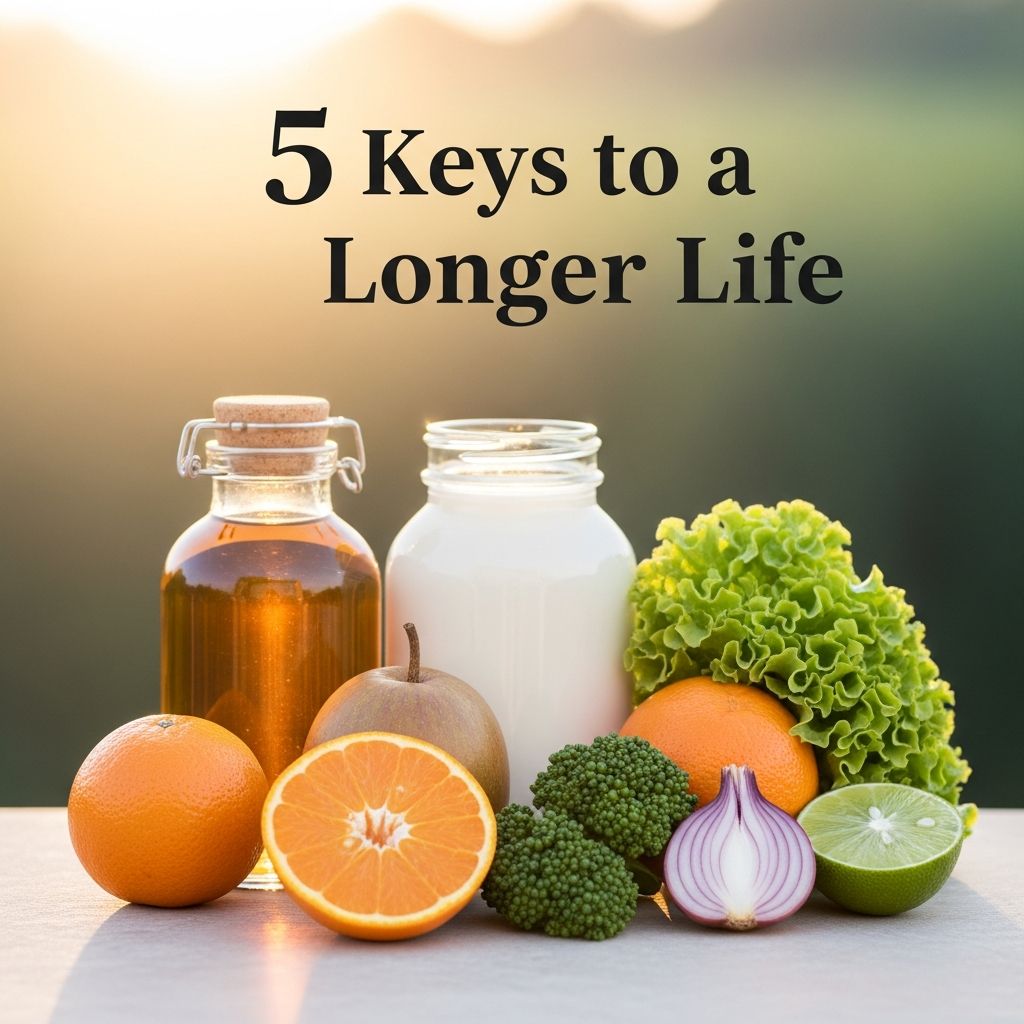
Americans live shorter lives compared to people in most other developed nations, yet spend significantly more on healthcare. However, recent comprehensive research from Harvard reveals an encouraging finding: by adopting just five key lifestyle factors, individuals can substantially extend their life expectancy and reduce the risk of premature death. This groundbreaking research demonstrates that meaningful longevity gains are within reach through deliberate lifestyle choices.
Understanding the Harvard Longevity Study
Researchers at Harvard conducted an extensive 34-year study to determine the impact of lifestyle factors on premature mortality and life expectancy across the United States population. The study, which drew data from the Nurses’ Health Study (NHS) and the Health Professionals Follow-up Study (HPFS), tracked over 123,000 health professionals and documented detailed information about their dietary patterns, exercise routines, body weight, smoking status, and alcohol consumption habits. By 2014, analysis of the 42,000 study participants who had passed away provided crucial insights into how lifestyle choices directly influence longevity.
The researchers selected five specific lifestyle factors because prior scientific evidence demonstrated their substantial impact on the risk of premature death. These factors were measured using regularly administered, validated questionnaires that captured real-world health behaviors over decades. The resulting data provided an unprecedented opportunity to quantify the precise relationship between lifestyle choices and life expectancy.
The Five Keys to Longevity
The Harvard research identified five interconnected lifestyle factors that work synergistically to promote longer, healthier lives. Understanding each factor and how to implement it is essential for anyone seeking to maximize their health span and lifespan.
1. Maintaining a Healthy Diet
Nutrition forms the foundation of longevity. A healthy diet, as defined by the study, scores in the top 40 percent on the Alternate Healthy Eating Index (AHEI), which emphasizes nutrient-dense whole foods while minimizing processed options. This dietary approach includes specific daily targets designed to optimize nutritional intake and reduce chronic disease risk.
The recommended daily intake includes at least five servings of vegetables, four servings of fruit, two to three servings of whole grains, and at least one serving of nuts and legumes. Additionally, obtaining sufficient polyunsaturated fats—particularly omega-3 fatty acids with a minimum daily intake of 250 mg of EPA and DHA—provides cardiovascular and cognitive protection. Conversely, individuals should minimize consumption of sugar-sweetened beverages, red and processed meats, trans fats, excessive sodium, and refined carbohydrates. This balanced approach naturally reduces inflammation, supports healthy cholesterol levels, and decreases the risk of developing chronic diseases including heart disease, type 2 diabetes, and certain cancers.
2. Regular Physical Activity
Physical activity is one of the most powerful interventions for extending life expectancy. According to the Harvard study, optimal health benefits emerge from engaging in moderate to vigorous physical activity for at least 3.5 hours per week, which translates to approximately 30 minutes of moderate exercise daily. This recommendation aligns with major health organizations’ guidelines and reflects the minimum threshold necessary for significant health improvements.
Regular exercise provides multiple mechanisms for extending lifespan. Physical activity strengthens the cardiovascular system, improves metabolic function, helps maintain healthy body weight, enhances mental health, strengthens bones and muscles, improves balance to prevent falls, and reduces inflammation throughout the body. Both aerobic activities (such as brisk walking, jogging, or cycling) and resistance training contribute to these benefits. The key is consistency—establishing regular physical activity as a non-negotiable part of daily routine yields far greater benefits than sporadic intense exercise sessions.
Related Stories



3. Maintaining a Healthy Body Weight
Body weight significantly influences longevity through its effects on metabolic health, cardiovascular function, and chronic disease risk. The study defined healthy body weight as a body mass index (BMI) between 18.5 and 24.9, which represents the range associated with optimal health outcomes. While BMI has limitations as a health marker for certain populations, maintaining weight within this range substantially reduces the risk of obesity-related diseases.
Weight management requires sustained attention to both diet and physical activity. Research shows that individuals struggling with weight loss benefit from behavioral interventions, including working with registered dietitians, joining support groups, tracking food intake, and setting realistic goals. In some cases, medical professionals may recommend pharmacological interventions to support weight loss efforts. The relationship between weight and longevity is bidirectional—maintaining healthy weight supports physical activity capacity, and regular exercise aids in weight management.
4. Never Smoking or Smoking Cessation
Smoking represents one of the most modifiable risk factors for premature death. The research clearly showed that people who have never smoked enjoy dramatically longer lifespans compared to current smokers. For individuals who currently smoke, cessation at any age yields immediate and long-term health benefits.
Smoking damages nearly every organ system in the body and increases the risk of heart disease, stroke, chronic obstructive pulmonary disease (COPD), lung cancer, and numerous other malignancies. Within weeks of quitting, cardiovascular function begins to improve. Within months, respiratory function improves. Within years, cancer risk steadily declines. Modern smoking cessation support includes behavioral counseling, nicotine replacement therapies, and prescription medications that significantly increase success rates compared to quitting without assistance.
5. Moderate Alcohol Consumption
Alcohol consumption demonstrates a complex relationship with health outcomes, where moderation provides cardiovascular benefits while excess consumption increases mortality risk. The study defined moderate drinking as no more than one alcoholic drink per day for women and no more than two drinks per day for men. A standard drink is defined as 5 ounces of wine, 12 ounces of beer, or 1.5 ounces of spirits.
When consumed in moderation, alcohol—particularly red wine containing polyphenols—may provide some cardiovascular protection. However, exceeding these thresholds increases the risk of liver disease, certain cancers, heart disease, stroke, and accidental injury. For individuals with personal or family histories of alcohol use disorder, complete abstinence represents the safer choice. Non-drinkers should not begin consuming alcohol solely for potential health benefits, as the protective effects can be achieved through other lifestyle factors with minimal risk.
The Cumulative Impact of Healthy Lifestyle Factors
While each individual factor contributes to longevity, their combined effect is dramatically more powerful. The Harvard research revealed striking differences in life expectancy based on adherence to these five factors:
Life Expectancy at Age 50
For women who adopted all five healthy lifestyle factors, projected life expectancy at age 50 years extended to approximately 93 years—representing a 14-year increase compared with women who adopted none of these habits (projected life expectancy of 79 years). For men, adherence to all five factors projected life expectancy at age 50 to approximately 87 years, compared with just 75 years for those adopting zero healthy habits—a 12.2-year advantage.
These projections translate into tangible differences in both quantity and quality of life. Those following all five healthy habits enjoyed not only longer lifespans but also lower rates of disability and chronic disease, meaning additional years characterized by vitality rather than decline.
Mortality Risk Reduction
Perhaps most strikingly, individuals who maintained all five healthy lifestyle factors were 74 percent less likely to die during the study period compared with those maintaining none of these habits. When examined by specific causes of death, those following all five habits were 82 percent less likely to die from heart disease or stroke and 65 percent less likely to die from cancer. These reductions represent prevention of the very conditions that most commonly cause premature death in developed nations.
Closing the American Life Expectancy Gap
The United States spends more per capita on healthcare than any other developed nation, yet ranks below most other high-income countries in life expectancy. This paradox suggests that increasing healthcare expenditure alone cannot solve the longevity gap—rather, population-level lifestyle changes are necessary. The Harvard findings indicate that if Americans broadly adopted these five lifestyle factors, the nation could substantially narrow the gap between U.S. life expectancy and that of other developed countries, potentially saving hundreds of thousands of lives annually.
This represents a powerful opportunity for public health intervention. Rather than focusing exclusively on treating existing disease, prevention through lifestyle optimization offers a more sustainable and cost-effective approach to extending healthy lifespan across the entire population.
Implementing Lifestyle Changes: Practical Strategies
Understanding the five keys to longevity is valuable, but translating knowledge into sustained behavior change represents the real challenge. Successful implementation typically follows these principles:
Start Small and Build Gradually
Rather than attempting to overhaul all five lifestyle factors simultaneously, which often leads to abandonment, identify one or two areas to focus on initially. For example, begin by adding one additional vegetable serving daily and taking three 10-minute walking breaks. Small successes build confidence and momentum for additional changes.
Address Individual Barriers
Different people face distinct obstacles to lifestyle change. Someone with limited time availability might benefit from meal planning and batch cooking. An individual with joint pain might need low-impact exercise options. Working with healthcare providers, registered dietitians, exercise physiologists, or health coaches helps identify personalized strategies that fit individual circumstances and preferences.
Create Environmental Support
Sustainable behavior change requires environmental modifications that make healthy choices easier. This might include stocking the home with nutritious foods while removing tempting less-healthy options, scheduling exercise like any other important appointment, joining group fitness classes or walking clubs for accountability, and enlisting family members to participate in healthy changes.
Monitor Progress and Adjust
Regular self-monitoring of progress toward lifestyle goals increases success rates. This might involve tracking dietary intake, recording exercise sessions, checking body weight periodically, or noting energy and mood improvements. Regular check-ins with healthcare providers help ensure changes are sustainable and effective.
Frequently Asked Questions
Q: Is it ever too late to start making healthy lifestyle changes?
A: No. Research shows that people who begin healthy lifestyle changes at any age experience health benefits and life expectancy improvements. Even starting in later years yields measurable benefits in terms of disease risk reduction, functional capacity, and quality of life.
Q: Can one healthy lifestyle factor compensate for neglecting others?
A: While each individual factor provides benefit, the research demonstrates that the combined effect of all five factors is substantially more powerful than any single factor alone. For maximum life expectancy extension, adopting all five factors together produces superior outcomes.
Q: How long does it take to see health benefits from lifestyle changes?
A: Some benefits appear quickly—improved energy and mood often emerge within weeks. Metabolic improvements occur within months. More substantial changes in disease risk and life expectancy become evident over years of sustained adherence.
Q: Are these recommendations appropriate for people with existing chronic diseases?
A: Yes, but modifications may be necessary. Individuals with existing health conditions should work with their healthcare providers to develop personalized approaches. Many chronic conditions actually improve with the lifestyle changes outlined in this research.
Q: What if someone cannot achieve all five factors perfectly?
A: Any movement toward these lifestyle factors yields health benefits. Research shows that even partial adoption provides meaningful improvements in life expectancy and disease risk reduction. Perfection is not required—progress toward healthier behaviors matters.
Conclusion
The Harvard longevity research provides compelling evidence that five modifiable lifestyle factors—maintaining a healthy diet, engaging in regular physical activity, sustaining a healthy body weight, avoiding smoking, and consuming alcohol in moderation—can profoundly extend life expectancy and reduce the risk of premature death from major chronic diseases. The potential gains are substantial: up to 14 years of additional life for women and 12.2 years for men who maintain all five factors compared with those adopting none.
More importantly, these additional years are characterized not merely by prolonged survival but by enhanced vitality, independence, and quality of life. The opportunity to extend healthy lifespan lies not in expensive medical interventions but in daily choices about food, movement, weight, smoking status, and alcohol use. By implementing these evidence-based lifestyle factors, individuals can take control of their health destiny and contribute to closing the gap in American life expectancy. The path to a longer, healthier life begins with a single step toward healthier choices.
References
- Impact of Healthy Lifestyle Factors on Life Expectancies in the US Population — American Heart Association, Circulation Journal. 2018-07-27. https://www.ahajournals.org/doi/10.1161/CIRCULATIONAHA.117.032047
- Healthy habits can lengthen life — National Institutes of Health (NIH), Research Matters. 2018. https://www.nih.gov/news-events/nih-research-matters/healthy-habits-can-lengthen-life
- Five Healthy Habits That Can Help You Live Longer — Boston Direct Health. 2024. https://bostondirecthealth.com/five-healthy-habits-that-can-help-you-live-longer/
- 5 habits that could help you live 10 years longer — CBS News. 2018. https://www.cbsnews.com/news/5-habits-that-could-help-you-live-10-years-longer/
Similar Articles








Read full bio of medha deb