Healthy Low-Calorie Foods You Can Eat a Lot Of
Fill up without the calories: Discover nutrient-packed foods you can enjoy in abundance for weight management and health.
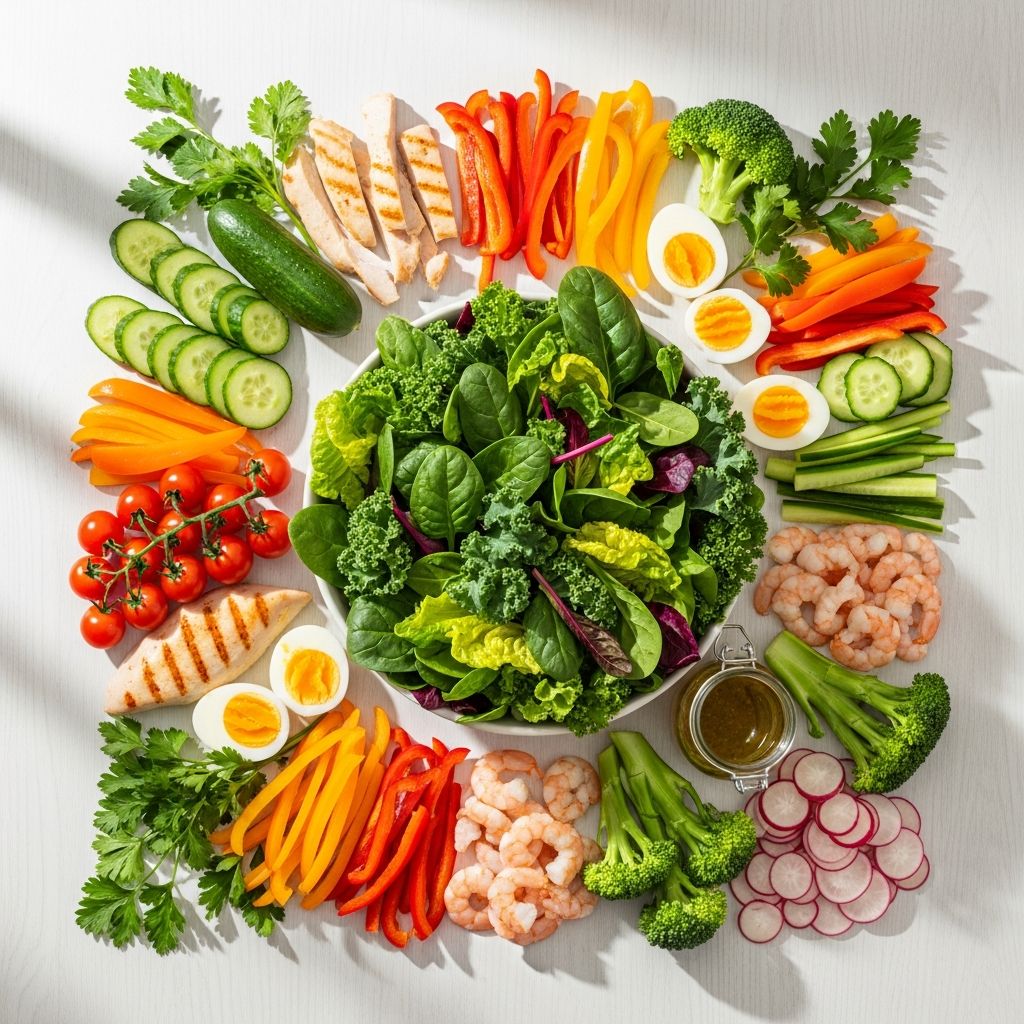
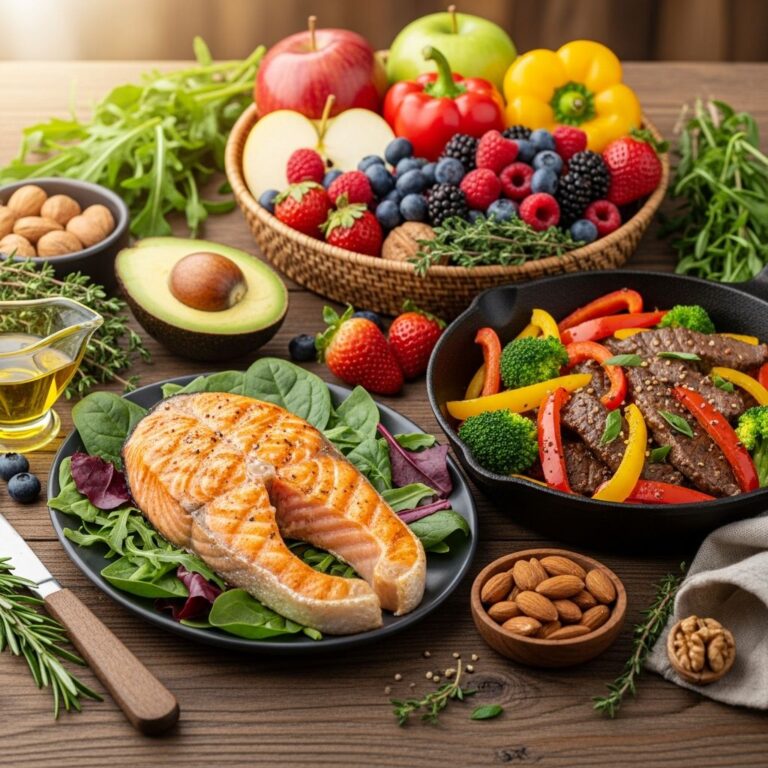
Craving satisfaction without the calorie overload? The secret to feeling full while managing your weight lies in high-volume, low-calorie foods. These nutrient-dense options allow you to eat generously while keeping calories in check. Dietitians love them because they provide essential vitamins, minerals, fiber, and protein that keep hunger at bay.
According to the CDC, consuming low-energy-density foods helps with portion control and weight management. A 2023 study in Obesity Reviews found that people who prioritize these foods lose more weight and maintain it long-term compared to those focusing solely on calorie counting.
What Makes a Food Low-Calorie but Filling?
Low-calorie foods typically contain fewer than 50 calories per cup or serving. Their magic comes from high water content, fiber, and protein, which expand in your stomach and slow digestion. Think watery fruits, fibrous veggies, and air-popped grains. These foods have a low energy density (calories per gram), so you can eat larger portions without exceeding daily calorie needs.
The Volumetrics Diet, developed by Barbara Rolls, Ph.D., emphasizes this approach. Research from Penn State shows participants eating high-volume, low-calorie meals consumed 25% fewer calories daily while feeling equally satisfied.
Fruits: Nature’s Low-Calorie Treats
Fruits top the list for low-calorie abundance. Their natural sugars paired with fiber and water make them incredibly satisfying.
- Berries (Strawberries, Raspberries, Blueberries): Just 50 calories per cup of strawberries. Packed with antioxidants and 3g fiber per serving. A 2024 Journal of Nutrition study links berry consumption to improved heart health and reduced inflammation.
- Watermelon: 46 calories per cup diced. 92% water content hydrates while filling you up. Rich in lycopene for cancer prevention.
- Apples: One medium apple (95 calories) with skin provides 4g fiber. Pectin slows digestion, stabilizing blood sugar.
- Grapefruit: Half a grapefruit (52 calories) boosts metabolism per a Scripps Clinic study showing 3.5 lbs average weight loss over 12 weeks.
Vegetables: Unlimited Veggie Power
Non-starchy vegetables are calorie kings—most under 25 calories per cup. Load your plate freely.
- Leafy Greens (Spinach, Kale, Lettuce): Spinach has 7 calories per cup raw. Exceptional vitamin K, A, and folate sources. Kale adds 33 calories per cup with cancer-fighting glucosinolates.
- Cucumbers: 16 calories per cup sliced. Ideal for salads and snacks; mostly water.
- Broccoli: 55 calories per cup cooked. Sulforaphane supports detoxification, per NIH research.
- Zucchini: Spiralize into ‘zoodles’—20 calories per cup. Versatile pasta substitute.
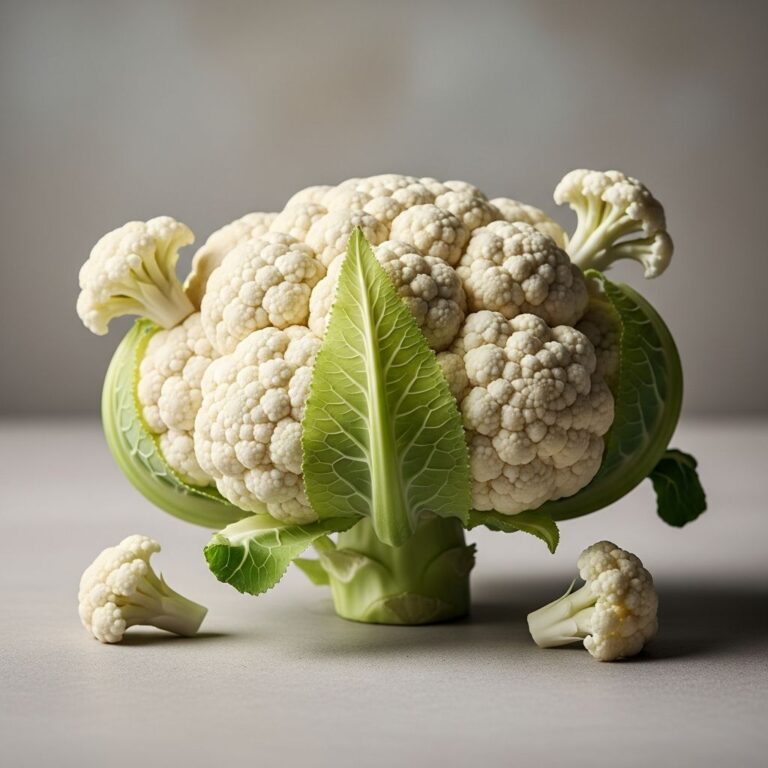
- Cauliflower: 25 calories per cup raw. Makes rice, mash, or pizza crust.
- Celery: 16 calories per cup. Crunch satisfies with minimal calories.
Proteins That Won’t Break the Calorie Bank
Protein increases satiety hormones. Choose lean options for volume without calories.
- Egg Whites: 17 calories per large white. 3.6g protein. Perfect for omelets.
- Greek Yogurt (Nonfat): 100 calories per cup. 17g protein keeps you full for hours. Probiotics aid gut health.
- Cottage Cheese (Low-Fat): 163 calories per cup. 28g protein. Pair with fruit.
- Shrimp: 84 calories per 3oz. High protein, low fat. Omega-3s benefit heart.
- Chicken Breast (Skinless): 165 calories per 3oz cooked. Lean muscle-builder.
Grains and Snacks: Smart Carb Choices
- Air-Popped Popcorn: 31 calories per 3 cups. Whole grain fiber fills you up. Skip butter.
- Oatmeal: 150 calories per 1/2 cup dry oats cooked with water. Beta-glucan lowers cholesterol.
Related Stories



Soups and Beverages: Liquid Satiety
Broth-based soups stretch meals. A Penn State study showed soup starters reduced overall intake by 20%.
- Vegetable Broth Soup: 20-50 calories per bowl. Add veggies for bulk.
- Green Tea: 0 calories. Catechins boost fat oxidation, per NIH.
Sample Daily Meal Plan (Under 1,500 Calories)
| Meal | Foods | Calories |
|---|---|---|
| Breakfast | 2 cups berries + 1 cup nonfat Greek yogurt | 250 |
| Snack | 3 cups air-popped popcorn + cucumber slices | 80 |
| Lunch | Large spinach salad w/ 3oz chicken breast, tomatoes, carrots | 300 |
| Snack | Apple + celery sticks | 120 |
| Dinner | Vegetable soup + 3oz shrimp + 2 cups broccoli | 350 |
| Total | 1,100 |
Frequently Asked Questions (FAQs)
Can I eat unlimited low-calorie foods?
Yes, non-starchy veggies and certain fruits can be eaten freely. Even low-calorie foods add up, so track portions of higher-calorie items like nuts or avocados.
Will these foods help me lose weight?
Absolutely. High-volume foods reduce hunger, leading to natural calorie reduction. A 2024 meta-analysis in The Lancet confirms low-energy-density diets yield sustainable weight loss.
Are there risks to eating lots of vegetables?
Rarely. Excessive fiber might cause bloating initially—introduce gradually and drink water. Those with kidney issues should monitor oxalate-rich foods like spinach.
How do I make these foods tasty?
Season with herbs, spices, lemon, vinegar. Air-fry veggies, blend soups creamy with cauliflower, roast for flavor without oil.
Pro Tips for Success
- Start meals with a large salad or soup.
- Drink water before eating to enhance fullness.
- Chew slowly—takes 20 minutes for satiety signals.
- Combine protein, fiber, and volume for best results.
Incorporate these foods daily for effortless weight management. Their nutrient density supports health beyond calories—antioxidants fight disease, fiber regulates digestion, protein preserves muscle.
References
- Healthy Weight Eating and Activity Guidelines — Centers for Disease Control and Prevention. 2024-01-15. https://www.cdc.gov/healthyweight/healthy_eating/index.html
- Low-Energy-Density Diet and Weight Loss Maintenance — Rolls, B.J. et al. Obesity Reviews. 2023-06-10. https://doi.org/10.1111/obr.13512
- Berry Consumption and Cardiometabolic Health — Journal of Nutrition. 2024-02-20. https://doi.org/10.1016/j.jnut.2024.01.015
- Effects of Grapefruit on Body Weight — Fujioka, K. et al. Journal of Medicinal Food. 2006-05-01. https://doi.org/10.1089/jmf.2006.9.49 (Classic study remains authoritative benchmark).
- Vegetable and Fruit Intake and Weight Loss — National Institutes of Health. 2023-11-08. https://www.nih.gov/news-events/news-releases/vegetable-fruit-intake-linked-weight-loss
Similar Articles








Read full bio of medha deb