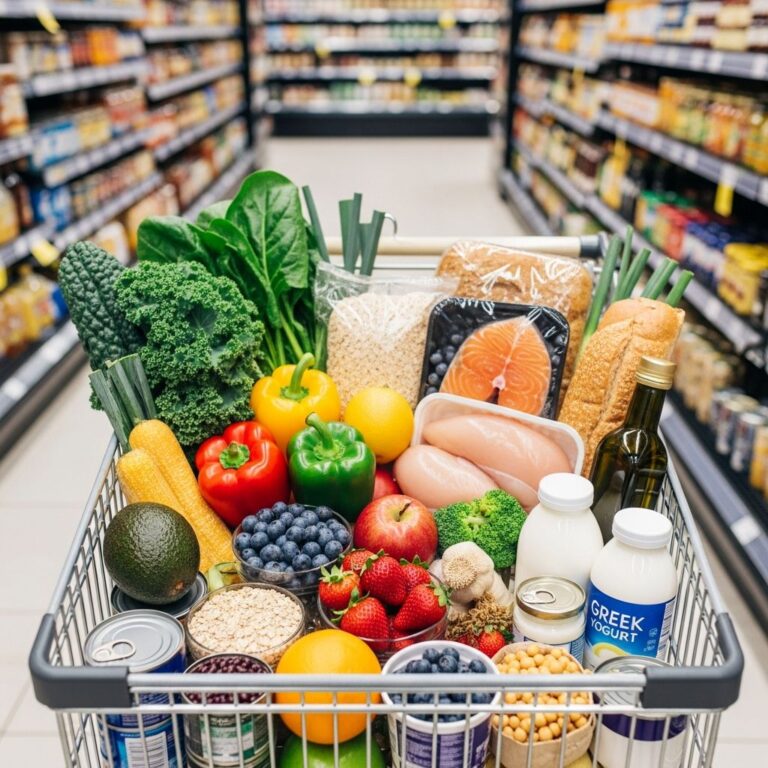
Healthy Low-Calorie Foods You Can Eat a Lot Of
Discover nutrient-packed, low-calorie foods that let you eat generously without the calorie worry for effective weight management.
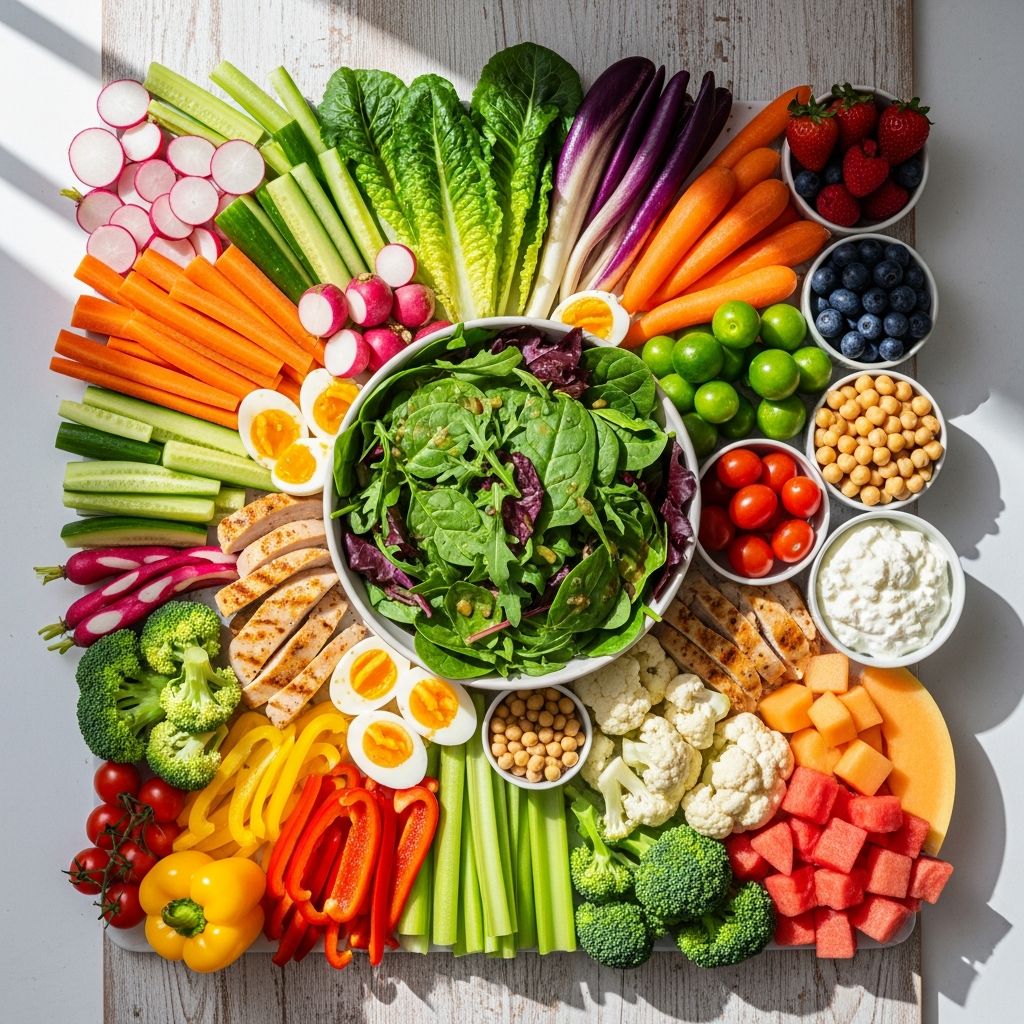
Craving satisfaction without the calorie overload? These
healthy low-calorie foods
allow you to indulge generously while delivering essential nutrients, fiber, and protein to keep hunger at bay. Ideal for weight management, they prioritize volume and satiety over empty calories. Backed by evidence from registered dietitians, this guide covers vegetables, fruits, proteins, grains, and more—helping you build meals that nourish without restraint.Why Choose Low-Calorie, High-Volume Foods?
Low-calorie density foods—those high in water, fiber, and protein but low in fat and sugar—enable larger portions with fewer calories. A 1/2-cup serving of dry oats offers just 154 calories yet provides 5g protein and 4g fiber, significantly curbing appetite. Similarly, research shows protein-rich options like Greek yogurt (25g protein per 150 calories) reduce hunger hormones like ghrelin. Incorporating these supports sustainable weight loss by promoting fullness without deprivation.
Vegetables: The Ultimate Volume Boosters
Vegetables top the list for low-calorie abundance due to their high water and fiber content. Load your plate with these for guilt-free feasting.
- Leafy Greens (Spinach, Kale, Lettuce): One cup of spinach has only 7 calories but 1g fiber and vitamins A, C, K. Dark leafy greens like kale and collards are nutrient-dense with minimal calories, making them perfect for salads or sautés.
- Cruciferous Veggies (Broccoli, Cauliflower, Cabbage): A cup of broccoli delivers 55 calories, 5g fiber, and cancer-fighting compounds. Cruciferous varieties shine for weight loss with high fiber and low energy density. Steam or roast for volume.
- Cucumbers and Celery: Cucumbers are 95% water (16 calories per cup), while celery offers crunch at 6 calories per stalk—ideal for snacking.
- Zucchini and Mushrooms: Spiralized zucchini (17 calories/cup) mimics pasta; mushrooms add umami at 15 calories/cup.
Tip: Aim for half your plate as non-starchy veggies to naturally cut calories while boosting micronutrients.
Fruits: Sweet Satisfaction Without the Sugar Spike
Berries and watery fruits provide sweetness and antioxidants at low calorie costs. Enjoy handfuls daily.
- Berries (Strawberries, Blueberries, Raspberries): One cup blueberries: 86 calories, 3.6g fiber. Loaded with antioxidants, they optimize health and fullness.
- Apples: A medium apple (95 calories) packs 4g fiber if eaten with skin—portable and doctor-repelling.
- Watermelon: 46 calories per cup, high water content hydrates and satisfies like higher-calorie treats.
- Grapefruit and Oranges: Half grapefruit: 52 calories, vitamin C boost aids metabolism.
Pro tip: Pair with protein to stabilize blood sugar.
Proteins That Fill Without the Bulk
Lean proteins extend satiety, crucial for muscle maintenance during weight loss.
- Greek Yogurt and Cottage Cheese: Nonfat Greek yogurt: 150 calories/cup, 25g protein. Low-fat cottage cheese: 163 calories/cup, 28g protein—studies show it rivals eggs for fullness.
- Eggs: One large egg (70 calories) offers 6g protein; versatile for any meal.
- Fish and Lean Meats: Cod: under 60 calories/3oz, 13g protein. Chicken breast: 163 calories/4oz, 32g protein. Fatty fish like salmon add omega-3s.
- Legumes (Lentils, Beans): 1 cup lentils: 230 calories, 18g protein, 15.6g fiber.
Research confirms higher protein intake decreases appetite.
Grains and Snacks for Satiety
Opt for whole grains and smart snacks that expand in your stomach.
Related Stories



- Oats and Popcorn: Oats: 154 calories/½ cup dry, high fiber/protein. Air-popped popcorn: 31 calories/cup, 1.2g fiber.
- Potatoes: Medium baked potato: 161 calories, 4g each protein/fiber—surprisingly satiating.
- Chia Seeds: 1oz: 138 calories, 9.8g fiber, 4.7g protein—a superfood for puddings.
| Food | Calories (per serving) | Protein (g) | Fiber (g) |
|---|---|---|---|
| Oats (½ cup dry) | 154 | 5 | 4 |
| Popcorn (1 cup) | 31 | 1 | 1.2 |
| Chia Seeds (1oz) | 138 | 4.7 | 9.8 |
| Baked Potato (medium) | 161 | 4 | 4 |
This table highlights why these grains excel in low-calorie fullness.
Soups and Broths: Liquid Fullness
Soup’s volume tricks your stomach into satisfaction. Broth-based veggie soups clock under 100 calories per bowl, with studies showing they reduce overall intake compared to solid foods. Add greens, tomatoes, or legumes for nutrition.
Sample Meal Ideas
Put it together:
- Breakfast: Greek yogurt with berries and chia seeds (under 300 calories).
- Lunch: Massive salad with leafy greens, cucumber, eggs, and light vinaigrette.
- Snack: Popcorn or apple with cottage cheese.
- Dinner: Grilled fish, roasted cruciferous veggies, baked potato.
These meals emphasize volume for lasting energy.
Frequently Asked Questions (FAQs)
Q: Can I really eat unlimited low-calorie foods?
A: Focus on nutrient-dense options like veggies and fruits; even low-cal foods add up if over-portioned. Balance with protein/fiber for sustainability.
Q: Are potatoes healthy for weight loss?
A: Yes, baked/boiled potatoes are filling due to resistant starch and fiber—avoid frying.
Q: How do chia seeds help with hunger?
A: They absorb water, expanding in your stomach for prolonged fullness.
Q: Is popcorn a healthy snack?
A: Air-popped yes—high fiber, low calories; skip butter.
Q: What’s the best low-cal fruit?
A: Berries and watermelon for fiber and hydration.
Final Thoughts on Building Your Plate
Prioritize water-rich, fiber-packed foods to eat more while weighing less. Combine categories—like soups with legumes or salads with lean protein—for optimal results. Track how these shift your hunger cues, and consult a dietitian for personalization. Sustainable habits beat fad diets every time.
References
- 13 Low Calorie Foods That Are Surprisingly Filling — Healthline (Medically reviewed by Amy Richter, MS, RD). 2024-01-12. https://www.healthline.com/nutrition/low-calorie-foods
- 10 Foods You Should Eat Every Week to Lose Weight | Dietitian Q&A — YouTube (Dietitian insights on filling foods). 2023. https://www.youtube.com/watch?v=hTbIHTuznJ4
- Dietary Guidelines for Americans, 2020-2025 — U.S. Department of Health and Human Services / USDA. 2020-12-31. https://www.dietaryguidelines.gov/
- Protein Intake and Satiety — PubMed (Review on protein’s role in appetite control). 2022. https://pubmed.ncbi.nlm.nih.gov/35206300/
- Low-Energy-Density Diets for Weight Management — NIH / National Library of Medicine. 2021-05-15. https://www.ncbi.nlm.nih.gov/pmc/articles/PMC8017325/
Similar Articles








Read full bio of medha deb