28 Healthy Non-Perishable Foods to Stock Up On
Stock your pantry with these nutritious, long-lasting foods that stay fresh for months or years without refrigeration.
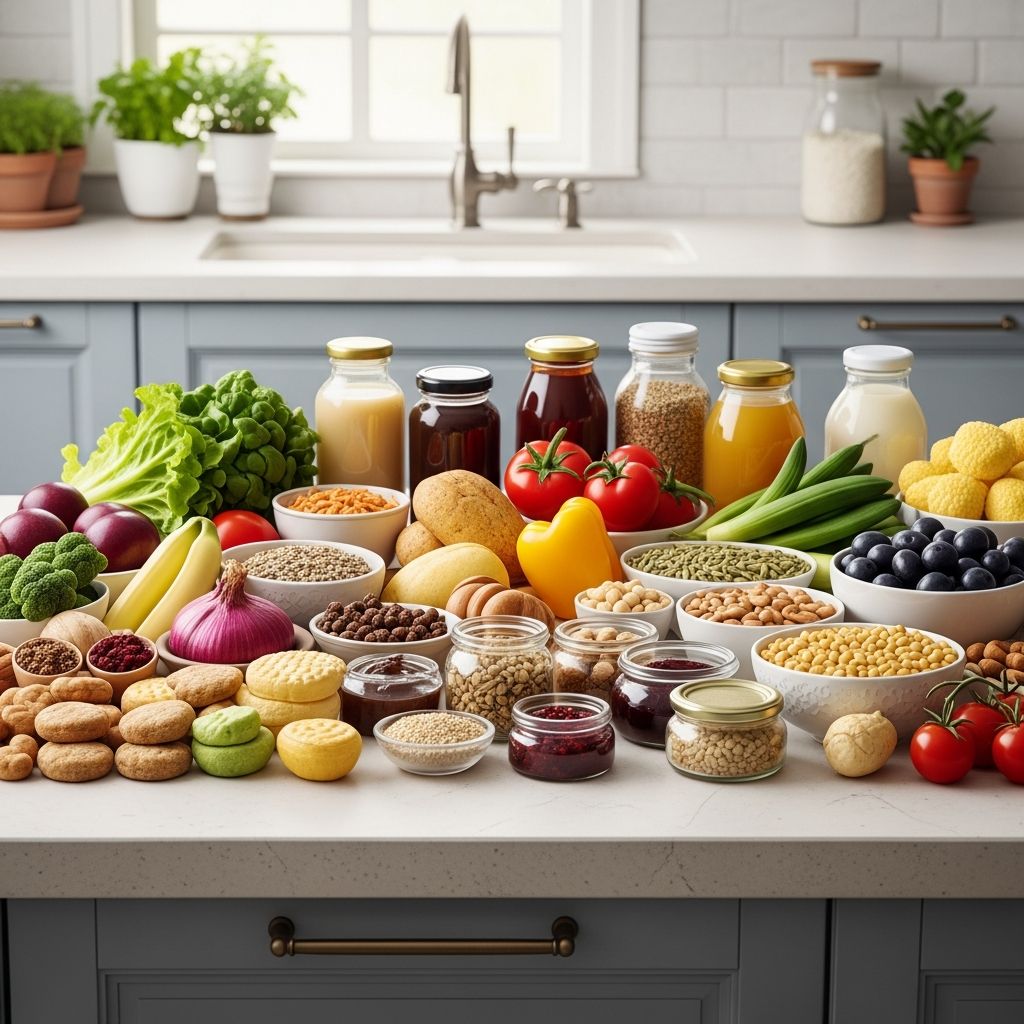
Non-perishable foods are essential for busy lifestyles, emergencies, or simply maintaining a well-stocked pantry. These shelf-stable items don’t require refrigeration and can last months or even years, providing reliable nutrition when fresh produce isn’t available. This guide covers 28 healthy options rich in protein, fiber, vitamins, and healthy fats, drawing from expert recommendations on their benefits, shelf life, and usage.
What Are Non-Perishable Foods?
Non-perishable foods are processed or packaged to resist spoilage from bacteria, mold, or enzymes without refrigeration. Canning, drying, and aseptic packaging extend their life dramatically—some last up to five years or more when stored properly in cool, dry places. Unlike perishable items, they maintain nutritional value over time, making them ideal for pantries, camping, or disaster preparedness.
Why Stock Up on Healthy Non-Perishables?
- Convenience: Quick meals without shopping trips.
- Nutrition Security: Balanced macros and micros for sustained energy.
- Cost-Effective: Bulk buying saves money long-term.
- Emergency Readiness: Vital for power outages or supply disruptions.
- Versatility: Endless recipes from salads to soups.
28 Healthy Non-Perishable Foods
1. Dried and Canned Beans
Versatile powerhouses like black beans, chickpeas, lentils, and kidney beans offer 15g protein per cup. Canned versions last 2-5 years; dried up to 30 years if sealed. Rinse cans to reduce sodium. Use in chili, salads, or tacos for fiber that supports gut health and blood sugar control.
2. Canned Fruits
Choose fruits in juice or water (not syrup) like peaches, pineapple, or applesauce. High-acid fruits last 12-18 months. Packed with vitamin C and antioxidants, they’re perfect for smoothies or yogurt toppers.
3. Canned Vegetables
Low-acid options like corn, green beans, carrots, spinach, and mushrooms endure 2-5 years. Retain potassium and fiber; ideal for soups or stir-fries when fresh veggies are scarce.
4. Nuts and Seeds
Almonds, walnuts, chia, flaxseeds, sunflower seeds, and pumpkin seeds provide unsaturated fats, omega-3s, and fiber. Last 6-12 months (up to 2 years sealed). Reduce heart disease risk and inflammation; snack alone or add to trail mix.
5. Canned Fish and Poultry
Salmon, tuna, sardines, and chicken deliver omega-3s, vitamin D, B vitamins, and iron. Shelf life: up to 5 years. Heart-healthy and no-cook; make patties, salads, or casseroles.
6. Whole Grains
Oats, rice, quinoa, barley, farro last 1-2 years (up to 30 sealed). High in fiber, magnesium, zinc; form base for porridges, pilafs, or salads.
7. Protein and Granola Bars
Homemade or store-bought with oats, nuts, dried fruit, and protein powder. Last 6-12 months. Portable energy boosts for hikes or quick breakfasts.
8. Soups and Broths
Canned low-sodium soups (tomato-based: 18 months; others: 5 years). Dried mixes last 1 year. Complete meals with veggies, grains, and protein.
9. Freeze-Dried Meals
Lightweight options via sublimation last 25-30 years. Great for camping; rehydrate with water for full meals.
Related Stories



10. Shelf-Stable Milk and Alternatives
UHT milk or nut milks (almond, oat) last 6-12 months unopened. Fortified with calcium, vitamin D; use in cereal, coffee, or baking.
11. Canned Tomatoes
Tomatoes, sauce, paste last 18 months+. Lycopene-rich for antioxidants; base for sauces, stews.
12. Nut Butters
Peanut, almond, sunflower butters: 9 months unopened. Protein and healthy fats raise HDL cholesterol.
13. Chickpea Pasta
Legume-based lasts 2 years. Boosts fiber and protein in pasta dishes.
14. Honey
Nearly indefinite shelf life (crystallizes but safe). Natural sweetener with antioxidants.
15. Crackers
Seed-based whole-grain varieties last 9 months. Pair with nut butter or cheese for snacks.
16-28. Additional Staples
Expand with dried fruits (raisins, apricots: 6-12 months), popcorn kernels, couscous, bulgur, powdered peanut butter, jerky, coconut milk, baking mixes, spices, oils (sealed 1-2 years), vinegar, and pure maple syrup. These add variety and longevity to your stockpile.
Shelf Life Comparison Table
| Food Item | Average Shelf Life (Pantry) | Storage Tips |
|---|---|---|
| Canned Beans/Veggies | 2-5 years | Cool, dry; check for dents |
| Nuts/Seeds | 6-24 months | Airtight containers |
| Grains (Oats, Rice) | 1-2 years | Sealed, pest-free |
| Canned Fish | Up to 5 years | Avoid rust |
| Nut Butters | 9 months unopened | Refrigerate after opening |
| Honey | Indefinite | Room temp |
Storage Tips for Maximum Freshness
- Store in cool (50-70°F), dark, dry places away from heat.
- Use airtight containers for dry goods to prevent pests and moisture.
- Check cans for dents, bulges, or rust; discard if damaged.
- Rotate stock: First in, first out (FIFO).
- Label with dates; freeze nuts/seeds to extend life.
Meal Ideas and Recipes
- Bean Salad: Canned beans, tomatoes, corn, olive oil dressing.
- Tuna Melt: Canned tuna, crackers, nut butter spread.
- Oat Energy Balls: Oats, nut butter, honey, seeds.
- Quinoa Veggie Soup: Grains, canned veggies, broth.
- Trail Mix: Nuts, seeds, dried fruit, chocolate bits.
These combos ensure balanced plates with carbs, proteins, fats, and micros.
Nutrition Highlights
These foods combat nutrient gaps: Beans and grains for fiber (gut health), fish/nuts for omega-3s (heart/brain), canned produce for vitamins. Prioritize low-sodium, no-added-sugar options.
Frequently Asked Questions (FAQs)
What are the healthiest non-perishable foods?
Canned beans, fish, nuts, seeds, whole grains, and fortified milks top lists for protein, healthy fats, and fiber without spoilage risks.
How long do non-perishables really last?
Most canned goods: 2-5 years; dry goods: 1-2 years; some like honey indefinitely if stored right.
Are canned foods as nutritious as fresh?
Often yes—canning preserves most vitamins/minerals; some like tomatoes increase bioavailable lycopene.
Can I eat expired non-perishables?
Best by dates indicate quality; safe longer if undamaged. Inspect before use.
How to build an emergency pantry?
Aim for 3-day supply per person: water, cans, grains. Diversify for balance.
References
- The Best Healthy Non-Perishable Foods To Stock Up On — Lam Clinic. 2023. https://lamclinic.com/blog/the-best-healthy-non-perishable-foods/
- 20 Healthy, Non-Perishable Foods You Need In Your Kitchen Right Now — Nutritious Life. 2023. https://nutritiouslife.com/eat-empowered/20-healthy-non-perishable-foods-you-need-in-your-kitchen-right-now/
- Estimating How Long Food Stays Good — U.S. FoodSafety.gov (official government source). 2024-05-15. https://www.foodsafety.gov/food-safety-charts/cold-food-storage-charts
Similar Articles








Read full bio of Sneha Tete