Healthy Oils at Home and When Eating Out
Choose the right oils for better health: Expert guide to cooking oils and dining decisions.
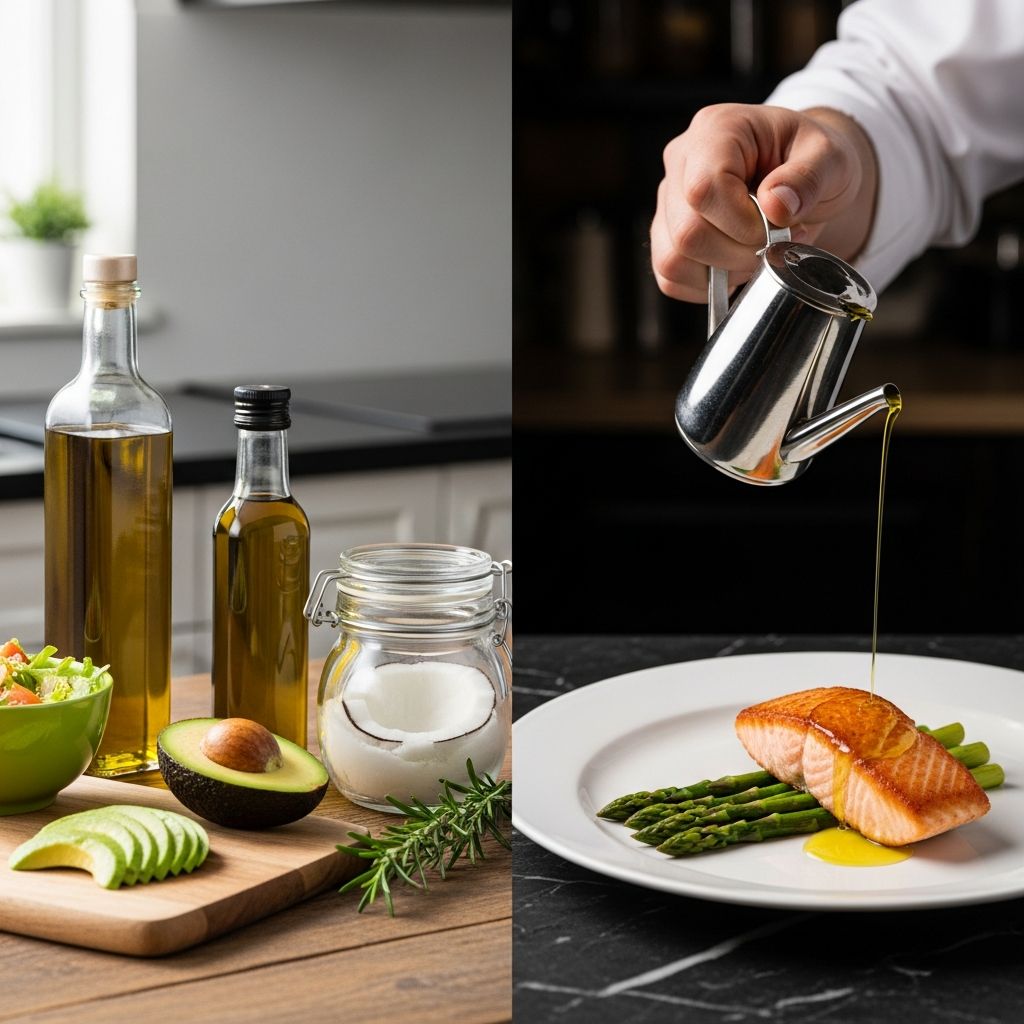
The type of oil you use for cooking and the fats you consume when dining out can significantly impact your overall health and longevity. Research from Harvard T.H. Chan School of Public Health demonstrates that replacing saturated fats with healthier plant-based oils can reduce the risk of various diseases by up to 30%. Understanding which oils to use at home and how to navigate oil choices in restaurants is essential for maintaining a heart-healthy diet and preventing chronic diseases.
Understanding Cooking Oils and Their Health Benefits
Not all cooking oils are created equal. The primary difference between unhealthy and healthy oils lies in their fatty acid composition. Butter and margarine are rich in saturated fatty acids, which can increase cholesterol levels and raise the risk of heart disease. In contrast, plant-based oils contain more unsaturated fatty acids, which have been shown to support cardiovascular health and reduce inflammation throughout the body.
A comprehensive study published in the Journal of the American College of Cardiology found that consuming olive oil was associated with a lower risk of mortality from cardiovascular disease, cancer, respiratory disease, and neurodegenerative disorders. The research involved 221,054 participants from three large cohort studies with up to 30 years of follow-up, making it one of the most extensive investigations into the impact of oil consumption on American health.
Best Oils for Home Cooking
When cooking at home, selecting the right oil can enhance both the flavor of your food and your nutritional intake. The best oils for home cooking are those high in unsaturated fats and rich in beneficial compounds like polyphenols and antioxidants.
Olive Oil: The Gold Standard
Extra virgin and virgin olive oil stand out as superior choices for home cooking. These oils are excellent sources of healthy fats and contain high amounts of bioactive compounds such as polyphenols and antioxidants that possess anti-inflammatory and antioxidant properties. Olive oil is high in oleic acid and is less susceptible to oxidation than more unsaturated fatty acids. Research indicates that olive oil can have favorable effects on endothelial dysfunction, hypertension, inflammation, insulin sensitivity, and diabetes. The Harvard study found that people who consumed higher amounts of olive oil showed a 19 percent lower risk of dying from cardiovascular disease and a 29 percent lower risk of death from neurodegenerative diseases.
Canola and Soybean Oils
Plant-based oils such as canola and soybean oil also represent excellent choices for home cooking. These oils are much healthier alternatives to butter and margarine. A study from Harvard epidemiologists found statistically significant associations between higher intakes of canola, soybean, and olive oils and lower total mortality rates. Substituting just 10 grams of butter with equivalent calories of plant-based oils could lower cancer deaths and overall mortality by 17 percent.
Comparison of Common Cooking Fats
Understanding how different fats compare can help you make better choices for your health:
| Fat Type | Primary Composition | Health Impact | Best Uses |
|---|---|---|---|
| Olive Oil | Unsaturated fats, polyphenols | Reduces cardiovascular and cancer mortality risk | Salads, low-heat cooking, drizzling |
| Canola Oil | Unsaturated fats, omega-3 fatty acids | Lowers total mortality risk | General cooking, baking |
| Soybean Oil | Unsaturated fats, linoleic acid | Associated with lower mortality rates | Cooking, salad dressings |
| Butter | Saturated fats | Associated with 15% higher mortality risk | Minimize consumption |
| Margarine | Saturated and trans fats | Increases disease risk | Not recommended |
Related Stories



The Science Behind Healthy Oil Choices
Research from Harvard T.H. Chan School of Public Health reveals the mechanisms by which healthy oils support longevity. Olive oil offers several biological advantages. Its high oleic acid content makes it more stable and resistant to oxidation. Furthermore, olive oil demonstrates favorable effects on multiple health markers including blood vessel function, blood pressure regulation, inflammatory response, and glucose metabolism.
The impact of oil substitution is remarkable. Replacing 10 grams of margarine, butter, mayonnaise, or dairy fat with the same amount of olive oil was associated with an 8 to 34 percent lower risk of total and cause-specific mortality. This wide range reflects different causes of death, with some conditions showing more dramatic improvements than others.
Oil Choices When Eating Out
While cooking at home provides maximum control over your oil consumption, dining out presents challenges. Restaurants often use less healthy fats to maximize flavor and shelf stability of their dishes. However, you can still make informed choices:
Strategies for Choosing Healthier Oils at Restaurants
Ask about cooking methods: When ordering, inquire whether the chef uses olive oil, canola oil, or other plant-based oils. Many restaurants are willing to accommodate requests for healthier preparation methods.
Order salads with oil and vinegar: Request olive oil and vinegar dressings instead of cream-based or mayonnaise-heavy options. You can specify the amount of dressing you want.
Choose grilled or steamed options: Dishes prepared by grilling or steaming typically use less oil and fat overall.
Limit fried foods: Deep-fried foods are typically prepared in oils that have been heated repeatedly, which degrades their nutritional quality.
Select Mediterranean-inspired cuisines: Mediterranean restaurants typically emphasize olive oil, making them excellent choices for health-conscious diners.
Practical Tips for Daily Use
Incorporating healthier oils into your daily routine doesn’t require dramatic changes. Small substitutions can yield substantial health benefits.
Start with substitution: Begin by replacing butter or margarine with olive oil in your favorite recipes. Even partial substitution of daily saturated fat consumption with olive oil carries significant benefits.
Stock your pantry: Keep extra virgin olive oil, canola oil, and soybean oil readily available so you reach for these healthier options naturally.
Use oil for flavor: A high-quality extra virgin olive oil can enhance dishes with minimal quantity, allowing you to enjoy both flavor and health benefits.
Store oils properly: Keep oils in cool, dark places to maintain their nutritional quality and prevent oxidation.
Understanding Fat Quality and Quantity
While choosing the right oils is important, quantity also matters. A 30-year follow-up study from Harvard found that participants who ate the most plant-based oils had a 16 percent lower risk of death than those who ate the least. However, this doesn’t mean consuming unlimited amounts of oil. Rather, it emphasizes replacing unhealthy fats with healthier options at equivalent quantities.
The key insight is that you don’t need to eliminate all fat from your diet—a common misconception. Instead, focus on replacing saturated fats and animal fats with unsaturated plant oils. This dietary approach has been supported by extensive research and endorsed by leading nutritional scientists.
Addressing Common Questions About Cooking Oils
Frequently Asked Questions
Q: Is extra virgin olive oil better than regular olive oil?
A: Yes, extra virgin and virgin olive oils contain higher amounts of bioactive compounds like polyphenols and antioxidants compared to refined olive oil. These compounds provide additional anti-inflammatory and antioxidant benefits beyond the basic healthy fat content.
Q: Can I use olive oil for high-heat cooking?
A: Extra virgin olive oil is best used for low to medium-heat cooking, salad dressings, and drizzling. For higher-heat cooking, refined olive oil or canola oil are better choices as they have higher smoke points.
Q: How much oil should I consume daily for health benefits?
A: The research suggests that replacing just 10 grams (about 2.5 teaspoons) of saturated fat with plant-based oil can provide significant health benefits. However, more research is being conducted to determine optimal consumption amounts for different populations.
Q: Why are seed oils considered healthy if some people criticize them?
A: Plant-based oils like canola and soybean oil contain unsaturated fats that have been extensively researched and shown to support cardiovascular health and reduce mortality risk. While some criticisms exist, extensive scientific evidence from Harvard and other institutions supports their health benefits compared to saturated fats.
Q: Is butter ever a healthy choice?
A: Butter is rich in saturated fats and has been associated with increased mortality risk in large studies. While small amounts occasionally may not significantly harm your health, regularly consuming butter increases disease risk compared to plant-based oils. Replacing butter with plant oils provides substantial health benefits.
Long-Term Health Implications
The implications of choosing healthy oils extend far beyond immediate health markers. A review of 121,119 participants in the Nurses’ Health Study found that consuming olive oil is associated with reduced weight gain over time. This long-term weight management benefit occurs because healthy unsaturated fats improve satiety and support metabolic health.
Furthermore, regular consumption of healthy oils has been associated with protection against neurodegenerative diseases such as Alzheimer’s disease. Research demonstrates that olive oil consumption could positively impact these conditions by preventing the buildup of plaque in the brain, suggesting that oil choice affects not just current health but cognitive function in later years.
Conclusion: Making Oil Choices That Matter
The evidence is clear and compelling: replacing saturated fats with plant-based oils like olive oil, canola oil, and soybean oil can reduce the risk of premature death by up to 30 percent. This substantial reduction in mortality risk applies to multiple causes of death including cardiovascular disease, cancer, respiratory disease, and neurodegenerative disorders.
Whether cooking at home or dining out, your oil choices have profound implications for your long-term health. Simple dietary swaps—such as using olive oil instead of butter or selecting restaurants that emphasize plant-based oils—can lead to significant long-term health benefits. The main message from Harvard researchers is clear: our results provide further support for recommendations to replace saturated fat and animal fat with unsaturated plant oils for the prevention of premature death.
Start today by evaluating your current oil consumption and identifying one simple substitution you can make. Over time, these choices accumulate into substantial health improvements that extend your lifespan and enhance your quality of life.
References
- Replacing Saturated Fats With Olive Oil Saves Lives, Harvard Study Finds — Olive Oil Times. 2022-04-12. https://www.oliveoiltimes.com/health-news/replacing-saturated-fats-with-olive-oil-saves-lives-harvard/
- Harvard Study Finds Seed Oils Healthier Than Butter — Producer.com. 2022. https://www.producer.com/news/harvard-study-finds-seed-oils-healthier-than-butter/
- Large Study of Dietary Habits Suggests More Plant Oils, Less Butter Lead to Better Health — Mass General Brigham. 2022. https://www.massgeneralbrigham.org/en/about/newsroom/press-releases/dietary-habits-study-suggests-more-plant-oils-less-butter-lead-to-better-health
- Journal of the American College of Cardiology — Olive oil and mortality study. Harvard T.H. Chan School of Public Health. 2022. https://www.jacc.org/
- JAMA Internal Medicine: Plant-Based Oils and Butter Study — Harvard School of Public Health Department of Epidemiology. 2022. https://jamanetwork.com/journals/jamainternalmedicine
Similar Articles








Read full bio of medha deb